English

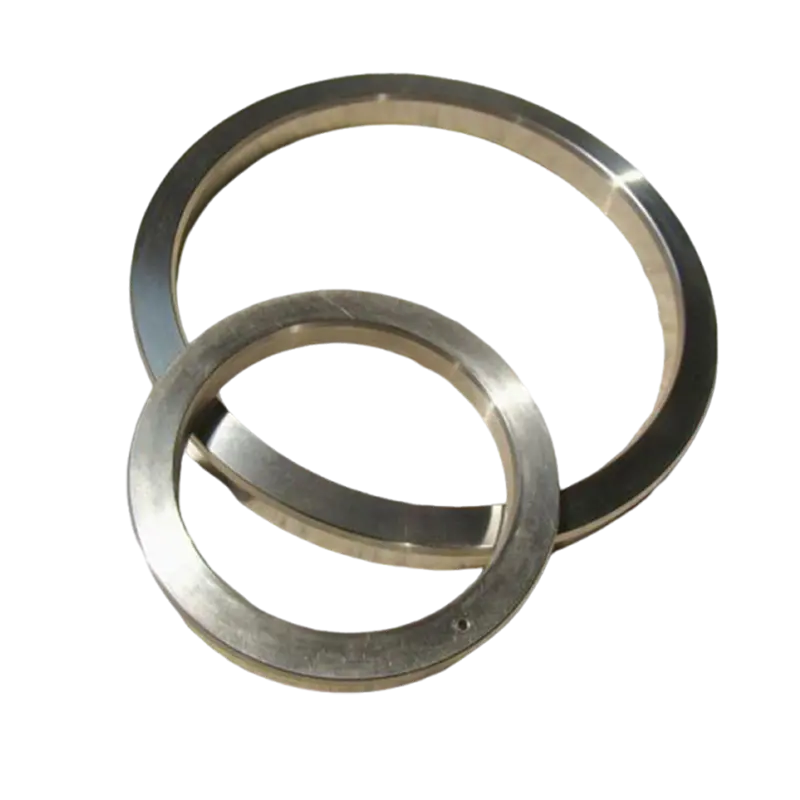
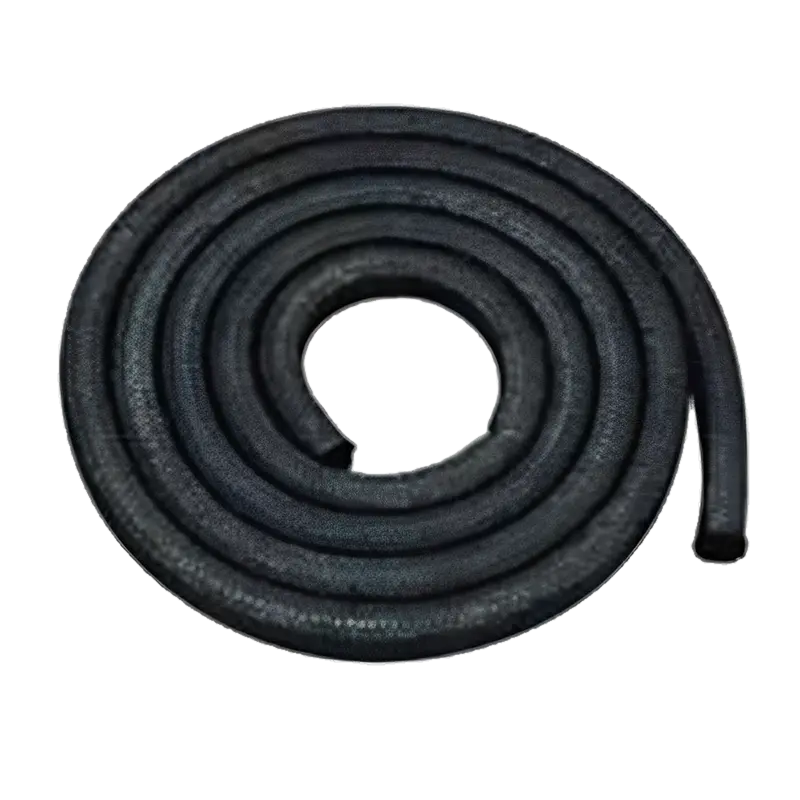
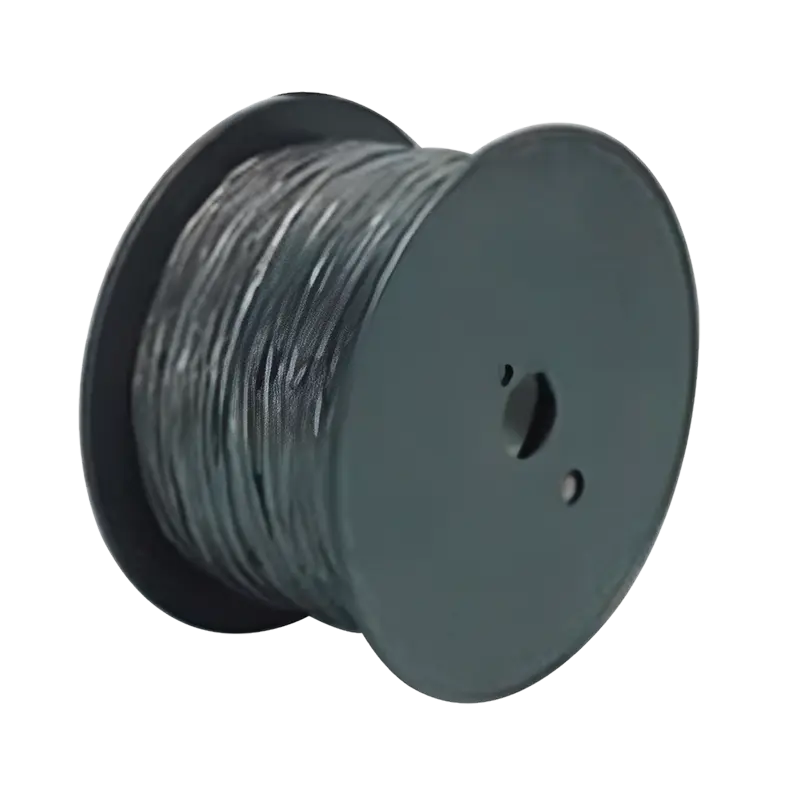
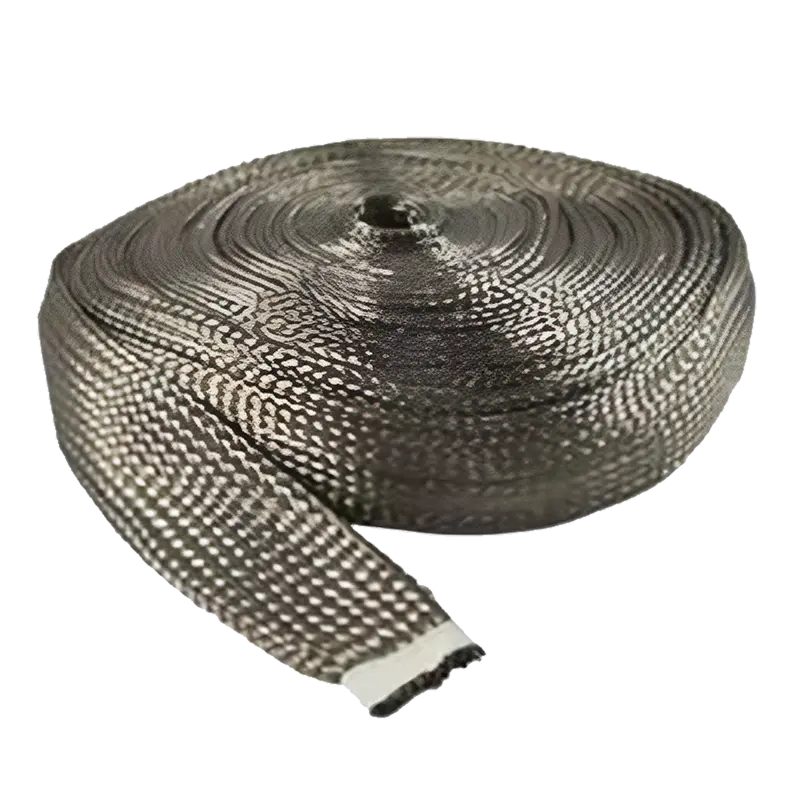
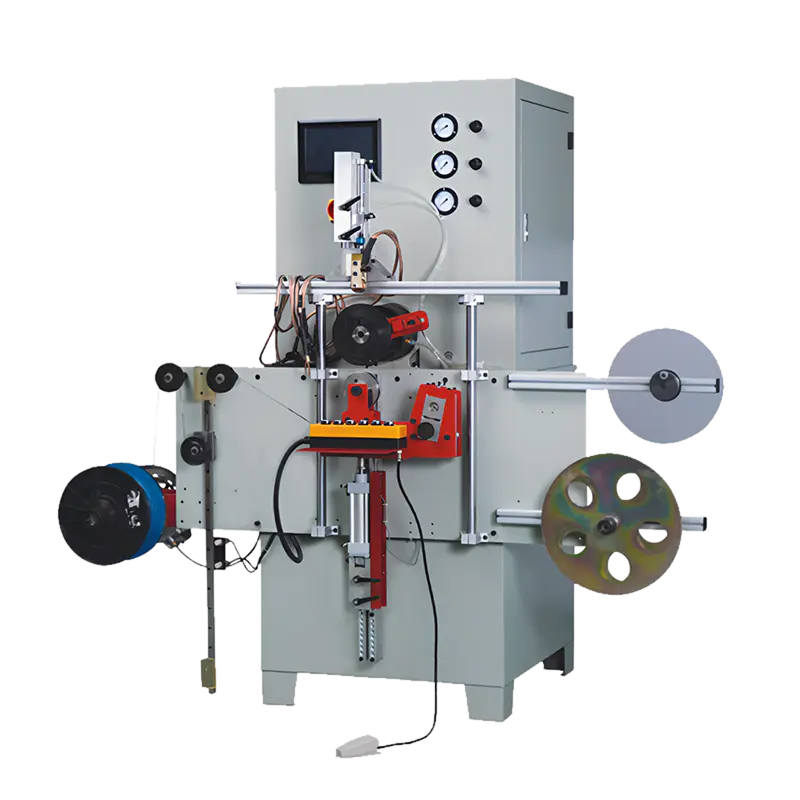
What types of industries commonly utilize mineral fiber packing? If you're a procurement professional sourcing reliable sealing solutions, this question is central to ensuring operational efficiency and safety. Mineral fiber packing, known for its high-temperature resilience and chemical resistance, is a critical component in many demanding industrial applications. From containing intense heat in manufacturing to withstanding corrosive chemicals in processing plants, the right packing material prevents leaks, reduces downtime, and protects valuable equipment. This article will explore the key sectors that depend on this versatile material and guide you through selecting the optimal solution for your specific challenges, including insights into how Ningbo Kaxite Sealing Materials Co., Ltd. addresses these complex sealing needs with precision-engineered products.
Article Outline:
Imagine a steel mill where a leaking valve packing on a reheat furnace leads to unexpected shutdowns, soaring energy costs, and safety hazards. This is a common pain point in industries like metal smelting, glass manufacturing, and ceramics, where processes consistently exceed 1000°F (538°C). Standard packings degrade rapidly, causing frequent maintenance cycles and production losses. The solution lies in specialized high-temperature mineral fiber packing, often reinforced with materials like graphite or PTFE. These packings are engineered to maintain seal integrity, reduce friction on valve stems, and offer exceptional thermal stability, directly translating to longer service life and lower total cost of ownership.

For procurement specialists, comparing key parameters is essential. Here’s a breakdown for high-temperature applications:
| Parameter | Typical Specification | Benefit for Your Operation |
|---|---|---|
| Temperature Range | Up to 1200°F (650°C) | Withstands extreme heat in furnaces & boilers. |
| Composition | Mineral fibers, graphite, corrosion inhibitors | Enhanced thermal conductivity and resilience. |
| pH Range | 2 - 12 | Tolerates mild chemical exposure in steam lines. |
| Density | High (≥ 1.8 g/cm³) | Provides robust sealing under high pressure. |
Companies like Ningbo Kaxite Sealing Materials Co., Ltd. provide grades specifically formulated for these brutal conditions, helping plants avoid costly unplanned outages.
In a chemical processing plant, a pump packing failure can lead to leaks of hazardous acids or solvents, posing severe environmental and safety risks. Industries such as chemical production, pharmaceutical manufacturing, and pulp & paper processing face the dual challenge of corrosive media and often elevated temperatures. Standard packings swell, deteriorate, or contaminate the process stream. The targeted solution is chemically inert mineral fiber packing, frequently impregnated with PTFE or other fluoropolymers. This construction creates a barrier against attack from acids, alkalis, and organic solvents, ensuring process purity and protecting both personnel and equipment from dangerous leaks.
Selecting the right packing requires careful attention to chemical compatibility. Consider these parameters for corrosive service:
| Parameter | Typical Specification | Benefit for Your Operation |
|---|---|---|
| Chemical Resistance | Excellent vs. Acids, Alkalis, Solvents | Prevents packing degradation and media contamination. |
| Temperature Range | Up to 500°F (260°C) with PTFE | Handles heated process chemicals. |
| Specific Grade | PTFE-Impregnated Mineral Fiber | Offers low friction and superior chemical barrier. |
| Applications | Pump shafts, valve stems, agitators | Versatile for dynamic sealing points in critical equipment. |
By sourcing from experts like Ningbo Kaxite Sealing Materials Co., Ltd., procurement teams secure materials that enhance safety protocols and reduce the frequency of seal replacements in corrosive loops.
Power generation facilities, whether geothermal, nuclear, or fossil-fuel-based, rely on absolute reliability. A leaking gland packing on a turbine auxiliary pump or a steam valve can compromise efficiency, trigger regulatory scrutiny, and force costly unit deratings. The sealing challenge here combines high pressure, superheated steam or hot water, and long periods of continuous operation. Mineral Fiber Packing designed for power service provides the necessary durability, with low leaching characteristics to avoid contaminating delicate systems like feedwater. It ensures tight sealing that adjusts to thermal cycling, a common occurrence during plant startups and load changes.
For power sector procurement, specifications focus on longevity and system compatibility. Key evaluation points include:
| Parameter | Typical Specification | Benefit for Your Operation |
|---|---|---|
| Pressure Rating | High (Suitable for 1500+ psi systems) | Maintains seal under extreme steam pressure. |
| Leachables | Very Low / Chloride-Free Options | Protects turbine blades and boiler tubes from corrosion. |
| Thermal Cycling | Excellent Recovery | Seal remains effective through temperature fluctuations. |
| Standards Compliance | Meets industry specifications (e.g., API) | Ensures material suitability for critical infrastructure. |
Partnering with a specialized supplier such as Ningbo Kaxite Sealing Materials Co., Ltd. provides access to packing solutions that meet the rigorous demands of the energy sector, supporting uninterrupted power supply.
Q: What types of industries commonly utilize mineral fiber packing?
A: Mineral fiber packing is extensively used in industries facing high-temperature and/or corrosive sealing challenges. The most common sectors include: Metal & Glass Manufacturing (for furnace doors, ladles), Chemical & Petrochemical Processing (for pumps and valves handling acids/caustics), Power Generation (for steam turbine glands, boiler feed pumps), and Pulp & Paper Mills (for digesters and black liquor services). Its ability to withstand extreme conditions makes it indispensable for critical applications where reliability is paramount.
Q: What are the key advantages of specifying mineral fiber packing from a specialist manufacturer?
A: Sourcing from a specialist like Ningbo Kaxite Sealing Materials Co., Ltd. ensures you receive a product engineered for specific service conditions, not a generic option. Key advantages include: Tailored formulations for temperature/chemical exposure, consistent quality and density for predictable performance, technical support for proper selection and installation, and ultimately, a reduction in total lifecycle costs through extended mean time between failures (MTBF) and minimized maintenance downtime.
We hope this guide has clarified the vital role of mineral fiber packing across key industries. Selecting the correct sealing material is a strategic decision that impacts safety, efficiency, and your bottom line. Have specific sealing challenges in your plant? We welcome the opportunity to discuss your application requirements in detail.
For reliable, high-performance sealing solutions, consider Ningbo Kaxite Sealing Materials Co., Ltd., a trusted manufacturer specializing in advanced packing materials for demanding industrial applications. Visit our website at https://www.kxtsealing.net to explore our product range or contact our technical sales team directly via email at [email protected] for personalized support.
Smith, J.A., 2021, "Thermal Degradation and Sealing Performance of Mineral Fiber Reinforced Packings in Superheated Steam Service," Journal of Engineering for Gas Turbines and Power, Vol. 143, No. 5.
Chen, L., & Watanabe, H., 2020, "Corrosion Resistance of PTFE-Impregnated Fiber Packings in Acidic and Alkaline Environments," Materials Chemistry and Physics, Vol. 245.
Johnson, R.T., et al., 2019, "Long-Term Performance of Non-Asbestos High-Temperature Packing in Petrochemical Valve Applications," Sealing Technology, Issue 3.
Kim, S., & Park, D., 2018, "Friction and Wear Characteristics of Graphite-Enhanced Mineral Fiber Packings under High PV Conditions," Wear, Vol. 412-413.
European Sealing Association, 2022, "Guideline for the Selection of Pump and Valve Packings in Chemical Process Industries," ESA Publication No. 022.
Miller, B.C., 2021, "Lifecycle Cost Analysis of Sealing Solutions for Power Plant Auxiliary Systems," Power Plant Engineering Journal, Vol. 67.
Zhang, W., 2020, "Advances in Fiber Technology for High-Temperature, Flexible Sealing Materials," Advanced Industrial and Engineering Polymer Research, Vol. 3, No. 2.
Anderson, P., & Lee, K., 2019, "Preventing Fugitive Emissions with Advanced Braided Packing Designs in Refinery Service," Hydrocarbon Processing, Vol. 98, No. 10.
Global Sealing Standards Committee, 2023, "Test Methods for Determining Thermal Conductivity and Compression Recovery of Mechanical Packing," GSSC Standard 105-2023.
O'Connor, F., 2018, "Case Study: Reducing Maintenance Intervals through Optimized Packing Selection in a Steel Mill," Plant Maintenance Resource, Issue 45.


