English

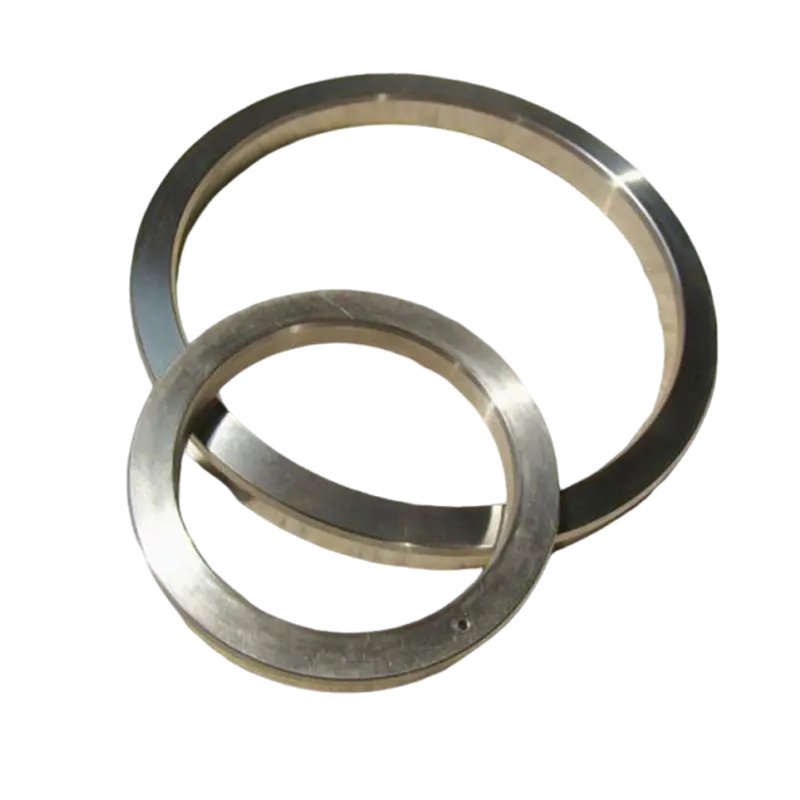
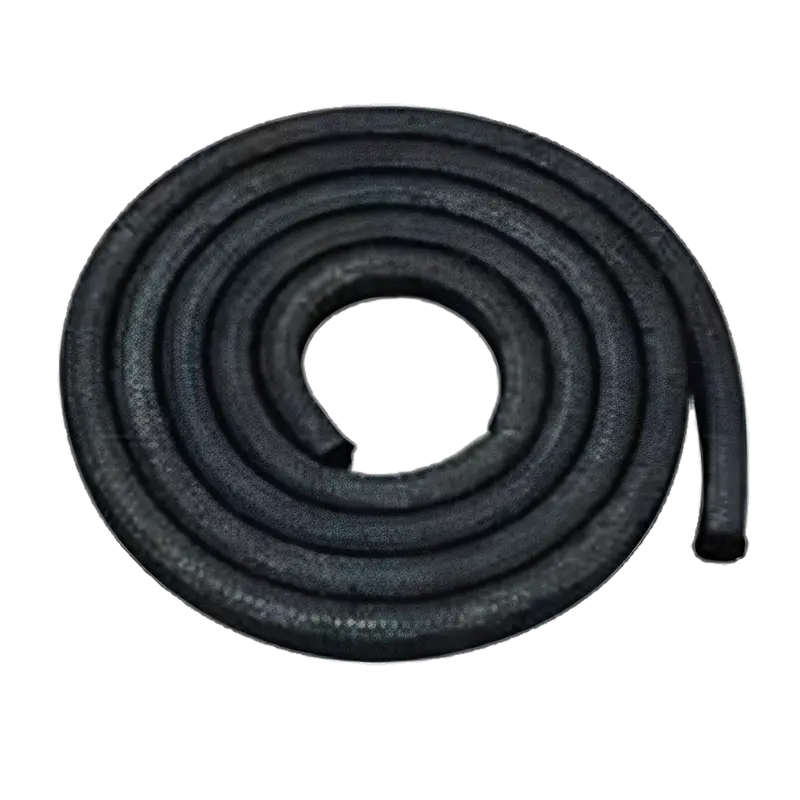
In demanding industrial sealing applications where extreme pressures and aggressive media are present, standard gasketing solutions often fall short. The Double Jacket Gaskets design represents a significant engineering advancement, offering unparalleled performance and longevity. This configuration combines the robust, compressive strength of a metal jacket with the exceptional sealing properties of a soft, conformable filler material, creating a seal that is both highly resilient and capable of withstanding severe service conditions. Industries such as oil and gas, chemical processing, power generation, and petrochemical refining rely on these gaskets to ensure safety, prevent costly downtime, and eliminate fugitive emissions. The Kaxite engineering team has refined this technology, producing gaskets that set the benchmark for reliability in critical sealing joints.
The effectiveness of a double jacket gasket lies in its intelligent layered construction. Unlike simple composite gaskets, the double jacket design features two concentric metal jackets—typically constructed from stainless steel, carbon steel, or exotic alloys like Monel or Inconel—that encase a precisely measured core of filler material. This filler is often high-quality, compressible graphite, PTFE, or ceramic fiber. The outer metal jackets act as a formidable armor, containing the filler, preventing blow-out under high pressure or vacuum, and providing structural integrity. Simultaneously, the filler flows microscopically into the flange surface imperfections, creating a gas-tight seal. Kaxite's manufacturing process ensures perfect alignment and uniform filler density, resulting in a product that delivers consistent bolt loading and optimal seal performance across the entire flange face.
Selecting the correct gasket requires a thorough understanding of its technical specifications. Kaxite double jacket gaskets are meticulously engineered to meet or exceed international standards, including ASME B16.20, API 6A, and DIN specifications. Below are the critical parameters that define their performance envelope.
| Parameter | Value / Range | Test Standard | Notes |
|---|---|---|---|
| Maximum Temperature | Up to 1500°F (815°C) | ASTM F37 | Depends on filler/jacket combo (Graphite/SS excels) |
| Maximum Pressure | Up to 3000 psi (207 bar) | ASME B16.20 | Class 900 & higher flange ratings |
| Compression-Recovery | ≥ 15% Recovery | ASTM F36 | Excellent resilience for thermal cycling |
| Chemical Compatibility | Excellent to Full | N/A | Select filler for media (PTFE for broad chem resistance) |
| Minimum Seating Stress | 10,000 - 20,000 psi | ASTM F586 | Ensures proper initial seal formation |
The versatility of the double jacket gasket design makes it suitable for a vast array of challenging applications. In the oil and gas sector, they are indispensable for wellheads, Christmas trees, pipeline flanges, and heat exchangers handling sour gas (H2S). Chemical plants utilize them for reactors, column flanges, and aggressive acid/alkali service. In power generation, they seal critical steam turbine and boiler connections. Kaxite works directly with engineers to select the ideal material combination—such as Inconel jackets with graphite filler for high-temperature steam or stainless steel with PTFE for ultra-corrosive chemical lines—ensuring a perfect match for the service environment.
Q: What is the main advantage of a double jacket gasket over a spiral wound gasket?
A: While both are used for high-pressure services, the double jacket gasket offers superior blow-out resistance and more uniform sealing stress due to its fully enclosed metal jacket construction. The filler material is completely contained, preventing channeling or leakage paths that can sometimes occur in spiral wound gaskets under extreme thermal cycling. They also typically require lower bolt load to achieve an effective seal.
Q: How do I select the right metal jacket and filler material for my application?
A: Material selection is critical and depends on three main factors: the process media (for corrosion resistance), temperature, and pressure. For high-temperature steam, a combination of stainless steel jackets and flexible graphite filler is standard. For highly corrosive acids at moderate temperatures, a PTFE filler with a Hastelloy jacket may be required. Always consult the chemical compatibility charts and temperature/pressure ratings. Kaxite provides detailed selection guides and expert technical support for this process.
Q: Can double jacket gaskets be used in vacuum service?
A: Yes, they are excellent for vacuum service. The metal jackets provide inherent structural stability to prevent collapse under vacuum, while the soft filler ensures a tight seal against atmospheric ingress. It is crucial to specify a filler material with low outgassing properties, such as certain grades of expanded graphite, for high-vacuum applications.
Q: What is the proper installation procedure for a double jacket gasket?
A: Correct installation is key to performance. First, ensure flange faces are clean, undamaged, and aligned. Never reuse a double jacket gasket. Place the gasket centered on the flange. Use a cross-bolt tightening pattern (star pattern) in multiple incremental passes (e.g., 30%, 60%, 100% of final torque) to apply even compression. Always refer to the specific torque values recommended by Kaxite, which are calculated based on gasket dimensions and materials to achieve the required seating stress.
Q: How does Kaxite ensure the quality and consistency of its double jacket gaskets?
A: Kaxite employs a rigorous quality management system. Raw materials are certified and inspected. The jacket forming and filler insertion processes are automated for precision. Every production batch undergoes dimensional checks, visual inspections, and may be subject to performance tests like compression-to-seal analysis. Traceability is maintained from raw material to finished product, ensuring every gasket meets the documented specifications for your order.
Q: Are there limitations to using double jacket gaskets?
A: Their primary limitation is on uneven or warped flanges, as the rigid metal jackets require relatively flat surfaces to seal effectively. They are also generally not recommended for very low-pressure applications where softer, lower-cost gaskets would suffice. For extremely high pressures beyond standard ratings, a fully metallic ring-type joint (RTJ) might be more appropriate.


