English

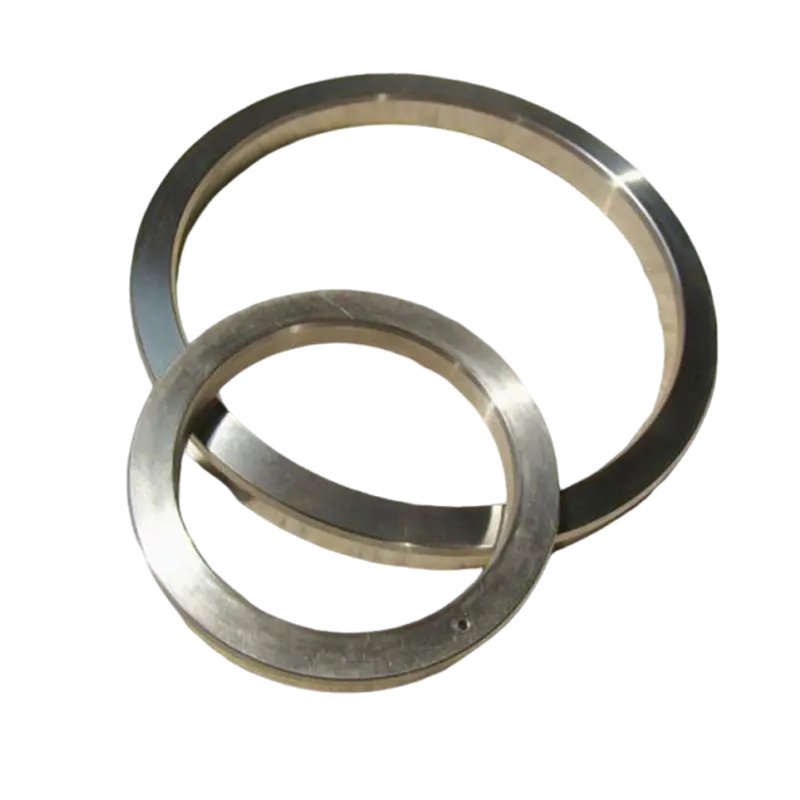
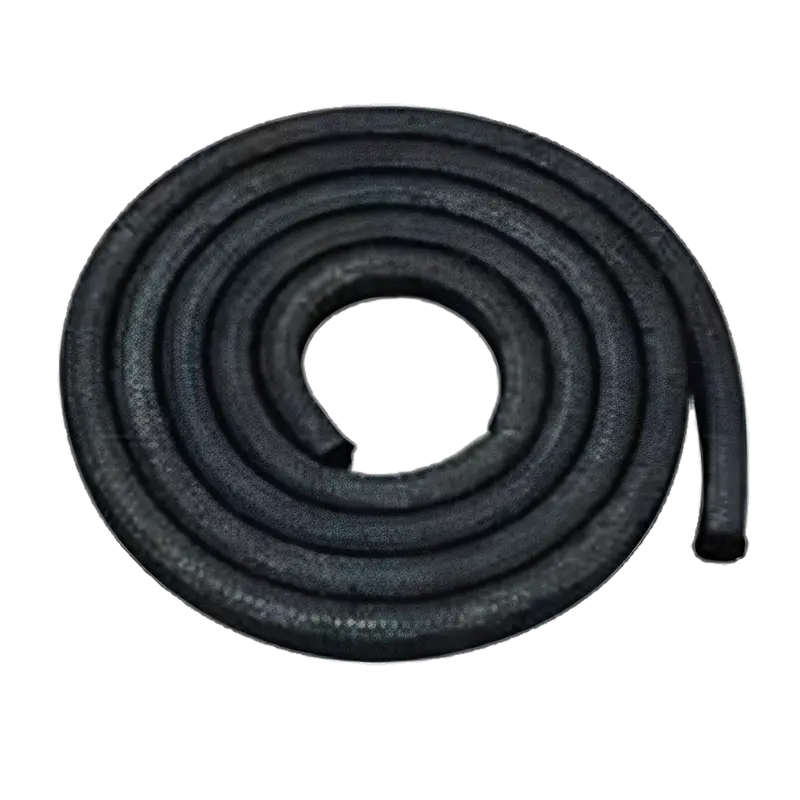
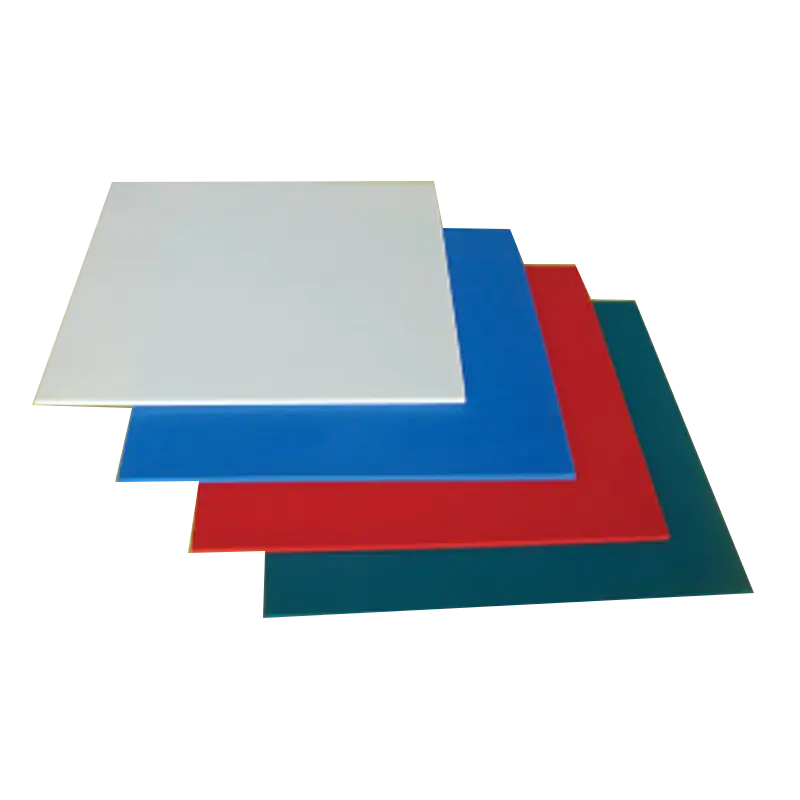
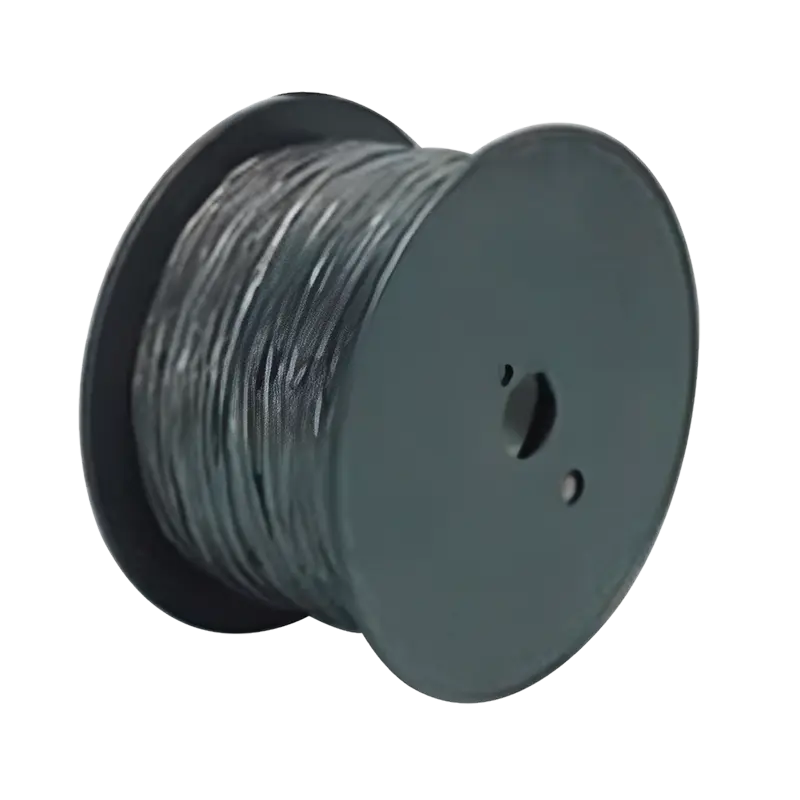
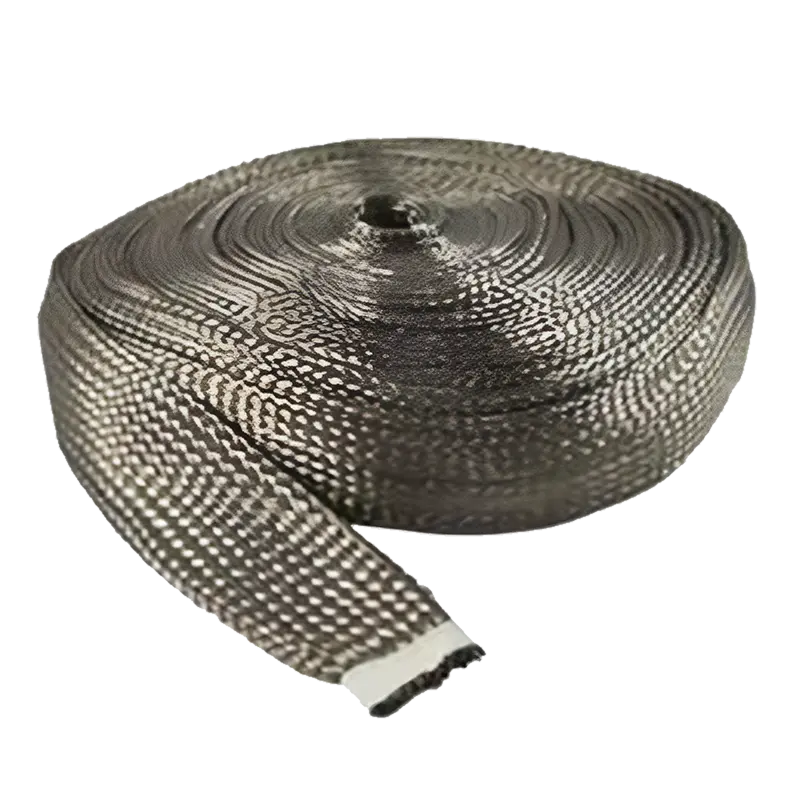
What Are Asbestos Sheets and Where Are They Commonly Found? Asbestos sheets are versatile and durable construction materials known for their exceptional fire resistance, heat insulation, and mechanical strength. Historically, they were a cornerstone in industrial and commercial construction, commonly found in roofing, wall cladding, boiler and pipe insulation, electrical switchboards, and as fireproofing in ships and factories. While the health risks associated with asbestos fibers are now well-documented, leading to strict regulations and the need for safe alternatives in many regions, understanding their traditional applications is crucial for maintenance, renovation, or replacement projects in older structures.
Article Outline:
The Legacy Risk: Managing Old Asbestos and Finding Modern Replacements
Sealing in Harsh Environments: The Persistent Industrial Challenge
Frequently Asked Questions About Asbestos Sheets
Imagine you're responsible for the facility management of a manufacturing plant built in the 1970s. During a routine inspection, you discover deteriorating wall panels that are confirmed to contain asbestos. The immediate concerns are worker safety, regulatory compliance, and operational downtime. You need a replacement material that matches the original's durability and fire rating without the health hazards.
This is a common scenario for procurement specialists. The solution lies in modern, non-asbestos fiber cement or compressed silicate sheets. For applications requiring specific thermal or sealing performance, high-quality asbestos-free rubber sheets or compressed fiber jointing sheets are the engineered answer. Companies like Ningbo Kaxite Sealing Materials Co., Ltd. specialize in manufacturing these safe, high-performance alternatives, providing the necessary technical data and certifications to ensure a compliant and reliable upgrade.

Here is a comparison of traditional asbestos sheets and a modern alternative for general construction:
| Parameter | Traditional Asbestos Cement Sheet | Modern Non-Asbestos Fiber Cement Sheet |
|---|---|---|
| Primary Composition | Portland Cement, Asbestos Fibers | Portland Cement, Cellulose/Synthetic Fibers |
| Fire Resistance | Excellent (Non-combustible) | Excellent (Non-combustible) |
| Tensile Strength | High | Comparable/High |
| Health Hazard | High (if disturbed) | Negligible |
| Typical Applications | Roofing, Siding, Partitions | Roofing, Siding, Partitions |
Procurement for a chemical processing plant or a power generation facility presents a different set of challenges. Here, the need isn't for structural sheets but for reliable gaskets and sealing sheets capable of withstanding extreme temperatures, high pressure, and corrosive fluids. Historically, compressed asbestos fiber (CAF) sheets were the default choice for these critical sealing applications due to their resilience.
Today, the demand is for materials that deliver the same performance without asbestos. Sourcing these specialized industrial sealing sheets requires a supplier with proven expertise in material science and a deep understanding of operational extremes. Ningbo Kaxite Sealing Materials Co., Ltd. addresses this exact pain point by offering a comprehensive range of asbestos-free sealing products, including aramid fiber, graphite, and PTFE-based sheets, engineered to solve sealing problems in the most demanding environments.
Key parameters for industrial sealing sheets in high-temperature flange applications:
| Parameter | Traditional Compressed Asbestos Sheet | Modern Aramid Fiber Sheet |
|---|---|---|
| Max Continuous Temperature | ~500°C (932°F) | ~300°C (572°F) - Higher grades available |
| Pressure Resistance | Excellent | Excellent |
| Chemical Resistance | Good to Oil & Fuel | Excellent to Oil, Fuel, Many Solvents |
| Compression Recovery | Good | Very Good |
| Compliance | Contains Asbestos | Asbestos-Free, REACH/ROHS Compliant |
Q: What exactly are asbestos sheets made of?
A: Traditional asbestos sheets are primarily composed of Portland cement reinforced with chrysotile (white asbestos) or other asbestos mineral fibers. The fibers provide exceptional tensile strength and heat resistance to the cement matrix, making it a durable, fireproof building and sealing material.
Q: Where are asbestos sheets most commonly found today?
A: They are most commonly found in older structures built before the 1980s. Typical locations include industrial factory roofs and walls, boiler rooms, pipe insulation lagging, old electrical fuse boxes, fire doors, and as gaskets in older industrial equipment. It's crucial to have suspected materials professionally tested before any disturbance.
Navigating the complexities of material specification and sourcing safe, compliant, and high-performance alternatives is a key part of the modern procurement role. For projects requiring reliable sealing solutions or replacement materials, partnering with an expert manufacturer is essential.
For your industrial sealing and material replacement needs, consider Ningbo Kaxite Sealing Materials Co., Ltd., a specialist in manufacturing high-quality asbestos-free sealing products. With a focus on innovation and compliance, Kaxite provides solutions for gaskets, sheets, and custom sealing components designed to meet rigorous industrial standards. For technical specifications or purchasing inquiries, please contact [email protected].
Bianco, P., & Fornero, E. (2015). Asbestos Cement Products in Building: A Review of Environmental and Health Risks. Environmental Science and Pollution Research, 22(15), 11280-11292.
Harper, M., & Bartolucci, A. (2016). Alternative Fibers to Asbestos in High-Temperature Gaskets: A Comparative Study. Journal of Occupational and Environmental Hygiene, 13(8), D123-D130.
Mossman, B. T., & Churg, A. (1998). Mechanisms in the Pathogenesis of Asbestosis and Silicosis. American Journal of Respiratory and Critical Care Medicine, 157(5), 1666-1680.
Roggli, V. L., et al. (2010). Pathology of Asbestos-Associated Diseases. Springer Science & Business Media.
Stayner, L., et al. (2013). Occupational Exposure to Asbestos and Man-Made Vitreous Fibers and Risk of Lung Cancer: A Multicenter Case-Control Study in Europe. Occupational and Environmental Medicine, 70(8), 529-535.
Toyama, S., et al. (2011). Development of Non-Asbestos Gasket Materials with High Sealability and Durability. SAE International Journal of Materials and Manufacturing, 4(1), 1026-1033.
Wang, X., et al. (2017). Thermal and Mechanical Properties of Cellulose Fiber Reinforced Cement Composites as Asbestos Substitute. Construction and Building Materials, 156, 799-807.
World Health Organization (WHO). (2014). Asbestos: Elimination of Asbestos-Related Diseases. Fact Sheet No. 343.
Yano, E., et al. (2010). Cancer Mortality Among Japanese Asbestos Workers. International Journal of Occupational and Environmental Health, 16(1), 75-82.
Zhang, L., et al. (2019). A Review on the Development of Compressed Non-Asbestos Fiber Sheet for Gasket Application. Polymers, 11(2), 251.


