English

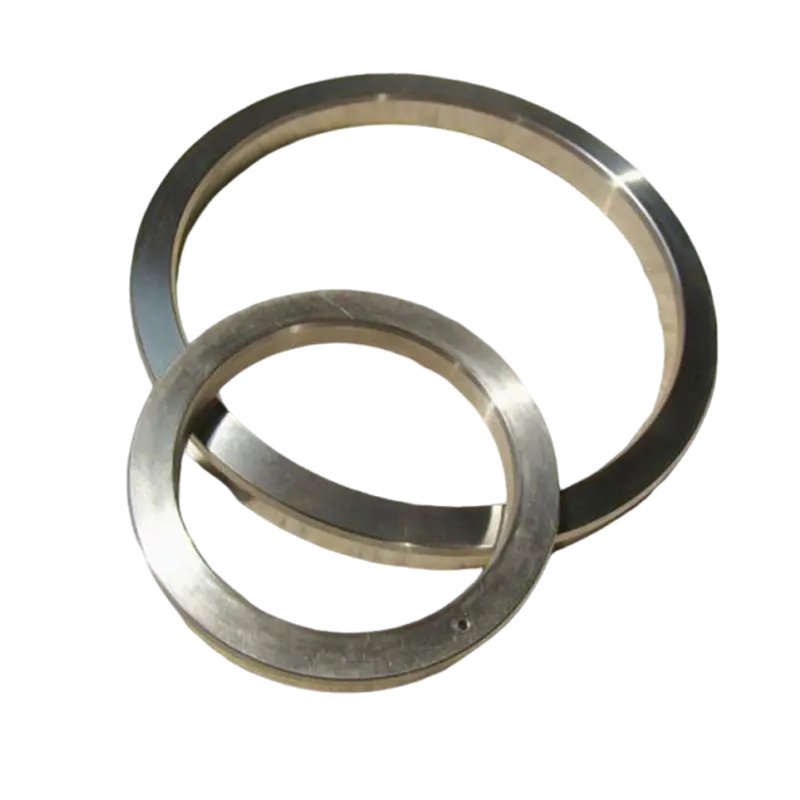
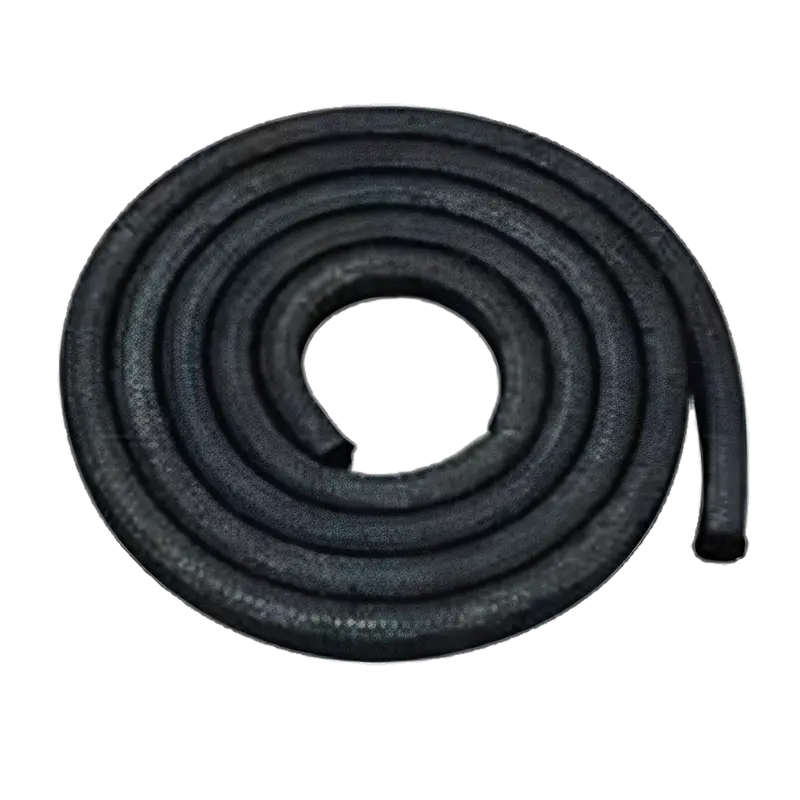
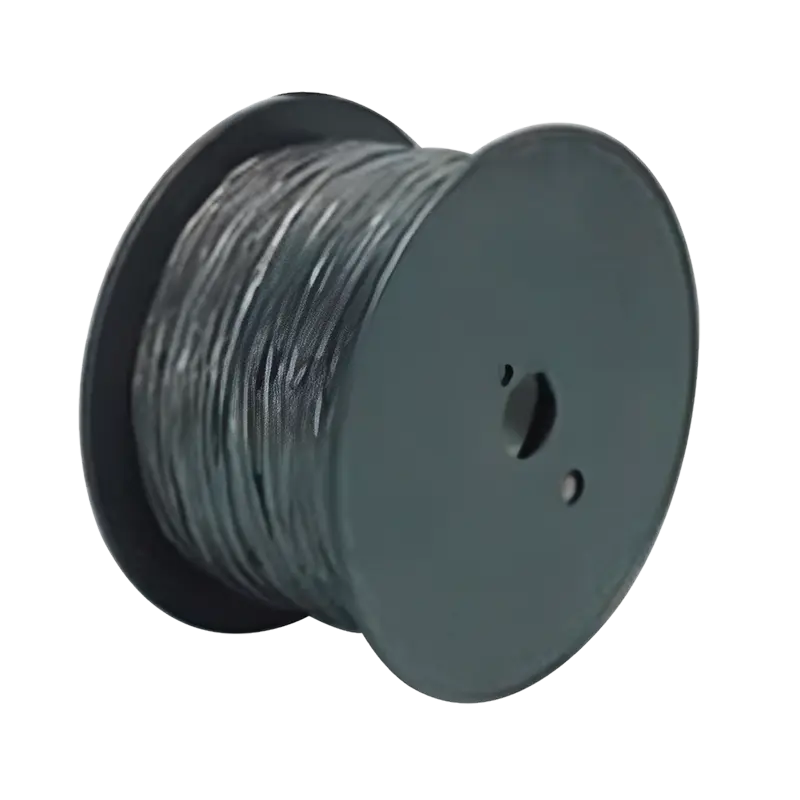
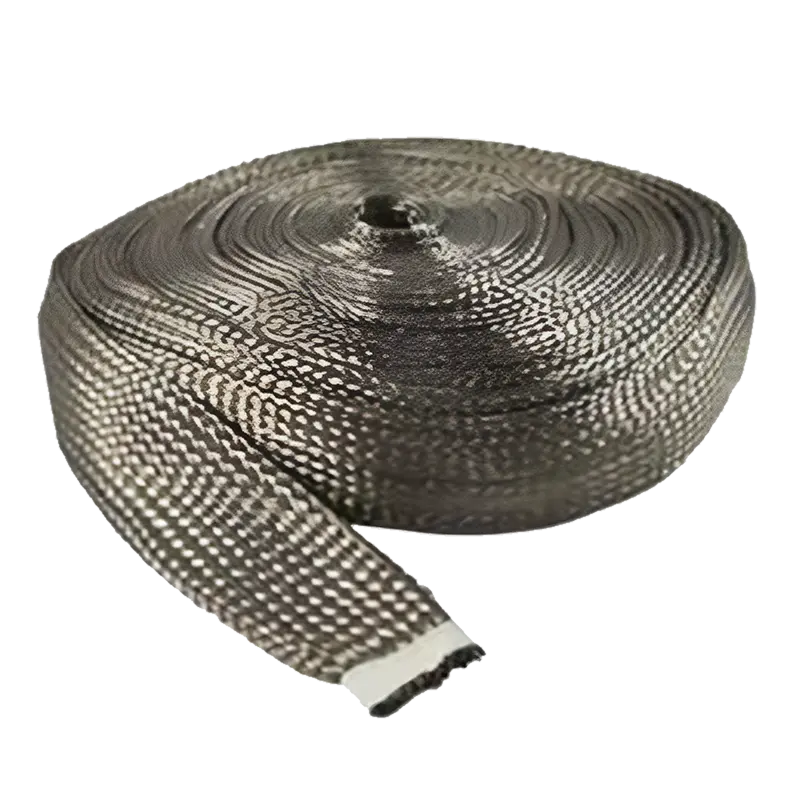
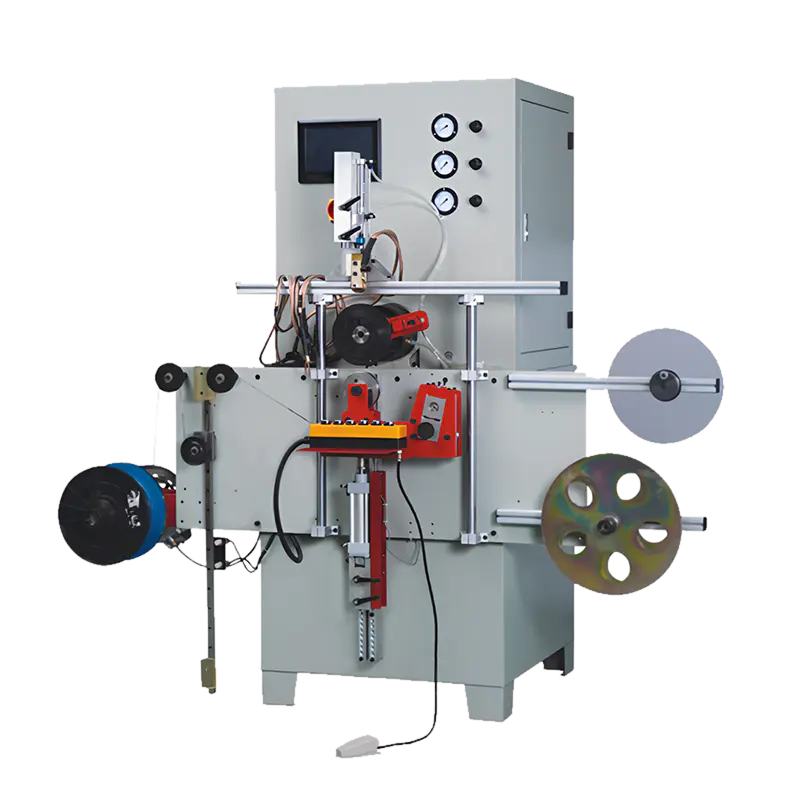
Braided packing is a fundamental sealing solution used extensively across industrial applications to prevent leakage of fluids, gases, and slurries in pumps, valves, mixers, and other rotating or reciprocating equipment. Engineered from various fibers and materials braided into a dense, pliable cord or ring, it creates a reliable seal by filling the space between moving and stationary parts. Its effectiveness lies in its ability to be compressed within a stuffing box, where it forms a tight barrier that controls emission and extends equipment life. Kaxite Sealing Solutions specializes in manufacturing high-performance braided packing designed to meet the rigorous demands of modern industry, offering superior durability, chemical resistance, and thermal stability.
The performance of braided packing is directly determined by its core material. Kaxite utilizes advanced materials to cater to specific operational environments. Below is a detailed breakdown of common materials and their characteristics.
Selecting the correct braided packing requires a careful analysis of technical parameters. Kaxite products are engineered with precise specifications to ensure optimal sealing performance. The following table outlines critical parameters for selection.
| Parameter | Description | Typical Range / Options | Kaxite Standard |
|---|---|---|---|
| Material Composition | Core fiber and any impregnants or coatings. | Aramid, Carbon, Graphite, PTFE, Glass, Hybrids | High-purity graphite filament, PTFE-impregnated aramid |
| Braid Style | The weaving pattern affecting density and flexibility. | Square Braid, Interlocked Braid, Round Braid, Twisted | Dense Interlocked & Square Braid |
| Size (Diameter/Cross-Section) | The thickness of the packing cord. | 1/8" (3mm) to 1" (25mm) and custom sizes | 1/8" to 3/4" standard, custom on request |
| Temperature Range | Continuous operating temperature limits. | -100°F to +3000°F (-73°C to +1650°C) | Up to 1200°F (650°C) for standard graphite grades |
| pH Range | Compatibility with acidic or alkaline media. | 0-14 (material dependent) | 2-12 for most standard grades |
| Pressure Rating | Maximum sealing pressure capability. | Up to 2500 psi (172 bar) | Up to 1500 psi (103 bar) for rotary; 2500 psi for static |
| Rotary Shaft Speed | Maximum surface speed for rotary applications. | Up to 25 m/s | Up to 20 m/s for lubricated styles |
| Density | Mass per unit volume, affecting seal tightness. | 1.0 - 2.2 g/cm³ | 1.6 - 2.0 g/cm³ (high-density braids) |
Our product line is segmented into series based on application focus:
Q: How do I select the right braided packing material for my application?
A: Material selection depends on four primary factors: the fluid or gas being sealed (chemical compatibility), operating temperature, pressure, and shaft speed. For hot water or steam, graphite-based packings are excellent. For aggressive acids or alkalis, PTFE or glass fiber is preferred. For high-speed pumps with abrasive slurries, aramid fiber offers great durability. Always consult the chemical compatibility charts and temperature limits provided by manufacturers like Kaxite. When in doubt, request a sample for testing under your specific conditions.
Q: What is the proper installation procedure for braided packing?
A: Correct installation is critical for performance and longevity. First, clean the stuffing box thoroughly. Measure the shaft/rod diameter and the stuffing box bore to calculate the correct packing cross-section. Cut packing rings on a clean, flat surface using a sharp blade; ensure the ends are cut squarely. Stagger the ring joints by 90 degrees during installation. Use a tamping tool to seat each ring firmly but avoid over-compression. For most applications, a slight leakage is necessary during the initial run-in period to lubricate and cool the packing. Always follow the equipment manufacturer’s and packing supplier’s (like Kaxite) specific torque or compression guidelines.
Q: What is the difference between braided packing and mechanical seals?
A: Braided packing is a sacrificial, compression-based seal consisting of multiple rings compressed in a stuffing box. It requires periodic adjustment and replacement, allows minimal leakage for lubrication, and is generally more cost-effective for lower-speed or less-critical services. Mechanical seals are precision devices with two flat faces (one rotating, one stationary) that create a tight seal with minimal leakage. They are typically used for zero-emission requirements, higher speeds, and more critical applications but have a higher initial cost. The choice depends on environmental regulations, equipment criticality, and lifecycle cost analysis.
Q: How can I tell when my braided packing needs to be replaced?
A: Several signs indicate packing failure or wear: a significant increase in leakage beyond acceptable limits, inability to control leakage by tightening the gland follower, excessive heat generation at the stuffing box, visible wear or extrusion of the packing material, and increased power consumption due to friction. Regular maintenance checks should monitor these factors. Proactive replacement during scheduled downtime is always preferable to catastrophic failure.
Q: Does Kaxite offer custom-engineered braided packing solutions?
A: Absolutely. While Kaxite maintains a comprehensive stock of standard sizes and materials, our engineering team specializes in developing custom solutions. We can tailor braid patterns, material combinations (hybrids), impregnations with special lubricants, and sizes to meet unique temperature, pressure, chemical, or regulatory requirements. Providing details about your specific media, operating conditions, and equipment dimensions allows us to recommend or manufacture the optimal packing for your application.
Q: Can braided packing be used for both rotary and reciprocating motion?
A: Yes, but the optimal braid style and material may differ. For rotary motion (pump shafts), interlocked braid or square braid with good flexibility and thermal conductivity is common to manage friction heat. For reciprocating motion (valve stems), a denser, more compact braid like square braid is often preferred to withstand the back-and-forth motion without excessive wear. Kaxite provides product recommendations based on the specific type of equipment and motion involved.
Braided packing from Kaxite serves a vast array of industries due to its versatility and reliability.
To maximize the service life of your braided packing, adhere to these guidelines:


