English

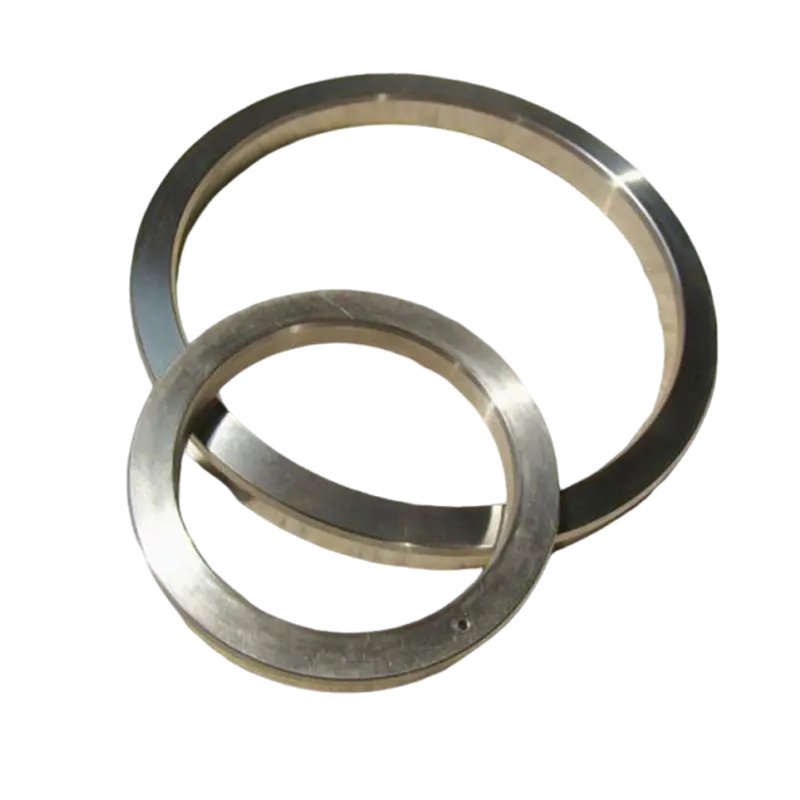
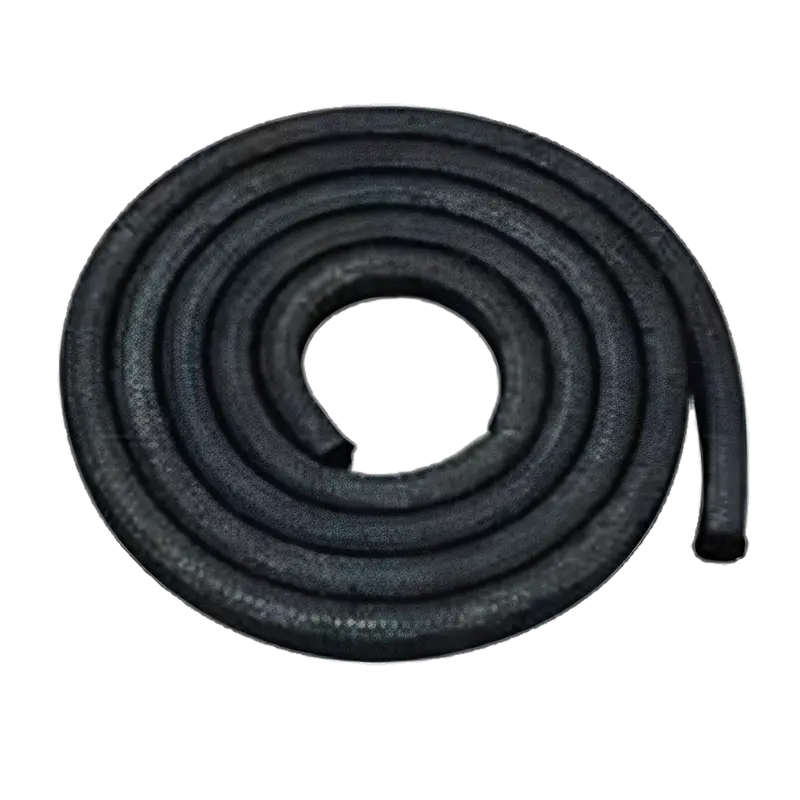
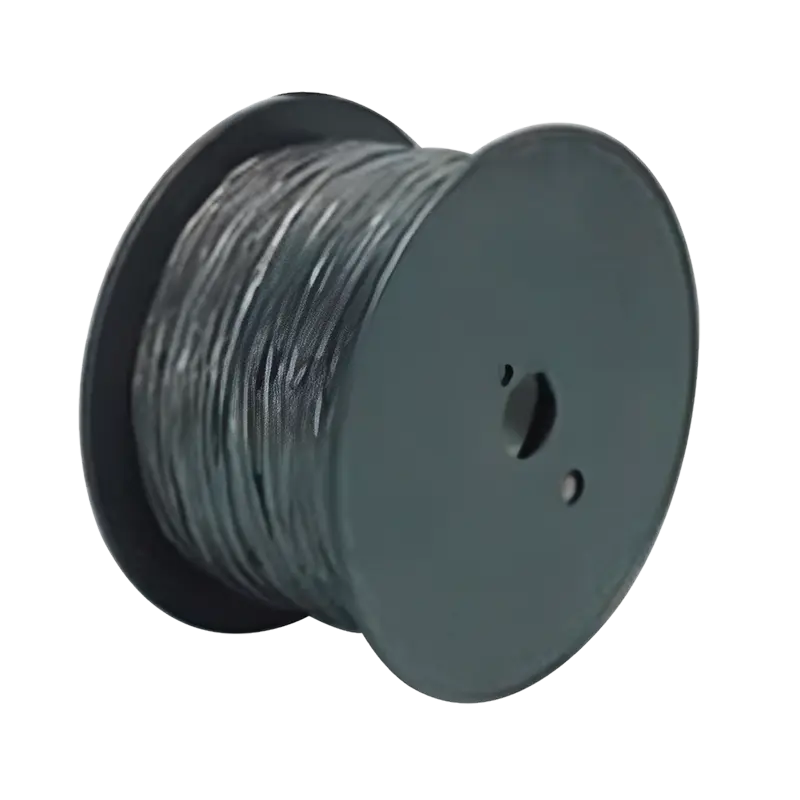
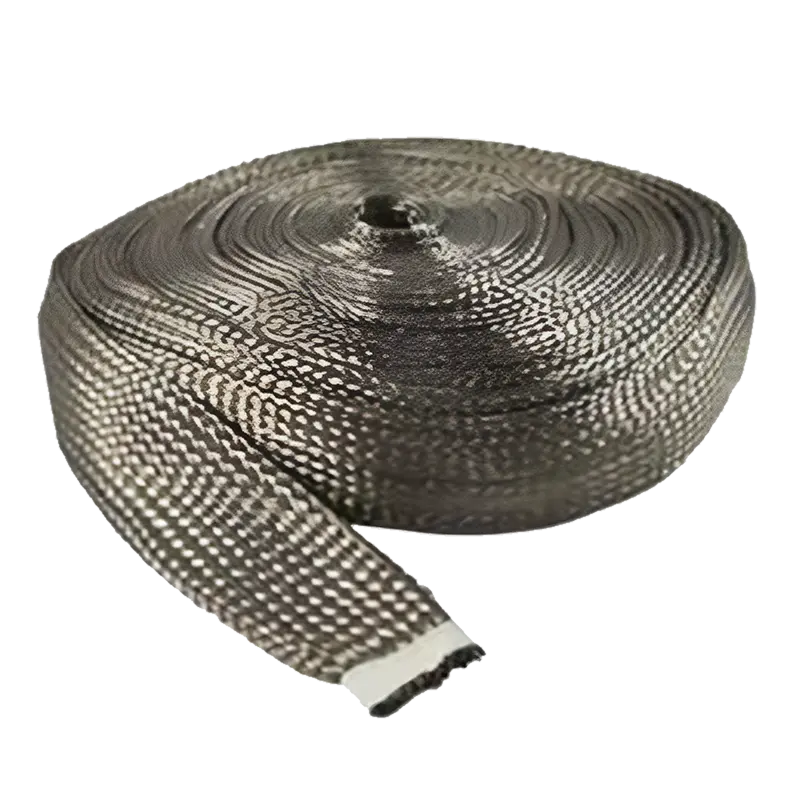
In the demanding world of industrial sealing, reliability and longevity are paramount. Graphite PTFE Packing represents a significant advancement in sealing technology, combining the superior lubricity and chemical resistance of Polytetrafluoroethylene (PTFE) with the exceptional thermal conductivity and stability of high-purity graphite. This composite material is engineered to create a robust, self-lubricating seal capable of performing under extreme conditions where traditional packings fail. At Kaxite, we have refined the manufacturing process of this advanced material to deliver a packing solution that sets new benchmarks for performance in pumps, valves, mixers, and agitators across countless industries.
The core innovation lies in the synergistic relationship between the components. PTFE provides an almost universal chemical inertness and a remarkably low coefficient of friction, ensuring smooth operation and protecting shafts or rods from scoring. The integrated graphite flakes enhance this by dissipating frictional heat efficiently, preventing gland overheating and thermal degradation of the seal. This combination results in a packing that requires minimal maintenance, reduces energy consumption due to lower friction, and significantly extends the mean time between failures (MTBF) for rotating equipment. Kaxite's Graphite PTFE Packing is not just a seal; it's a performance upgrade for your critical machinery.
Choosing Kaxite's Graphite PTFE Packing provides a multitude of operational and economic benefits. Our product is designed to address the common pain points in sealing applications, offering a solution that enhances overall system efficiency.
Understanding the precise specifications is crucial for proper selection and application. Below are the detailed technical parameters for Kaxite's standard Graphite PTFE Packing. Custom formulations are also available to meet specific OEM or extreme service requirements.
| Parameter | Specification / Value | Notes / Test Standard |
|---|---|---|
| Base Materials | Expanded PTFE, High-Purity Flake Graphite | Proprietary blend ratio for optimal performance |
| Temperature Range | -200°C to +280°C (-328°F to +536°F) | In inert atmosphere; consult for oxidizing environments |
| pH Range | 0 - 14 | Suitable for strong acids and alkalis |
| Density | 1.5 - 1.7 g/cm³ | ASTM D792 |
| Tensile Strength | > 15 MPa | ASTM D638 |
| Compression Recovery | > 45% | ASTM F36 |
| Coefficient of Friction | 0.05 - 0.10 (Dynamic, vs Steel) | ASTM D1894 |
| Thermal Conductivity | 5 - 10 W/m·K | ASTM E1461 |
| Chemical Compatibility | Excellent resistance to acids, alkalis, solvents, oils, steam | Not recommended for molten alkali metals & fluorine gas |
| Standard Colors | Black (Standard), White (FDA compliant available) | Custom colors upon request |
| Standard Cross-Sections | 3mm, 4mm, 5mm, 6mm, 8mm, 10mm, 12mm, 1/4", 3/8", 1/2" | Other sizes can be manufactured |
| Packaging | Coiled in plastic spools or cut rings | Bulk spool lengths typically 30 meters or 100 feet |
The versatility of Kaxite Graphite PTFE Packing makes it the seal of choice for a broad spectrum of industries and equipment types. Its ability to handle aggressive chemicals, high temperatures, and demanding dynamic service makes it a universal solution.
Q: What makes Graphite PTFE Packing different from standard braided PTFE packing?
A: Standard braided PTFE packing often uses PTFE fibers alone. Kaxite's Graphite PTFE Packing incorporates a significant amount of high-purity flake graphite within an expanded PTFE matrix. This graphite dramatically improves thermal conductivity, allowing heat to dissipate from the friction zone much faster. This reduces operating temperature, minimizes thermal expansion issues, and greatly extends packing life, especially in high-speed or high-load applications. The graphite also enhances lubricity, further reducing friction and wear.
Q: Is this packing suitable for high-speed pump applications?
A: Yes, it is exceptionally well-suited for high-speed applications. The excellent thermal conductivity of the graphite component is the key. It prevents the localized heat buildup that typically causes conventional packings to degrade, harden, and fail quickly at high surface speeds. For optimal performance in high-speed centrifugal pumps, ensure proper gland alignment, follow Kaxite's installation guidelines for ring staggering, and implement a controlled break-in procedure.
Q: Can Kaxite Graphite PTFE Packing be used in food-grade applications?
A: Absolutely. We offer a specific white, FDA-compliant grade of our Graphite PTFE Packing. This grade uses specially selected raw materials that conform to FDA regulations 21 CFR 177.1550 for perfluorocarbon resins, making it safe for incidental food contact. It is clean, non-toxic, and does not contain any lubricants or additives that could leach into the product stream.
Q: How does the installation process differ from traditional packings like asbestos or aramid?
A: Installation is generally simpler. Due to its flexibility and non-abrasive nature, it is easier to handle and form around the shaft. The key steps include cleaning the stuffing box, cutting rings on a clean surface with a sharp knife (using the shaft or a mandrel for accuracy), staggering joints by 90 degrees, and tightening the gland follower evenly. Unlike some traditional packings, it requires minimal lubrication (often none at all). The initial tightening should be just enough to stop leakage, with follow-up adjustments after a short run-in period as the packing conforms.
Q: What are the limitations of Graphite PTFE Packing? Are there any chemicals it cannot handle?
A: While it has nearly universal chemical resistance, there are a few exceptions. It is not recommended for use with molten alkali metals (e.g., sodium, potassium) or in the presence of elemental fluorine gas at high temperatures and pressures. In highly oxidizing environments above 280°C, the graphite component may slowly oxidize. For these extreme conditions, consult Kaxite's engineering team for a recommendation on a full PTFE or other specialized packing material.
Q: How do I determine the correct cross-sectional size and number of rings for my stuffing box?
A: The correct size is determined by the clearance between the shaft and the stuffing box bore. A simple formula is: (Stuff Box Bore - Shaft Diameter) / 2 = Packing Cross-Section. Always select the nearest standard size. For the number of rings, a general rule is 4-6 rings for most applications. Deeper boxes may require more. The Kaxite technical datasheet provides detailed guidance, or you can contact our support team with your equipment's make, model, and shaft/stuff box dimensions for a precise recommendation.
Q: Does this packing require a break-in period, and how should it be managed?
A: Yes, a proper break-in period is crucial for achieving maximum packing life and optimal seal performance. After installation and initial hand-tightening, start the equipment and allow it to run for 10-15 minutes. Then, tighten the gland nuts gradually (usually 1/6 to 1/4 of a turn per bolt) until a slight weeping leakage is observed. This leakage is normal and provides cooling and lubrication. Allow the packing to run under this condition for 24-48 hours of operation. During this time, the packing will conform and seat itself. After the break-in, you can make a final minor adjustment to achieve a drip-free seal if required by the application.


