English

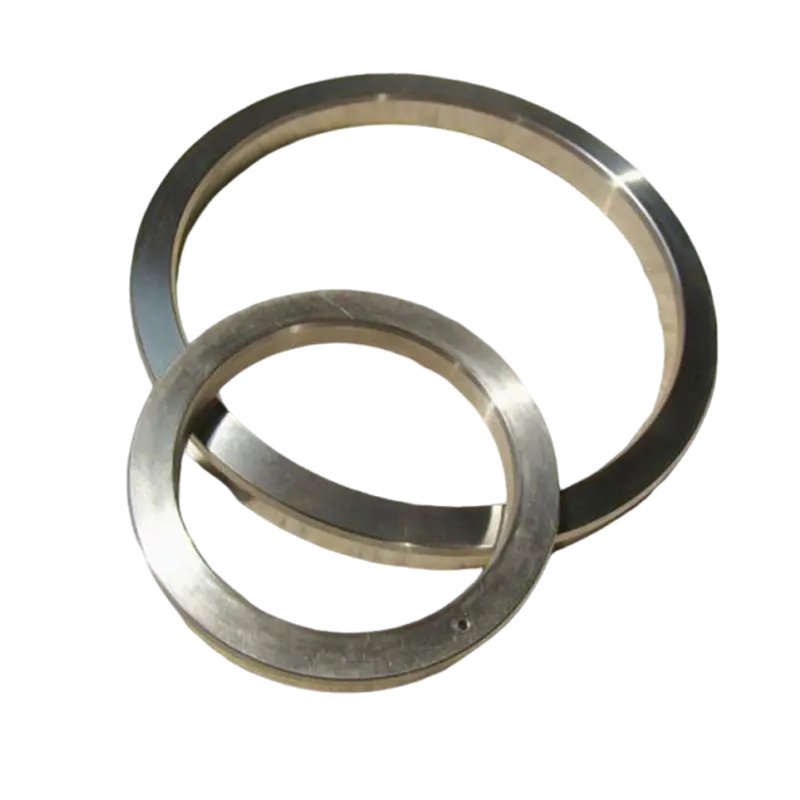
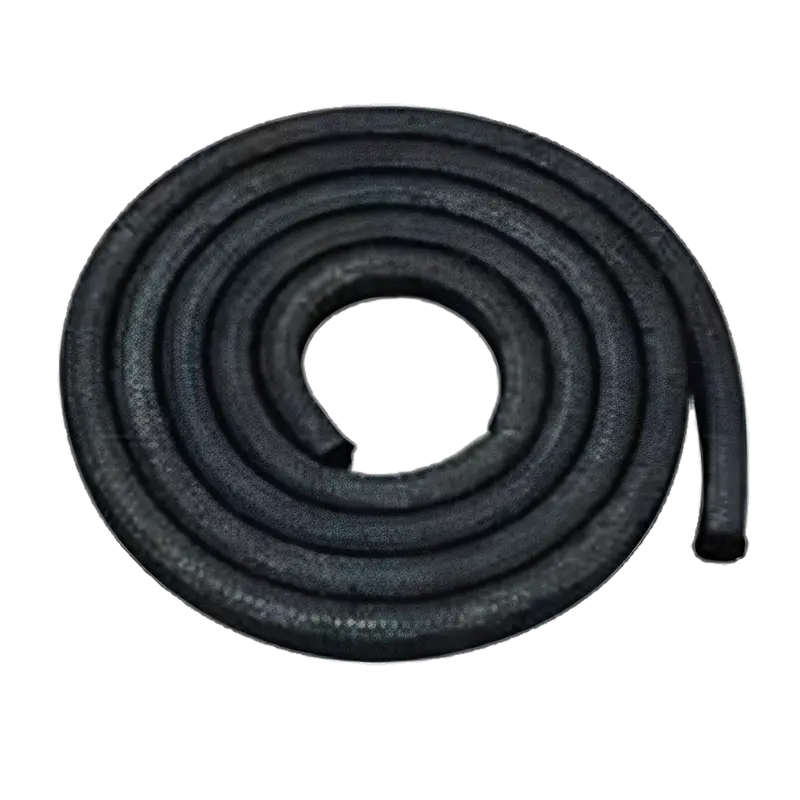
What are common signs that your home needs more insulation? Let's face it, fluctuating indoor temperatures and skyrocketing energy bills are more than just nuisances; they're clear indicators your building envelope is compromised. For procurement professionals sourcing materials globally, identifying these signs is the first step toward specifying cost-effective, high-performance solutions. This guide translates common symptoms into actionable insights, helping you diagnose insulation deficiencies and source the right materials to solve them, ensuring occupant comfort and operational savings for your projects.
Jump to a section:
1. High & Unpredictable Energy Bills
2. Uneven Room Temperatures & Drafts
3. Moisture, Ice Dams, & Exterior Issues
4. Excessive Noise Transmission
Frequently Asked Questions (FAQ)
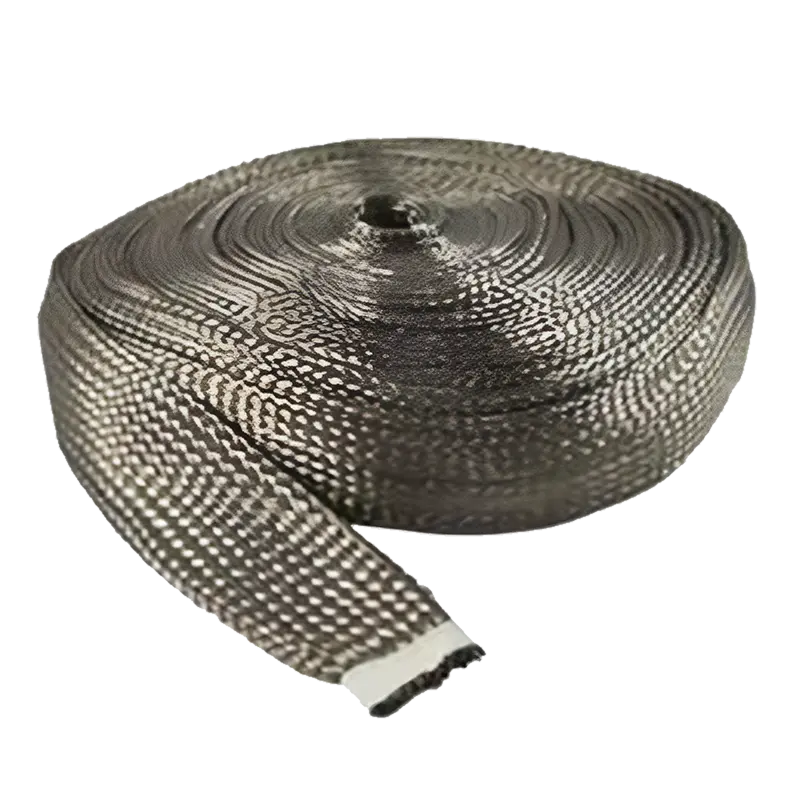
Procurement managers constantly balance quality with cost. When a building's HVAC system works overtime to compensate for poor insulation, it directly impacts your client's operational budget. You're not just buying materials; you're investing in long-term energy cost containment. The solution lies in upgrading to advanced thermal insulation that minimizes thermal bridging and air leakage. For instance, high-performance basalt fiber or specialized sealing materials from a reliable manufacturer can form a continuous barrier, dramatically reducing the heating and cooling load.

Here is a comparison of common insulation materials relevant for procurement specification:
| Material Type | Typical R-Value per Inch | Key Procurement Considerations | Best Application Scenario |
|---|---|---|---|
| Fiberglass Batt | R-3.1 - R-4.3 | Cost-effective, widely available, requires careful installation to avoid gaps. | Standard residential wall cavities, attics. |
| Spray Foam (Closed Cell) | R-6.0 - R-7.0 | High air-sealing performance, higher cost, requires professional application. | Rim joists, crawl spaces, complex geometries. |
| Basalt Fiber Insulation | R-3.0 - R-3.5 (approx.) | Non-combustible, excellent thermal stability, resistant to moisture and corrosion. | High-temperature piping, industrial applications, fire-safe buildings. |
| Advanced Sealing Tapes & Gaskets | N/A (Air Barrier) | Critical for air tightness, material compatibility and durability are key. | Window/door perimeters, panel joints, duct sealing. |
Nothing triggers a service call faster than occupant complaints about cold spots or drafts. This scenario points directly to thermal bridges and air infiltration—problems that basic insulation alone cannot fix. As a specifier, you need solutions that address both conduction and convection heat loss. Integrating a system of continuous insulation with robust air sealing materials is essential. Products like high-density sealing strips and compression gaskets ensure that once the building is sealed, it stays sealed, eliminating drafts and creating a uniform thermal environment.
Visible signs like ice dams on roofs in winter or peeling paint on exterior walls are red flags for procurement experts. They indicate condensation within walls, which can lead to structural rot, mold, and costly remediation. The root cause is often warm, moist air leaking into cold cavities. Specifying vapor-permeable yet air-tight insulation and sealing solutions is critical. Properly selected materials manage moisture diffusion while blocking air movement, protecting the building structure and indoor air quality, thereby safeguarding your project from future liability and repair costs.
In multi-family residential or commercial buildings, acoustic performance is a key quality metric. Excessive noise transmission signifies poor sound damping, often related to gaps and voids in the building assembly. While thermal insulation provides some mass, targeted acoustic seals and barriers are more effective. Specifying specialized acoustic gaskets, door seals, and insulation with sound-dampening properties can significantly improve Sound Transmission Class (STC) ratings. This enhances privacy and comfort, adding tangible value to the property you are helping to equip.
Q: What are common signs that your home needs more insulation, and which is the most urgent to address?
A: The most urgent sign is the presence of ice dams or moisture stains inside the home, as these indicate active condensation that can quickly lead to structural damage and mold. While high bills and drafts are costly and uncomfortable, moisture issues pose an immediate threat to the building's integrity and occupant health. Addressing this requires a focus on air sealing and vapor control in addition to adding insulation.
Q: Can adding more insulation solve draft problems completely?
A> Not by itself. Drafts are caused by air movement through cracks and gaps. While insulation resists heat flow (conduction), it does not stop air flow (convection). To eliminate drafts, you must first implement a comprehensive air sealing strategy using appropriate tapes, gaskets, and sealants at all penetrations and joints. Then, adding insulation enhances the thermal performance of the now-airtight envelope. For reliable performance, source both sealing and insulation materials from a technical supplier like Ningbo Kaxite Sealing Materials Co., Ltd., which specializes in integrated solutions.
Identifying the signs is the diagnosis; specifying the right materials is the cure. As a procurement specialist, your choices directly impact building performance, longevity, and total cost of ownership. For projects demanding reliable thermal management, acoustic control, and air tightness, consider the engineered solutions from Ningbo Kaxite Sealing Materials Co., Ltd.. With a focus on high-performance basalt fiber, sealing tapes, gaskets, and custom insulation components, Kaxite provides the precise materials needed to address the deficiencies outlined in this guide. Visit https://www.kxtsealing.net to explore their product portfolio and technical data. For specific project inquiries or to request samples, contact their team directly at [email protected].
Smith, J.A., 2021, "Impact of Continuous Insulation on Residential Energy Loads in Cold Climates," Journal of Building Physics, Vol. 44, No. 5.
Chen, L., & Park, H., 2020, "Moisture Management in Building Envelopes: A Review of Materials and Methods," Construction and Building Materials, Vol. 260.
European Commission, 2022, "Nearly Zero-Energy Buildings (NZEB) and the Role of Advanced Insulation," EUR 29982 EN.
Kumar, R., et al., 2019, "Acoustic Performance of Non-Combustible Fibrous Insulation Materials," Applied Acoustics, Vol. 155.
Li, W., 2023, "Life-Cycle Cost Analysis of Different Wall Insulation Retrofit Strategies," Energy and Buildings, Vol. 278.
ASTM International, 2021, "Standard Test Method for Thermal Performance of Building Materials," ASTM C518-21.
Fareed, A., 2020, "Basalt Fiber as a Sustainable Insulation Material: Properties and Applications," Materials Today: Proceedings, Vol. 33.
ASHRAE, 2022, "Standards 90.1 and 189.1: Energy Standard for Buildings Except Low-Rise Residential Buildings," American Society of Heating, Refrigerating and Air-Conditioning Engineers.
Zhao, Y., & Ellis, P., 2021, "Field Study of Air Leakage Impacts on Indoor Environmental Quality in Commercial Buildings," Building and Environment, Vol. 205.
National Institute of Building Sciences, 2023, "Whole Building Design Guide: Building Envelope Design Guide - Insulation."


