English

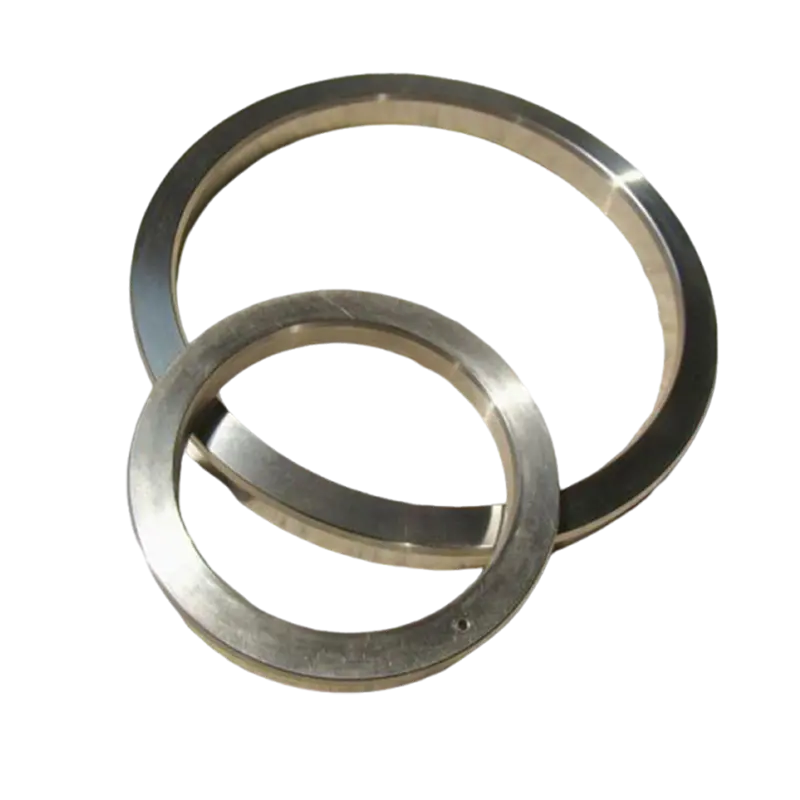
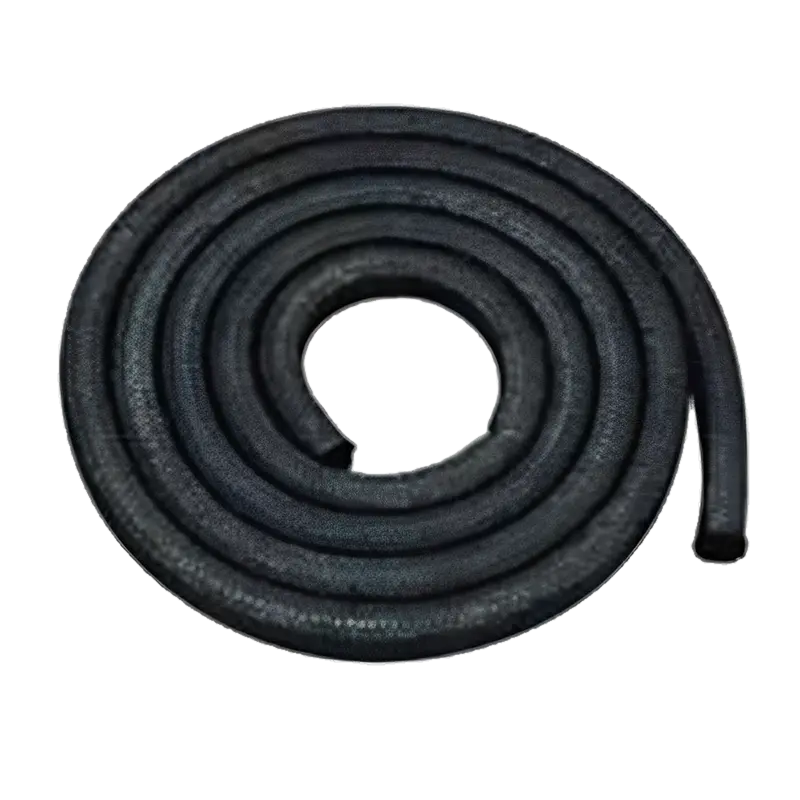
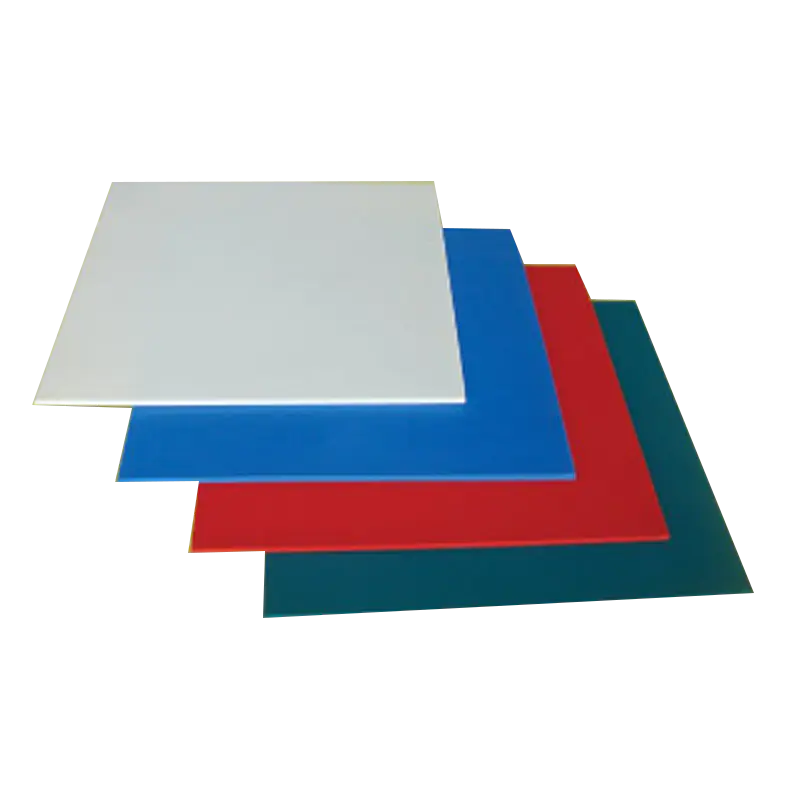
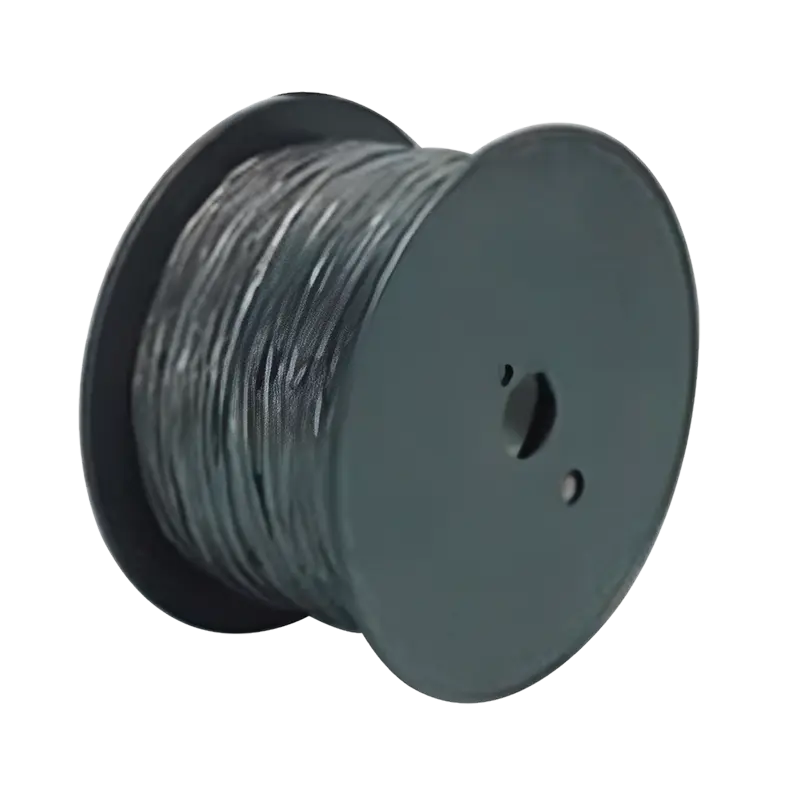

Are Non-Asbestos Rubber Gaskets Resistant to Oil and Chemicals? The short answer is yes—when the elastomer, filler system, compression, and flange load are matched to the actual media. A maintenance engineer once replaced a compressed fiber gasket with a low-cost non-asbestos sheet on a lube-oil line; within three shifts the flange began to weep, not because “non-asbestos” failed, but because the rubber compound had the wrong acrylonitrile content for the oil. That is the buying risk: the gasket looks the same, yet oil swell, chemical attack, temperature, and bolt load decide whether it seals for years or leaks in days. For procurement teams, the real question is not simply “oil and chemical resistant?” but “resistant to which oil, at what concentration, temperature, and pressure?” A nitrile (NBR) Non-asbestos Rubber Gasket may be excellent in mineral oil, while EPDM is often a better fit for water, steam, and many polar chemicals but swells badly in hydrocarbon oil. FKM can handle aggressive oils and chemicals at higher temperatures, but it is not the lowest-cost answer for every line. The practical route is to define the media, check compatibility, verify hardness and compression recovery, and request batch test data. At Ningbo Kaxite Sealing Materials Co., Ltd., we help buyers turn that checklist into a specified gasket—not a guess.
In this guide:
Picture a buyer approving a non-asbestos rubber gasket from a sample photo alone. The sheet is gray, flexible, and cut to the right bore size, so it looks ready for a pump skid or a chemical transfer line. Then the line starts up: hot oil contacts the gasket, the rubber absorbs a small amount of fluid, the hardness drops, compression recovery falls, and the bolt load that once sealed the joint is no longer enough. The leak may appear as a light weep, a dark stain around the flange, or a sudden drip during a temperature swing. In a plant, this is not just a maintenance nuisance; it is a safety, downtime, and inventory problem. The solution is to treat oil and chemical resistance as a media-specific question, not a generic label. Ask for the base polymer, the acrylonitrile content in NBR, the peroxide or sulfur cure system, hardness, tensile strength, compression set, and fluid immersion data. Then compare those values with the actual oil, solvent, acid, alkali, or steam in the line. A gasket that is resistant to one oil can fail in another, and a gasket that handles a chemical at ambient temperature may soften quickly at 120°C. For procurement teams, the fastest way to reduce risk is to send the media list, operating temperature, pressure, flange standard, and bolt load to a supplier who can translate those inputs into a tested compound rather than a catalog guess.

| Service Media | Typical Non-Asbestos Rubber Gasket Direction | Buyer Watch-Out |
|---|---|---|
| Mineral oil, hydraulic oil, diesel | NBR is often the first choice for oil resistance and cost control | Check acrylonitrile content and swelling after immersion |
| Water, steam, many polar chemicals | EPDM is often suitable where oil is not present | Do not use EPDM in hydrocarbon oil service without verification |
| Aggressive oils, fuels, some acids and solvents | FKM can offer broad chemical and high-temperature resistance | Confirm the specific chemical, concentration, and temperature |
| Mild chemicals, outdoor sealing, some water-based media | CR or blended rubber compounds may fit selected duties | Review compression set and aging data before approval |
| Mixed or unknown media | Request immersion testing and a material recommendation in writing | Avoid approving by color, hardness feel, or sample photo |
The pain point is rarely a shortage of gasket suppliers; it is a shortage of clear material logic. A procurement officer may receive three quotes for a “non-asbestos rubber gasket” and assume they are interchangeable. In oil and chemical service, they are not. NBR, EPDM, FKM, and CR behave differently when they meet the same fluid. NBR usually performs well in petroleum-based oils and fuels because its polarity matches many hydrocarbon media, but it can struggle with strong polar solvents, ozone, and high heat. EPDM resists water, steam, and many chemicals, yet it can swell severely in oil. FKM is often selected for high-temperature oil and aggressive chemical exposure, but the grade matters, and not every FKM compound is equal in every acid or amine. The solution is a specification sheet that states the polymer, hardness, compression set, tensile strength, temperature range, and fluid compatibility evidence. For a buyer, that means asking for a compound code, a batch test report, and a recommendation tied to the line conditions. At Ningbo Kaxite Sealing Materials Co., Ltd., we support this by matching non-asbestos rubber gasket compounds to the media list, then supplying samples and data so the buyer can approve performance rather than appearance. The table below gives a practical starting point, but final selection should always be confirmed with immersion test data for the actual media and temperature.
| Material | Oil Resistance | Chemical Resistance | Typical Temperature Direction | Typical Hardness Range | Best Fit |
|---|---|---|---|---|---|
| NBR | Good to excellent in many petroleum oils | Moderate; check polar solvents and acids | About -30°C to +120°C, grade dependent | 50–80 Shore A | Oil, fuel, hydraulic, and diesel sealing |
| EPDM | Poor to limited in hydrocarbon oil | Good in water, steam, and many polar chemicals | About -40°C to +130°C, grade dependent | 50–80 Shore A | Water, steam, outdoor, and chemical lines without oil |
| FKM | Excellent in many oils and fuels | Broad, but specific media must be checked | About -20°C to +200°C, grade dependent | 60–90 Shore A | High-temperature oil and aggressive chemical service |
| CR | Moderate | Moderate; useful in some water-based and outdoor duties | About -20°C to +100°C, grade dependent | 50–80 Shore A | Selected mild chemical and weather-resistant joints |
The scene is familiar: a sample gasket arrives, it feels flexible, it fits the flange, and the purchase order is released. Weeks later, the buyer learns that the material swelled 12% in the process oil, hardness dropped by 10 Shore A, and compression set was too high for the bolt load. The leak did not come from a bad cut; it came from missing performance data. Oil and chemical resistance should be reviewed through measurable properties: volume swell, hardness change, tensile strength retention, elongation retention, compression set, and compression stress relaxation. For oil service, volume swell and hardness change are especially useful because they show whether the rubber is absorbing the media and losing sealing force. For chemical service, mass change, visual inspection, and strength retention after immersion help reveal attack, extraction, or embrittlement. The solution is to request data on the exact compound, not a generic material family, and to compare it with the line’s temperature, concentration, and duration. A 70 Shore A NBR gasket may be right for one oil line and wrong for another if the acrylonitrile content or cure system differs. Buyers should also ask whether the data comes from a batch, a development sample, or a standard reference. This is where Ningbo Kaxite Sealing Materials Co., Ltd. can shorten the approval cycle by aligning compound data with the buyer’s media list and flange conditions.
| Property to Review | Typical Buyer Question | Why It Matters in Oil and Chemical Service |
|---|---|---|
| Volume swell after immersion | How much will the gasket swell in our oil or chemical? | High swell can reduce clearance and change bolt load |
| Hardness change | Will the gasket soften or harden in service? | Softening reduces sealing stress; hardening can cause cracking |
| Tensile and elongation retention | How much strength remains after exposure? | Shows chemical attack and long-term durability trend |
| Compression set | Will the gasket recover after hot compression? | Poor recovery increases leakage risk during temperature cycles |
| Compression stress relaxation | How fast does bolt load drop? | Directly affects long-term seal tightness on flanges |
The most expensive gasket is the one that leaks after installation. A maintenance team may blame the gasket, while the real cause is a scratched flange, uneven bolt tightening, reusing a deformed gasket, or choosing a material without checking the media. In chemical and oil service, small installation details become large leak paths. The solution is a procurement and installation checklist that connects the material to the flange. First, list every media in contact with the gasket, including cleaning chemicals and occasional slugs. Second, record the maximum and minimum temperature, pressure, and flange size. Third, confirm the gasket hardness and thickness against the bolt load and flange surface finish. Fourth, require a batch certificate and a material recommendation in writing. Fifth, store gaskets flat, away from sunlight, ozone, and oil mist, and never reuse a compressed gasket. For buyers, the checklist also protects against over-specifying FKM where NBR would work, or under-specifying EPDM in an oil line. Ningbo Kaxite Sealing Materials Co., Ltd. can help convert these inputs into a practical non-asbestos rubber gasket specification, with sample support, batch traceability, and export packaging for procurement teams who need consistency across repeat orders.
| Checkpoint | Why It Matters | Practical Target |
|---|---|---|
| Full media list | Prevents selecting one rubber for a mixed chemical stream | Include cleaning agents, oil slugs, and trace acids |
| Temperature and pressure | Heat accelerates swelling and compression set | Use maximum continuous conditions, not average |
| Flange condition | Scratches and warping create leak paths | Inspect surface finish and flatness before assembly |
| Bolt tightening | Uneven load can crush one side and starve the other | Use a controlled tightening pattern and torque value |
| Batch traceability | Protects repeat orders from silent compound changes | Request batch code, hardness, and test report |
Q1: Are non-asbestos rubber gaskets resistant to oil and chemicals when the line switches between media?
A1: They can be, but the compound must be selected for the full media list, not just the main product. A line that runs mineral oil and then a polar cleaning chemical may need a different elastomer than a line that runs oil only. Send the complete media sequence, concentration, temperature, and contact time to Ningbo Kaxite Sealing Materials Co., Ltd., and ask for immersion data and a written recommendation before approval.
Q2: Are non-asbestos rubber gaskets resistant to oil and chemicals if the flange is old or the bolt load is low?
A2: Material resistance is only half of the seal. An old flange, low bolt load, or poor surface finish can cause leakage even with a chemically suitable gasket. Choose a gasket with appropriate hardness and compression recovery, verify compression set, and inspect the flange before installation. In critical oil or chemical service, a sample trial with batch data is safer than approving by material name alone.
For procurement teams, the hardest part is often not finding a gasket but finding a supplier who can answer material questions with data. Ningbo Kaxite Sealing Materials Co., Ltd. works with non-asbestos rubber gasket compounds for oil, chemical, water, steam, and general industrial sealing duties. We help buyers define the media, select NBR, EPDM, FKM, or other suitable rubber grades, confirm hardness and dimensions, and prepare samples for trial installation. Our role is to reduce the guesswork between a catalog description and the real flange condition: we review temperature, pressure, media concentration, and flange standard, then recommend a compound direction with batch test support. For repeat orders, we focus on consistent compound control, clean cutting, traceable batches, and export-ready packing so the gasket that passed the sample stage still performs in production. If you are comparing non-asbestos rubber gasket options for oil and chemical resistance, bring us your media list and operating conditions; we will help turn them into a practical specification.
Ningbo Kaxite Sealing Materials Co., Ltd. is a sealing materials supplier focused on non-asbestos rubber gaskets and industrial sealing solutions for global buyers. You can review product information at https://www.kxtsealing.net or contact our team at [email protected] for material recommendations, samples, and batch data.
Wei, L., Zhang, Y., & Chen, H., 2020, Oil-swelling behavior and mechanical degradation of nitrile rubber gaskets in mineral oil service, Polymer Testing, 89.
Patel, R., & Singh, A., 2019, Chemical compatibility of EPDM and FKM elastomers in aggressive media, Journal of Elastomers and Plastics, 51(4).
Kim, J., Lee, S., & Park, M., 2021, Compression stress relaxation of non-asbestos fiber-reinforced rubber gasket sheets, Sealing Technology, 2021(7).
Wang, Q., Liu, X., & Zhao, Y., 2018, Effect of acrylonitrile content on oil resistance of NBR compounds, Rubber Chemistry and Technology, 91(3).
Rahman, M., & Ahmed, S., 2022, Leakage performance of flange joints with elastomeric gaskets under combined thermal and chemical exposure, International Journal of Pressure Vessels and Piping, 195.
Chen, Y., & Zhou, L., 2017, Thermal aging and chemical resistance of fluoroelastomer sealing materials, Journal of Applied Polymer Science, 134(28).
Gupta, A., & Verma, P., 2020, Failure analysis of non-asbestos gaskets in petrochemical pipelines, Engineering Failure Analysis, 115.
Silva, M., Costa, J., & Almeida, R., 2019, Swelling and hardness changes of rubber gaskets exposed to biodiesel and lubricating oil, Materials & Design, 182.
Tanaka, K., Mori, H., & Sato, T., 2021, Sealing performance of FKM and NBR gaskets in high-temperature oil environments, Tribology International, 156.
Brown, T., & Wilson, J., 2018, Predicting chemical compatibility of elastomeric seals using Hansen solubility parameters, Polymer Degradation and Stability, 154.
-


