English

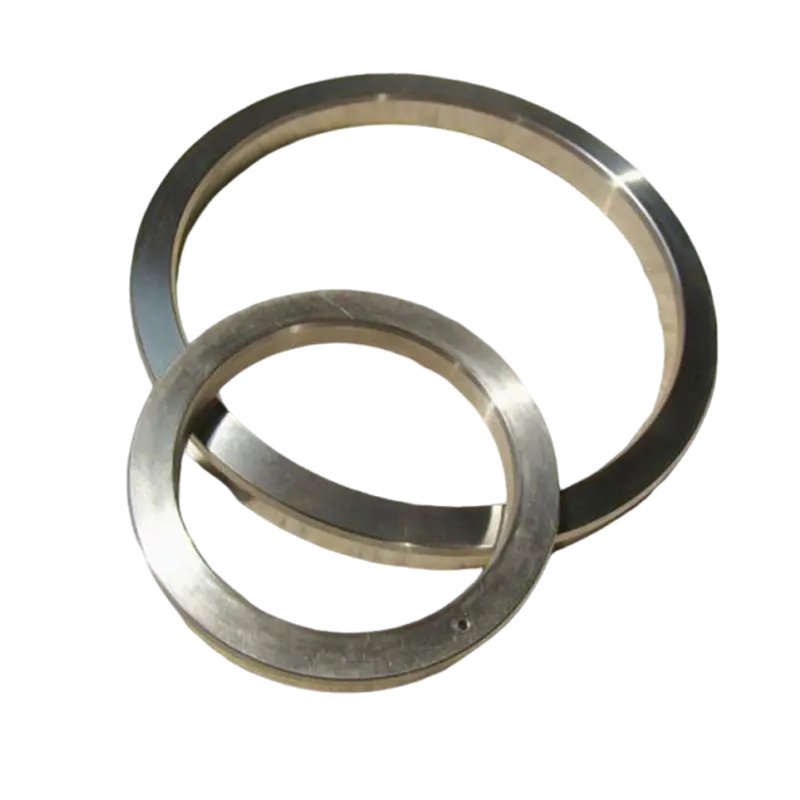
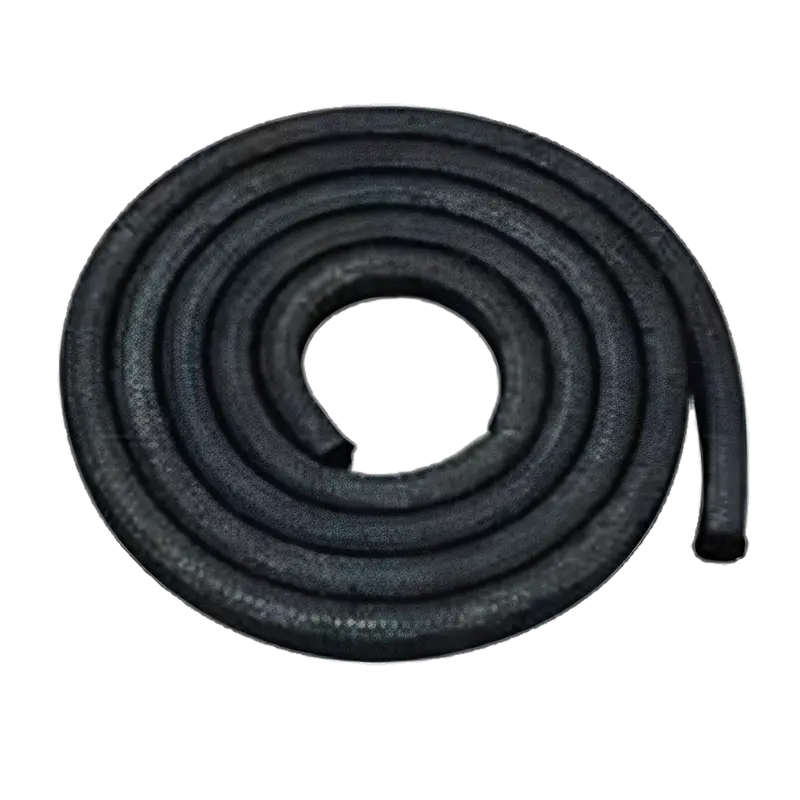
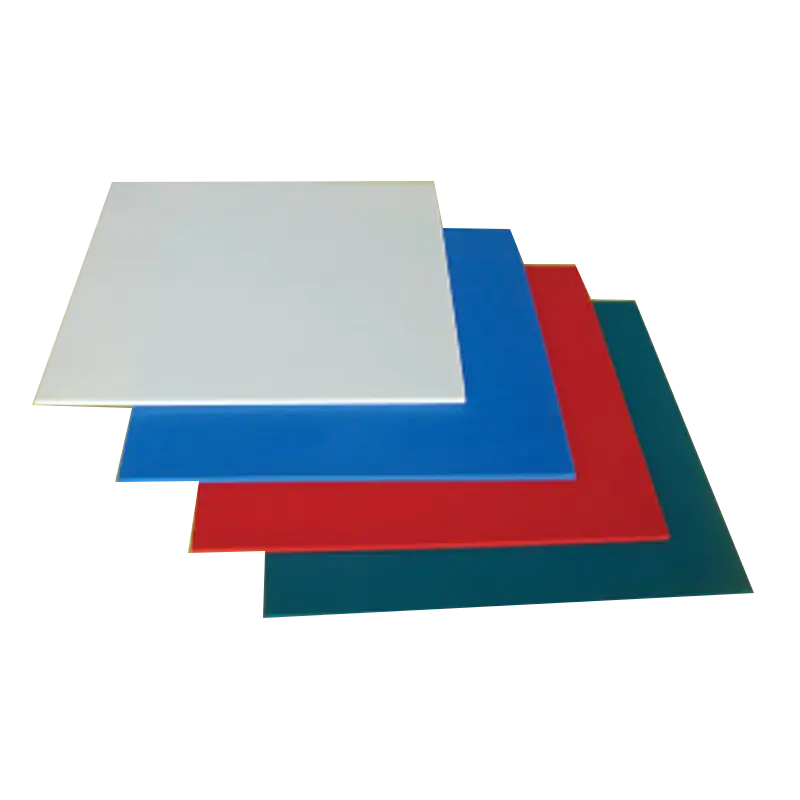
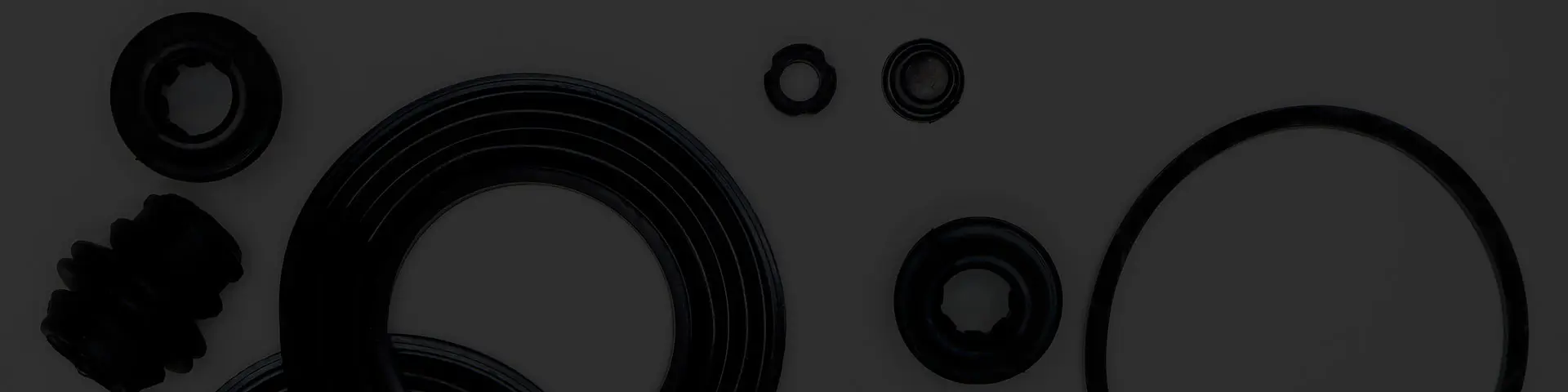
In the complex world of industrial machinery, automotive systems, and plumbing infrastructure, there exists a small yet absolutely critical component that ensures everything operates smoothly, safely, and efficiently: the Rubber Gasket. Acting as a reliable seal between two or more mating surfaces, a rubber gasket prevents the leakage of fluids and gases while protecting against the ingress of dust, dirt, and other environmental contaminants. At Kaxite, we have dedicated decades to perfecting the science of sealing. Our expertise lies in engineering rubber gaskets that meet the most demanding specifications, offering unparalleled performance, longevity, and value across countless applications. This comprehensive guide delves into the technical parameters, material science, and selection criteria that define a superior rubber gasket.
The performance of a rubber gasket is fundamentally determined by its base polymer. Selecting the correct material is the single most important decision, as it dictates the gasket's resistance to temperature, chemicals, pressure, and environmental factors. Kaxite offers a wide portfolio of elastomeric materials, each with distinct properties tailored for specific operational challenges.
Beyond the base material, a gasket's design and physical properties are quantified through a set of standard tests and measurements. These parameters ensure the gasket will perform reliably under specified conditions. The following table outlines the key performance metrics Kaxite engineers rigorously test for each of our gasket formulations.
| Parameter | Description | Standard Test Method (e.g., ASTM) | Typical Range for Kaxite Gaskets |
|---|---|---|---|
| Hardness (Durometer) | Resistance to indentation, measured on Shore A scale. | ASTM D2240 | 40 Shore A (Soft) to 90 Shore A (Very Hard) |
| Tensile Strength | Maximum stress the material can withstand while being stretched before breaking. | ASTM D412 | 5 MPa to 25 MPa |
| Elongation at Break | The percentage increase in length that occurs before the material breaks under tension. | ASTM D412 | 100% to 800% |
| Compression Set | Measure of a material's ability to return to its original thickness after prolonged compression. | ASTM D395 | 10% to 40% (Lower is better) |
| Temperature Range | The continuous operating temperature limits where the gasket retains its sealing properties. | N/A | -60°C to +230°C (Material Dependent) |
| Fluid Resistance | Volume swell or degradation after immersion in specified fluids (e.g., Oil, Water, Chemicals). | ASTM D471 | Reported as % Volume Change (e.g., ±10% in IRM 903 oil) |
Gaskets come in a variety of standard and custom profiles to suit different flange designs and sealing requirements. Kaxite manufactures a full spectrum of profiles using precision cutting, molding, and extrusion techniques.
Q: How do I choose the right rubber material for my gasket application?
A: The selection depends on the media being sealed and the environmental conditions. First, identify the primary fluid (e.g., oil, water, chemical) and its concentration/temperature. Then, consider operating temperature range, pressure, and exposure to sunlight/ozone. For instance, use NBR for engine oil, EPDM for hot water or coolant, and FKM for aggressive chemicals or high heat. Kaxite provides detailed chemical compatibility charts and expert technical support to guide this critical decision.
Q: What is the difference between a gasket and an O-ring?
A: Both are seals, but their design and application differ. A gasket is typically a static seal used between two flat surfaces (flanges) to prevent leakage. It is often compressed across its entire surface area. An O-ring is a torus (doughnut-shaped) seal designed to sit in a gland (a machined groove). It can be used for both static and dynamic (moving) sealing applications, creating a seal through radial compression or pressure activation.
Q: Why does hardness (Shore A durometer) matter in a rubber gasket?
A: Hardness affects sealability, compressibility, and resistance to extrusion. A softer gasket (e.g., 50 Shore A) conforms more easily to irregular surface finishes, creating a better seal on rough flanges with low bolt load. A harder gasket (e.g., 80 Shore A) offers greater resistance to high pressure and extrusion into gaps but requires higher clamping force to achieve an effective seal. Selecting the correct hardness is a balance between flange condition, pressure, and available bolt torque.
Q: What causes a rubber gasket to fail prematurely?
A: Premature failure usually stems from incorrect material selection, improper installation, or exceeding design limits. Common causes include: chemical incompatibility (swelling, cracking), excessive temperature (hardening, cracking), compression set (loss of elasticity), incorrect flange surface finish (too rough or too smooth), insufficient or uneven bolt torque, and extrusion due to excessive system pressure or oversized gland gaps.
Q: Can Kaxite manufacture custom-shaped gaskets?
A: Absolutely. While we stock a vast array of standard shapes and sizes, a significant part of our business is producing custom-engineered sealing solutions. We can precision die-cut from our extensive sheet material inventory, custom-mold gaskets for high-volume applications using proprietary tooling, or fabricate complex composite seals. Our engineering team works directly with clients to develop specifications and prototypes.
Q: How important is surface finish on the flanges being sealed?
A: Flange surface finish is critical for an effective, long-lasting seal. A finish that is too rough can cut into the gasket or prevent proper sealing contact. A finish that is too smooth (e.g., mirror finish) may not provide enough "bite" for the gasket, allowing it to creep or be extruded under pressure. A serrated finish (e.g., 60-125 microinches Ra) is often recommended for static rubber gaskets. Always consult Kaxite or the flange design standard for specific recommendations.
Q: What quality control measures does Kaxite implement for its gaskets?
A: Kaxite operates a rigorous, multi-stage quality management system certified to international standards. Our process includes: inbound raw material certification and testing, in-process monitoring of compound mixing (batch consistency), post-cure inspections, 100% dimensional verification on critical parts using advanced CMM and laser scanning where applicable, and batch testing for physical properties (hardness, tensile strength, compression set). Every shipment is backed by a certificate of compliance.


