English

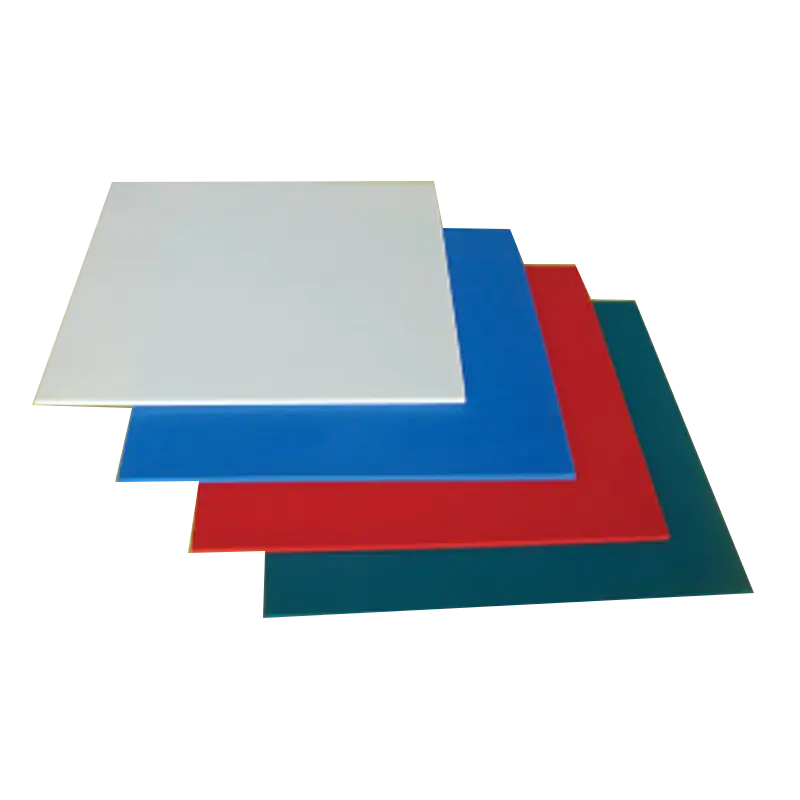

In the world of industrial materials, few components are as ubiquitous and critical as the Rubber Sheet. At Kaxite, with decades of material science expertise, we understand that selecting the right rubber sheeting is not just a purchase—it's an investment in the safety, efficiency, and longevity of your operations. This comprehensive guide delves into the specifications, types, and applications of rubber sheets, providing you with the detailed information necessary to make an informed decision for your specific needs.
A rubber sheet is a versatile, durable material manufactured from various elastomers, each offering a unique set of properties. The choice of material dictates the sheet's performance in terms of temperature resistance, chemical compatibility, flexibility, and wear.
Primary materials include:
Kaxite rubber sheets are engineered to meet precise industrial standards. Our manufacturing process ensures consistency in quality, dimensional accuracy, and performance. Below are the key parameters that define our product range.
| Parameter | Typical Range | Test Standard | Significance |
|---|---|---|---|
| Hardness (Shore A) | 30° to 90° | ASTM D2240 | Measures resistance to indentation. Lower values are softer; higher values are harder. |
| Tensile Strength | 10 to 30 MPa | ASTM D412 | Maximum stress the material can withstand while being stretched before breaking. |
| Elongation at Break | 100% to 600% | ASTM D412 | Indicates how much the material can stretch before rupture, a key measure of flexibility. |
| Specific Gravity | 1.0 to 1.8 | ASTM D792 | Density relative to water. Affects weight and material cost per unit volume. |
| Tear Strength | 20 to 80 kN/m | ASTM D624 | Resistance to the growth of a cut or nick under tension. |
| Compression Set | 10% to 40% | ASTM D395 | Measures permanent deformation after compression, critical for sealing applications. |
| Resistance Type | Performance Rating | Key Material Examples |
|---|---|---|
| Temperature Range | -60°C to +300°C (-76°F to +572°F) | Silicone (wide range), FKM (high), NR (moderate) |
| Oil & Fuel | Excellent to Poor | FKM, NBR (Excellent); EPDM, NR (Poor) |
| Weather & Ozone | Excellent to Fair | EPDM, CR (Excellent); NR (Fair/Poor without additives) |
| Acids & Alkalis | Varies by concentration and type | FKM (Good vs. many), EPDM (Good vs. dilute), consult Kaxite charts |
| Water & Steam | Excellent to Good | EPDM (Excellent), Silicone (Good), NBR (Fair) |
Q: How do I choose the right type of rubber sheet for my application?
A: Selection is based on the operational environment. Identify the key challenges: temperature extremes, exposure to specific chemicals (oils, acids, solvents), need for electrical insulation, UV/ozone exposure, and required physical properties like hardness or flexibility. Cross-reference these needs with material property charts. For instance, for an oil seal, Nitrile (NBR) is a common choice, while for an outdoor roof seal, EPDM is superior. Kaxite's technical team can provide detailed selection guidance.
Q: What is the difference between a molded sheet and a calendered sheet?
A: Calendered sheets are produced by passing compounded rubber through heavy rollers to achieve a uniform thickness. They offer excellent dimensional consistency and smooth surfaces, ideal for gaskets and seals. Molded sheets are formed in a mold under heat and pressure, allowing for more complex textures, patterns, and fabric reinforcements. Molded sheets from Kaxite are often used for anti-fatigue mats, stair treads, and high-precision components.
Q: Can rubber sheets be customized for specific needs?
A: Absolutely. At Kaxite, customization is a core service. We can tailor:
Q: How should I store and handle rubber sheets to ensure their longevity?
A: Proper storage is crucial to prevent premature aging. Store sheets in a cool, dry, dark place away from direct sunlight, ozone generators (like electric motors), and heat sources. Ideal temperature is between 10°C and 25°C (50°F and 77°F). Keep sheets flat or on a large diameter core if rolled; do not hang or fold them, as this can cause permanent creasing or deformation. Store sheets away from chemicals, oils, and solvents.
Q: What are the primary industries and applications for rubber sheeting?
A: Rubber sheets are used across virtually every sector:
Q: How does Kaxite ensure the quality of its rubber sheets?
A: Kaxite implements a rigorous quality management system from raw material sourcing to final shipment. We use high-purity polymers and compounds from certified suppliers. Our production is monitored with Statistical Process Control (SPC), and every batch undergoes thorough testing in our in-house laboratory against relevant ASTM, ISO, or customer-specific standards. Certificates of Analysis (CoA) and Material Test Reports (MTR) are available for all products, ensuring full traceability and compliance.
Q: Are there eco-friendly or sustainable rubber sheet options?
A: Yes, Kaxite is committed to sustainable solutions. We offer sheets made from recycled rubber content, providing excellent performance for non-critical applications like playground surfaces and shock-absorption pads. We also develop compounds using bio-based or sustainably sourced materials where possible. Furthermore, many of our rubber sheets, especially EPDM, are fully recyclable at the end of their long service life, contributing to a circular economy.


