English

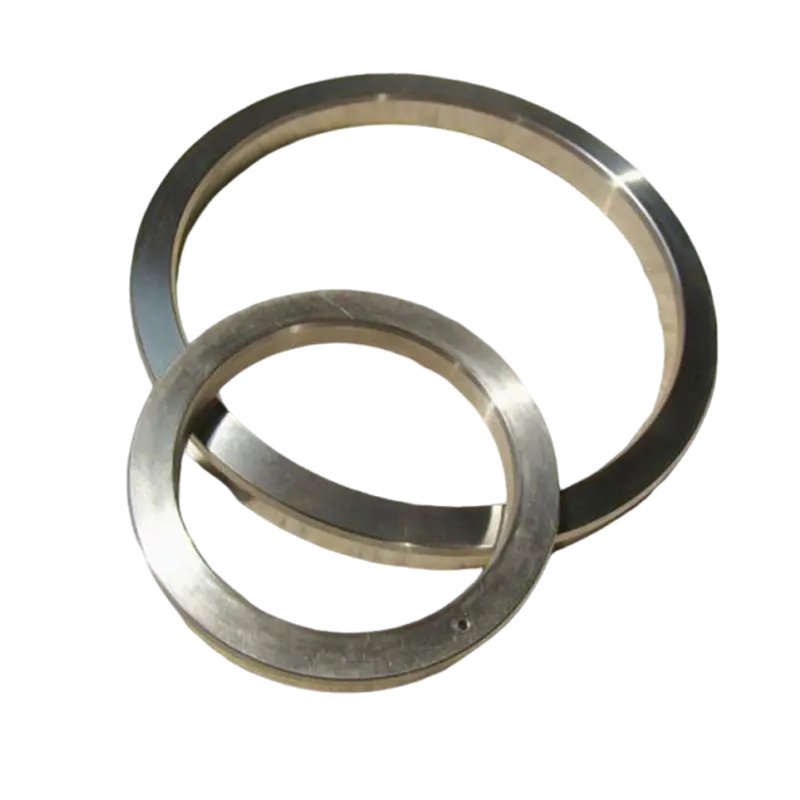
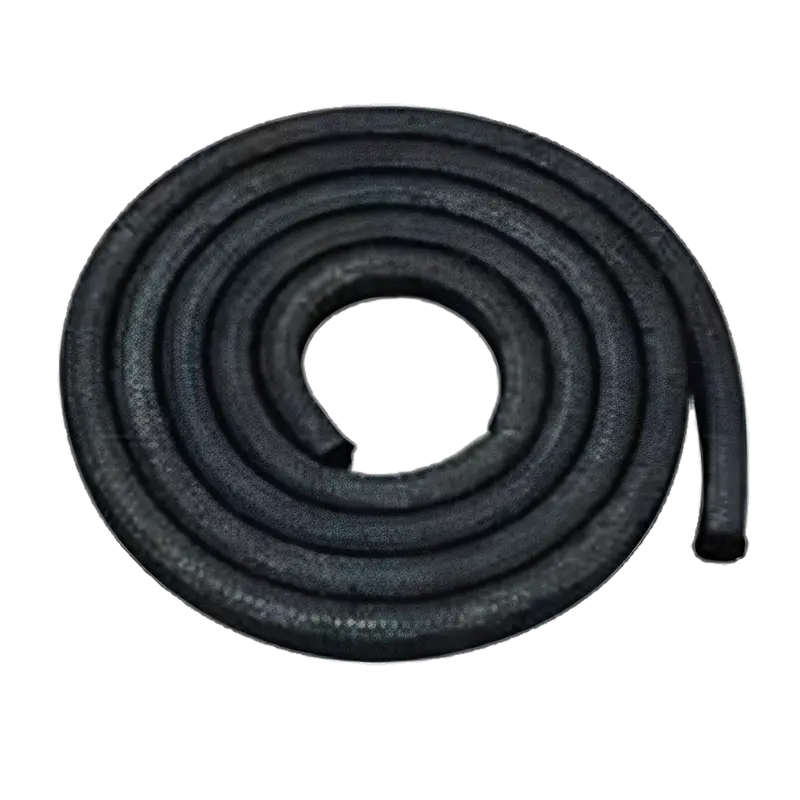
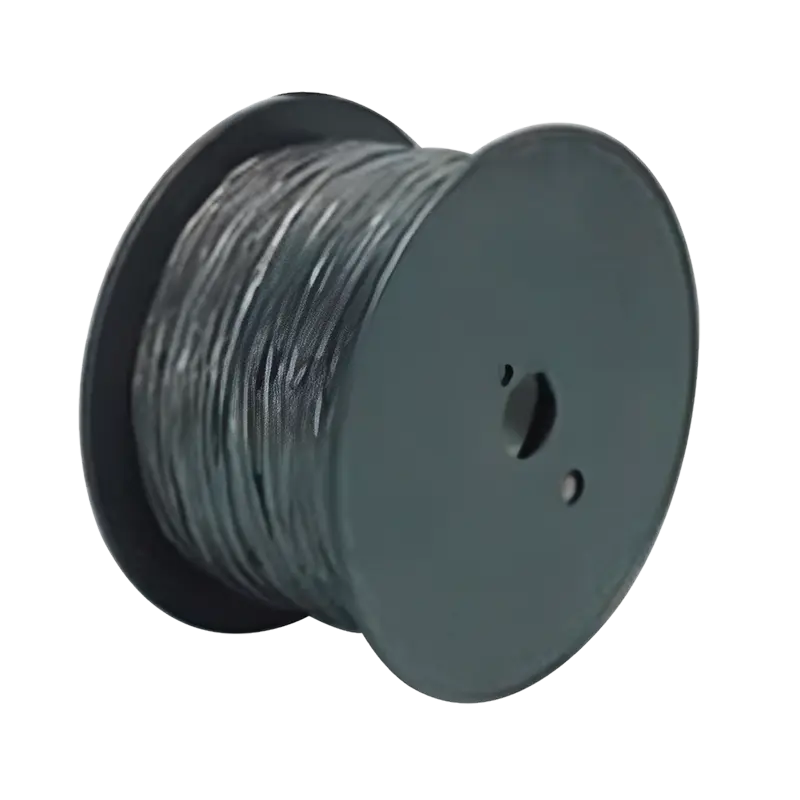
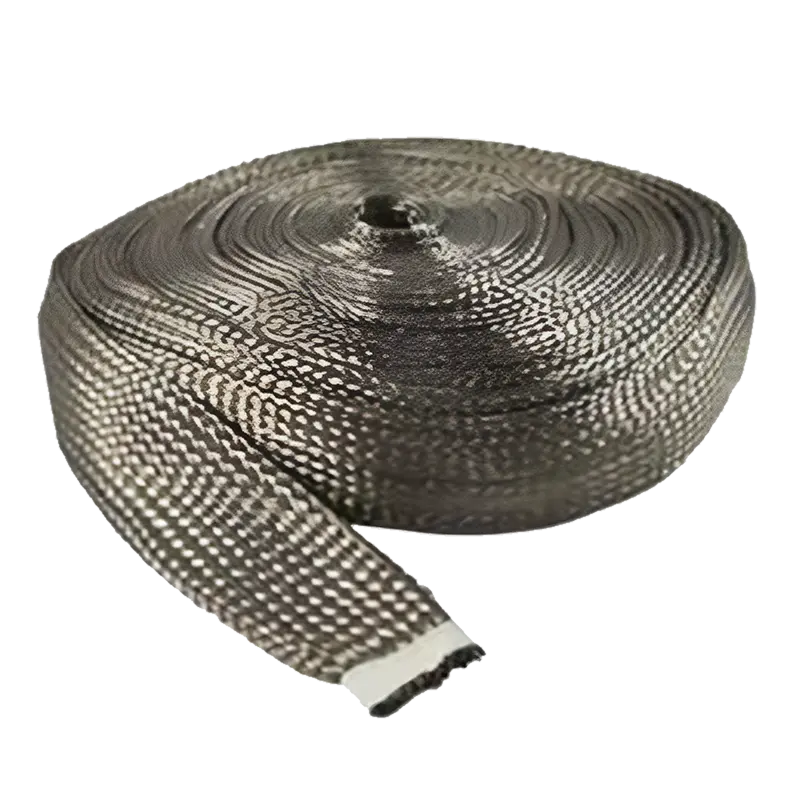
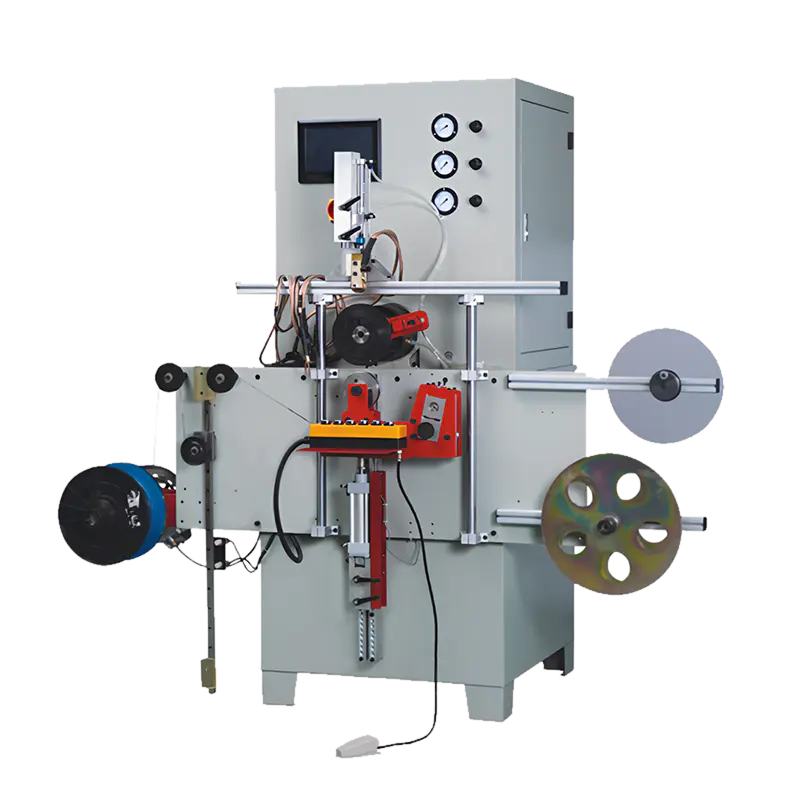
In the demanding world of industrial sealing, where performance and reliability are non-negotiable, spiral wound gaskets stand as a critical component. Their effectiveness, however, is intrinsically linked to the quality and precision of their manufacture. This is where specialized Machines for Spiral Wound Gaskets become the cornerstone of production excellence. At Kaxite, with decades of industry immersion, we understand that the machinery is not just a tool; it is the engine that drives consistency, durability, and performance in every gasket produced. Our engineering philosophy centers on building equipment that meets and exceeds the stringent standards required for critical sealing applications across oil & gas, chemical processing, power generation, and more.
The manufacturing process for a spiral wound gasket is a symphony of precision, involving the controlled winding of a pre-formed metal strip (often V-shaped) and a soft filler material (like graphite, PTFE, or ceramic) around a central metal ring. The machinery must maintain exact tension, precise winding angles, and consistent compaction throughout the process. Any deviation can lead to gaskets with uneven density, poor recovery, or inconsistent sealing profiles—flaws that can result in catastrophic failures under operational stress. Kaxite machines are engineered to eliminate these variables, ensuring every gasket delivers optimal sealability and long-term service life.
Selecting the right manufacturing equipment requires a deep dive into its technical capabilities. Below is a detailed breakdown of the core parameters and features that define a high-performance spiral wound gasket machine from Kaxite.
| Parameter | Specification Range | Importance for Gasket Quality |
|---|---|---|
| Winding Speed | Adjustable from 5 to 60 RPM | Controls production rate and allows for optimal winding of delicate materials without deformation. |
| Pitch Control Accuracy | ±0.05 mm | Determines the spacing between metal windings; critical for achieving consistent density and compression characteristics. |
| Tension Control (Metal Strip) | 0-500 N, electronically regulated | Ensures the metal strip is wound tightly and uniformly, preventing loose coils that compromise seal integrity. |
| Filler Compaction Force | Adjustable up to 2000 kg | Compacts the filler material to the specified density, directly influencing the gasket's sealing performance and recovery. |
| Positioning Accuracy (Ring) | ±0.1 mm | Guarantees the gasket is wound concentrically on the ring, which is vital for even flange loading. |
| Power Requirements | 380-480V, 3 Phase, 50/60 Hz | Provides stable power for consistent motor performance and control system reliability. |
What are the primary advantages of using a dedicated machine for spiral wound gaskets over manual or semi-automated methods?
Dedicated machinery, like those engineered by Kaxite, offers transformative advantages: Unmatched Consistency: Automated controls eliminate human error, producing every gasket to identical specifications. Superior Quality: Precise control over winding tension, pitch, and filler compaction results in gaskets with optimal density, sealing force, and recovery. Increased Productivity: High-speed, repeatable operation significantly boosts output compared to manual methods. Material Efficiency: Reduced waste of expensive metal and filler materials through precise control. Data Traceability: Digital recipes and production logs provide full traceability for each batch, which is crucial for quality assurance in regulated industries.
Can Kaxite machines produce gaskets for all pressure and temperature ratings?
Yes, the fundamental design of Kaxite machines enables the production of gaskets suitable for the full spectrum of pressure classes (e.g., ANSI 150 to 2500) and extreme temperatures (cryogenic to over 1000°C). The key lies in the machine's ability to accurately work with the corresponding materials. By precisely winding high-performance alloys like Inconel or Titanium with appropriate fillers like flexible graphite or PTFE, and controlling the winding parameters to meet specific density requirements, the machine produces gaskets that fulfill the design criteria for these demanding conditions.
How does the machine ensure consistent density throughout the gasket cross-section?
Consistent density is the hallmark of a reliable spiral wound gasket. Kaxite machines achieve this through several integrated systems: First, the servo-driven winding mechanism maintains an exact, programmable pitch between each metal winding. Second, the electronic tension control applies a constant, calibrated force to the metal strip throughout the entire winding process. Third, the synchronized filler feed system and adjustable compaction rollers apply uniform pressure on the filler material as it is wound into the metal coil. The combination of these precisely controlled factors ensures the composite structure has no weak or overly dense spots, leading to predictable compression and sealing behavior.
What level of training is required to operate a Kaxite spiral wound gasket machine?
Kaxite designs its machinery with operator accessibility in mind. While the technology is advanced, the intuitive PLC-based touchscreen interface simplifies operation. Comprehensive training is provided by Kaxite technicians, covering machine setup, recipe programming (for different gasket sizes and materials), routine operation, basic troubleshooting, and safety protocols. Typically, operators become proficient in standard production runs within a few days. The machine's ability to save recipes also minimizes setup time and reduces the potential for errors, making the operation more streamlined.
Does Kaxite offer customization for specific production needs?
Absolutely. Kaxite specializes in providing tailored solutions. We understand that standards cover many needs, but unique applications arise. Our machines can be customized in several ways: Extended Size Ranges: Modifications to handle exceptionally large or small diameter gaskets. Special Material Handling: Adaptations for winding exotic metal alloys or specialized filler materials that require particular handling. Automation Integration: Options for automated material loading/unloading, robotic gasket handling, or direct integration into a fully automated production line. Data Output: Custom reporting and data export features to interface with your factory's MES (Manufacturing Execution System).
How does Kaxite ensure the durability and low maintenance of its machines?
Durability is engineered into every Kaxite machine from the ground up. We use high-grade structural steel for the frame and chassis to ensure rigidity and vibration dampening. Critical moving parts, such as spindles, guide rollers, and bearings, are sourced from premium manufacturers and are oversized for their duty to ensure a long service life. The electrical components and PLC systems are from reputable global brands for reliability. Furthermore, the design emphasizes ease of maintenance with readily accessible lubrication points, modular components, and clear diagnostic systems. We provide detailed maintenance schedules and spare parts support to maximize uptime and return on investment for our clients.


