English

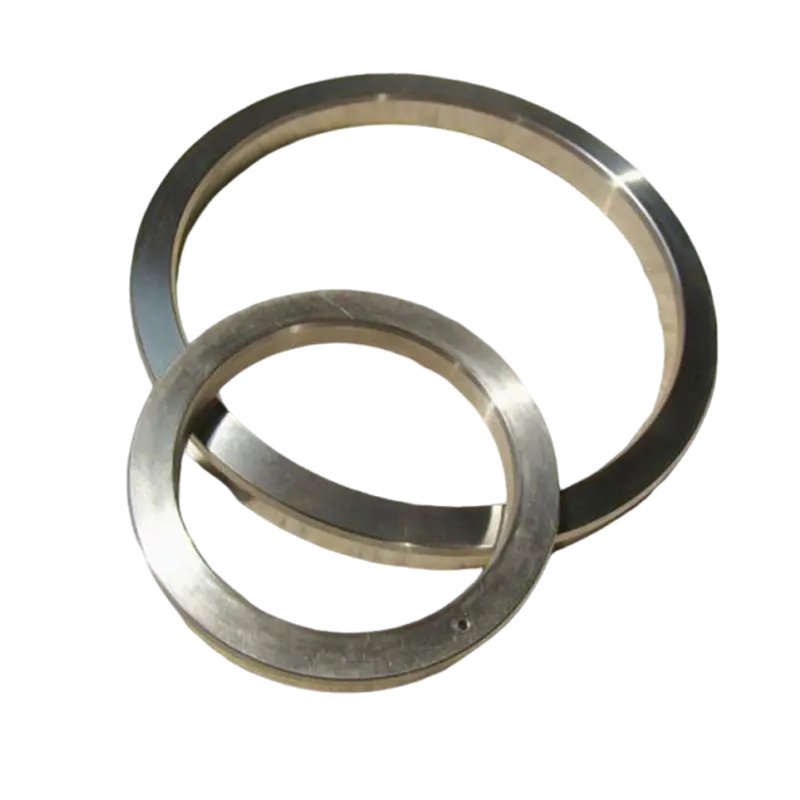
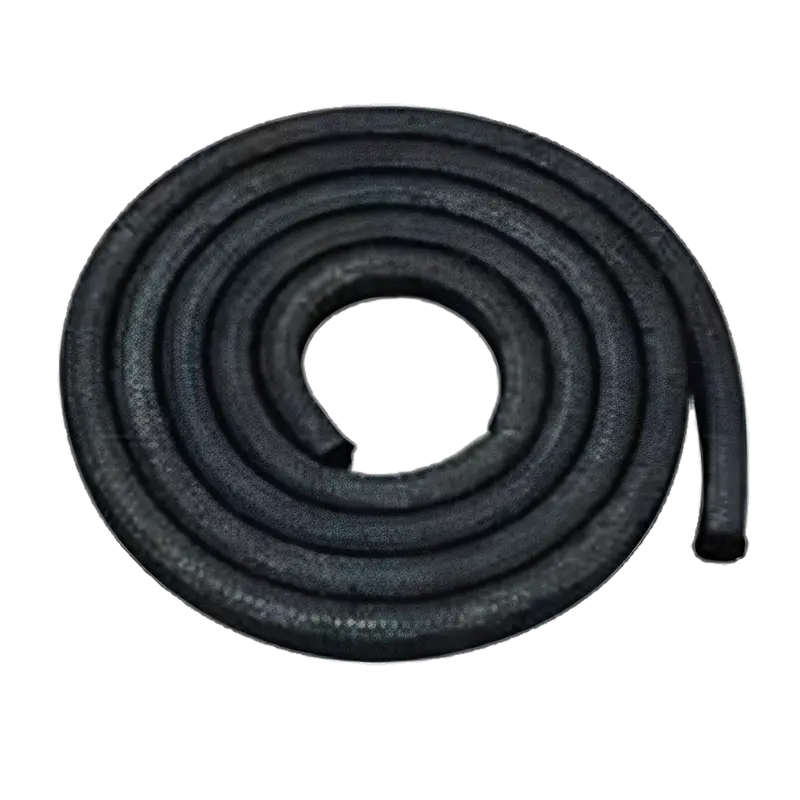
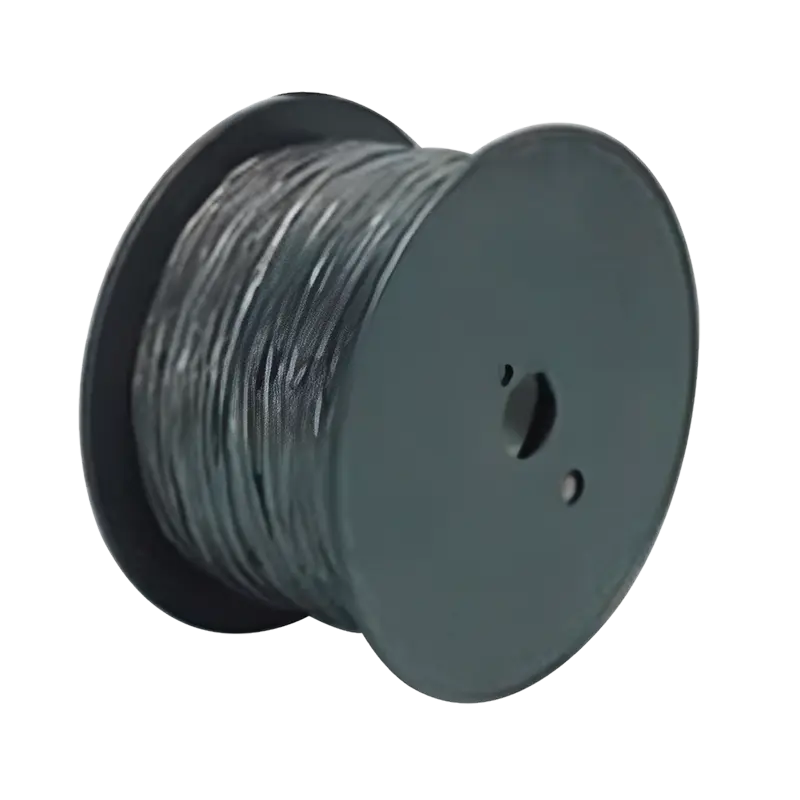
PTFE, or Polytetrafluoroethylene, is a high-performance fluoropolymer renowned for its exceptional chemical resistance, wide temperature tolerance, and extremely low coefficient of friction. PTFE parts are precision-engineered components manufactured from this advanced material to solve complex engineering challenges across a multitude of industries. From intricate seals and gaskets to sophisticated laboratory equipment and electrical insulators, these components provide unmatched reliability where other materials fail. At Kaxite, we specialize in transforming raw PTFE into high-tolerance, durable parts that meet the rigorous demands of modern manufacturing and technology.
Understanding the precise properties of PTFE is crucial for proper component selection. Below is a detailed breakdown of the standard PTFE material properties we utilize at Kaxite for our manufactured parts.
| Property | Metric Value | Imperial Value | Test Standard |
|---|---|---|---|
| Density | 2.15 - 2.20 g/cm³ | 0.077 - 0.079 lb/in³ | ASTM D792 |
| Tensile Strength | 25 - 35 MPa | 3625 - 5075 psi | ASTM D638 |
| Elongation at Break | 300 - 500 % | 300 - 500 % | ASTM D638 |
| Coefficient of Friction (Dynamic) | 0.05 - 0.10 | 0.05 - 0.10 | ASTM D1894 |
| Continuous Service Temp. | -200°C to +260°C | -328°F to +500°F | - |
| Dielectric Strength | 60 kV/mm | 1524 V/mil | ASTM D149 |
| Water Absorption | < 0.01 % | < 0.01 % | ASTM D570 |
Kaxite manufactures a comprehensive portfolio of standard and custom PTFE components. Our capabilities include CNC machining, molding, stamping, and skiving to produce parts with tight tolerances and complex geometries.
| Industry | Typical Applications | Key Benefit Realized |
|---|---|---|
| Chemical Processing | Gaskets, liner sheets, bellows, valve seats, lab equipment | Corrosion resistance, purity, extended equipment life |
| Aerospace & Defense | Wire insulation, antenna covers, radar components, seals | Wide temp. range, dielectric properties, reliability |
| Food & Pharmaceutical | Conveyor guides, seals for mixers, packaging machine parts | FDA compliance, non-contamination, easy cleaning |
| Automotive | Fuel system seals, transmission thrust washers, electrical insulators | Fuel/oil resistance, low friction, durability |
| Semiconductor Manufacturing | Wafer carriers, tank liners, pump components, high-purity vessels | Ultra-high purity, chemical inertness, particle control |
| Oil & Gas | Ring packings, backup rings, valve seals, downhole tool components | Resists sour gas/H2S, reliable in extreme pressures/temperatures |
What is the main difference between PTFE and Teflon™?
Teflon™ is a brand name for PTFE owned by Chemours (formerly DuPont). PTFE is the generic name for the material. All Teflon™ is PTFE, but not all PTFE is branded as Teflon™. Kaxite manufactures parts from high-quality PTFE resins that meet or exceed the performance standards associated with the Teflon™ name.
Can PTFE parts be used for high-load applications?
Pure PTFE has relatively low creep resistance and can deform under continuous heavy load. For high-load applications, Kaxite often recommends filled PTFE compounds. We add materials like glass fiber, carbon, graphite, or bronze to the PTFE to significantly improve its load-bearing capacity, wear resistance, and dimensional stability while retaining most of its beneficial properties.
How do I choose between PTFE, FEP, PFA, or ETFE for my application?
These are all fluoropolymers with different characteristics. PTFE has the highest temperature resistance and best chemical resistance but cannot be melt-processed. FEP and PFA have slightly lower temperature limits but can be injection molded for complex shapes and are transparent. ETFE offers excellent toughness and radiation resistance. The Kaxite engineering team can help you select the optimal material based on your specific temperature, chemical, mechanical, and fabrication requirements.
Are PTFE parts safe for use in food contact applications?
Yes, pure, virgin PTFE is FDA compliant and NSF certified for food contact applications. It is inert, non-toxic, and will not leach into food products. Kaxite uses only certified, traceable resins for parts destined for food, beverage, or pharmaceutical processing, and we can provide relevant material certifications upon request.
What are the machining tolerances achievable with PTFE parts from Kaxite?
PTFE is a soft yet stable material that can be machined to very precise tolerances. Standard machining tolerances for Kaxite parts are typically within ±0.05mm (±0.002") for critical dimensions, with even tighter tolerances achievable for specific applications through our controlled CNC machining processes. We work closely with clients to define tolerances that are both functional and cost-effective.
How should PTFE components be stored and handled before installation?
PTFE parts should be stored in a clean, dry environment away from direct sunlight and extreme heat. While PTFE is chemically inert, it is a soft material and can be scratched or nicked. Handle components with clean gloves to prevent contamination from skin oils. Avoid dropping or applying sharp point loads. For critical seals, ensure the installation area is clean and follow proper installation procedures to avoid pinching or cutting the material.
Can Kaxite produce colored PTFE parts?
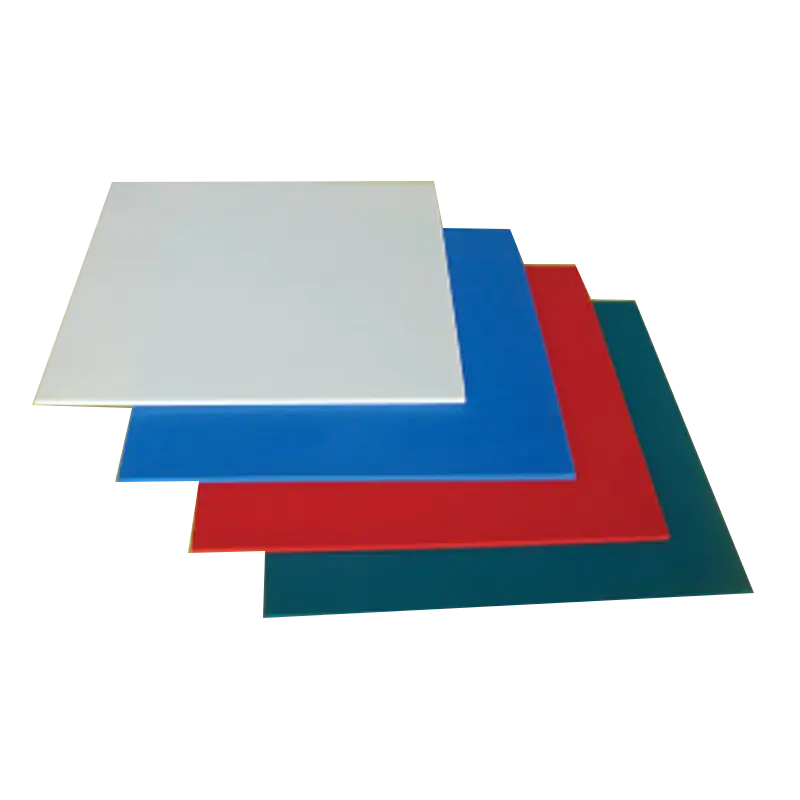
Yes. While natural PTFE is an opaque white, it can be pigmented during the molding process to produce standardized or custom colors. Common uses for colored PTFE include color-coding for different sizes or lines, safety identification, or aesthetic matching. It's important to note that the pigments must be thermally stable at PTFE's processing temperatures, and Kaxite uses only compatible, high-temperature colorants.


