English

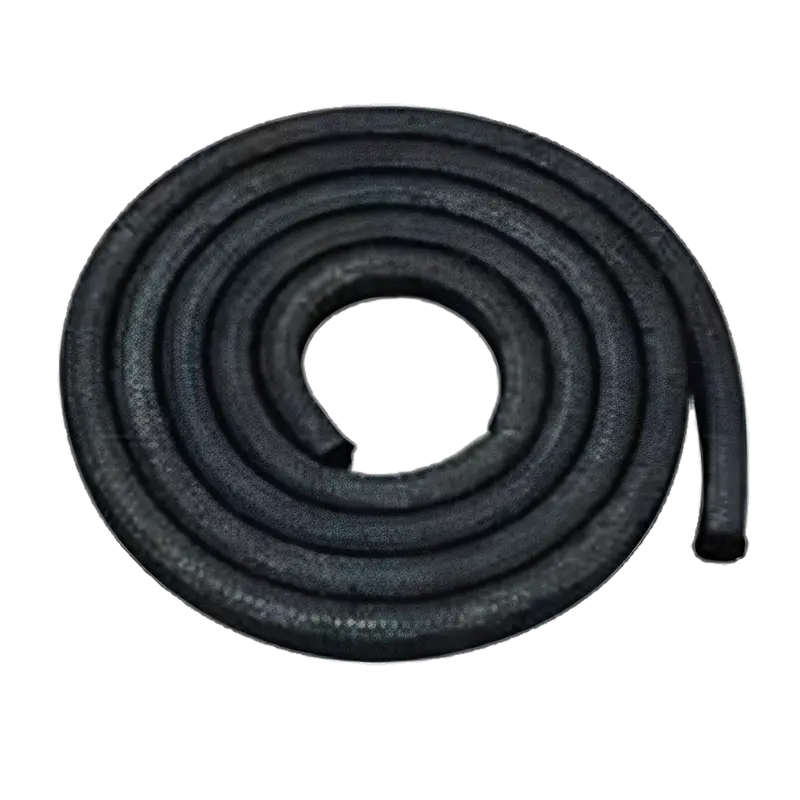
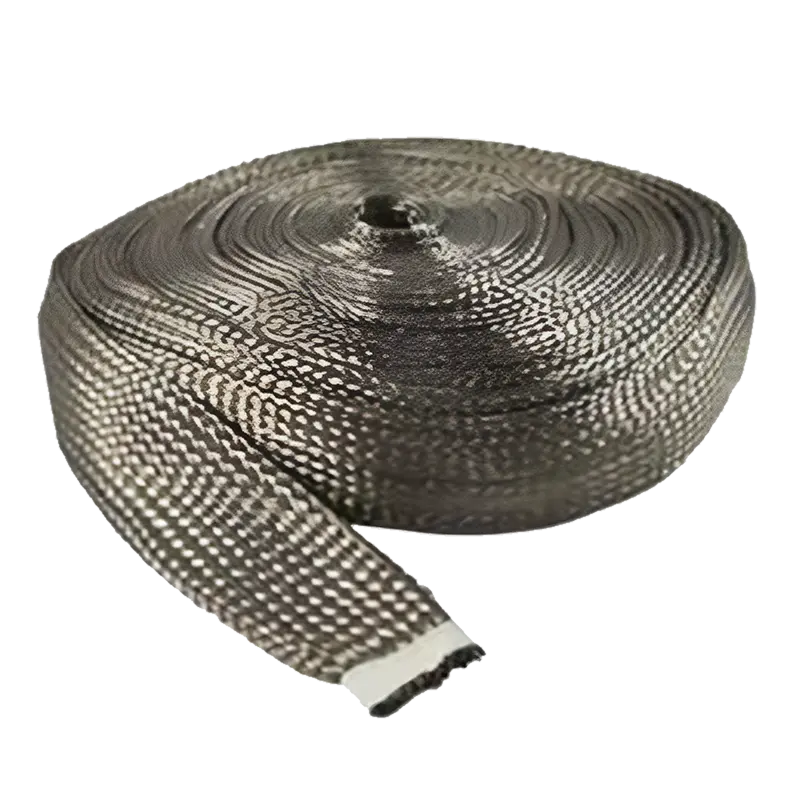
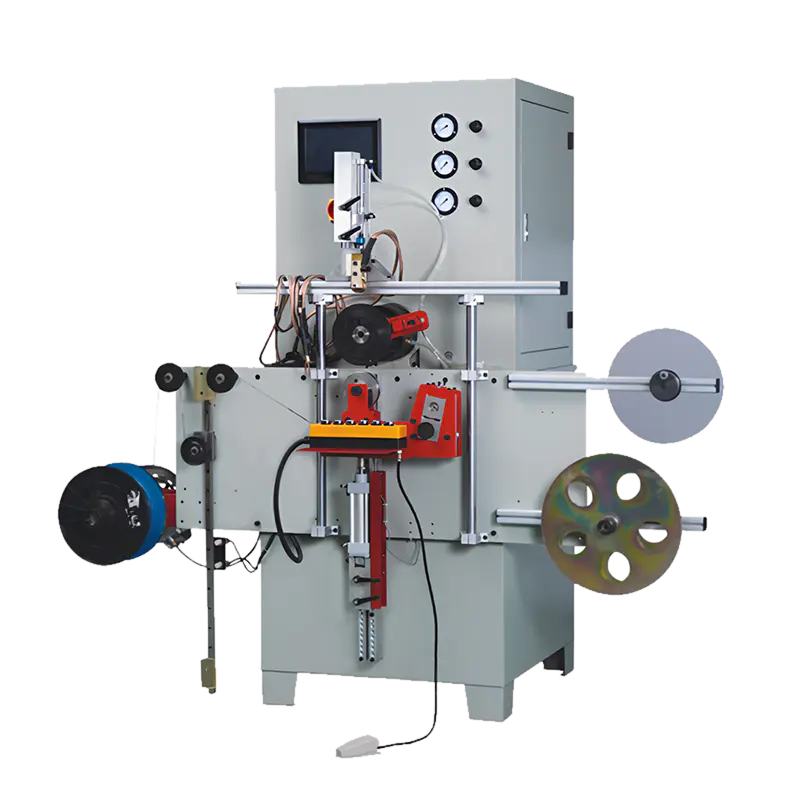
In demanding industrial environments where sealing performance under extreme pressure, temperature, and chemical exposure is non-negotiable, traditional packing materials often fall short. This is where advanced carbon fiber packing solutions, like those engineered by Kaxite, become the definitive choice. Carbon fiber packing is a high-performance sealing material manufactured from high-strength carbon fibers, often reinforced with PTFE (Teflon) or other lubricants and binders. This combination results in a braided packing that offers exceptional durability, minimal friction, and superior chemical resistance, making it ideal for pumps, valves, mixers, and agitators across industries such as chemical processing, petrochemical, pharmaceutical, and power generation.
Kaxite's carbon fiber packing stands out due to our proprietary manufacturing process that optimizes fiber alignment and impregnation. This ensures a consistent, dense structure that provides a reliable seal with extended service life, significantly reducing maintenance downtime and total cost of ownership compared to asbestos-based or aramid fiber alternatives.
Understanding the precise parameters of sealing materials is crucial for proper selection and application success. Below are the key specifications that define Kaxite's premium carbon fiber packing range.
| Performance Parameter | Value / Range | Test Standard / Notes |
|---|---|---|
| Temperature Range | -100°F to +600°F (-73°C to +316°C) | Inert atmospheres; short-term peaks higher. |
| pH Range | 0 - 14 | Excellent resistance across full spectrum. |
| Maximum Pressure (PSI) | Up to 2,500 PSI (172 bar) | Dependent on shaft speed and size. |
| Shaft Speed (FPM) | Up to 4,000 FPM (20 m/s) | Suitable for high-speed rotary equipment. |
| Thermal Conductivity | High | Promotes heat dissipation from shaft. |
| Coefficient of Friction | Extremely Low | Reduces shaft wear and power consumption. |
| Chemical Resistance | Excellent to most acids, alkalis, solvents, and hydrocarbons. | Excludes strong oxidizing agents at high temps. |
Choosing Kaxite's carbon fiber packing translates into measurable operational benefits.
Q: What types of equipment is carbon fiber packing best suited for?
A: Kaxite carbon fiber packing is exceptionally versatile. It is ideally suited for centrifugal and rotary pumps, mixers, agitators, valves (especially control valves), reactors, and compressors handling aggressive chemicals, hot oils, steam, and other demanding media. Its high-speed capability makes it perfect for applications where traditional packings would generate excessive heat and wear.
Q: How does carbon fiber packing compare to graphite or aramid (Kevlar) packing?
A: While graphite packing offers excellent thermal resistance, it can be more brittle and prone to blow-out in high-speed applications. Carbon fiber packing provides higher tensile strength and better resilience. Compared to aramid packing, carbon fiber offers superior chemical resistance to strong acids and alkalis and can handle higher temperatures. Carbon fiber also has a lower coefficient of friction, leading to cooler running equipment.
Q: Is carbon fiber packing difficult to install?
A: Installation follows standard braided packing procedures. Proper techniques are crucial: clean the stuffing box, use rings cut squarely with a sharp tool, stagger joints by 90 degrees, and tighten the gland gradually after startup. Kaxite provides detailed installation guides. Its flexibility makes it easy to fit into stuffing boxes, though care should be taken not to fray the braid during handling.
Q: What media or chemicals should carbon fiber packing NOT be used with?
A: Kaxite carbon fiber packing with PTFE impregnation is not recommended for use with molten or gaseous alkali metals (e.g., sodium, potassium), fluorine gas at high temperatures, or certain strong oxidizing agents like chlorine trifluoride. For these specific media, consult Kaxite engineering for alternative material recommendations.
Q: How do I determine the correct size and grade of carbon fiber packing for my pump?
A: The primary dimensions needed are the shaft/sten diameter and the stuffing box depth to calculate the correct cross-section and ring length. The operating conditions—media, temperature, pressure, and shaft speed—determine the grade (e.g., standard PTFE-impregnated vs. high-purity graphite-impregnated). Kaxite's technical support team can assist with selection based on your specific application data.
Q: Does carbon fiber packing require a break-in or run-in period?
A: Yes, a proper run-in period is essential for optimal performance and longevity. After installation, hand-tighten the gland nut. Start the equipment and allow it to run for 10-15 minutes, then gradually tighten the gland in small increments (typically 1/6th of a turn) every 10-20 minutes until leakage is reduced to a slight drip or film for cooling. Avoid overtightening, which causes excessive heat and wear.
Q: Can carbon fiber packing be used in food or pharmaceutical processing applications?
A: Standard grades may not be certified for direct product contact. However, Kaxite offers specialty grades manufactured with FDA-listed and USP Class VI compliant materials for applications requiring sanitary standards. It is critical to specify this requirement when ordering.
Q: What is the typical service life I can expect from Kaxite carbon fiber packing?
A: Service life varies dramatically based on operating conditions—media abrasiveness, temperature cycles, shaft runout, and maintenance practices. In standard chemical service with proper installation, users can typically expect 12 to 24 months of continuous service, significantly longer than many alternative materials, providing an excellent return on investment.


