English

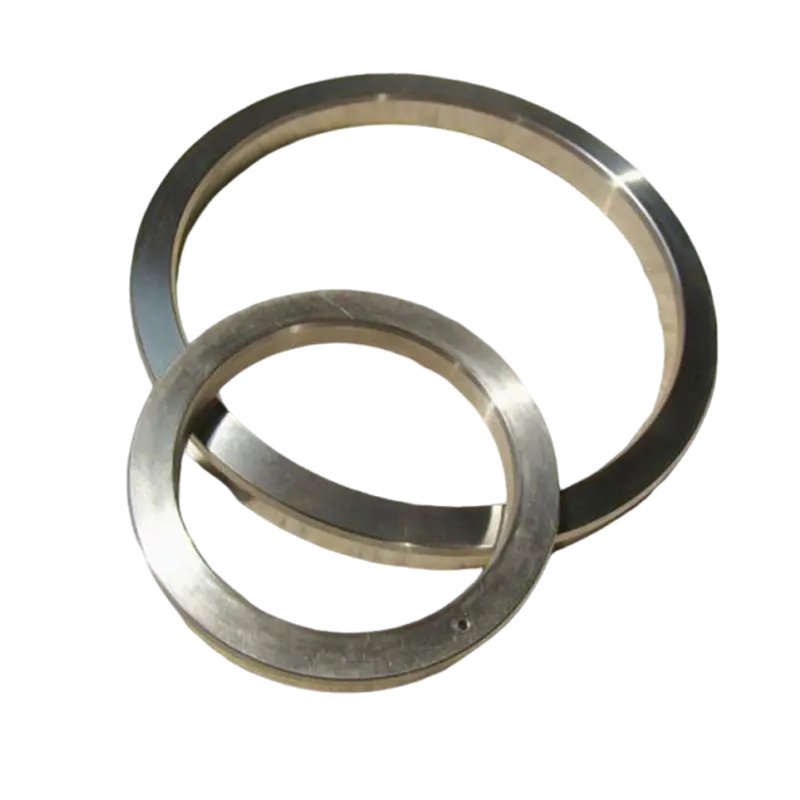
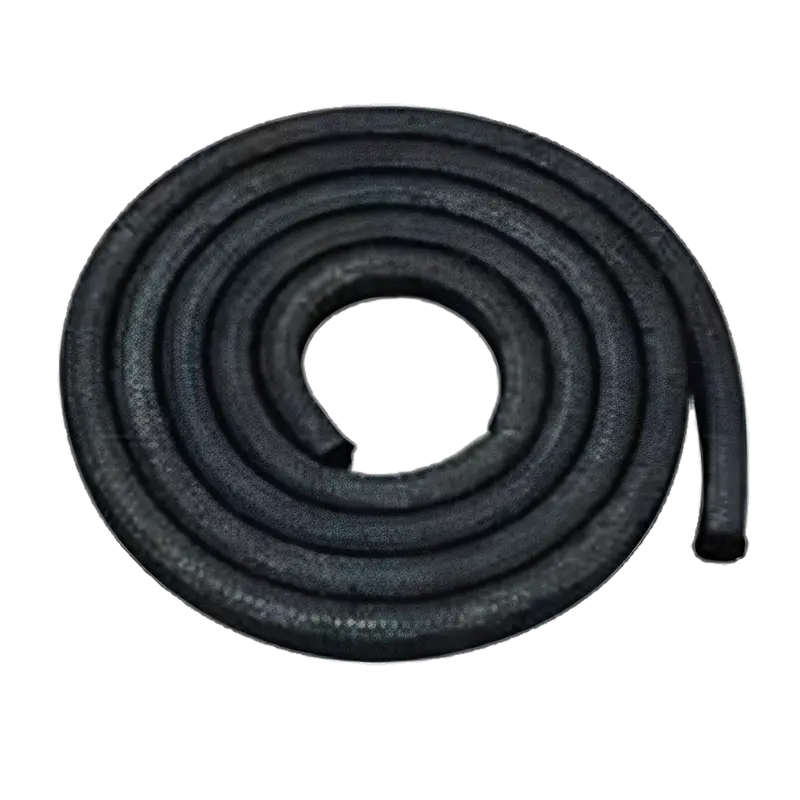
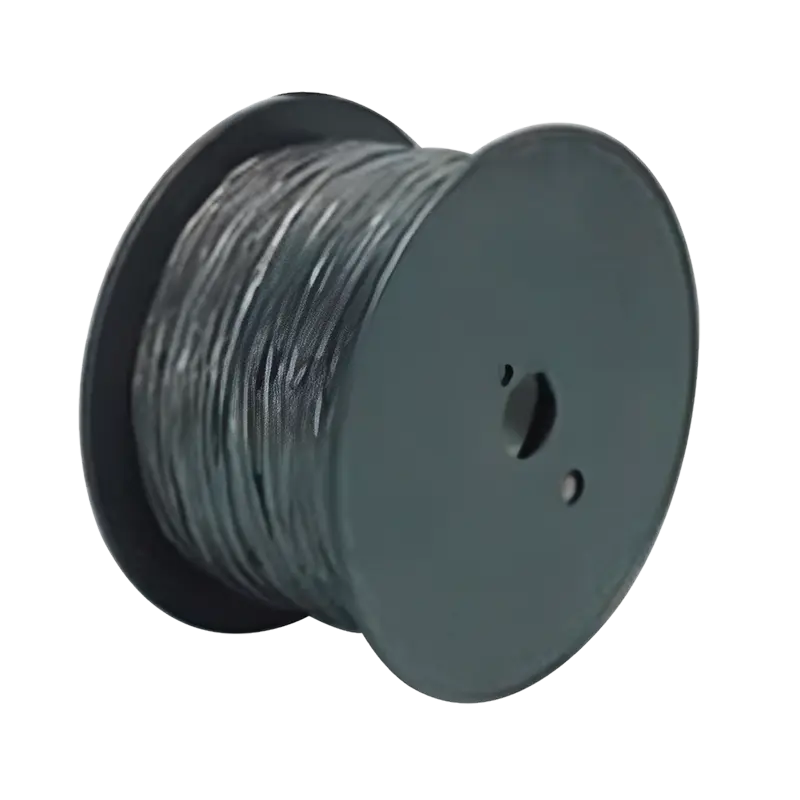
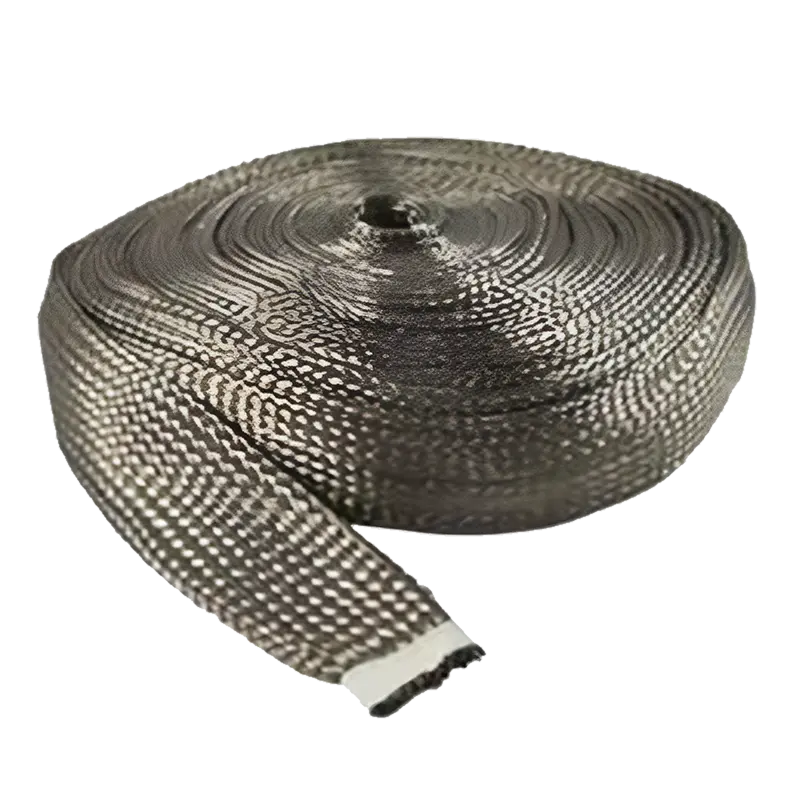
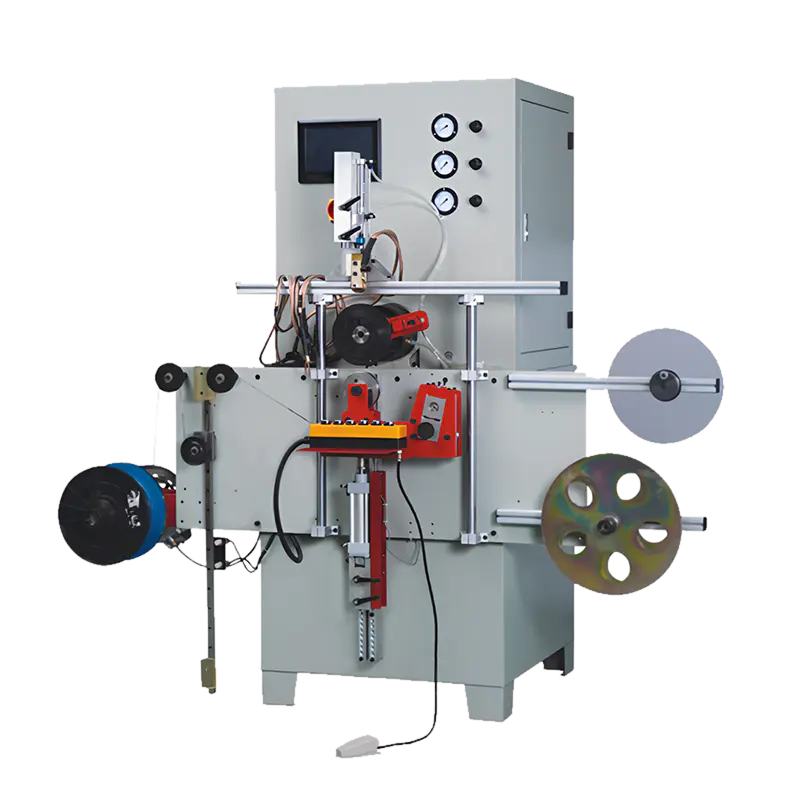
In the world of industrial manufacturing, particularly in the sealing and gasket production sector, the demand for high-quality, consistent, and durable packing materials is paramount. This is where Machines For Braiding Packing come into play. These specialized machines are engineered to produce braided packing, a critical sealing component used to prevent leakage of fluids in pumps, valves, and other rotary equipment. At Kaxite, we have dedicated over two decades to perfecting the art and engineering of these machines, combining robust German-inspired manufacturing principles with cutting-edge technology to deliver unparalleled performance and reliability. Our machines are not just tools; they are the cornerstone of efficient, high-output production lines for sealing manufacturers globally.
Braided packing, often made from materials like aramid, graphite, PTFE, or fiberglass, requires precise interweaving of yarns to create a dense, pliable seal. The quality of this braid directly impacts its sealing capability, longevity, and resistance to pressure and temperature. Manual or outdated braiding methods cannot achieve the consistency, speed, or complexity required by modern industry. Kaxite's braiding packing machines automate this intricate process, ensuring every meter of produced packing meets exact specifications. From simple square braids to complex over-braided jackets around core materials, our machines offer the versatility needed to produce a wide array of packing styles for diverse industrial applications, including chemical processing, marine, oil & gas, and power generation.
What sets Kaxite apart in the competitive landscape of packing machinery is our relentless focus on innovation and precision engineering. Our Machines For Braiding Packing are designed with a deep understanding of the end-product's requirements. We integrate high-torque servo motors for exceptional speed control, advanced tension management systems for uniform yarn feed, and user-friendly PLC (Programmable Logic Controller) interfaces for seamless operation and minimal downtime. The machine frames are constructed from high-grade steel, ensuring vibration-free operation even at maximum operational speeds, which is crucial for achieving a perfect, consistent braid pattern.
Furthermore, Kaxite machines are built for sustainability and ease of maintenance. Energy-efficient drives reduce operational costs, while modular components allow for quick part replacement, minimizing production interruptions. Our R&D team continuously works on incorporating Industry 4.0 features, such as IoT connectivity for predictive maintenance and production data analytics, giving our clients a smart manufacturing advantage. When you invest in a Kaxite braiding machine, you are investing in a future-proof asset that enhances productivity, reduces waste, and elevates the quality of your braided packing products.
Kaxite offers a range of braiding packing machines, from compact models for R&D and small-batch production to heavy-duty, high-speed lines for 24/7 industrial manufacturing. Below is a detailed breakdown of the key parameters that define our flagship series, the KX-BP ProLine.
| Model | KX-BP16 | KX-BP32 | KX-BP48 | KX-BP64 |
|---|---|---|---|---|
| Number of Carriers | 16 | 32 | 48 | 64 |
| Max. Braiding Diameter | 12 mm | 25 mm | 50 mm | 80 mm |
| Typical Production Speed* | 15-20 meters/hour | 12-18 meters/hour | 8-15 meters/hour | 5-10 meters/hour |
| Recommended Application | Fine packing, valve stems, R&D | General industrial packing (pumps, mixers) | Large diameter, high-density packing | Specialty large-bore & complex core packing |
| Machine Footprint (LxW) | 1.8m x 1.5m | 2.5m x 2.2m | 3.2m x 2.8m | 4.0m x 3.2m |
| Standard Power Consumption | 3.5 kW | 5.5 kW | 8.0 kW | 11.0 kW |
*Production speed varies based on braid pattern, material, and target density.
What is the primary function of a braiding packing machine?
The primary function is to automatically and precisely interlace multiple yarns or strands in a defined pattern (typically a maypole/two-dimensional braid) to form a continuous, dense, and flexible rope-like product called braided packing. This packing is used as a mechanical seal in dynamic and static applications to prevent fluid leakage.
What materials can be processed on Kaxite braiding machines?
Kaxite machines are highly versatile and can process a wide range of materials including Aramid (e.g., Kevlar), PTFE (Teflon) filaments and tapes, Graphite-impregnated yarns, Fiberglass, Carbon Fiber, Cotton, and various synthetic fibers like Polyamide and Polyester. The machine's tension system is adjustable to handle delicate to heavy-duty yarns.
How do I choose the right number of carriers (e.g., 16, 32, 48)?
The carrier count directly influences the packing's density, diameter, and appearance. A 16-carrier machine produces a finer, less dense braid suitable for small diameters. A 32-carrier is the industry workhorse for most general-purpose packing. 48 and 64-carrier machines are for large-diameter, high-density, and high-performance packing, often with a core material. Your choice depends on your target product specifications and production volume.
What is "over-braiding" and can your machines perform it?
Over-braiding is the process of braiding a sheath directly over a central core material (e.g., rubber, graphite foil, PTFE cord). Yes, all Kaxite ProLine models can be equipped with a core in-feed system, allowing for the production of complex composite packing materials that combine the properties of the core and the braided jacket.
How important is the tension control system on the machine?
It is absolutely critical. Consistent and individual tension control on each carrier ensures that all yarns contribute equally to the braid structure. Poor tension leads to defects like "barber poling" (uneven color), loose or tight spots, and inconsistent density, which severely compromise the sealing performance of the final packing. Kaxite uses precision spring and disc brake systems for reliable tension.
Are Kaxite machines easy to set up and operate?
Yes. Kaxite prioritizes user-friendly operation. The PLC-controlled HMI (Human-Machine Interface) uses intuitive graphical menus. Setting up a new braiding program involves entering parameters like speed, carrier path, and take-up ratio. Our machines also feature quick-change carriers and horngears, significantly reducing changeover time between production runs.
What kind of after-sales support and warranty does Kaxite provide?
Kaxite provides a comprehensive 18-month warranty on the main machinery and a 12-month warranty on electrical components. Our support package includes detailed installation documentation, on-site or remote training for operators and maintenance staff, and access to a global network of technical support engineers. We also maintain a large inventory of spare parts for rapid shipment.
Can the machine be integrated into a fully automated production line?
Absolutely. Kaxite machines are designed for Industry 4.0 integration. They feature standard communication protocols (e.g., Modbus TCP/IP) for connection to factory SCADA or MES systems. Options for automated bobbin loading systems, in-line density monitoring, and robotic handling of finished reels are available to create a complete, lights-out production cell.
How does Kaxite ensure the durability and longevity of its machines? Our machines are built for endurance. Key components like horngears, tracks, and main shafts are manufactured from hardened alloy steels and are precision-machined. The robust frame construction minimizes vibration. Furthermore, we use high-grade bearings and lubrication systems designed for continuous operation. This focus on heavy-duty construction ensures a long operational life with minimal maintenance, protecting your investment.


