English

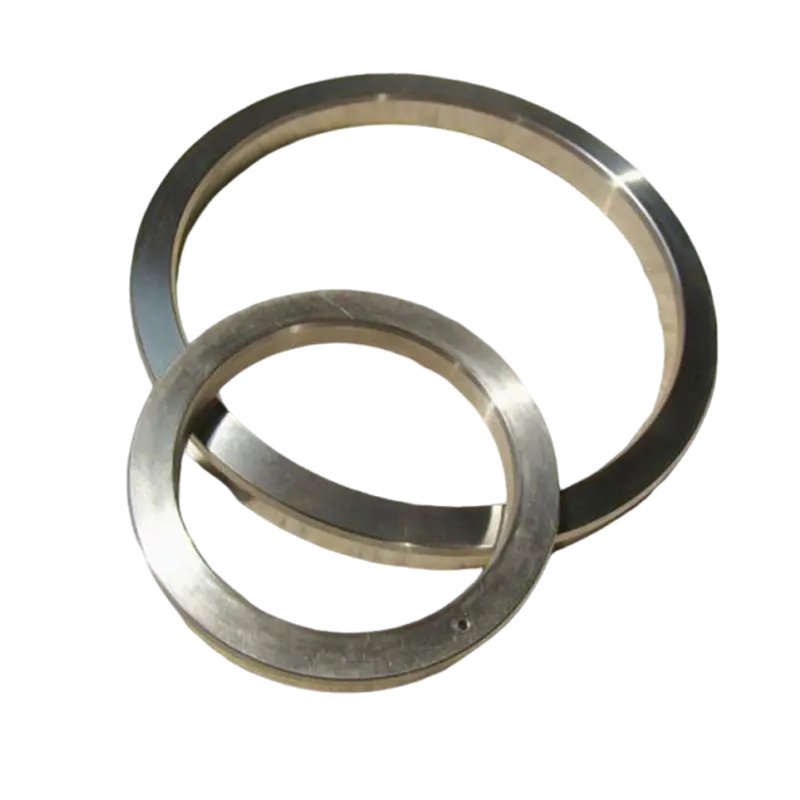
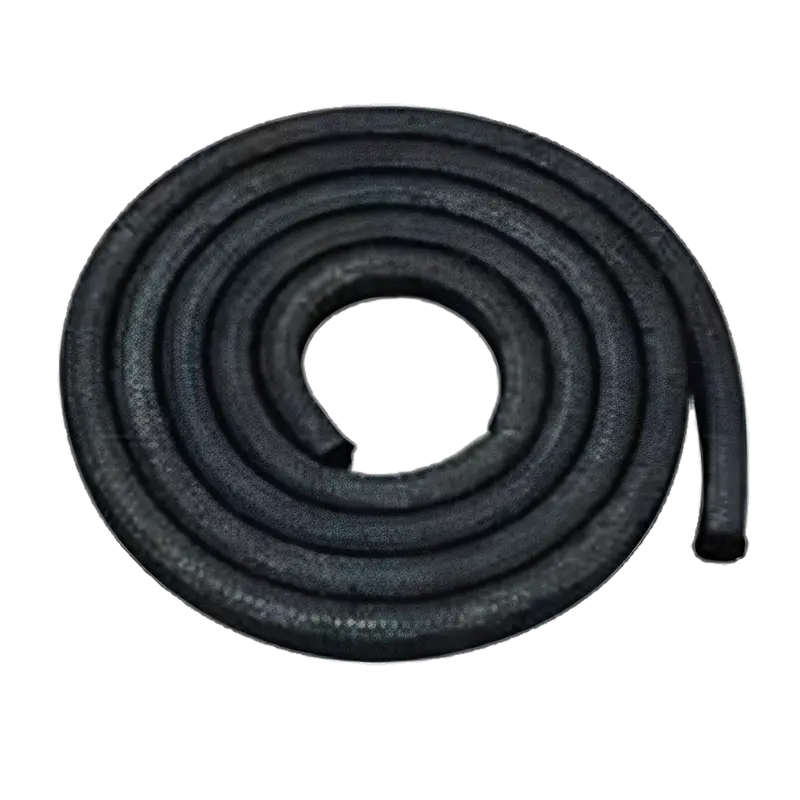
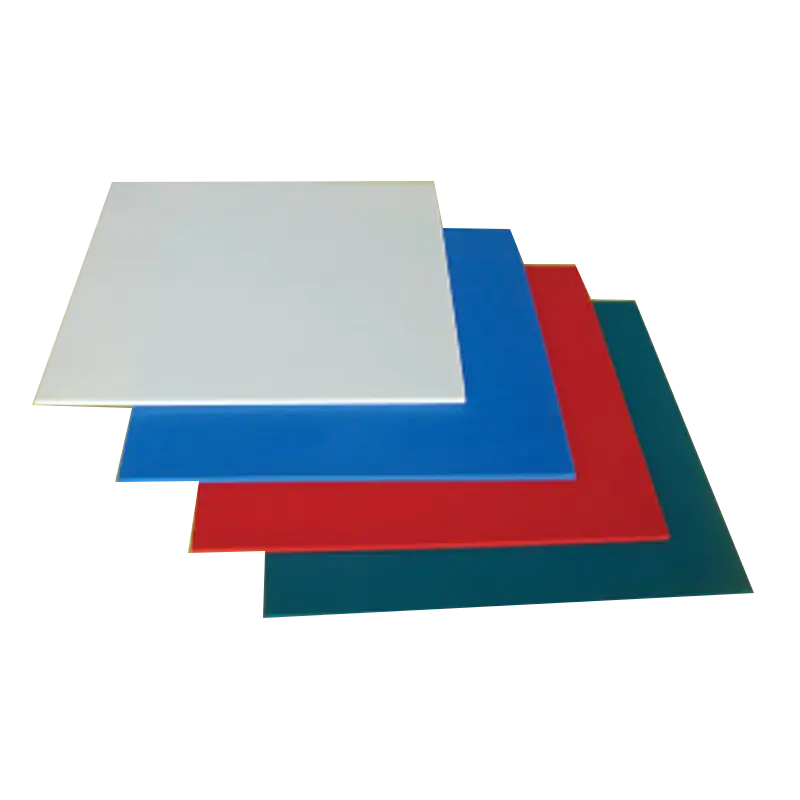
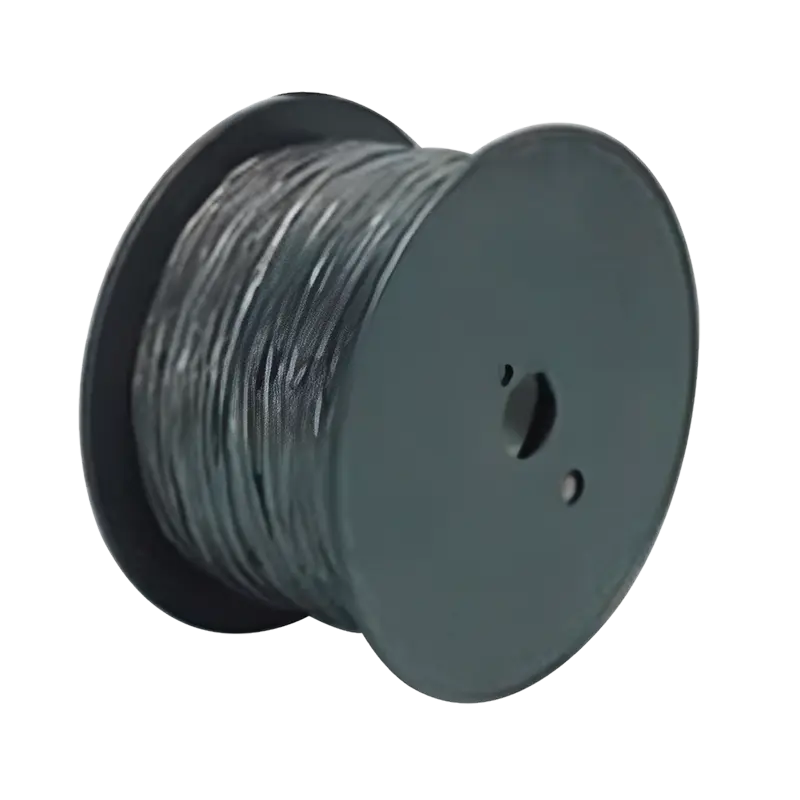
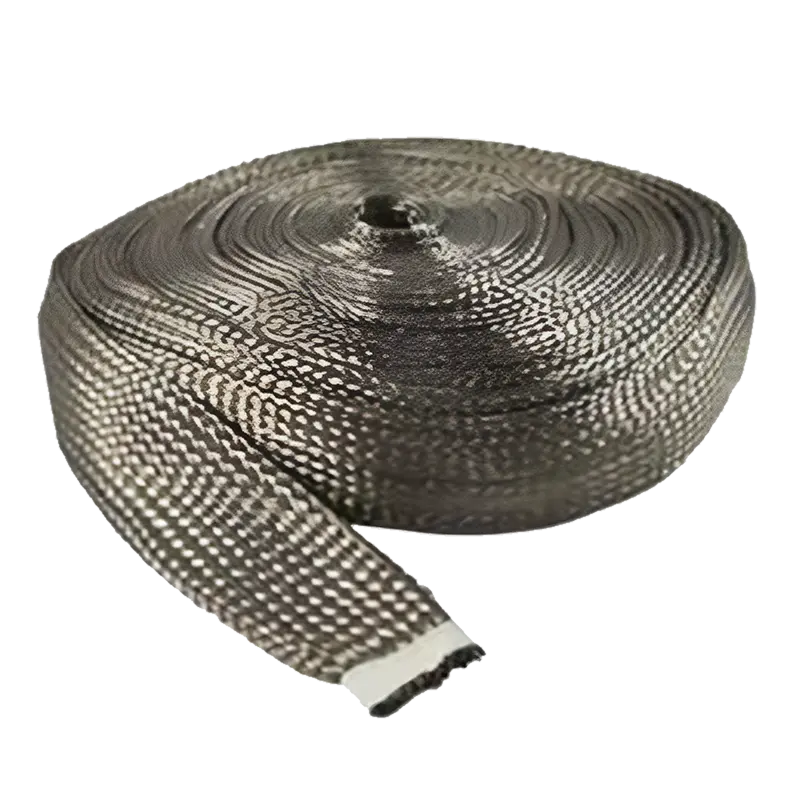
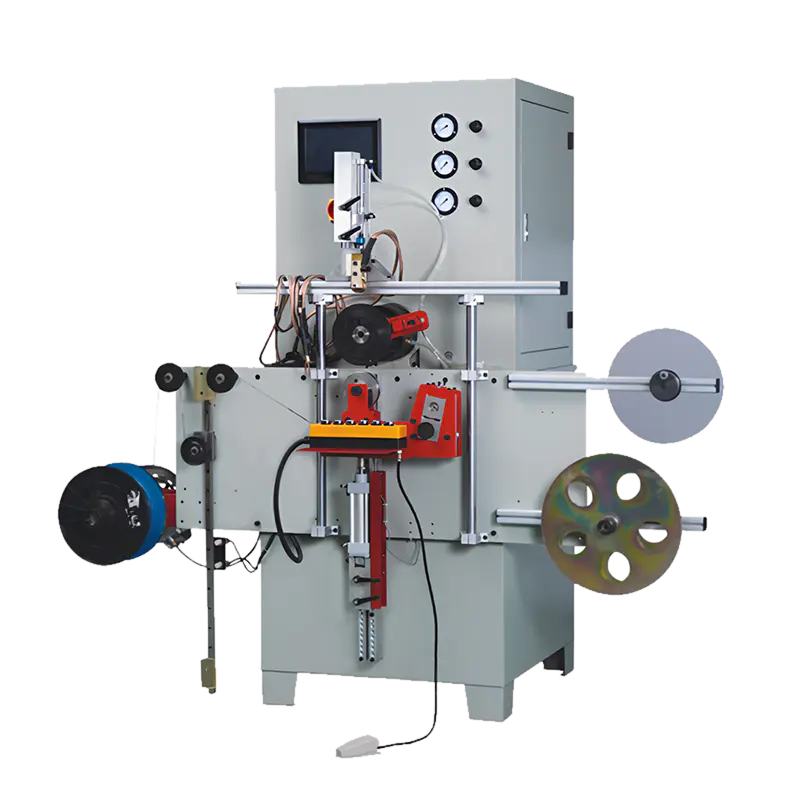
In the demanding world of industrial fluid sealing, PTFE Packing stands as a cornerstone technology. PTFE, or Polytetrafluoroethylene, is a high-performance fluoropolymer renowned for its exceptional chemical inertness, wide temperature tolerance, and incredibly low coefficient of friction. At Kaxite, we engineer our PTFE Packings to meet the most rigorous sealing challenges, providing reliable, long-lasting performance in pumps, valves, agitators, and mixers across countless industries. Unlike traditional packing materials, Kaxite PTFE Packing offers superior resistance to a vast array of chemicals, reduces shaft or stem wear, and minimizes maintenance downtime, translating directly into operational cost savings and enhanced safety.
Kaxite offers a comprehensive range of PTFE Packing styles to suit specific application requirements. Below are the detailed specifications for our core product lines.
Constructed from pure, lubricated PTFE filaments braided into a uniform, flexible structure. This style is the workhorse for dynamic sealing in rotating and reciprocating equipment.
| Parameter | Specification | Detail / Value |
|---|---|---|
| Material Composition | 100% Virgin PTFE Filament | May contain PTFE or compatible lubricants. |
| Specific Gravity | 1.4 - 1.6 | Varies with braid density and lubrication. |
| pH Range | 0 - 14 | Resistant to all common acids, bases, and solvents. |
| Temperature Range | -260°C to +260°C | Continuous service. Short peaks up to 288°C (550°F) possible. |
| Speed (PV Limit) | Up to 150,000 psi-fpm | Suitable for high-speed pump shafts. |
| Available Styles | Square, Round, Twisted | Square braid is most common for pump stuffing boxes. |
| Standard Sizes | 1/8" to 1" (3mm to 25mm) | Custom sizes available upon request. |
Made from 100% PTFE that has been expanded into a microporous structure. It is highly conformable, creating excellent seals on imperfect surfaces with low gland pressure.
| Parameter | Specification | Detail / Value |
|---|---|---|
| Material Composition | 100% Expanded PTFE | No fillers or binders. Pure, fibrillated microstructure. |
| Density | 0.5 - 1.0 g/cm³ | Lightweight and highly compressible. |
| Chemical Resistance | Excellent | Equal to virgin PTFE. Inert to nearly all chemicals. |
| Temperature Range | -240°C to +260°C | Maintains flexibility across the entire range. |
| Conformability | Extremely High | Seals effectively on scratched, pitted, or scored shafts. |
| Form | Tape, Coil, Die-Formed Rings | Ideal for valve stems, flange gaskets, and universal repacking. |
| Standard Thickness/Width | 0.5mm to 6mm thick, various widths | Can be layered to achieve required cross-section. |
Enhanced with fillers like carbon, graphite, or bronze to improve thermal conductivity, reduce cold flow, and enhance wear resistance for specific demanding conditions.
| Parameter | Kaxite PTFE/Carbon | Kaxite PTFE/Graphite | Kaxite PTFE/Bronze |
|---|---|---|---|
| Primary Filler | Carbon Particles | Synthetic Graphite | Bronze Powder |
| Key Benefit | Improved wear resistance, low cost. | Enhanced thermal conductivity, self-lubricating. | Superior heat dissipation, reduced cold flow. |
| Max Speed (PV) | 180,000 psi-fpm | 200,000 psi-fpm | 250,000 psi-fpm |
| Best For | Abrasive slurries, general service. | High-temperature water/steam, hot oils. | High-load, low-speed applications, hot media. |
| Color | Black | Dark Gray | Metallic Brown |
Q: How do I select the correct type of PTFE packing for my application?
A: Selection depends on several key factors: the equipment type (centrifugal pump, mixer, valve), the process media (chemical, temperature, abrasiveness), shaft speed and pressure, and the condition of the sealing surface. Kaxite‘s braided filament packing is a versatile choice for most dynamic seals in pumps. For problematic or irregular surfaces, ePTFE packing is superior. For high-temperature or high-PV applications, our composite packings with graphite or bronze are recommended. Consulting Kaxite‘s technical datasheets or contacting our engineering support is advised for critical service.
Q: What is the proper installation procedure for PTFE braided packing?
A: Correct installation is critical for performance. Clean the stuffing box thoroughly. Cut packing rings neatly using a sharp blade and a mandrel of the exact shaft/stem diameter, ensuring butt-cut ends (never angled). Stagger the ring joints by 90 degrees with each subsequent ring. Use a proper gland follower to compress the packing evenly. Follow the manufacturer’s torque specifications for the gland nuts—overtightening can cause excessive heat and wear, while undertightening leads to leakage. Allow a short run-in period and make fine adjustments after the packing has seated.
Q: Can PTFE packing handle abrasive media?
A: Pure PTFE is relatively soft and can be susceptible to abrasion from media containing hard particles like sand or catalysts. For such applications, Kaxite recommends our filled PTFE packings, such as PTFE/Carbon or PTFE/Bronze composites. These fillers significantly enhance the packing’s abrasion resistance and ability to handle such demanding conditions without excessive wear on the shaft or the packing itself.
Q: Is PTFE packing suitable for food-grade or pharmaceutical applications?
A> Yes, absolutely. Kaxite offers specific grades of both braided and ePTFE packing manufactured from 100% virgin, FDA-compliant PTFE materials that may also meet USP Class VI requirements. These packings are white or off-white in color, contain no additives or lubricants that could contaminate the product, and are designed to meet the stringent hygiene and purity standards of the food, beverage, dairy, and pharmaceutical industries.
Q: How does the temperature range of PTFE compare to other common packing materials?
A> PTFE packing offers one of the widest usable temperature ranges of any common packing material. It remains flexible and functional from deep cryogenic temperatures (as low as -260°C) up to +260°C continuously. This far exceeds the range of materials like aramid fibers (max ~250°C), compressed non-asbestos sheets (max ~400°F/204°C), and even graphite (which requires oxygen exclusion above 400°C). This makes Kaxite PTFE Packing uniquely suitable for applications with extreme thermal cycling.
Q: Why is there sometimes a brief initial leakage period after installing new PTFE packing?
A> A minimal amount of initial leakage or “weeping” is normal and often intentional during the run-in period. This small amount of leakage helps lubricate and cool the interface between the packing and the moving shaft. The packing needs this time to thermally adjust, conform to the micro-imperfections on the shaft surface, and establish a stable wear pattern. After this run-in period (typically a few hours of operation), the packing should be re-tightened slightly to achieve the desired leak rate, which for modern systems is often just a few drops per minute.
Q: How can I extend the service life of my PTFE packing?
A> Maximizing packing life starts with correct selection and installation as outlined above. Ensure adequate cooling and lubrication if the process media does not provide it. Avoid running the pump dry. Maintain proper gland adjustment—periodic slight tightening may be needed as the packing wears in, but avoid over-compression. Implement a preventive maintenance schedule to inspect the packing condition and shaft/stem surface finish. Using a Kaxite engineered packing designed for your specific service conditions is the most effective step towards achieving maximum service intervals.


