English

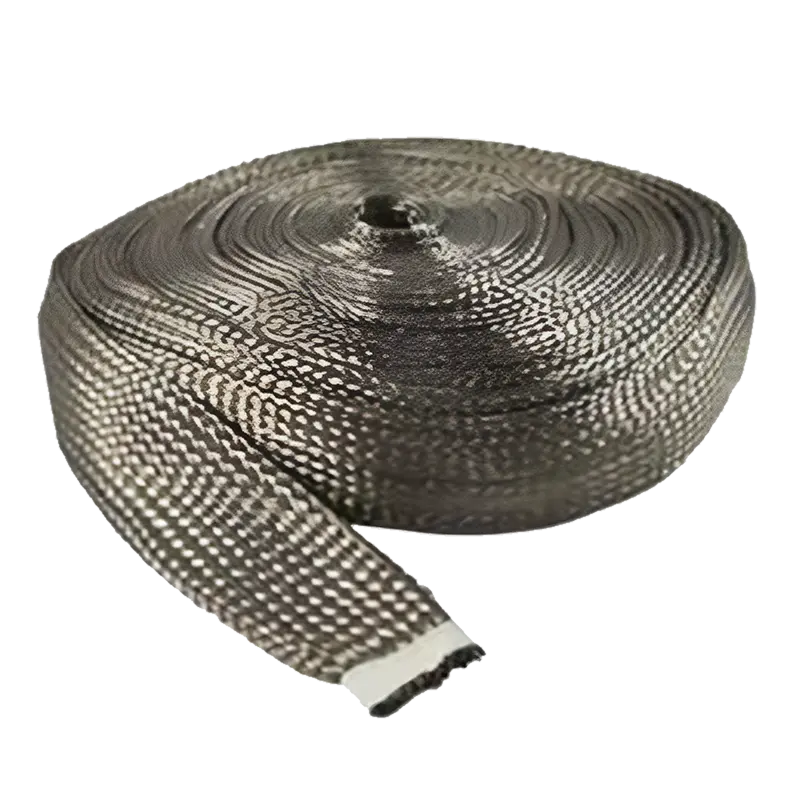
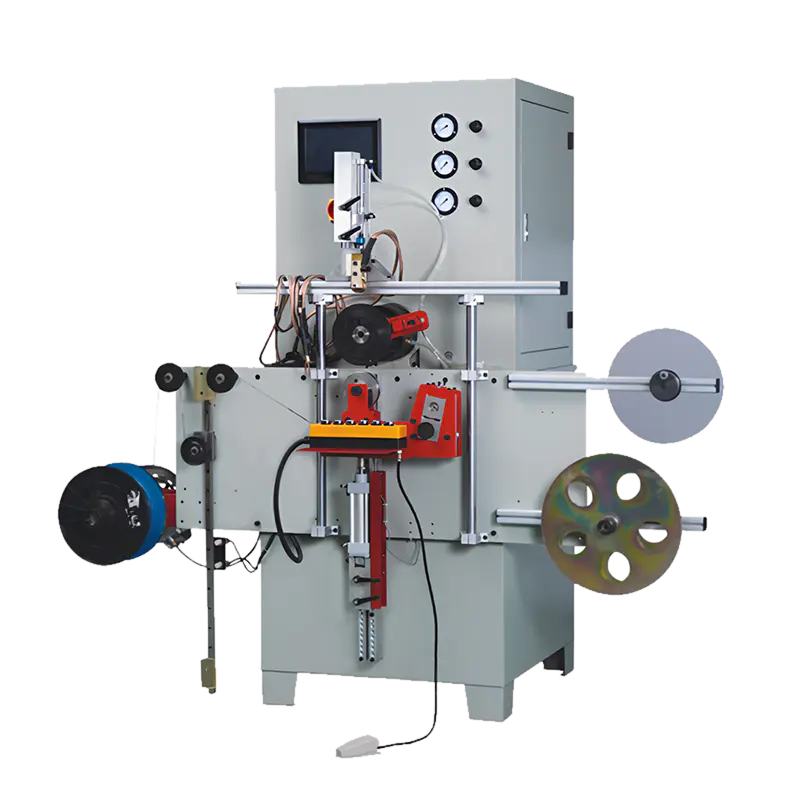

In the complex world of industrial manufacturing, construction, and maintenance, the integrity of assemblies is paramount. Sealing materials are the unsung heroes that prevent leaks, contain pressures, exclude contaminants, and ensure the longevity and safety of systems. At Kaxite, we specialize in engineering high-performance sealing solutions tailored to withstand extreme temperatures, aggressive chemicals, and challenging physical conditions. Our commitment is to provide materials that don't just meet specifications but exceed expectations for reliability and durability.
Kaxite offers a comprehensive portfolio of sealing materials. Below is a detailed breakdown of our primary product lines and their technical parameters.
| Material Type | Temperature Range | Pressure Range | Key Applications | Kaxite Grade Code |
|---|---|---|---|---|
| CNAF Sheet | -100°C to +400°C | Up to 150 Bar | Water, steam, oils, fuels | KX-CNAF200 |
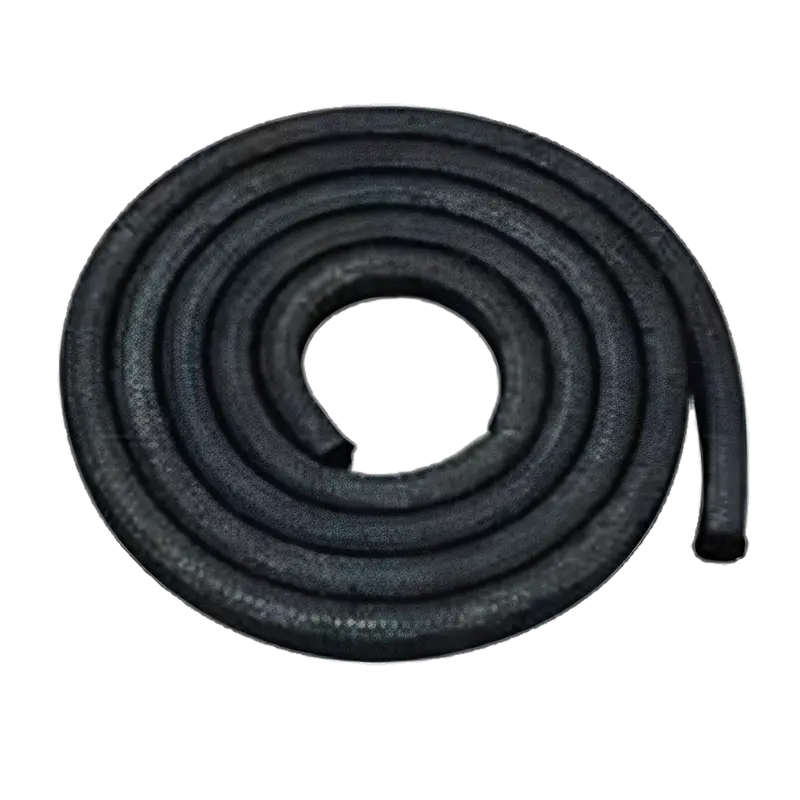
| Expanded Graphite | -240°C to +3000°C (inert atm.) | Up to 200 Bar | Heat exchangers, chemical reactors, exhaust systems | KX-GRAPH-SEAL |
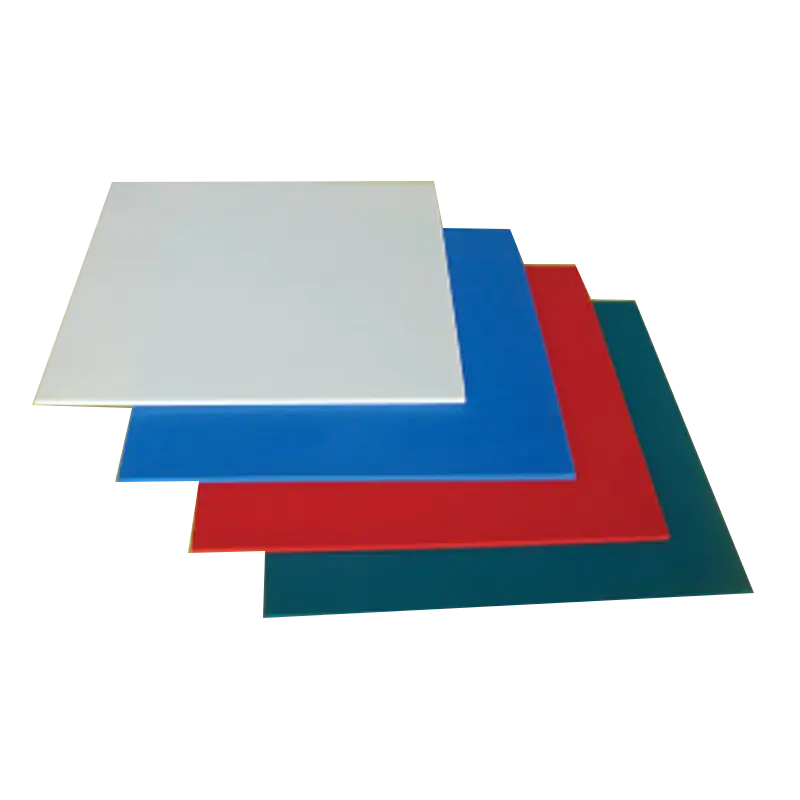
| Virgin PTFE Sheet | -260°C to +260°C | Up to 100 Bar | Chemical processing, pharmaceutical, food & beverage | KX-PTFE-PURE |
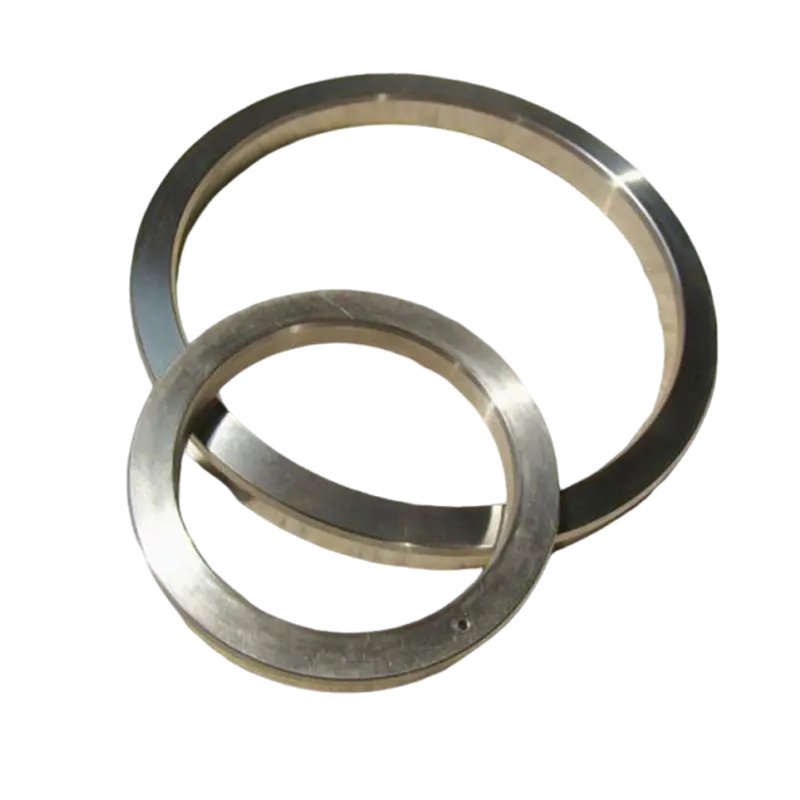
| 304SS/Graphite Spiral Wound | -250°C to +815°C | Up to 300 Bar | Pipeline flanges, refinery equipment, power generation | KX-SW-304G |
| Product Type | Base Chemistry | Cure Type | Shore Hardness | Elongation at Break | Kaxite Grade Code |
|---|---|---|---|---|---|
| High-Temp Silicone | Silicone | Moisture Cure | 35 A | 600% | KX-SIL-350HT |
| Medium-Strength Anaerobic | Methacrylate | Anaerobic | 85 D | 5% | KX-ANA-MED |
| Flexible Polyurethane | Polyurethane | Moisture Cure | 50 A | 450% | KX-PUR-FLEX |
Q: What is the most critical factor when choosing a gasket material?
A: The single most critical factor is compatibility with the process media (the fluid or gas being sealed) across the entire operating temperature range. A material must resist chemical attack, swelling, or degradation. The second critical factor is the ability to maintain a seal under the specific pressure and temperature conditions of the application. At Kaxite, our technical datasheets provide detailed chemical resistance guides and pressure-temperature ratings for all our materials.
Q: Can I use a standard rubber O-ring for a high-temperature application?
A: Generally, no. Standard nitrile rubber (NBR) O-rings typically have a maximum continuous service temperature around 120°C. For higher temperatures, materials like Fluorocarbon (FKM/Viton®), Perfluoroelastomer (FFKM), or silicone are required. Using an incorrect material leads to rapid hardening, loss of elasticity, and seal failure. Kaxite offers a full range of high-temperature sealing elastomers with specifications to guide your selection.
Q: What is the difference between a static seal and a dynamic seal?
A: A static seal is used between two surfaces that do not move relative to each other, such as flanges, pipe end caps, or cover plates. Gaskets and static O-rings are common examples. A dynamic seal is used where there is movement, such as rotation, reciprocation, or oscillation. Examples include shaft seals, piston seals, and rod wipers. Dynamic seals require materials with low friction, high wear resistance, and excellent elasticity.
Q: Why does my compressed fiber gasket sometimes stick to the flange face?
A: Sticking, or "gasket adhesion," can occur due to several reasons: excessive bolt torque compressing the gasket beyond its recovery limit, high operating temperatures causing the binder in the material to flow, or chemical interaction between the gasket facing and the flange material. Using a suitable anti-stick coating or selecting a gasket material like Kaxite's specially formulated grades with non-stick properties can prevent this issue and allow for easier maintenance.
Q: How do I determine the correct thickness for a gasket?
A: Gasket thickness is not arbitrary. Thinner gaskets (1.5mm or less) generally offer better sealing performance under high bolt load as they require less creep relaxation. Thicker gaskets (3mm or more) are used for uneven or damaged flange faces to compensate for irregularities. The choice depends on flange surface finish, pressure, and the material's compressibility. Our Kaxite engineering team can provide specific recommendations based on your flange condition and service requirements.
Q: Are "one-size-fits-all" sealants effective for industrial repairs?
A: While general-purpose sealants have their place, industrial repairs demand precision. A "one-size-fits-all" product may not withstand specific chemicals, temperatures, or pressures, leading to premature failure. For example, an automotive silicone may not resist sour gas in an oil refinery. Kaxite formulates specialized sealants—like our high-temperature anaerobic or chemical-resistant epoxy varieties—designed for targeted industrial challenges, ensuring long-term sealing integrity.
Q: What does the term "fire-safe" mean for sealing materials?
A: A "fire-safe" seal is designed to maintain a pressure boundary for a specified period during and after exposure to fire. Standards like API 607/API 6FB test a valve or gasket's ability to prevent external leakage when engulfed in flames. Fire-safe sealing materials, such as certain spiral-wound gaskets with graphic fillers or special elastomers from Kaxite, are engineered not to burn through or disintegrate quickly, providing critical containment in emergency scenarios.
Selecting the right sealing material involves a systematic evaluation of application conditions. Use this checklist alongside Kaxite technical support:
Kaxite's product development is driven by solving real-world sealing challenges. Our materials are rigorously tested in our labs to verify performance against published specifications. We understand that a failed seal can lead to downtime, safety hazards, and environmental concerns. Therefore, our mission is to provide sealing materials that engineers and maintenance professionals can specify with absolute confidence. For detailed technical data sheets, chemical resistance tables, or application-specific consultation, please contact the Kaxite technical support team.


