English

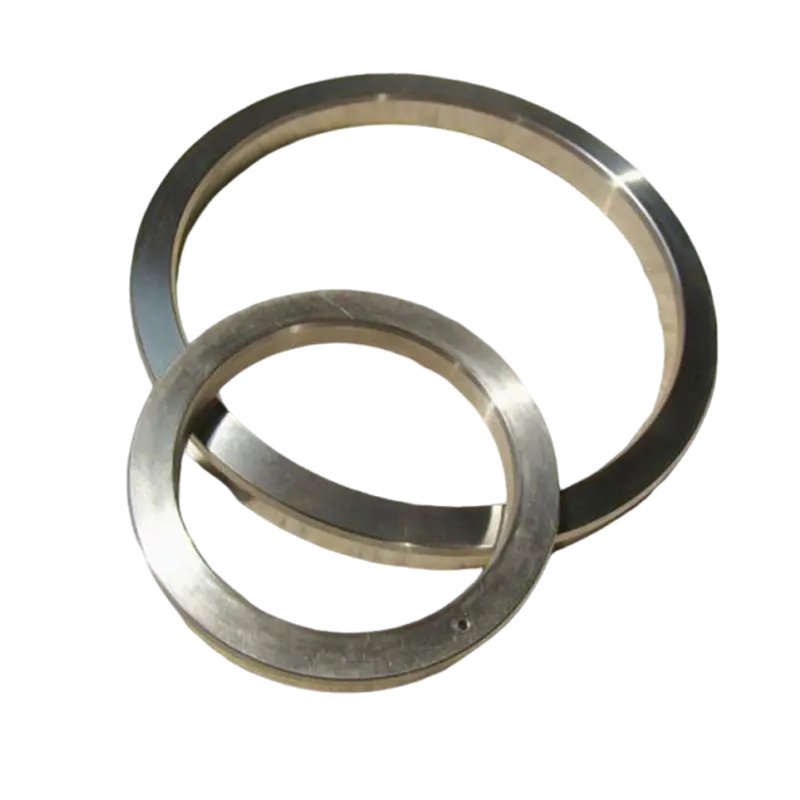
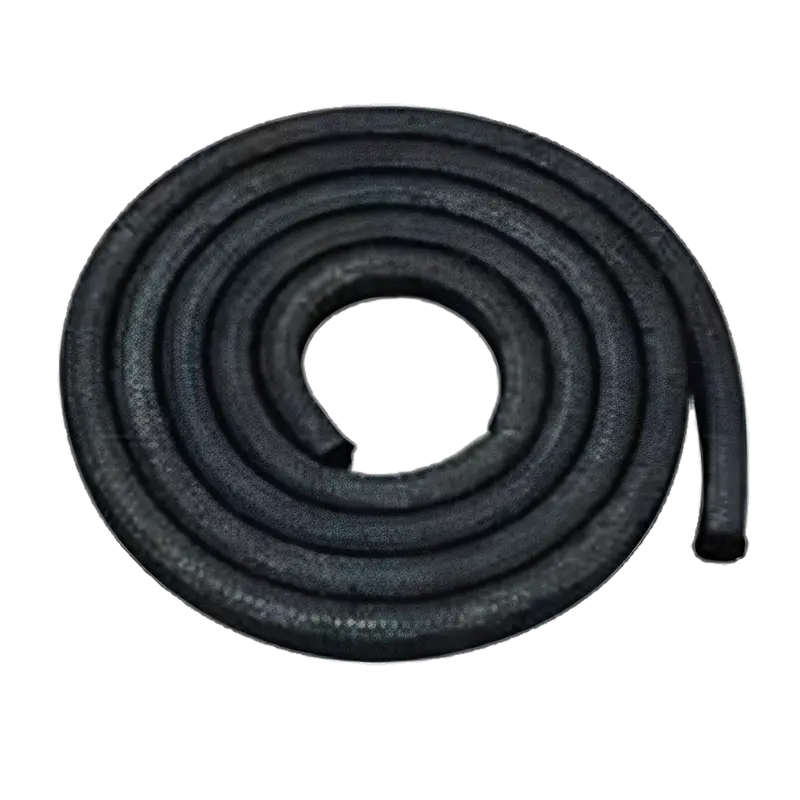
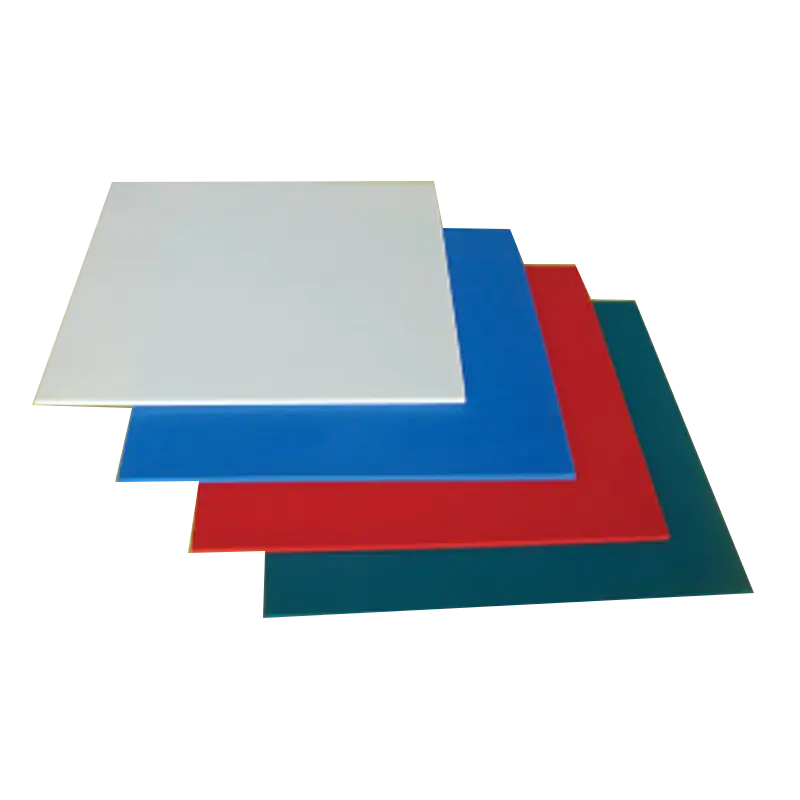
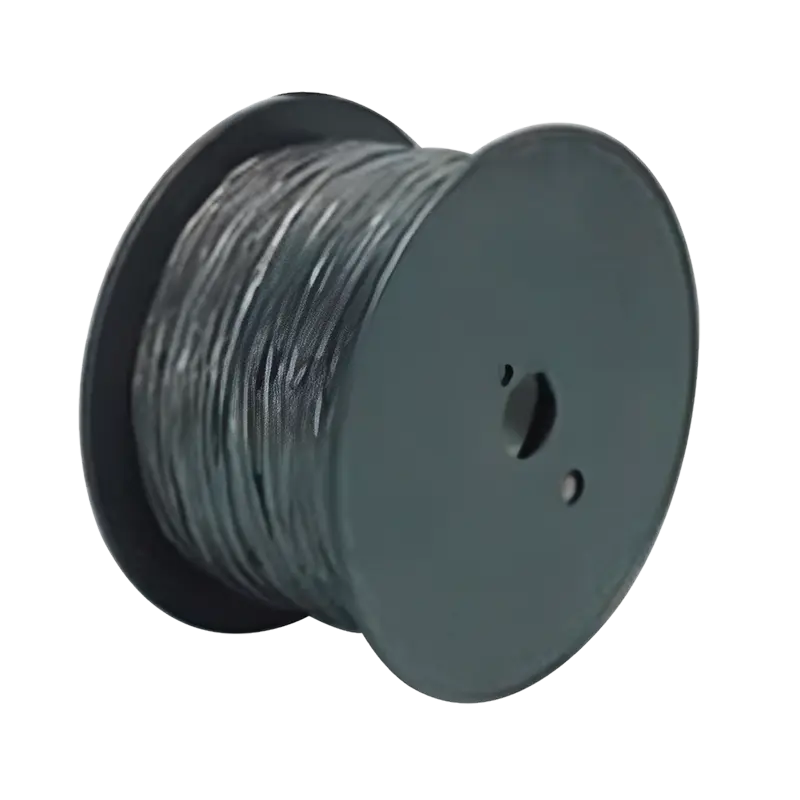
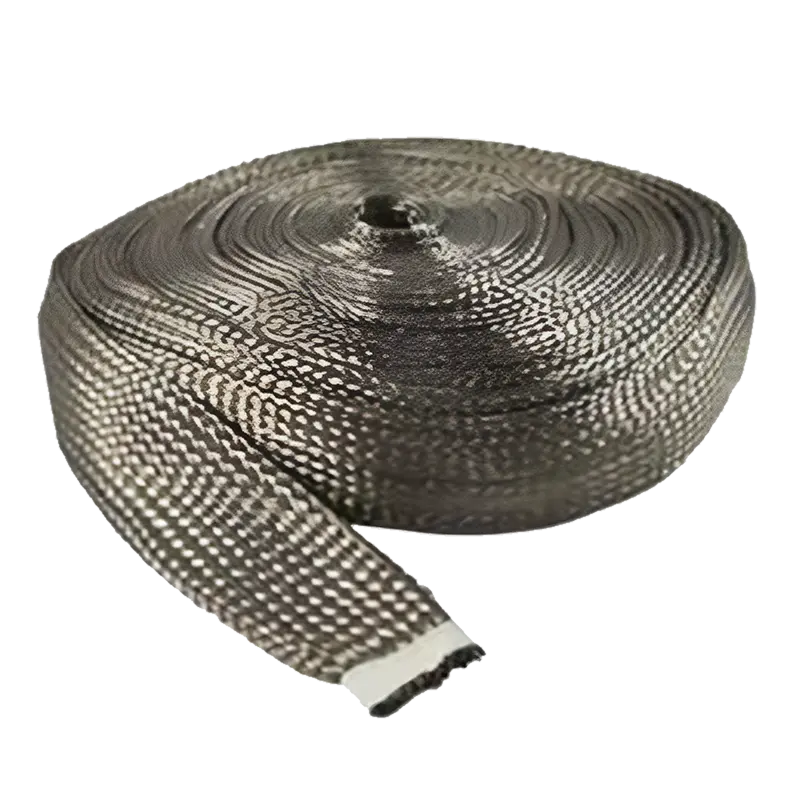
Ceramic fiber, also known as refractory ceramic fiber (RCF), is a synthetic, lightweight insulating material manufactured from high-purity alumina-silica materials. It is produced through a melting and fiberizing process, resulting in a wool-like material with exceptional thermal stability. This engineered material is designed to withstand extreme temperatures, often up to 2300°F (1260°C) and higher for specific grades, making it a cornerstone of modern industrial insulation. Its unique structure of interlocking microscopic fibers creates a matrix with low thermal conductivity, high heat capacity, and excellent resistance to thermal shock. Unlike traditional dense refractories, ceramic fiber is flexible, lightweight, and can be fabricated into various forms—including blankets, boards, papers, textiles, and modules—to suit countless high-temperature applications across industries such as metal processing, petrochemical, power generation, and aerospace. At Kaxite, we leverage decades of material science expertise to produce premium-grade ceramic fiber solutions that deliver unmatched performance, energy efficiency, and safety in the most demanding thermal environments.
The superiority of ceramic fiber as an insulating material stems from its fundamental physical and thermal properties. These inherent characteristics provide significant operational and economic benefits over traditional insulation like firebrick or calcium silicate.
Kaxite offers a comprehensive portfolio of ceramic fiber products, each engineered to meet specific thermal and mechanical demands. Our products are classified primarily by temperature grade and form. Below are the detailed specifications for our core product lines.
| Grade | Max Continuous Use Temperature | Density (kg/m³) | Thermal Conductivity (W/m·K) @ 500°C | Linear Shrinkage (% max) @ 24hrs | Typical Applications |
|---|---|---|---|---|---|
| Kaxite Standard (1260) | 1260°C (2300°F) | 64, 96, 128 | 0.12 - 0.15 | 2.5 @ 1260°C | Furnace linings, boiler insulation, heat treatment equipment |
| Kaxite High-Purity (1400) | 1400°C (2552°F) | 96, 128 | 0.14 - 0.17 | 2.0 @ 1400°C | Forging furnaces, ceramic kilns, chemical reactors |
| Kaxite Zirconia (1430) | 1430°C (2606°F) | 128 | 0.16 - 0.19 | 1.8 @ 1430°C | High-temperature sintering furnaces, steel ladles, incinerators |
| Product Form | Material Grade | Max Temp (°C) | Density Range (kg/m³) | Cold Crushing Strength (MPa) | Key Features |
|---|---|---|---|---|---|
| Kaxite Vacuum-Formed Board | Standard & High-Purity | 1260 - 1400 | 250 - 400 | 1.0 - 4.0 | Rigid, excellent surface for coatings, used in hot-face lining |
| Kaxite Folded Module | All Grades | Up to 1430 | 220 - 260 | N/A | Pre-assembled, rapid installation, anchors pre-welded, low heat storage |
| Kaxite Textile (Cloth, Rope, Tape) | High-Alumina | 1260 | Varied | N/A | Flexible, high tensile strength, for gasketing, wrapping, and expansion joints |
| Component | Standard Grade (%) | High-Purity Grade (%) | Zirconia Grade (%) |
|---|---|---|---|
| Al2O3 | 44 - 47 | 47 - 52 | 34 - 38 |
| SiO2 | 52 - 55 | 47 - 52 | 43 - 47 |
| ZrO2 | - | - | 15 - 18 |
| Fe2O3 | < 1.2 | < 0.2 | < 0.1 |
| Alkali & Others | < 0.8 | < 0.5 | < 0.5 |
What is the primary difference between ceramic fiber blanket and ceramic fiber board?
The primary difference lies in density, rigidity, and application. Ceramic fiber blanket is a flexible, needled material with lower density (typically 64-128 kg/m³). It is used for lining curved surfaces, wrapping pipes, and as backup insulation. Ceramic fiber board is a rigid, vacuum-formed product with much higher density (250-400 kg/m³), offering greater structural strength and surface hardness. It is commonly used as a hot-face lining in furnaces, for burner blocks, and in applications requiring a firm, coatable surface. Kaxite manufactures both forms, ensuring optimal material selection for your specific thermal and mechanical requirements.
How do I choose the correct temperature grade for my application?
Selecting the correct grade requires knowing the maximum continuous operating temperature of your equipment, not just the peak or occasional temperature. For continuous operation up to 2300°F (1260°C), our Standard Grade is typically sufficient and cost-effective. For operations between 2300°F and 2550°F (1400°C), our High-Purity Grade offers better stability and lower shrinkage. For the most severe conditions up to 2600°F (1430°C) or in environments with high thermal cycling, our Zirconia-enhanced grade is recommended. Always consult Kaxite's technical data sheets and consider a safety margin below the maximum use temperature for extended service life.
Is ceramic fiber safe to handle? What are the required safety precautions?
In its bulk or fabricated form, ceramic fiber is classified as a nuisance dust. However, it requires careful handling to minimize airborne fiber exposure. During installation or cutting, it is essential to wear appropriate personal protective equipment (PPE), including a NIOSH-approved respirator (N95 or better), safety glasses, gloves, and long-sleeved clothing. Work areas should be well-ventilated. Once installed and heated to operating temperature, the fibers undergo a process called "devitrification," where they partially convert to a crystalline structure, locking them in place and significantly reducing the potential for fiber release. Kaxite provides detailed Material Safety Data Sheets (MSDS) and handling guides with all product shipments.
Can ceramic fiber be used in contact with flames or in fuel-rich atmospheres?
Yes, ceramic fiber is non-combustible and will not burn. It is designed for direct exposure to flames and hot gases as a hot-face lining. However, in certain fuel-rich, reducing atmospheres (e.g., high hydrogen or carbon monoxide), the silica (SiO2) component can be reduced to volatile silicon monoxide at very high temperatures, potentially leading to material degradation. For such specific and severe environments, Kaxite offers specially formulated high-alumina or zirconia-based products with increased chemical resistance. A detailed analysis of the furnace atmosphere is recommended for critical applications.
How is ceramic fiber installed in an industrial furnace?
Installation methods vary by product form. Blankets are typically layered and secured with high-temperature alloy anchors or washers. For faster and more consistent installation, Kaxite prefabricated folded modules are highly recommended. These modules come with integral anchors and a compression layer, allowing them to be quickly pinned to the furnace shell. Boards are cut to size and secured with anchors and adhesives. For all installations, proper anchoring pattern, joint staggering, and compression are critical to prevent heat leaks and lining failure. Kaxite offers comprehensive technical support, including installation drawings and on-site supervision if required.
What is the expected service life of a ceramic fiber lining?
Service life depends on multiple factors: the correct temperature grade selection, the severity of thermal cycling, mechanical abrasion from process gases or charging, and exposure to corrosive chemicals. A well-designed and properly installed Kaxite ceramic fiber lining in a controlled atmosphere furnace can last 5-10 years or more. In harsher environments like forge furnaces or incinerators, lining life may be 2-5 years. Regular inspection for surface erosion, anchor condition, and shrinkage is key to proactive maintenance. Using protective coatings or veneers on the hot face can significantly extend lining life in abrasive conditions.
Does Kaxite ceramic fiber contain asbestos or crystalline silica?
No. Kaxite ceramic fiber is completely asbestos-free. It is a man-made vitreous (glassy) fiber (MMVF). In its as-manufactured state, the fibers are amorphous (non-crystalline). As mentioned, prolonged exposure to temperatures near its maximum use limit can cause devitrification, forming some crystalline silica phases within the fiber structure. However, this is a fused, stable matrix and is not comparable to the hazardous respirable crystalline silica found in quartz dust. Kaxite products comply with all international health and safety regulations, including REACH in Europe.


