English

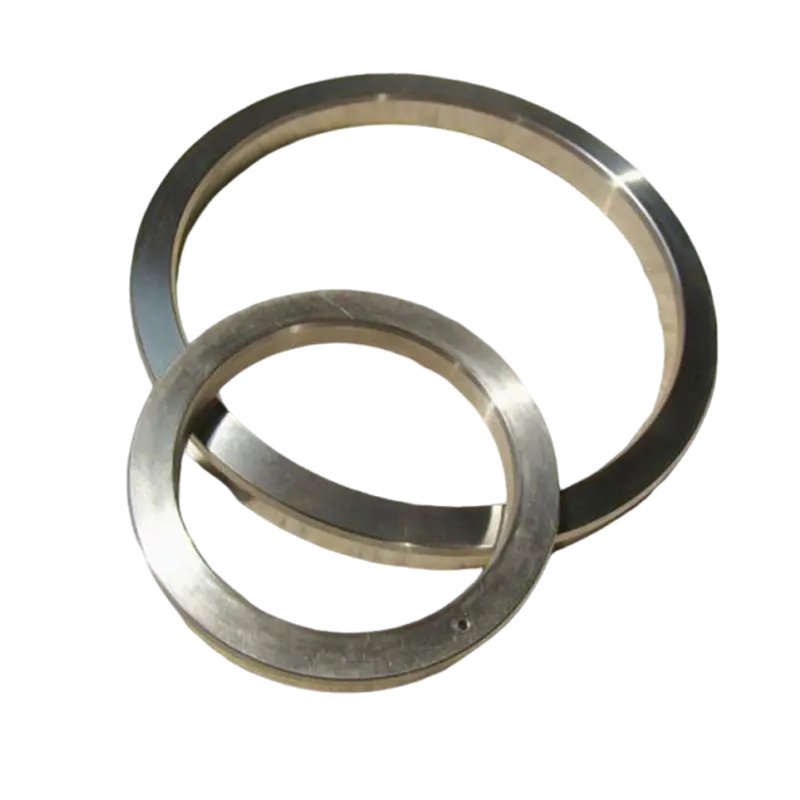
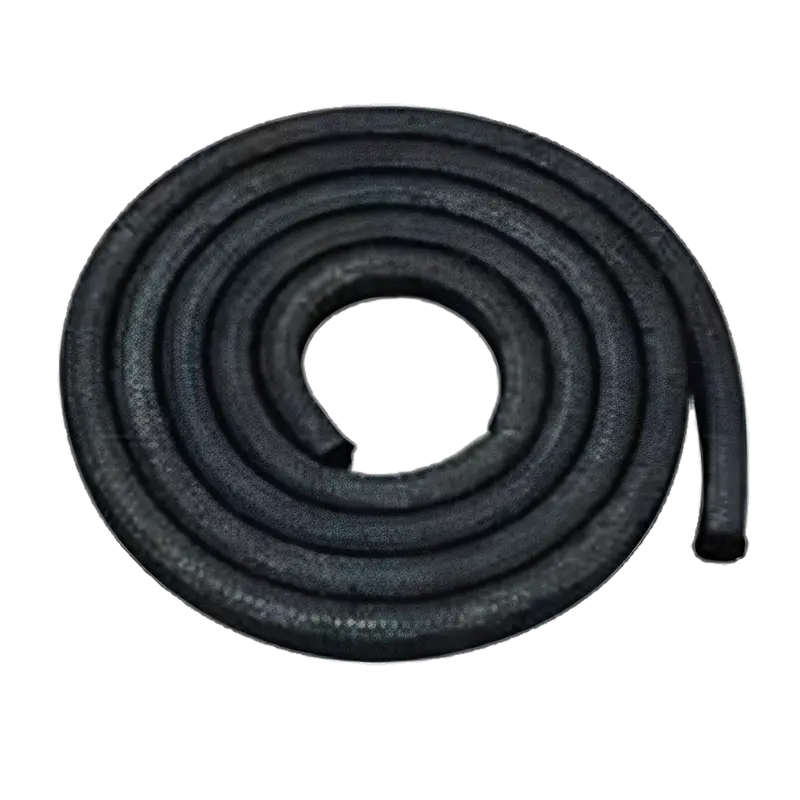
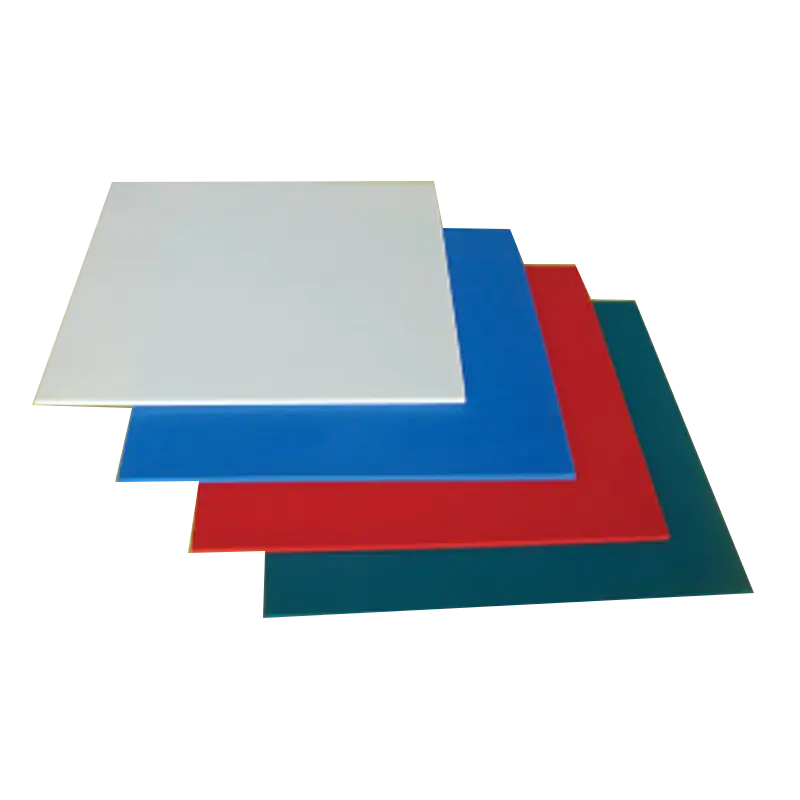
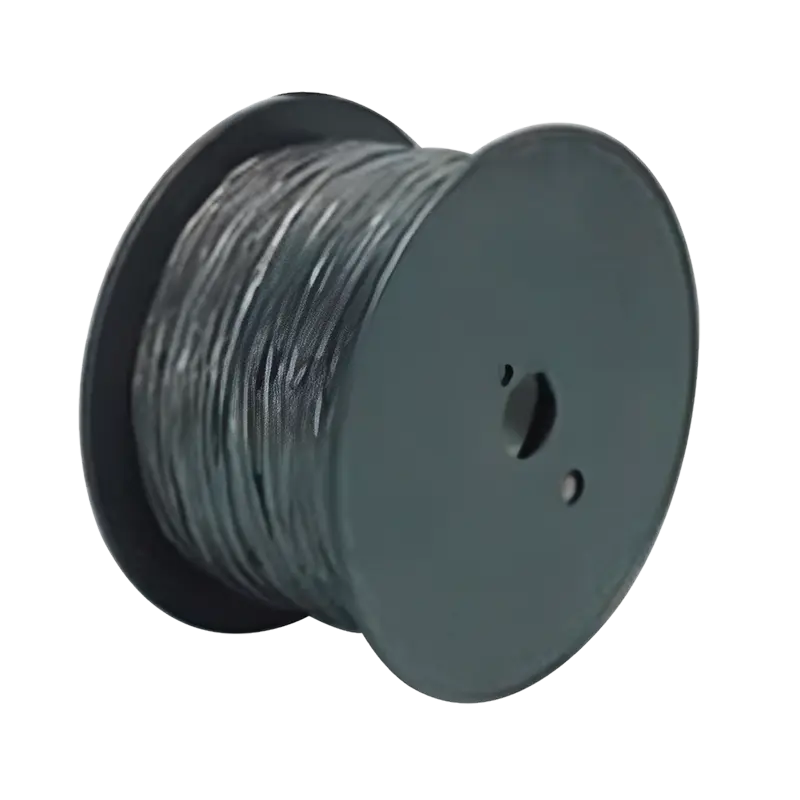

How long do Non-asbestos Gaskets typically last? This is a critical question for any engineer, maintenance manager, or procurement specialist responsible for industrial equipment uptime and safety. The lifespan of these essential sealing components isn't a simple number; it's a complex interplay of material science, operating conditions, and installation quality. Choosing the wrong gasket can lead to costly unplanned shutdowns, safety hazards, and production losses. This guide will demystify the factors affecting gasket longevity and provide actionable insights to help you make informed decisions and extend the service life of your seals. Understanding these variables is key to optimizing your maintenance schedules and total cost of ownership.
Article Outline:
Imagine this: a critical pump on your production line begins leaking. It's not a major spill, but a persistent drip of expensive, regulated chemicals. You schedule an emergency shutdown. Production halts. A maintenance crew is mobilized, the flange is disassembled, and you find the non-asbestos gasket has degraded and failed well before its expected service interval. The direct costs of replacement parts and labor are just the beginning. The real impact lies in hours of lost production, potential environmental fines, and safety risks for personnel. This scenario is all too common when gasket selection is based on price alone rather than engineered performance and longevity. The key to avoiding this is moving from reactive replacement to a proactive, knowledge-based sealing strategy.
Solution: Partnering with a technical specialist like Ningbo Kaxite Sealing Materials Co., Ltd. transforms this challenge. Instead of just selling a gasket, they provide a sealing solution. Their engineers analyze your specific application—considering fluid compatibility, pressure-temperature cycles, and flange conditions—to recommend the optimal non-asbestos material compound. This data-driven approach ensures the gasket is designed to last in your unique environment, preventing premature failure and its associated costs. For instance, their high-performance aramid fiber or graphite-based gaskets offer superior resilience and creep resistance compared to standard alternatives.

Key Parameters Influencing Early Failure:
| Pain Point / Failure Cause | Typical Symptom | Kaxite Solution Focus |
|---|---|---|
| Chemical Attack / Incompatibility | Swelling, softening, or dissolution of the gasket material. | Providing detailed chemical resistance charts and offering customized compound testing. |
| Excessive Temperature Fluctuations | Cracking, hardening, loss of sealing force. | Supplying materials with wide thermal stability ranges (e.g., flexible graphite). |
| Improper Installation & Bolt Torque | Uneven compression, blowouts, or leakage from the start. | Offering installation guides, torque specifications, and on-site training support. |
So, how long do non-asbestos gaskets typically last? The honest answer is: it depends. Service life can range from a few months in harsh, dynamic services to over a decade in stable, mild conditions. The primary deciders are the material composition and the operational envelope. Non-asbestos gaskets are not a single product but a family of materials, each with strengths and limitations. Aramid fiber (e.g., Kevlar®) gaskets excel in steam and hot oil services, while compressed non-asbestos sheets (CNAF) are versatile for general water, air, and mild chemicals. Flexible graphite is the champion for extreme temperatures and corrosive media. The lifespan is directly tied to how well the material's properties align with the application's demands for temperature, pressure, pH, and mechanical stress.
Solution: Ningbo Kaxite Sealing Materials Co., Ltd. addresses this complexity by offering a comprehensive portfolio of non-asbestos gasket materials. They empower procurement teams with clear technical data sheets, allowing for accurate cross-referencing of material properties against application requirements. Their expertise lies not just in manufacturing but in application engineering. By consulting with Kaxite, you move beyond guessing. They help you define the "typical" lifespan for your specific case by modeling the material behavior under your plant's conditions, leading to predictable maintenance and reliable sealing performance.
Material Selection Guide for Target Lifespan:
| Primary Service Condition | Recommended Non-Asbestos Material Type | Expected Service Life Range (Under Ideal Installation) |
|---|---|---|
| High-Temperature Steam & Hot Oils (up to 450°C) | Flexible Graphite, Aramid Fiber | 3 - 8+ years |
| General Purpose: Water, Air, Mild Chemicals | Compressed Non-Asbestos Fiber (CNAF) | 2 - 5 years |
| Aggressive Acids, Caustics, Solvents | PTFE-enriched, Specialty Elastomer Bonded | 1 - 4 years (highly fluid-dependent) |
| High Pressure & Flange Movement (Vibration) | High-Tensile Aramid, Metal-Reinforced Composites | 4 - 7+ years |
Even the best gasket material will underperform if not handled correctly. Longevity is a system-wide effort that begins the moment the gasket leaves the shelf. Proper storage prevents moisture absorption or deformation. Correct installation—including flawless flange surface preparation, alignment, and controlled bolt tightening using a calibrated torque wrench—is non-negotiable. Furthermore, implementing a regular inspection schedule for critical flanges can identify minor leaks or compression loss before they become catastrophic failures. This proactive maintenance philosophy, supported by quality components, is what separates high-uptime facilities from those plagued by reliability issues.
Solution: Ningbo Kaxite Sealing Materials Co., Ltd. provides more than just products; they are a partner in your reliability journey. They support these proactive strategies by supplying gaskets with consistent quality and dimensional accuracy, ensuring a perfect fit every time. Their packaging is designed for industrial storage. More importantly, they back their products with the technical documentation and support needed to train your teams on best-practice installation procedures. By choosing a supplier focused on total performance, like Kaxite, you invest in the entire lifecycle of the seal, maximizing the answer to "how long will it last?" for your operations.
Checklist for Extending Gasket Service Life:
| Phase | Best Practice Action | Impact on Lifespan |
|---|---|---|
| Storage & Handling | Store flat, in a cool, dry place away from UV light and ozone sources. | Prevents pre-installation degradation and deformation. |
| Flange Preparation | Clean flange faces thoroughly; remove all old gasket material and debris; check for flatness and scratches. | Ensures uniform sealing stress and prevents leak paths. |
| Installation | Use a cross-bolt tightening pattern with incremental torque steps to the specified value. | Achieves even compression, minimizing creep relaxation and stress concentrations. |
| Monitoring | Conduct periodic visual and thermal inspections of critical flanges during operation. | Enables predictive maintenance and planned replacement before failure. |
Q: We often hear a wide range for gasket life. What is the single biggest factor that determines how long a non-asbestos gasket will last?
A: While temperature, pressure, and media are crucial, the single biggest factor is often the stability of the operating environment. Constant, steady conditions are far less punishing than frequent thermal cycling, pressure surges, or vibration. A gasket rated for 300°C that experiences daily cycles from ambient to 300°C will fail much sooner than one operating at a constant 280°C. This is why understanding your actual process dynamics, not just the maximum design points, is essential for accurate life prediction and material selection.
Q: Can we simply replace an old asbestos gasket with a non-asbestos one of the same dimensions and expect similar longevity?
A: Not necessarily, and this is a common pitfall. While dimensional replacement is possible, the sealing behavior differs. Non-asbestos materials often require different bolt loads (torque) to seal effectively. Simply swapping them without reviewing the flange and bolting design can lead to leakage or crushing. A proper upgrade involves a full review of the application and potentially selecting a different non-asbestos grade (like one from Ningbo Kaxite Sealing Materials Co., Ltd.'s range) that matches the mechanical and chemical requirements, often leading to better performance and longevity than the original asbestos part when correctly specified.
We hope this guide has empowered you with a deeper understanding of non-asbestos gasket performance. The journey to maximizing seal life is continuous. We invite you to share your specific challenges or scenarios in the comments below. What's your toughest sealing application? Have you successfully extended gasket life in your plant? Let's discuss and learn from each other's experiences.
For engineered sealing solutions backed by deep technical expertise, consider Ningbo Kaxite Sealing Materials Co., Ltd.. As a specialized manufacturer, Kaxite is dedicated to solving complex sealing challenges with a wide range of high-performance non-asbestos gasket materials. They focus on providing reliable, long-lasting products and the application support to ensure success. Visit their website at https://www.kxtsealing.net to explore their products and resources. For specific technical inquiries or to discuss your project needs, you can contact their team directly via email at [email protected].
Park, J., & Lee, K. (2018). Creep Relaxation Behavior of Compressed Non-Asbestos Fiber Sheet Gaskets under Elevated Temperature. Journal of Pressure Vessel Technology, 140(3), 031205.
Smith, R. A., & Jones, B. T. (2020). Long-Term Performance of Aramid Fiber Reinforced Gaskets in Petrochemical Steam Service. Sealing Technology, 2020(5), 12-17.
Zhang, L., Wang, H., & Chen, F. (2019). Effects of Flange Surface Finish on the Sealing Performance of Flexible Graphite Gaskets. International Journal of Mechanical Sciences, 157-158, 574-583.
Miller, C. D., et al. (2017). Comparative Study of Non-Asbestos Gasket Materials in Aggressive Acid Environments. Corrosion Science, 124, 1-11.
Tanaka, Y., & Sato, M. (2021). A Life Prediction Model for Rubber-Bonded Non-Asbestos Gaskets Subjected to Thermal Cycling. Polymer Testing, 93, 106957.
European Sealing Association. (2019). Guideline for the Installation of Static Seals – Non-Asbestos Sheet Gaskets. ESA Handbook, 2nd Edition.
Kumar, S., & Patel, V. (2016). Experimental Investigation of Bolt Load Retention in Non-Asbestos Composite Gaskets. Journal of Materials Engineering and Performance, 25(8), 3456-3465.
Johnson, P., et al. (2020). The Influence of Media pH on the Degradation Rate of Cellulose-Based Non-Asbestos Gasketing. Journal of Applied Polymer Science, 137(25), 48822.
Li, X., & Otsuka, T. (2018). Finite Element Analysis of Stress Distribution in Non-Asbestos Gaskets under Combined Internal Pressure and Thermal Load. ASME Conference Proceedings, PVP2018-84015.
Brown, A. L. (2022). Advancements in High-Temperature, Non-Asbestos Gasket Materials for Energy Applications. Materials Today: Proceedings, 52(Part 4), 2101-2105.


