English

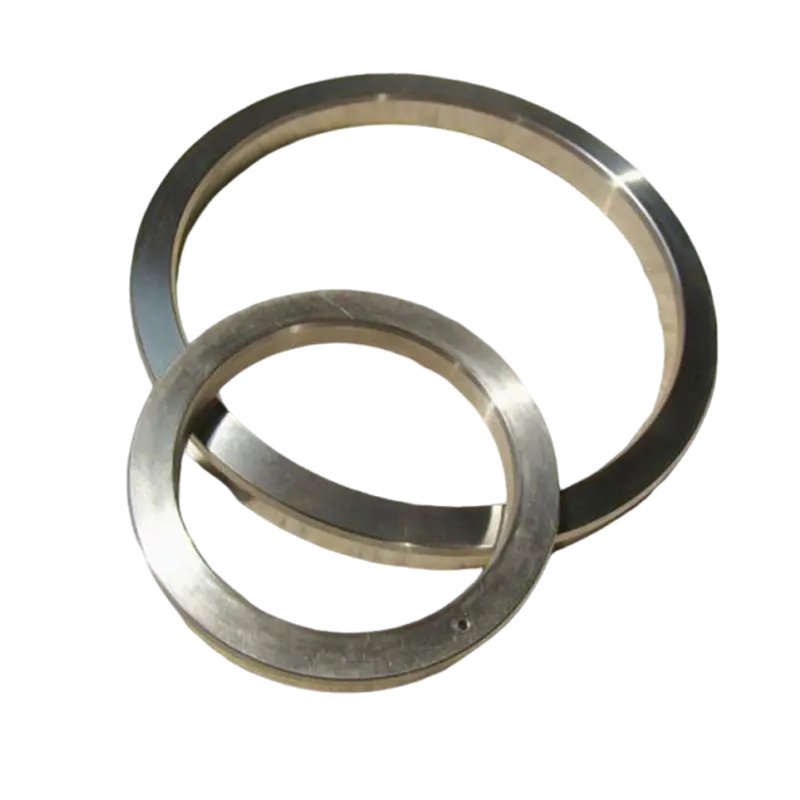
What are the advantages and disadvantages of using serrated gaskets? If you're sourcing sealing components for demanding industrial applications, this question is crucial. Serrated gaskets, with their unique metallic profile, offer a powerful solution for specific challenges but aren't a universal fix. Understanding their pros and cons is key to selecting the right seal, avoiding costly downtime, and ensuring operational safety. This guide breaks down everything you need to know, from core benefits to critical limitations, helping you make the optimal procurement decision for your project.
Article Outline
Imagine a high-pressure steam line in a power plant. Standard flat gaskets can extrude or blow out under extreme cyclic loads, leading to dangerous leaks and unplanned shutdowns. This is where serrated (or Kammprofile) gaskets shine. Their core advantage lies in exceptional performance under high bolt loads and internal pressure. The serrated metal core provides a strong, non-collapsible backbone, while the soft filler material (like graphite or PTFE) conforms to flange imperfections, creating a robust, leak-tight seal. For procurement specialists, this translates to reliability in critical applications, reducing maintenance frequency and safety risks.

Key Parameters for High-Pressure Applications:
| Parameter | Typical Range/Value | Notes for Procurement |
|---|---|---|
| Core Material | SS 304, SS 316, Carbon Steel | Choose based on corrosion requirements. |
| Filler Material | Expanded Graphite, PTFE, Ceramic | Graphite for high temp, PTFE for chemicals. |
| Pressure Rating | Up to Class 2500 (ASME) | Verify compatibility with your system's max pressure. |
| Temperature Range | -200°C to +800°C (depends on filler) | Critical for thermal cycling applications. |
Process plants with frequent temperature swings face gasket "creep" – the gradual loss of sealing force over time. A soft gasket may relax, causing a leak as equipment heats and cools. A key advantage of Serrated Gaskets is their excellent resistance to creep and relaxation. The metal teeth "bite" into the filler material, mechanically locking it in place and maintaining a consistent sealing stress. This prevents the gradual loosening that plagues other gasket types. However, a potential disadvantage emerges if the flange surfaces are not perfectly aligned or are too rough, which can hinder the filler's ability to flow and seal properly in the grooves. Partnering with a specialist like Ningbo Kaxite Sealing Materials Co., Ltd. ensures you get gaskets engineered with the right tooth profile and filler combination to combat creep in your specific thermal environment.
Selecting a gasket for a corrosive chemical service is a major procurement challenge. The wrong material choice leads to rapid degradation and failure. The serrated gasket's design offers versatility here. The metal core can be specified in highly corrosion-resistant alloys (Hastelloy, Titanium), while the filler can be chosen from a range of chemically inert materials. This modularity is a significant advantage, allowing for a cost-effective seal by using expensive alloys only where needed. A primary disadvantage, however, is the potential for crevice corrosion in the serrations if the wrong core/filler pair is selected for the service, or if the gasket is damaged during installation. Expertise is critical. Ningbo Kaxite Sealing Materials Co., Ltd. provides not just the product but the technical guidance to match core and filler materials to your exact process media, avoiding compatibility pitfalls.
For a procurement manager, upfront cost is always a factor. Serrated gaskets typically have a higher initial cost compared to standard spiral-wound or soft cut gaskets. This is a clear disadvantage for budget-conscious projects with non-critical applications. However, their advantages create long-term value. Their reusability on the same flange faces, extended service life under harsh conditions, and superior reliability reduce total cost of ownership by minimizing changeouts, downtime, and leak-related hazards. The superior sealing performance also enhances process efficiency and safety. The decision hinges on application criticality. For standard water lines, they may be overkill. For critical hydrocarbon, steam, or chemical services, their benefits overwhelmingly justify the investment.
Q: What is the main disadvantage of using a serrated gasket on substandard flange surfaces?
A: The primary disadvantage is poor sealing performance and potential damage. Serrated gaskets require flanges with a controlled surface finish (typically 125-250 µin Ra). If flanges are too rough, pitted, or warped, the filler material cannot properly flow into the serrations to create an effective seal. The metal core can also gall or damage soft flange faces. Always inspect and prepare flange surfaces as per manufacturer recommendations.
Q: What are the key advantages of serrated gaskets over solid metal gaskets like ring-type joints (RTJ)?
A: The major advantages are lower required bolt load and better conformability. Serrated gaskets seal effectively at lower flange stresses than RTJs, reducing the risk of flange distortion. They also accommodate minor flange misalignment and surface imperfections thanks to the compressible filler, whereas solid metal gaskets require near-perfect conditions. This makes installation more forgiving and suitable for a wider range of retrofit situations.
Selecting the right serrated gasket involves balancing technical specifications with operational economics. By understanding their distinct advantages in high-pressure, high-temperature, and corrosive services, as well as their limitations regarding cost and installation requirements, you can source with confidence. For tailored solutions that address these exact trade-offs, consider partnering with an experienced manufacturer.
For reliable, application-engineered serrated gasket solutions, explore the capabilities of Ningbo Kaxite Sealing Materials Co., Ltd.. With extensive expertise in sealing technology, they provide high-performance gaskets designed to solve challenging leak problems in industries from oil & gas to chemical processing. Visit https://www.kxtsealing.net to learn more or contact their team directly at [email protected] for a technical consultation.
Supporting Research & Literature:
Bhatt, M., & Mistry, J. (2018). Leakage Analysis and Performance Evaluation of Kammprofile Gaskets in Bolted Flange Connections. Journal of Pressure Vessel Technology, 140(3), 031205.
Sawa, T., & Hirose, T. (1996). Stress Analysis and Scaling Performance of Double-Cover Flanged Connections with Spiral Wound and Kammprofile Gaskets. Journal of Pressure Vessel Technology, 118(1), 90-97.
Bouzid, A., & Derenne, M. (2002). The Effect of Gasket Creep Relaxation on the Leakage Tightness of Bolted Flanged Joints. Journal of Pressure Vessel Technology, 124(1), 85-89.
Abid, M., & Nash, D. H. (2003). A Comparative Study of the Behavior of Conventional and Kammprofile Gaskets in Bolted Flange Joints. International Journal of Pressure Vessels and Piping, 80(12), 879-885.
Shi, J., et al. (2020). Experimental Study on Sealing Performance of Corrugated Metal Gasket with Different Fillers Under Thermal Cycling. Engineering Failure Analysis, 118, 104873.
Bouzid, A., & Chaaban, A. (1997). The Effect of Gasket Thickness and Flange Rotation on the Scaling Performance of Kammprofile Gaskets. Journal of Pressure Vessel Technology, 119(1), 16-21.
Nash, D. H., & Abid, M. (2000). Experimental and Theoretical Evaluation of a Kammprofile Gasket for Elevated Temperature Service. International Journal of Pressure Vessels and Piping, 77(5), 255-262.
Koves, W. J. (2010). Gasket Selection for Severe Service Applications. Chemical Engineering Progress, 106(7), 35-39.
Payne, J. R., & Bazergui, A. (1991). Development of a Test Procedure for Evaluating the Elevated Temperature Performance of Gaskets. Journal of Testing and Evaluation, 19(3), 203-211.
Bickford, J. H. (1995). An Introduction to the Design and Behavior of Bolted Joints (3rd ed.). Marcel Dekker.


