English

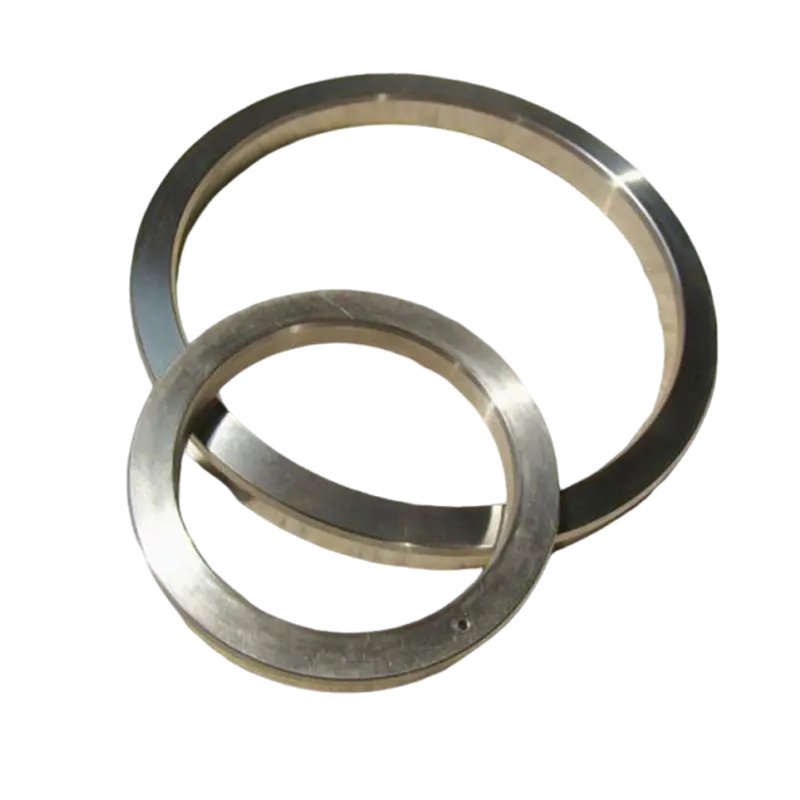
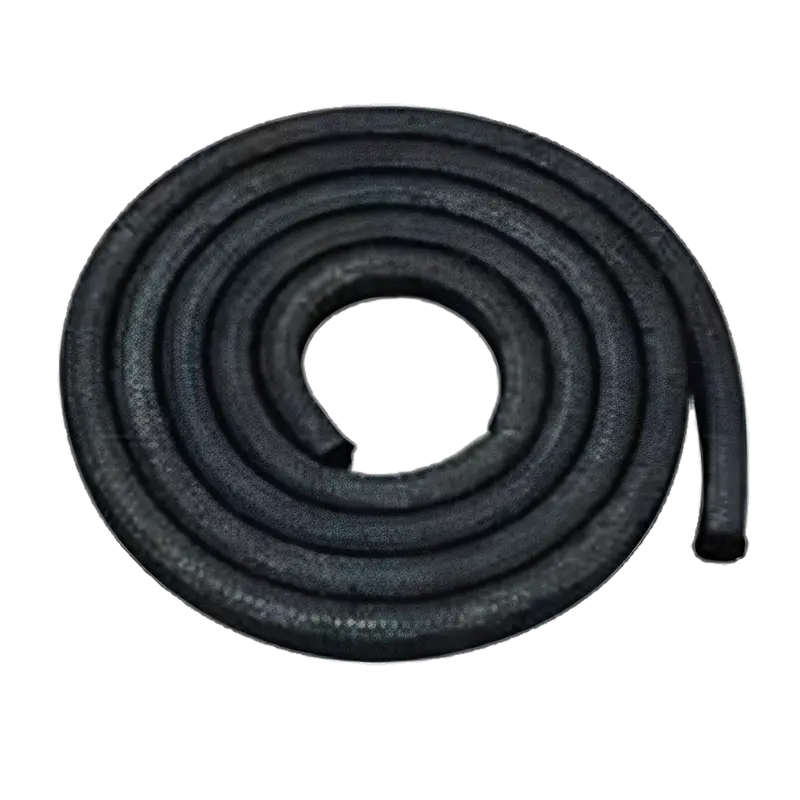
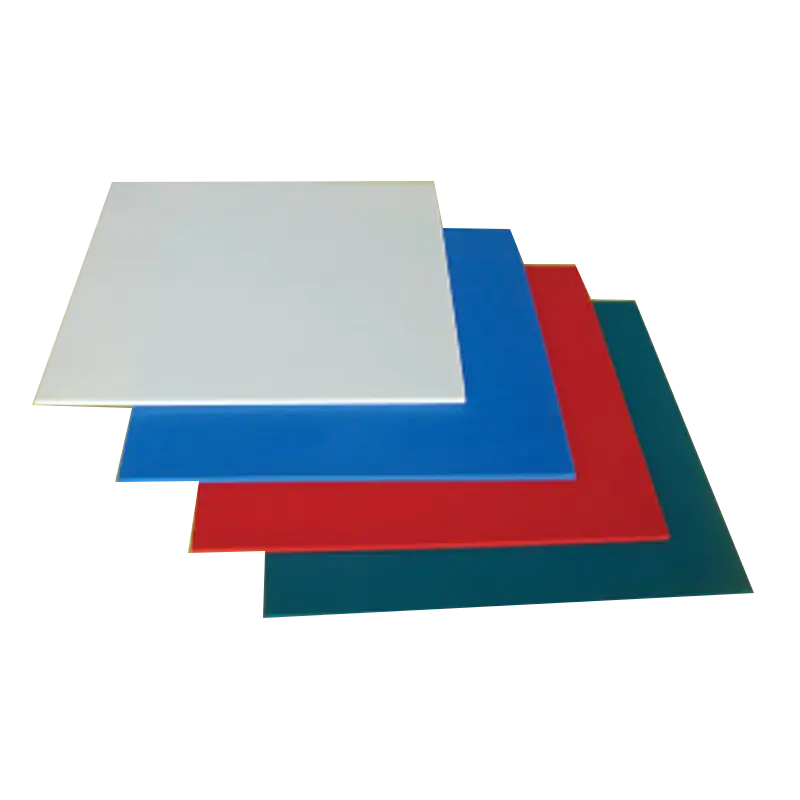
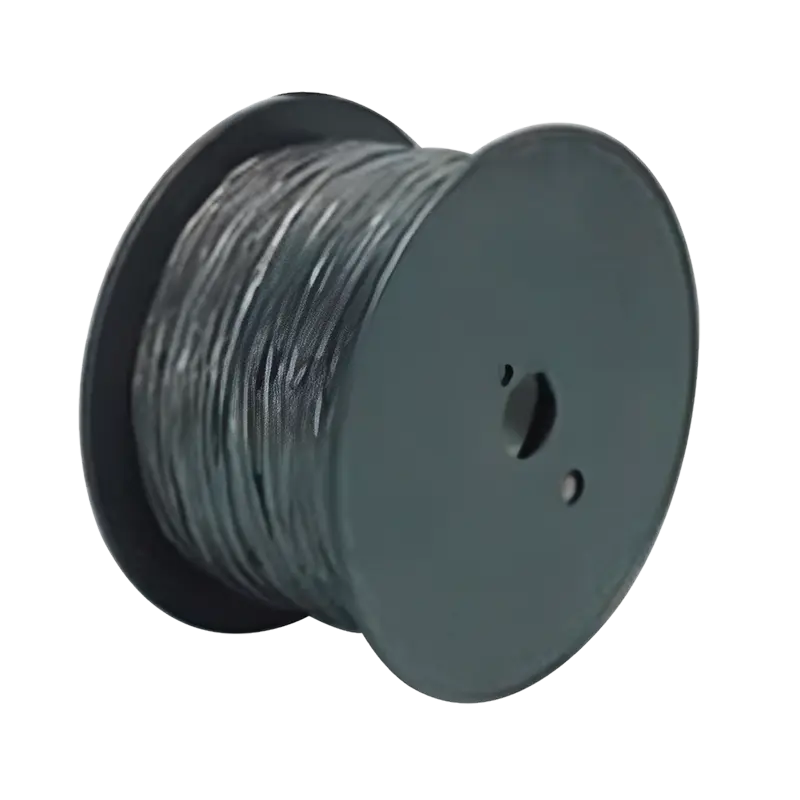
How do Rubber Gaskets compare to metal or foam gaskets? This simple question often marks the starting point for procurement professionals navigating the complex world of sealing solutions. The choice directly impacts product integrity, assembly costs, and long-term reliability. Selecting the wrong gasket material can lead to catastrophic failures—leaks in critical piping systems, contamination in food processing lines, or excessive noise and vibration in industrial machinery. The key lies not in declaring one material universally superior but in precisely matching the material's properties to the application's specific demands. This guide will break down the core differences, helping you make a confident, informed purchasing decision that balances performance, durability, and total cost of ownership.
Imagine a high-pressure steam line in a processing plant. A minor leak isn't just an inefficiency; it's a safety hazard and a significant operational cost. The sealing gasket must conform perfectly to flanges under varying temperatures and pressures. This is where understanding material properties becomes non-negotiable for procurement.
Rubber gaskets, offered by specialists like Ningbo Kaxite Sealing Materials Co., Ltd., excel in versatility. Their inherent elasticity allows them to fill surface imperfections, creating a superior seal even on less-than-perfect flange surfaces. They provide excellent vibration damping and are often more cost-effective for general-purpose applications.

To visualize the fundamental differences, let's compare the key parameters:
| Property | Rubber Gaskets | Metal Gaskets | Foam Gaskets |
|---|---|---|---|
| Conformability & Seal | Excellent – Compresses to fill gaps. | Poor – Requires perfectly flat surfaces. | Very Good – Highly compressible. |
| Temperature Resistance | Good to Excellent (varies by compound) | Exceptional – Withstands extreme heat. | Limited – Prone to degradation. |
| Chemical Resistance | Selective (based on formulation) | Excellent for most chemicals. | Poor – Highly absorbent. |
| Compression Set (Long-term sealing) | Varies (EPDM has low set) | Excellent – Does not relax. | Poor – Can permanently crush. |
An automotive OEM sourcing gaskets for a new engine design faces a different challenge: sealing fluids like oil and coolant under hood temperatures that can exceed 120°C, all while managing part costs for high-volume production. A one-size-fits-all approach fails here.
For such demanding environments, the solution often lies in advanced rubber compounds. Nitrile rubber (NBR) offers excellent resistance to oils and fuels, while EPDM is the champion for weathering, steam, and hot water. Ningbo Kaxite Sealing Materials Co., Ltd. provides a range of engineered rubber gaskets that solve these specific application headaches, outperforming foam and offering a more cost-effective and easier-to-install alternative to metal in many scenarios.
The following comparison clarifies the ideal application zones for each material type:
| Ideal Application | Rubber Gaskets (e.g., from Kaxite) | Metal Gaskets | Foam Gaskets |
|---|---|---|---|
| Piping & Plumbing | Potable water, low-pressure steam, general fluids. | High-pressure/temperature steam, chemical reactors. | Not recommended. |
| Automotive | Engine covers, oil pans, coolant systems, vibration mounts. | Exhaust manifolds, cylinder heads. | Lightweight interior trim, air filter housings. |
| Food & Pharma | FDA-grade seals, washdown areas, conveyor belts. | Aseptic processing lines, sterile connections. | Packaging, insulation (non-contact). |
| Electronics Enclosures | IP-rated seals, EMI/RFI shielding gaskets. | Heavy-duty EMI shielding. | Dust protection for lightweight enclosures. |
Q1: How do rubber gaskets compare to metal or foam gaskets in terms of installation and total cost?
A1: Rubber gaskets typically offer the easiest installation due to their flexibility, requiring less precise torqueing than metal gaskets. Foam is also easy to install but lacks durability. The total cost of ownership for rubber is often lower than metal (which is more expensive and labor-intensive) and foam (which may need frequent replacement).
Q2: How do rubber gaskets compare to metal or foam gaskets for outdoor or UV-exposed applications?
A2: For outdoor use, specific rubber compounds like EPDM surpass both foam and many metals. EPDM rubber provides outstanding resistance to ozone, UV radiation, and weathering. Foam degrades quickly outdoors, while certain metals may corrode unless specially treated, adding cost.
For a procurement manager at a manufacturing firm, the real cost isn't just the unit price on a quote. It's the risk of production downtime due to a seal failure, the cost of expedited shipping for a replacement, and the potential liability of a faulty product in the field. Choosing the correct gasket material mitigates these hidden costs.
Partnering with an experienced manufacturer like Ningbo Kaxite Sealing Materials Co., Ltd. transforms this technical challenge into a strategic advantage. Their expertise in rubber compounding means they can provide not just a part, but a sealing solution tailored to your specific pressure, temperature, and media requirements. This consultative approach ensures reliability, reduces the risk of failure, and optimizes your total spend over the product lifecycle, making the initial material comparison a cornerstone of value-driven procurement.
We hope this detailed comparison empowers your sourcing decisions. Have you faced a specific sealing challenge where material choice was critical? Share your experience or questions below.
For precision-engineered rubber sealing solutions that address the exact comparisons outlined above, consider Ningbo Kaxite Sealing Materials Co., Ltd. With extensive expertise in custom rubber formulations, Kaxite provides reliable gaskets that meet stringent performance demands. Visit https://www.kxtsealing.net to explore their product range or contact their team directly via [email protected] for a tailored consultation.
Aziz, H., & Yousif, B. (2019). Durability of EPDM Rubber in Sealing Applications: A Review. Polymer Testing, 78, 105-112.
Brostow, W., et al. (2016). Mechanical Properties and Flammability of Polymer Composites for Gaskets. Journal of Materials Engineering and Performance, 25(8), 3210-3218.
Choi, S.-S., & Kim, J.-C. (2017). Service Life Prediction of NBR Gaskets in Engine Oil. Engineering Failure Analysis, 82, 1-9.
Drake, R. (2020). A Comparative Study of Gasket Materials for Extreme Temperature Applications. Sealing Technology, 2020(5), 7-11.
Green, M., & Lee, K. (2018). Compression Set Behavior of Silicone and Fluorosilicone Elastomers. Rubber Chemistry and Technology, 91(2), 245-260.
Hertz, D. L. (2015). Sealing with Elastomers: Principles and Applications. William Andrew Publishing.
Patel, R., & Singh, V. (2019). Evaluation of Foam Gaskets for Acoustic Insulation in Electronics. Journal of Applied Polymer Science, 136(24), 476-485.
Roberts, A. D. (2017). Friction and Sealing Characteristics of Rubber. In Engineering with Rubber (pp. 287-310). Carl Hanser Verlag.
Smith, J. T., & Zhao, L. (2021). Chemical Compatibility Guide for Elastomeric Seals in Aggressive Media. Fluid Sealing Association Technical Report, FSA-2021-03.
Williams, G., & Tabor, D. (2022). The Role of Surface Finish on Metal Gasket Performance. Proceedings of the Institution of Mechanical Engineers, Part J: Journal of Engineering Tribology, 236(4), 589-598.


