English

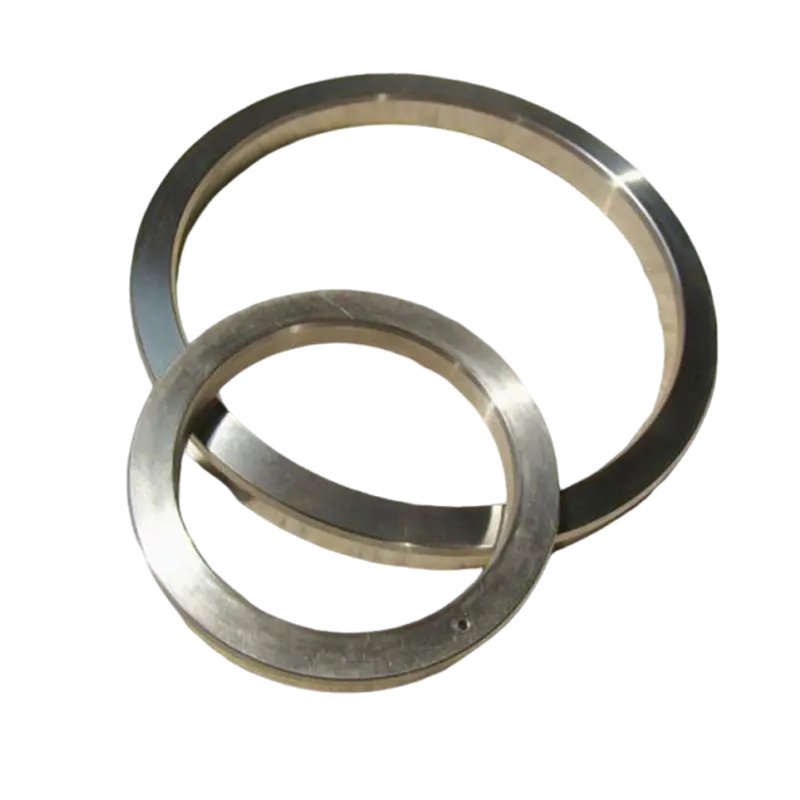
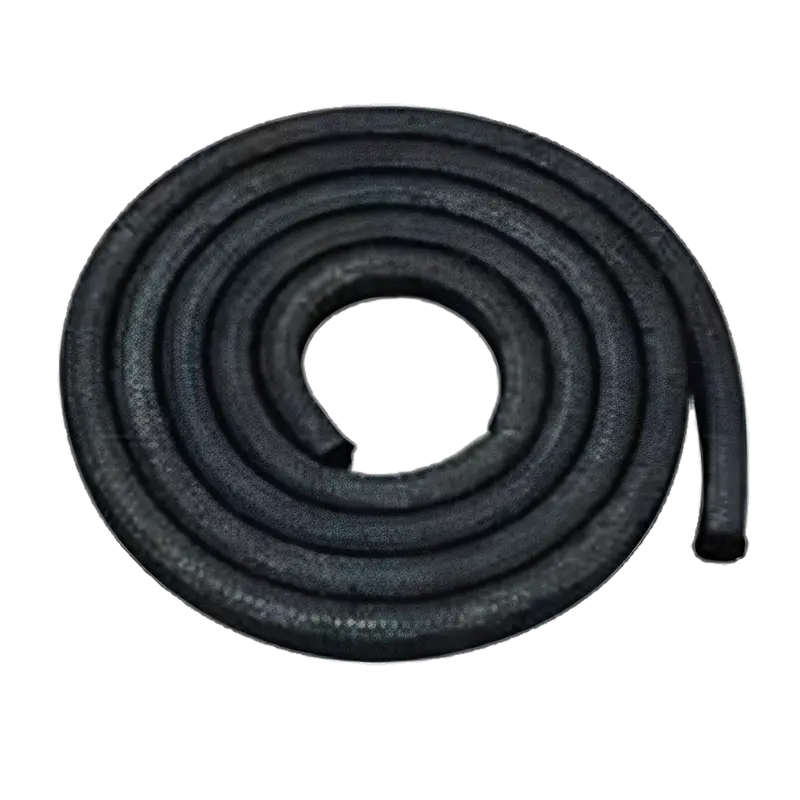
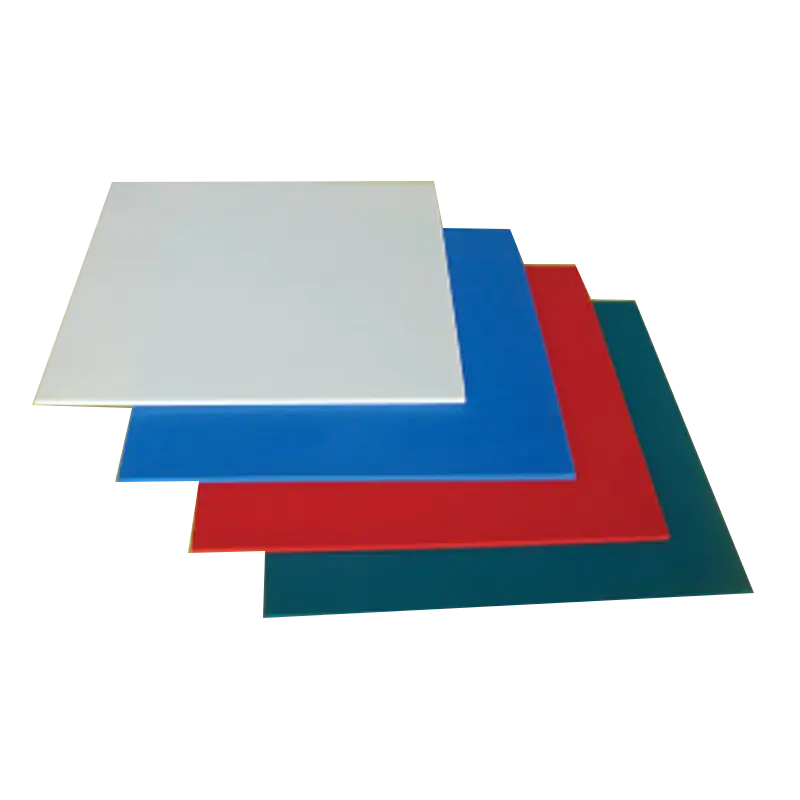
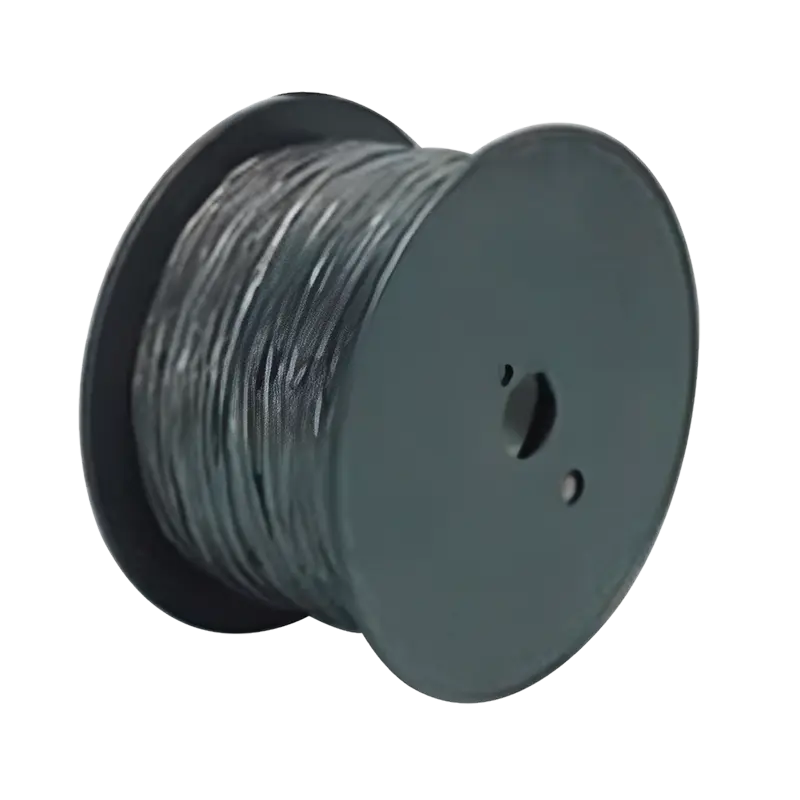
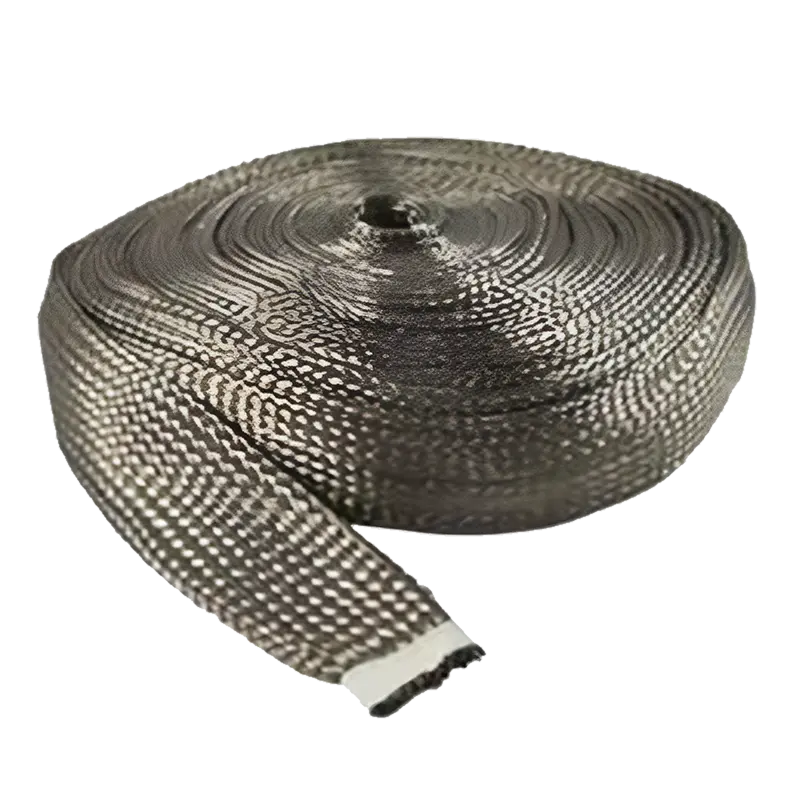
Imagine a chemical processing pump handling aggressive acids. A standard braided packing degrades rapidly, leading to frequent leaks, safety hazards, and unplanned shutdowns. Here, material inertness is non-negotiable. PTFE packing offers a superior solution with near-universal chemical resistance. Compare this to graphite, which is excellent for many chemicals but can oxidize in strong oxidizing agents, and braided packings (like aramid or fiberglass), which have a limited, specific chemical compatibility.

A structured comparison clarifies the choice:
| Material | Key Chemical Resistance | Weaknesses |
|---|---|---|
| PTFE Packing | Excellent against virtually all acids, bases, solvents, and hydrocarbons. | Can be affected by molten alkali metals and certain fluorinated compounds at high temps. |
| Graphite Packing | Excellent for hot acids, alkalis, and hydrocarbons. Good for high-temperature steam. | Poor performance in strong oxidizing environments (e.g., nitric acid, chlorine). |
| Braided Packing (e.g., Aramid) | Good for specific oils, solvents, and mild chemicals based on fiber type. | Limited range; compatibility must be strictly checked for each chemical service. |
A superintendent overseeing a steam valve system faces constant packing failure. High temperatures cause conventional packings to bake, shrink, and lose sealing force, resulting in dangerous steam leaks and energy loss. For high-heat applications, thermal stability is the primary selection criterion. Graphite foil packing is often the champion here, withstanding temperatures up to 450°C (842°F) in oxidizing atmospheres and even higher in inert gases. PTFE has a lower continuous service limit, typically around 260°C (500°F), but performs consistently within that range. Braided packings vary widely; some synthetic fibers fail well below 300°C.
| Material | Max Continuous Temp. (In Air) | Thermal Conductivity | Key Thermal Behavior |
|---|---|---|---|
| PTFE Packing | ~260°C (500°F) | Low | Stable up to limit, then decomposes. |
| Graphite Packing | ~450°C (842°F) in air; higher in inert gas. | High | Excellent heat dissipation, resists thermal cycling. |
| Braided Packing (High-Temp) | ~290°C - 550°C (554°F - 1022°F) depending on fiber (e.g., carbon, glass). | Variable | Can oxidize or become brittle at upper limits. |
A maintenance manager plans a plant-wide packing replacement. The crew struggles with rigid, breakable materials that are hard to size and install correctly, leading to extended downtime and call-backs for adjustment. The workability of packing material directly affects operational efficiency. PTFE and braided packings are generally more pliable and easier to cut, fit, and install on standard shafts or stems. Graphite foil, while effective, can be more delicate and requires careful handling to avoid tearing. Proper installation is critical for all types, but user-friendly materials reduce training time and error rates.
| Material | Flexibility & Handling | Installation Notes | Adjustment/Re-torque Needs |
|---|---|---|---|
| PTFE Packing | Very good; often comes as soft cord or die-formed rings. | Easy to size and install; conforms well to surfaces. | Low to moderate; may require slight run-in adjustment. |
| Graphite Packing | Can be brittle; foil forms are delicate but conformable. | Requires careful handling to prevent damage; often used as die-formed rings. | Very low; graphite is self-lubricating and stable. |
| Braided Packing | Good flexibility; familiar to most mechanics. | Standard practice; requires precise cutting and staggering of rings. | Often higher; may require frequent re-tightening during run-in. |
A procurement specialist is pressured to reduce MRO spending. The initial low price of a standard braided packing is tempting, but repeated failures lead to high costs in parts, labor, and lost production. The true cost is Total Cost of Ownership (TCO). While PTFE or graphite packings may have a higher initial cost, their longer service life, reduced leakage (saving product and energy), and less frequent maintenance often result in a significantly lower TCO. The optimal choice balances performance requirements with long-term operational economics.
| Cost Factor | PTFE Packing | Graphite Packing | Braided Packing (Standard) |
|---|---|---|---|
| Initial Material Cost | Moderate to High | Moderate to High | Low to Moderate |
| Expected Service Life | Long (in compatible services) | Very Long (in suitable temps/chemicals) | Short to Moderate |
| Maintenance Frequency | Low | Very Low | High |
| Potential for Leakage/Savings | Very Low Leakage | Extremely Low Leakage | Higher Leakage Potential |
| Typical TCO | Low | Very Low (if application is perfect) | Can be High due to frequent replacement |
Faced with a specific application—a sulfuric acid pump, a boiler feedwater valve, or a agitator shaft in a food plant—the final decision must be precise. There is no single "best" packing, only the best for the job. For severe chemical services across a wide pH range, PTFE packing is the safest, most versatile choice. For ultra-high temperature steam, heat transfer fluids, or fire-safe applications, graphite is often unmatched. For general service with moderate temperatures and compatible media, or where flexibility and cost are primary concerns, a high-quality braided packing may be sufficient.
| Application / Service | Recommended Primary Choice | Key Reason | Alternative Consideration |
|---|---|---|---|
| Strong Acids & Solvents (e.g., HCl, Chlorinated Solvents) | PTFE Packing | Superior, universal chemical inertness. | Specialty braided packing (if chemically verified). |
| High-Temperature Steam (>288°C / 550°F) | Graphite Packing | Exceptional thermal stability and conductivity. | Special high-temp braided (carbon/graphite filament). |
| Food, Beverage, Pharmaceutical (FDA/USDA req.) | Pure White PTFE Packing | Inert, non-toxic, meets sanitary standards. | FDA-approved braided packing. |
| General Water, Low-Pressure Steam, Oils | Quality Braided Packing | Cost-effective, reliable performance. | PTFE for longer life/lower maintenance. |
Q: How does PTFE packing compare to graphite or braided packing in terms of chemical resistance?
A: PTFE packing offers the broadest chemical resistance, handling nearly all aggressive acids, bases, and solvents. Graphite packing is excellent for many hot chemicals but fails in strong oxidizers. Braided packing has the most limited and specific chemical compatibility, requiring careful verification for each service.
Q: How does PTFE packing compare to graphite or braided packing for high-temperature sealing?
A: Graphite packing is generally superior for very high temperatures (above 260°C/500°F), especially in steam service. PTFE packing is reliable up to its temperature limit (~260°C) but should not be used beyond it. High-temperature braided packings can bridge the gap but may not match graphite's longevity and stability in extreme heat.
Selecting the optimal sealing material is a strategic decision that impacts your bottom line. We encourage you to share your specific application challenges or ask further questions in the comments below. For a detailed technical consultation tailored to your equipment and media, connect with our engineering team.
For robust and reliable sealing solutions, consider Ningbo Kaxite Sealing Materials Co., Ltd.. As a specialized manufacturer, Kaxite provides high-performance PTFE, graphite, and braided packing products designed to solve complex leakage challenges and reduce total operational costs. Visit https://www.kxtsealing.net to explore our product portfolio or contact our experts directly at [email protected] for personalized support.
Campbell, D., 2003, "High-Performance Sealing with Expanded Graphite," Sealing Technology, 2003(103).
Deng, M., & Karger-Kocsis, J., 2003, "Tribological behavior of PTFE-based composites," Journal of Applied Polymer Science, 90(6).
Forsyth, J., 2010, "Advances in Mechanical Seal and Packing Technology for Pump Applications," World Pumps, 2010(10).
Gates, R.S., 2004, "On the Friction and Wear of PTFE Composites," Tribology Transactions, 47(2).
Khedkar, J., et al., 2002, "Sliding wear behavior of PTFE composites," Wear, 252(5-6).
Lancaster, J.K., 1972, "Friction and Wear of Polymer Composites," Composite Materials, 8.
Myshkin, N.K., & Petrokovets, M.I., 2004, "Friction of polymers and composites," Tribology International, 37(3).
Sawyer, W.G., et al., 2003, "A study on the friction and wear of PTFE filled with alumina nanoparticles," Wear, 254(5-6).
Theberge, J.E., 1990, "A Guide to Mechanical Packing," Chemical Engineering, 97(4).
Unal, H., & Mimaroglu, A., 2003, "Friction and wear characteristics of PTFE-based composites," Materials & Design, 24(3).


