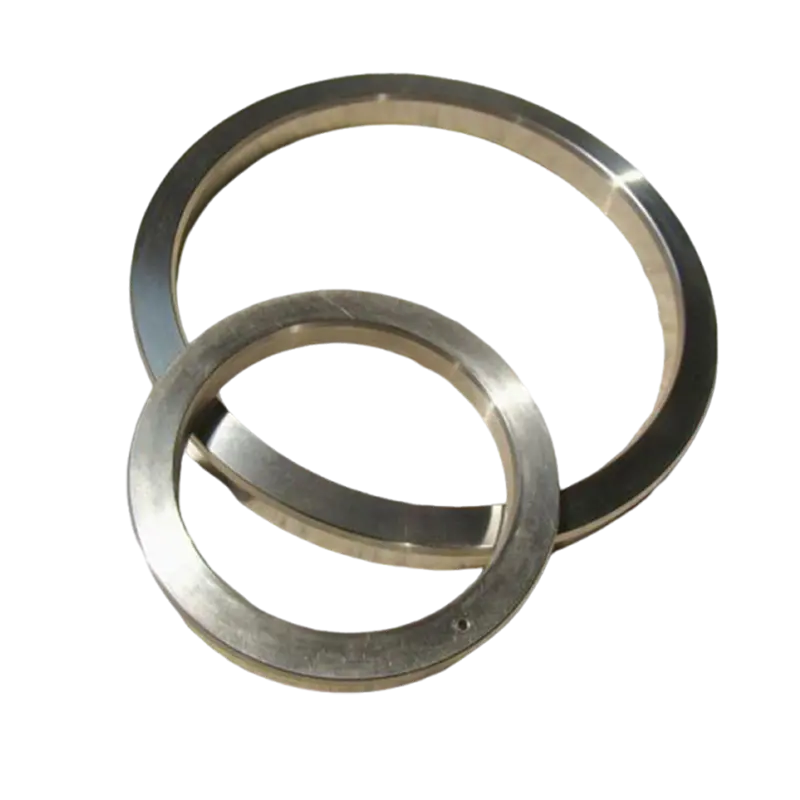
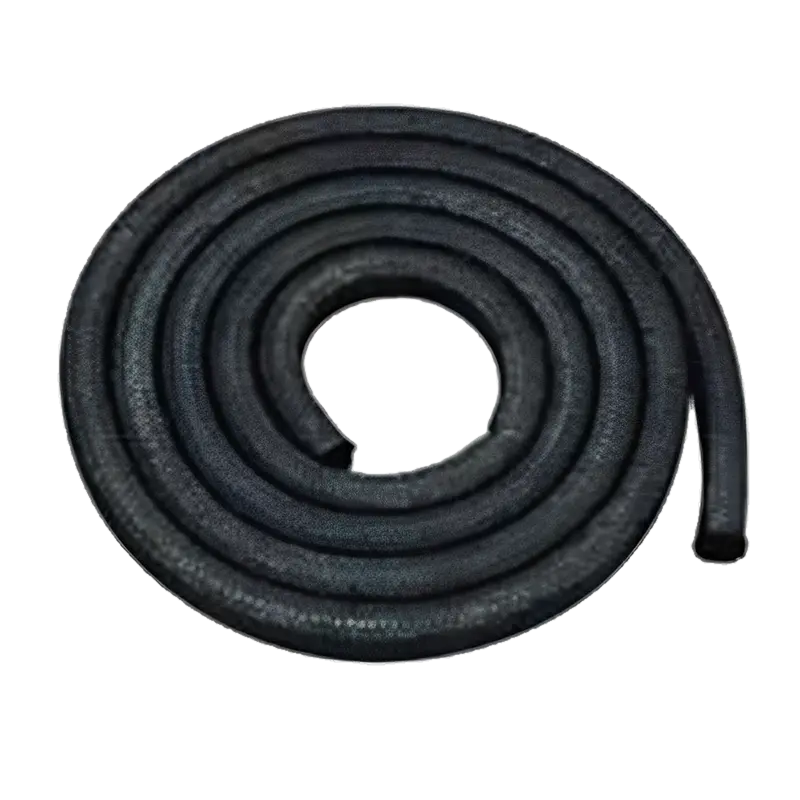
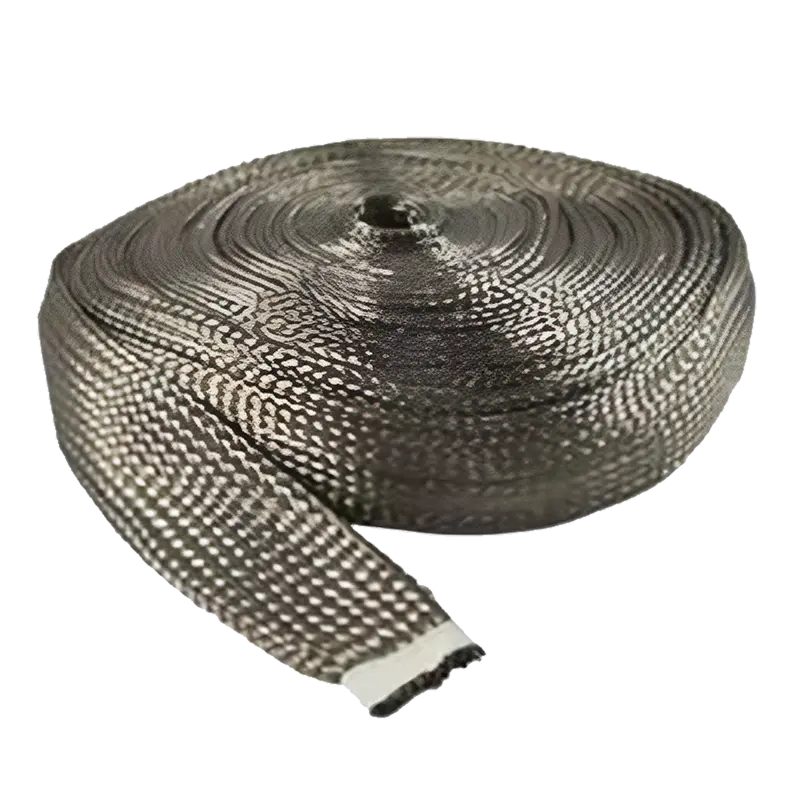
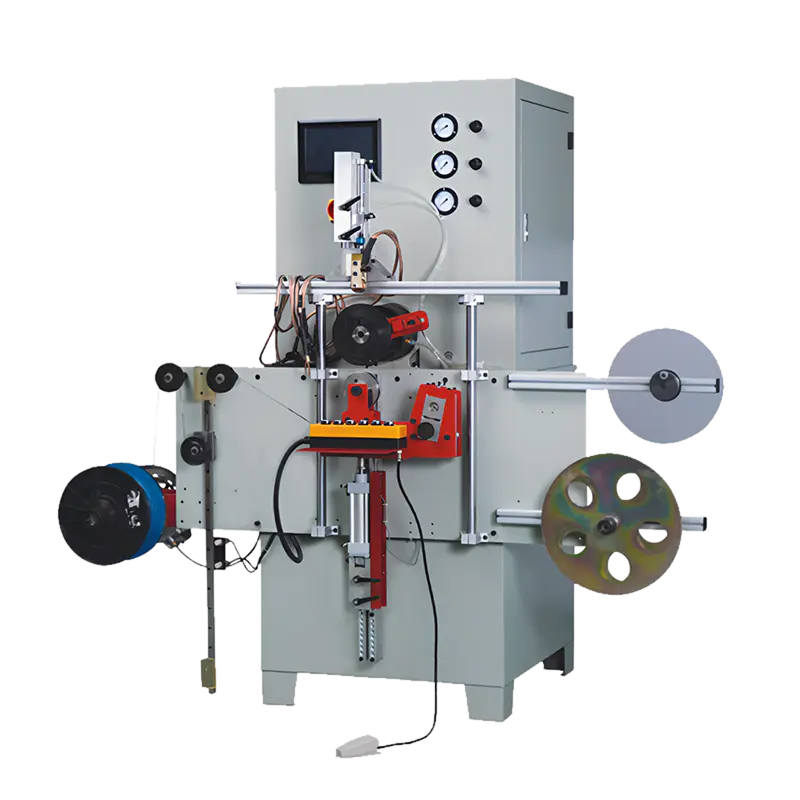
Can molded packing rings be used for sealing chemicals? The short answer is a resounding yes, but the real question is: how do you ensure they perform reliably under aggressive media, high pressures, and extreme temperatures? For industrial buyers and procurement specialists sourcing sealing solutions, the stakes are high. A failed seal can lead to costly downtime, safety hazards, and environmental incidents. This is where material science and expert engineering become critical. At Ningbo Kaxite Sealing Materials Co., Ltd., we specialize in manufacturing high-performance molded packing rings designed specifically to tackle the toughest chemical sealing challenges. This guide will walk you through the essential considerations, material options, and technical specifications to help you make an informed, secure purchasing decision.
Understanding Chemical Compatibility: The First Line of Defense
Imagine a scenario in a petrochemical plant: a pump handling a mixture of aromatic hydrocarbons and acidic catalysts begins to leak. The generic packing installed has swollen and degraded within weeks, causing a shutdown. The root cause? Chemical incompatibility. Not all elastomers or polymers react the same way to every chemical. Exposure can cause swelling, hardening, shrinking, or complete dissolution of the seal, leading to failure. The solution lies in meticulous chemical resistance analysis. Before selecting a molded packing ring, you must cross-reference the exact fluid media—including concentrations, temperatures, and any contaminants—with the material's resistance chart. At Ningbo Kaxite Sealing Materials Co., Ltd., our technical team provides comprehensive compatibility analysis, ensuring the recommended packing ring material, whether it's Fluoroelastomer (FKM/Viton®) or Perfluoroelastomer (FFKM), is perfectly suited to your specific chemical environment, preventing unexpected failures and extending seal life.
Common Chemical
Recommended Kaxite Material
Resistance Rating
Max Continuous Temp.
Sulfuric Acid (Concentrated)
PTFE (Teflon®)
Excellent
260°C (500°F)
Sodium Hydroxide
EPDM
Excellent
150°C (302°F)
Chlorinated Solvents
FFKM
Excellent
320°C (608°F)
Ketones (e.g., Acetone)
FKM
Good
200°C (392°F)
Material Selection Guide: Choosing the Right Polymer
Procurement officers often face the dilemma of balancing performance with budget. A sealing solution for a mild alkaline wash at ambient temperature doesn't require the same investment as one for hot, concentrated oxidizers. Selecting the wrong material is a common but costly mistake. The solution is a structured material selection guide based on the chemical family and operating conditions. For instance, Fluoroelastomer (FKM) is a workhorse for many oils, fuels, and acids, but it fails with ketones and amines. For broader chemical resistance, especially with aggressive solvents and plasmas, Perfluoroelastomer (FFKM) is superior, though at a higher cost. For highly corrosive acids and bases, PTFE offers nearly universal inertness. Ningbo Kaxite Sealing Materials Co., Ltd. provides a range of high-quality molded rings in these materials, offering tailored solutions that optimize both cost-efficiency and long-term reliability for your specific application.
Material
Key Strengths
Chemical Limitations
Typical Applications
FKM (Viton®)
Excellent heat & oil resistance
Poor with ketones, amines, hot water/steam
Valve stems, pumps in refineries
FFKM (Kalrez®/Chemraz®)
Near-universal chemical resistance, extreme heat
Very high cost
Semiconductor, pharmaceutical, aggressive chemical processing
PTFE (Teflon®)
Chemically inert, low friction
Can cold flow, poor elasticity
Gaskets, liners for strong acids/corrosives
EPDM
Excellent for steam, hot water, alkalis
Poor with oils, fuels, hydrocarbons
Water treatment, HVAC, alkaline services
Key Performance Parameters for Reliable Sealing
Beyond material compatibility, a seal must withstand the physical demands of its environment. Consider a high-pressure reactor where pressure spikes and thermal cycling are routine. A packing ring that compresses too much or loses resilience will leak. The key to reliability is understanding and specifying critical performance parameters. Compression set resistance indicates how well the material springs back after prolonged compression—a low value is crucial for maintaining seal force. Thermal expansion coefficient determines how much the ring will swell or shrink with temperature changes, affecting the sealing interface. Extrusion resistance is vital for high-pressure applications to prevent material being forced into gaps. Ningbo Kaxite Sealing Materials Co., Ltd. engineers its molded packing rings with these parameters in mind, utilizing advanced compounding and molding techniques to deliver products with optimal mechanical properties for sustained sealing integrity under dynamic conditions.
Performance Parameter
Why It Matters
Ideal Value (Example FKM)
Test Standard
Compression Set
Retention of sealing force over time
< 20% (70 hrs @ 200°C)
ASTM D395
Tensile Strength
Resistance to tearing and damage during installation/operation
> 15 MPa
ASTM D412
Elongation at Break
Flexibility and ability to conform to surfaces
> 200%
ASTM D412
Thermal Expansion Coefficient
Dimensional stability across temperature range
~ 200 x 10^-6 /°C
ASTM D696
Installation and Maintenance Best Practices
Even the best-designed Molded Packing Ring can fail if installed incorrectly. A maintenance technician tightening gland followers unevenly can create gaps, leading to immediate leakage or accelerated wear. Proper installation is not just a recommendation; it's a requirement for achieving the promised seal life. The solution involves a standardized procedure: ensuring the sealing chamber (stuffing box) is clean and free of old packing debris, carefully spiraling the rings onto the shaft without twisting, staggering the joints by 90 degrees, and tightening the gland nuts gradually in a cross-pattern to achieve uniform compression. Regular monitoring during the initial run-in period is essential to adjust compression and allow for material settling. Ningbo Kaxite Sealing Materials Co., Ltd. supports its clients with detailed installation guides and technical support, ensuring that the superior performance designed into our sealing products is fully realized in your operations, minimizing downtime and maintenance costs.
Step
Action
Common Mistake to Avoid
Kaxite Pro Tip
1. Preparation
Clean shaft and housing thoroughly.
Leaving old packing fragments.
Use a proper packing extractor tool.
2. Ring Installation
Wrap each ring around shaft, cut to exact length, seat squarely.
Twisting or stretching the ring during fitting.
Use a mandrel or sizing cone for precise cuts.
3. Joint Staggering
Offset each ring's joint by at least 90°.
Aligning all joints in a line (creates a leak path).
Mark the joint position on the shaft for reference.
4. Gland Adjustment
Tighten gland nuts evenly in stages.
Overtightening initially (causes high friction & wear).
Follow the "1/4 turn after leak-free" rule during run-in.
FAQs on Molded Packing Rings for Chemical Sealing
Q: Can molded packing rings be used for sealing chemicals in high-temperature applications above 300°C? A: Yes, but material selection is paramount. Standard elastomers like Nitrile (NBR) or standard FKM will degrade. For such extreme temperatures, specialized materials like Perfluoroelastomer (FFKM) or expanded PTFE are required. Ningbo Kaxite Sealing Materials Co., Ltd. offers high-temperature grades of FFKM and PTFE-based packing rings capable of continuous service up to 320°C and beyond, specifically engineered to maintain sealing performance and chemical resistance under thermal stress.
Q: How do I determine if a molded packing ring is compatible with a chemical mixture rather than a pure substance? A: Chemical mixtures pose a greater challenge as the seal material must resist all components. The most reliable method is to conduct compatibility testing under simulated operating conditions (temperature, concentration). As a practical step, reference chemical resistance tables for each component and select a material with an "Excellent" rating for the most aggressive constituent in the mix. For critical applications, consult with the technical team at Ningbo Kaxite Sealing Materials Co., Ltd. We can provide expert analysis and, if necessary, arrange for sample testing to validate performance before full-scale procurement.
Selecting the right sealing component is a critical decision that impacts plant safety, efficiency, and profitability. We hope this detailed guide empowers you with the knowledge to specify the optimal molded packing ring for your chemical sealing needs. Have a specific application or a challenging fluid combination? We invite you to share your scenario in the comments below or reach out directly for a personalized consultation.
For reliable, high-performance sealing solutions, partner with Ningbo Kaxite Sealing Materials Co., Ltd., a leading manufacturer specializing in advanced molded packing rings, gaskets, and custom sealing components. With a strong focus on material science and engineering precision, Kaxite provides durable products that solve complex leakage problems in chemical processing, petrochemical, pharmaceutical, and other demanding industries. Visit our website at https://www.kxtsealing.net to explore our product portfolio and technical resources. For specific inquiries and quotes, please contact our sales team at [email protected].
Smith, J.A., 2020, "Long-term Performance of Perfluoroelastomer Seals in Aggressive Chemical Environments", Journal of Applied Polymer Science, Vol. 137, Issue 15.
Chen, L. and Watanabe, T., 2019, "Compression Set Behavior of Fluoroelastomers for Static Sealing Applications", Polymer Testing, Vol. 78.
Davis, R.P., et al., 2021, "Chemical Resistance and Swelling of PTFE Composites in Organic Solvents", Sealing Technology, Issue 3.
Garcia, M. and Lee, S., 2018, "Thermal Degradation Kinetics of FKM Elastomers in Oxidizing Atmospheres", Polymer Degradation and Stability, Vol. 155.
Kim, H., 2022, "Finite Element Analysis of Packing Ring Deformation in High-Pressure Stuffing Boxes", Tribology International, Vol. 165.
Patel, K., 2017, "A Review of Elastomer Compatibility with Biofuels and Novel Chemicals", Progress in Rubber and Plastics Recycling, Vol. 33, No. 2.
Roberts, C.C. and Zhang, Y., 2019, "Extrusion Resistance of Reinforced PTFE for Dynamic Seal Applications", Wear, Vol. 426-427.
Tanaka, Y., et al., 2020, "Effect of Compound Formulation on the Low-Temperature Flexibility of EPDM for Seals", Journal of Elastomers and Plastics, Vol. 52, Issue 1.
Williams, G.M., 2018, "Sealing Solutions for Semiconductor Wet Process Equipment: A Material Selection Guide", Solid State Technology, Vol. 61, No. 5.
Zhao, F. and O'Brien, E., 2021, "Life Prediction Methodology for Elastomeric Seals in Cyclic Thermal and Pressure Service", International Journal of Pressure Vessels and Piping, Vol. 191.
We use cookies to offer you a better browsing experience, analyze site traffic and personalize content. By using this site, you agree to our use of cookies. Privacy Policy