
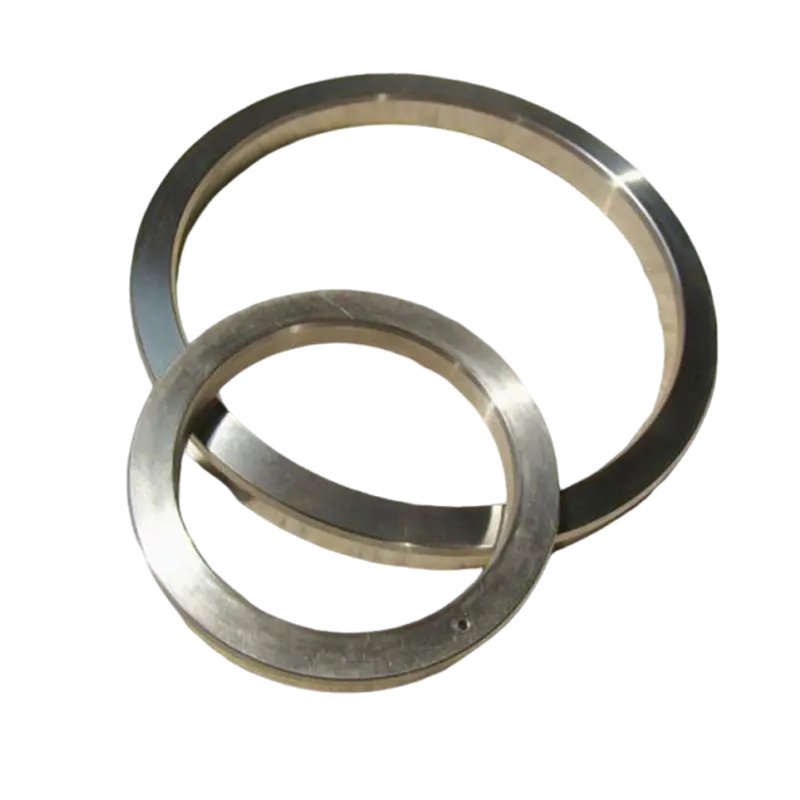
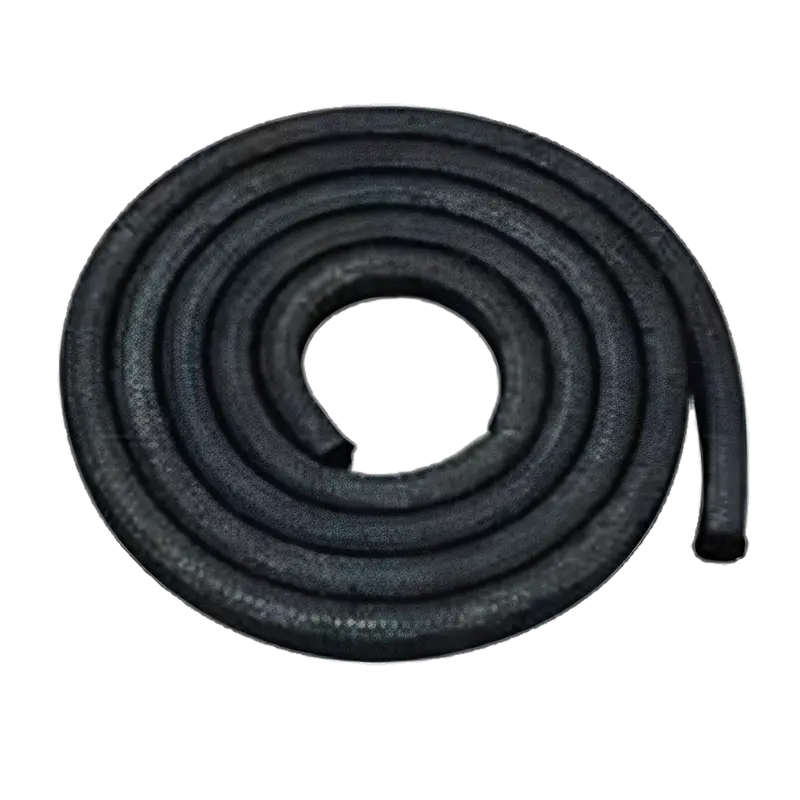
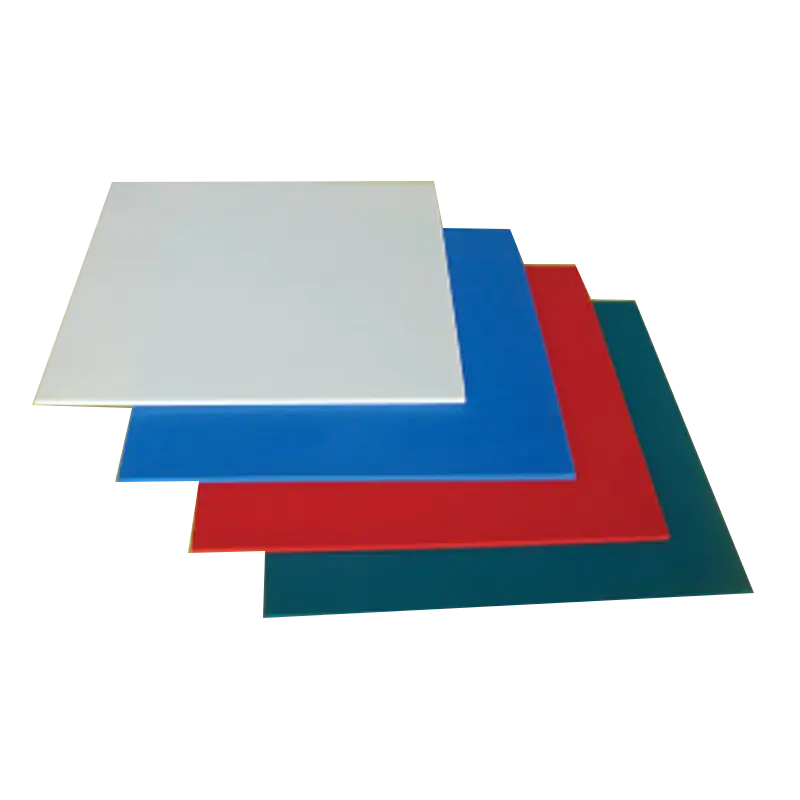
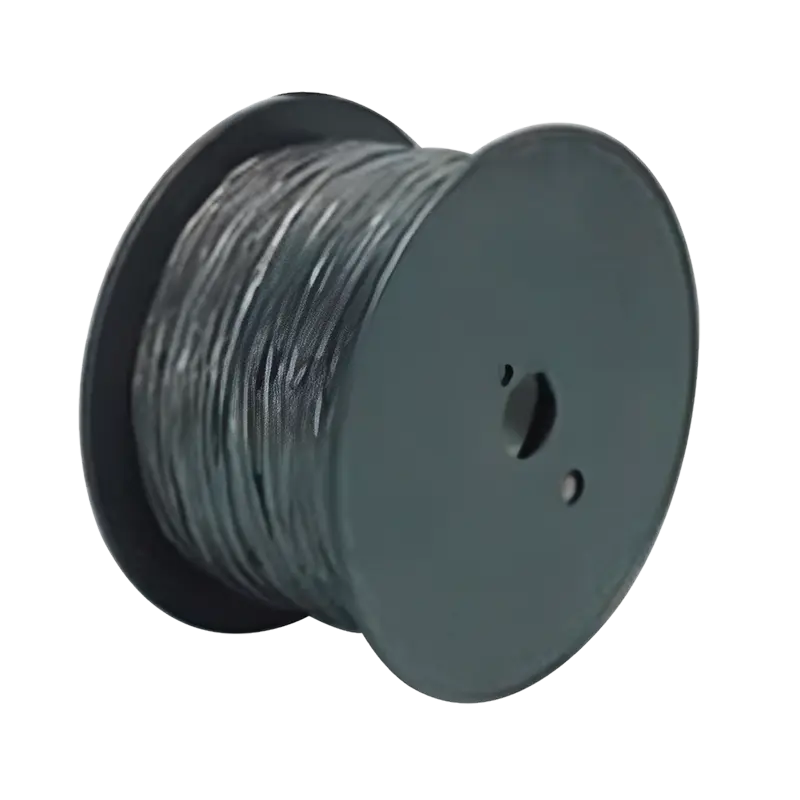
Superior Sealing Performance with Modern Non-asbestos Gaskets
In today's demanding industrial environments, the integrity of your sealing systems is non-negotiable. Traditional asbestos-based gaskets, once the industry standard, are now obsolete and pose significant health and safety risks. Modern non-asbestos gaskets have emerged as the superior, high-performance, and responsible choice for critical sealing applications across all sectors. At Kaxite, we engineer cutting-edge non-asbestos gasket materials designed to meet and exceed the rigorous demands of modern industry, ensuring safety, durability, and peak operational efficiency.
Kaxite non-asbestos gaskets are manufactured using advanced composite materials, typically consisting of aramid fibers (like Kevlar), glass fibers, carbon fibers, elastomeric binders (such as NBR or SBR), and other fillers. This sophisticated formulation delivers exceptional thermal stability, chemical resistance, and mechanical strength, providing a reliable seal under high pressure and temperature fluctuations. They are the definitive solution for applications in chemical processing, oil & gas, power generation, marine, and automotive industries.
Key Advantages of Kaxite Non-Asbestos Gasket Materials
- Enhanced Safety & Compliance: Completely free from hazardous asbestos fibers, ensuring a safe workplace and compliance with global health and environmental regulations (OSHA, REACH, etc.).
- Superior Temperature & Pressure Resilience: Engineered to perform consistently across a wide temperature range (from cryogenic to +500°F / +260°C+) and under high pressure conditions.
- Excellent Chemical Resistance: Formulated to withstand attack from a broad spectrum of oils, fuels, solvents, acids, and alkalis, ensuring long-term seal integrity.
- Optimal Creep Relaxation Resistance: Maintains bolt load and sealing force over extended periods, preventing leaks caused by gasket material relaxation.
- Versatility & Ease of Use: Suitable for a vast array of flange types, including uneven or slightly damaged surfaces, and easier to handle and cut than traditional materials.
Detailed Product Specifications & Data
Selecting the correct gasket material requires precise data. Below are the detailed specifications for Kaxite's flagship non-asbestos gasket series, the KX-7000.
Kaxite KX-7000 Series - Standard Performance
| Property | Test Method | Unit | Value / Rating |
|---|---|---|---|
| Base Material | - | - | Aramid Fiber, NBR Binder |
| Temperature Range | ASTM F146 | °C / °F | -40°C to +260°C / -40°F to +500°F |
| Max. Pressure | ANSI B16.21 | bar / psi | 150 bar / 2175 psi |
| Density | ASTM F1315 | g/cm³ | 1.6 - 1.8 |
| Tensile Strength | ASTM F152 | N/mm² | Min. 10.0 |
| Compressibility | ASTM F36 | % | 7 - 15 |
| Recovery | ASTM F36 | % | > 50 |
| pH Value | ASTM E70 | - | 6.5 - 8.5 |
Kaxite KX-8000 Series - High Performance / Chemical Resistant
| Property | Test Method | Unit | Value / Rating |
|---|---|---|---|
| Base Material | - | - | Aramid/Carbon Fiber, FKM Binder |
| Temperature Range | ASTM F146 | °C / °F | -20°C to +300°C / -4°F to +572°F |
| Max. Pressure | ANSI B16.21 | bar / psi | 200 bar / 2900 psi |
| Chemical Resistance | ASTM F146 | - | Excellent against acids, alkalis, hydrocarbons, steam |
| Compressibility | ASTM F36 | % | 8 - 12 |
| Recovery | ASTM F36 | % | > 55 |
Frequently Asked Questions (FAQ) About Non-Asbestos Gaskets
What exactly are non-asbestos gaskets made from?
Non-asbestos gaskets are composite materials that use safe, high-performance synthetic fibers to replace hazardous asbestos. Common reinforcing fibers include aramid (e.g., Kevlar), glass, carbon, and cellulose. These fibers are bonded with elastomers like Nitrile Rubber (NBR), Styrene-Butadiene Rubber (SBR), or Fluoroelastomer (FKM). This combination provides strength, flexibility, and resistance tailored to specific service conditions.
Are Kaxite non-asbestos gaskets as durable as traditional asbestos gaskets?
Yes, and in most cases, they are superior. While asbestos had natural heat resistance, modern non-asbestos materials like Kaxite's KX-series are engineered to offer comparable or better thermal performance, along with significantly improved creep relaxation resistance. This means they maintain bolt load and sealing force longer, leading to fewer retorquing needs and a more reliable, longer-lasting seal, especially in high-pressure applications.
How do I select the right non-asbestos gasket material for my application?
Selection is based on the specific service conditions. You must consider the media being sealed (chemical compatibility), the operating temperature and pressure, the flange type and surface condition, and any regulatory requirements. Kaxite provides detailed technical data sheets and application guides. For corrosive chemicals at high temperatures, our KX-8000 series with FKM binder is ideal. For standard hot water, steam, or general industrial fluids, the KX-7000 series offers excellent performance and value.
Can I use non-asbestos gaskets as a direct replacement for asbestos gaskets on existing flanges?
In the vast majority of cases, yes. Non-asbestos gaskets are designed as a direct "drop-in" replacement. They often require similar or slightly lower bolt loads to achieve an effective seal. It is crucial, however, to ensure the flange faces are clean, in good condition, and that you follow the manufacturer's recommended installation procedures and torque values, such as those provided in Kaxite's installation guides, to optimize performance.
What are the key installation tips for non-asbestos gaskets to prevent leaks?
Proper installation is critical. First, ensure flange faces are clean, parallel, and free of old gasket material and scratches. Use a new Kaxite gasket of the correct size and rating. Align the gasket properly. Lubricate bolts and nuts as specified. Use a calibrated torque wrench and follow a star-pattern, multi-pass torquing sequence to apply the recommended bolt load evenly. Always refer to the specific torque values provided by Kaxite for the chosen gasket type and size.
Do non-asbestos gaskets require special disposal procedures?
No, they do not require the special hazardous waste disposal procedures mandated for asbestos materials. Kaxite non-asbestos gaskets can typically be disposed of as standard industrial waste in accordance with local regulations. This simplifies end-of-life handling and reduces associated costs and liabilities, contributing to a safer and more sustainable operational lifecycle.
Why should I choose Kaxite for my non-asbestos gasket needs?
Kaxite combines decades of material science expertise with a commitment to innovation and quality. Our gaskets are not just asbestos-free alternatives; they are advanced sealing solutions engineered for higher performance. We offer a comprehensive range of materials, from standard to highly specialized, backed by full technical support, traceability, and certification. Partnering with Kaxite means investing in safety, reliability, and the long-term efficiency of your operations.


