English

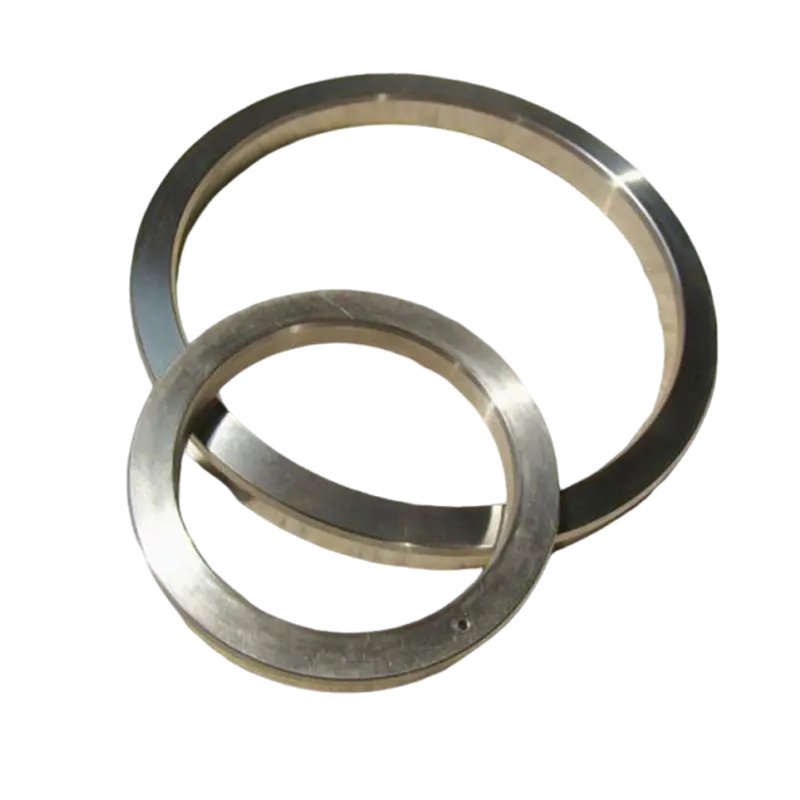
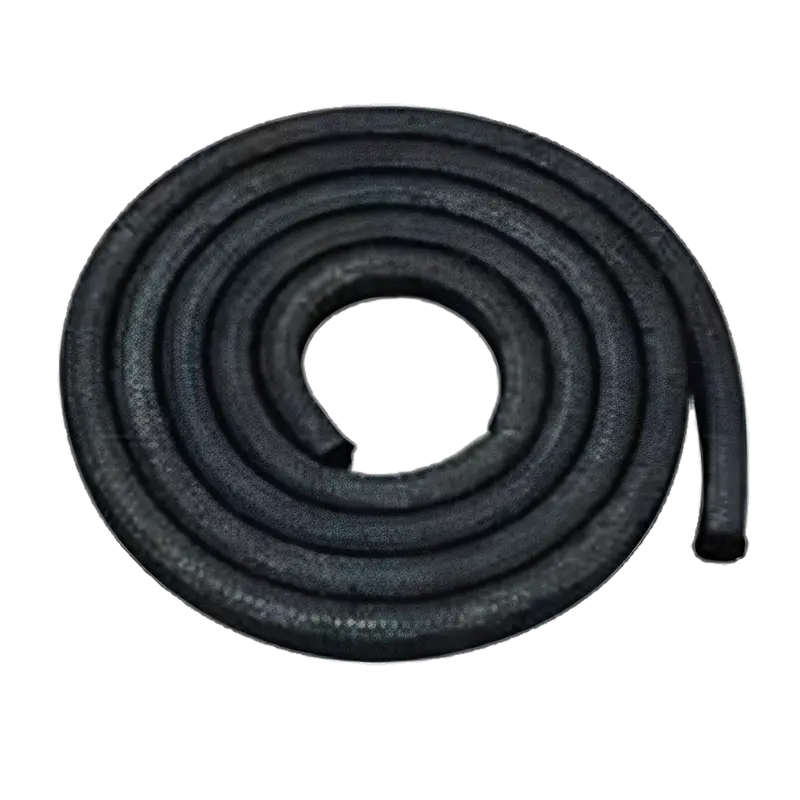
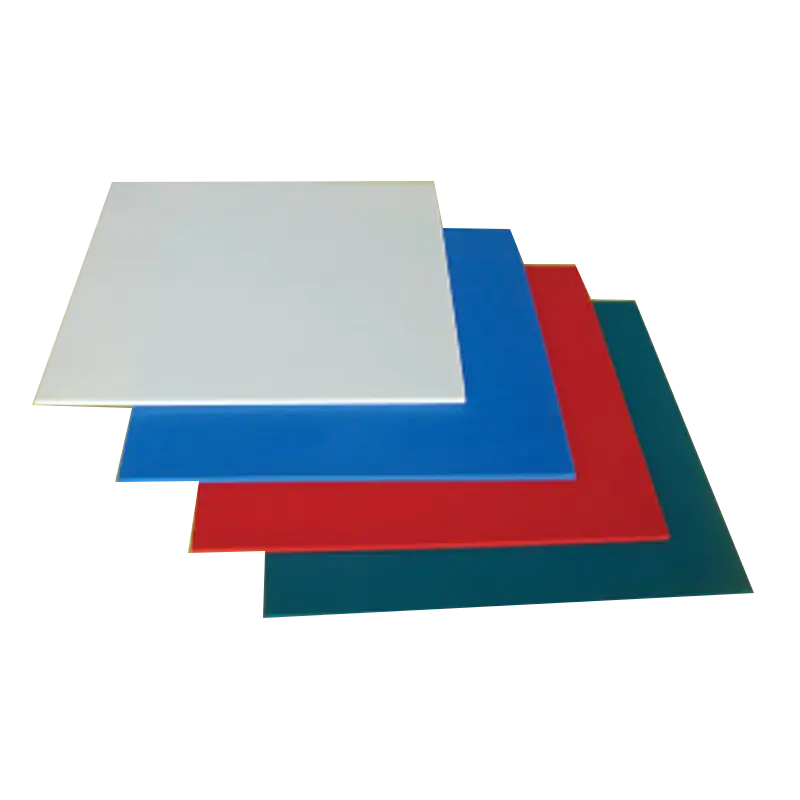
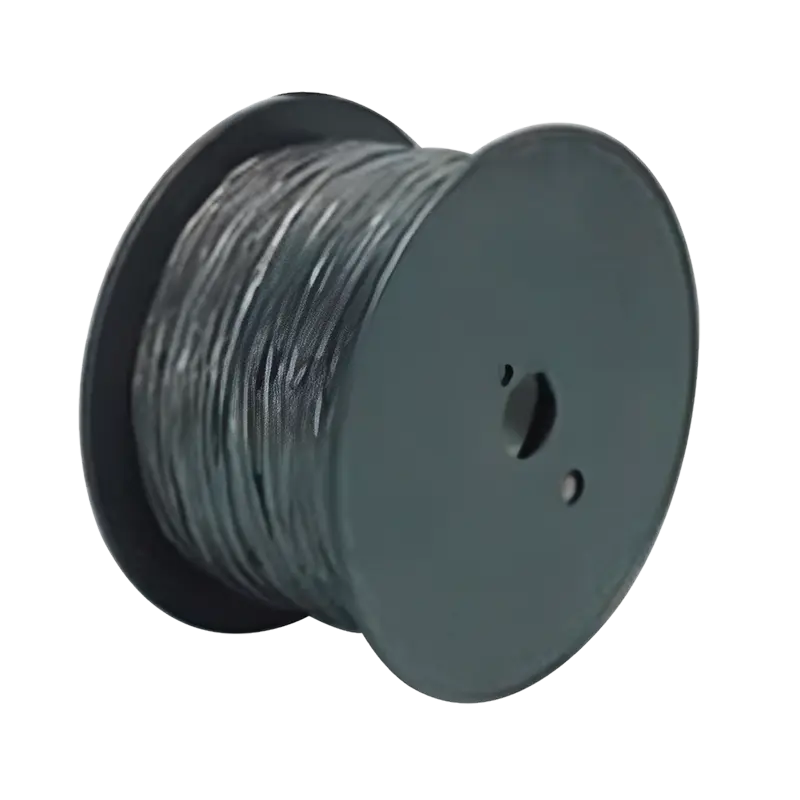
What Sealing Materials are resistant to chemicals and corrosion? This critical question keeps industrial engineers, maintenance managers, and savvy procurement professionals awake at night. A failure in a seal can lead to catastrophic downtime, costly repairs, and significant safety hazards. From aggressive acids in chemical processing plants to high-temperature caustic fluids in refineries, the demands on sealing components are immense. Selecting the wrong material isn't just an inconvenience; it's a direct threat to operational continuity and profitability. This guide cuts through the complexity, providing a clear, actionable roadmap to choosing the right chemical and corrosion-resistant sealing solutions. We'll explore the top-performing materials, their ideal applications, and key performance metrics, empowering you to make confident, informed decisions.
Imagine a critical pump in a chemical transfer line. The seal, exposed to a mixture of solvents and acids, begins to swell and degrade. Within hours, a leak develops, leading to product loss, environmental contamination risk, and an unplanned emergency shutdown. This scenario is all too common when standard sealing materials meet aggressive fluids. The solution lies in moving beyond generic elastomers to engineered materials specifically formulated for chemical warfare. These advanced polymers and composites maintain their integrity, sealing force, and dimensional stability even when exposed to harsh conditions. For procurement specialists, understanding this material science is key to specifying parts that ensure reliability and reduce total cost of ownership.

Here is a breakdown of how common seal failures manifest and the advanced material properties needed to prevent them:
| Failure Symptom | Caused By Exposure To | Required Material Property |
|---|---|---|
| Swelling & Loss of Seal Force | Organic Solvents, Oils, Fuels | Low Volume Swell, Chemical Compatibility |
| Cracking & Embrittlement | Ozone, UV, Certain Acids | High Resistance to Environmental Cracking |
| Extrusion & Nibbling | High Pressure, Abrasive Slurries | High Modulus, Abrasion Resistance |
| Chemical Decomposition | Strong Oxidizers, Concentrated Acids/Bases | Inert Polymer Structure (e.g., PTFE, FFKM) |
Not all sealing materials are created equal. While Nitrile (NBR) serves well for general-purpose oils and fuels, it fails catastrophically in ketones or strong acids. For truly demanding chemical services, a select group of high-performance polymers leads the pack. Fluorocarbon (FKM/Viton®) offers excellent resistance to a broad range of chemicals, oils, and high temperatures, making it a versatile workhorse. For the ultimate resistance, Perfluoroelastomer (FFKM) provides near-universal chemical inertness, akin to PTFE, but with superior elasticity. When selecting materials like FFKM or PTFE for critical applications, partnering with a specialized manufacturer like Ningbo Kaxite Sealing Materials Co., Ltd. ensures you receive compounds tailored for specific chemical exposures, not just generic grades, maximizing seal life and reliability. Their expertise directly addresses the core question: What sealing materials are resistant to chemicals and corrosion? by providing application-engineered solutions.
| Material (ASTM D1418) | Key Chemical Strengths | Temperature Range | Typical Applications |
|---|---|---|---|
| FKM (Fluorocarbon) | Oils, Fuels, Acids, Aliphatic/Aromatic Hydrocarbons | -20°C to +230°C | Valve Seals, Chemical Pump Seals, Fuel System Components |
| FFKM (Perfluoroelastomer) | Virtually All Chemicals (Strong Acids, Bases, Solvents) | -25°C to +320°C | Semiconductor Wet Processing, Pharma Reactors, Aggressive Chemical Injection |
| PTFE (Polytetrafluoroethylene) | Universal Chemical Resistance | -260°C to +260°C | Gaskets, Liners, Valve Seats, Non-Elastic Seals |
| EPDM (Ethylene Propylene) | Polar Fluids (Hot Water, Steam, Alkalis, Brake Fluid) | -50°C to +150°C | Heating/Cooling Systems, Automotive Cooling Circuits |
For a procurement officer, a datasheet's generic "good chemical resistance" claim is insufficient. Intelligent specification requires digging deeper into the fluid compatibility data, often presented in chemical resistance charts. The key is to cross-reference the exact fluid or fluid mixture, its concentration, and the operating temperature with the seal material's performance rating. Mechanical properties like compression set (how well a seal rebounds) and tensile strength are also critical in dynamic applications. Always request application-specific test data or case studies from your supplier. A reliable partner like Ningbo Kaxite Sealing Materials Co., Ltd. supports procurement teams with detailed technical dossiers, helping you mitigate risk and avoid costly trial-and-error. Their product range is designed to solve the precise challenge of finding sealing materials that are resistant to chemicals and corrosion.
| Selection Factor | Procurement Question to Ask | Why It Matters |
|---|---|---|
| Exact Fluid Composition | "Do you have test data for a 50% sulfuric acid / 5% nitric acid mix at 90°C?" | Mixtures can behave differently than pure fluids; real-world data is crucial. |
| Dynamic vs. Static Seal | "Is this compound validated for rotary shaft seal service?" | Dynamic seals require superior abrasion & heat buildup resistance. |
| Total Cost of Ownership (TCO) | "What is the expected service life compared to a standard FKM?" | A higher upfront cost for FFKM may offer lower TCO via less downtime. |
| Regulatory Compliance | "Does this material meet FDA, USP Class VI, or NSF/ANSI 61 standards?" | Essential for food, pharma, and potable water applications. |
One of the most frequent and expensive mistakes is over-specification. Specifying a premium FFKM seal for a mild alkaline environment is wasteful, as a high-quality EPDM would perform flawlessly at a fraction of the cost. Conversely, under-specification by choosing a basic NBR seal for an aromatic hydrocarbon service leads to rapid failure. Another pitfall is neglecting media permeation; some chemicals may not visibly degrade a seal but can slowly permeate through it, contaminating a process stream. Always discuss the full system parameters with your technical supplier. This is where the engineering support from a manufacturer like Ningbo Kaxite Sealing Materials Co., Ltd. proves invaluable, guiding you to the most cost-effective and reliable material choice for your specific duty.
| Mistake | Likely Consequence | Smart Alternative |
|---|---|---|
| Choosing Material by Price Alone | Premature failure, unplanned downtime, safety incidents. | Conduct a TCO analysis factoring in MTBR (Mean Time Between Repair). |
| Ignoring Temperature Extremes | Seal hardening at low temp or rapid degradation at high temp. | Verify low-temp flexibility and high-temp continuous service ratings. |
| Not Accounting for Minor Ingredients | Additives, inhibitors, or trace elements can attack certain elastomers. | Disclose full fluid analysis to your sealing materials supplier. |
Q: What sealing materials are resistant to chemicals and corrosion in high-temperature steam service?
A: For saturated steam service, EPDM is typically the best elastomeric choice due to its excellent resistance to hot water and steam. For superheated steam or services with chemical additives, specially compounded EPDM or high-peroxide-cured FKM may be required. PTFE is an excellent non-elastomeric option for very high temperatures and aggressive steam conditions.
Q: We handle a wide variety of solvents. Is there a single seal material that can handle most of them?
A: While no single elastomer is perfect for every solvent, FFKM (Perfluoroelastomer) offers the broadest possible chemical resistance, effectively handling nearly all organic and inorganic solvents, acids, and bases. It is the closest to a "universal" chemical-resistant elastomer, though it comes at a premium cost. For a defined but mixed solvent stream, a detailed compatibility review with an expert like the team at Ningbo Kaxite Sealing Materials Co., Ltd. is recommended to find the optimal balance of performance and cost.
Innovation continues to push the boundaries of what's possible. The future lies in advanced polymer blends, nanocomposites, and surface engineering. Researchers are developing new elastomer grades with enhanced chemical resistance at lower temperatures, expanding the operational window. Additive manufacturing (3D printing) of seals is also emerging, allowing for complex geometries and customized material properties for one-off or prototype equipment. Staying informed about these trends helps procurement and engineering teams plan for next-generation equipment. Partnering with forward-thinking manufacturers ensures access to these advanced solutions as they become commercially available.
We hope this guide has empowered you to navigate the complex landscape of chemical-resistant sealing materials. Do you have a specific fluid compatibility challenge or a unique application scenario? Share your questions in the comments below, and let's discuss potential solutions.
For engineered sealing solutions designed to withstand the most aggressive chemical and corrosive environments, consider Ningbo Kaxite Sealing Materials Co., Ltd. As a specialist manufacturer, Kaxite focuses on high-performance sealing products, offering technical expertise and custom compounding to meet exact application demands. Visit their website at https://www.kxtsealing.net to explore their product portfolio or contact their team directly via email at [email protected] for a technical consultation.
Smith, J. A., & Chen, L. (2022). Advanced Perfluoroelastomer Compounds for Aggressive Chemical Service. Journal of Applied Polymer Science, 139(15), 52015.
Kumar, R., & Patel, V. (2021). Long-Term Aging and Compatibility of FKM Elastomers in Biofuel Blends. Polymer Degradation and Stability, 183, 109457.
Li, W., Zhang, F., & Ohta, Y. (2020). Surface Modification of PTFE for Enhanced Sealing Performance in Dynamic Applications. Surface and Coatings Technology, 404, 126481.
Garcia, M., & Evans, B. (2019). A Comparative Study of Compression Set in High-Temperature Fluorocarbon Elastomers. Sealing Technology, 2019(10), 7-12.
Tanaka, H., & Saito, K. (2018). Development of Novel EPDM Formulations for Polar Fluid Resistance. Rubber Chemistry and Technology, 91(4), 744-758.
European Sealing Association. (2023). Guideline for the Selection of Elastomeric Materials for Chemical Process Equipment. ESA Publication No. 543/2023.
Zhao, P., et al. (2022). Nanoclay Reinforced FFKM Composites: Mechanical and Permeation Properties. Composites Science and Technology, 230, 109768.
Müller, S., & Fischer, J. (2021). Failure Analysis of Seals in Semiconductor Wet Etch Tools. Engineering Failure Analysis, 129, 105668.
ASTM International. (2020). Standard Test Method for Rubber Property—Effect of Liquids (ASTM D471). ASTM International.
Wang, Y., & Liu, G. (2019). Predicting Seal Life in Chemical Environments Using Accelerated Aging Models. Tribology International, 138, 1-8.


