English

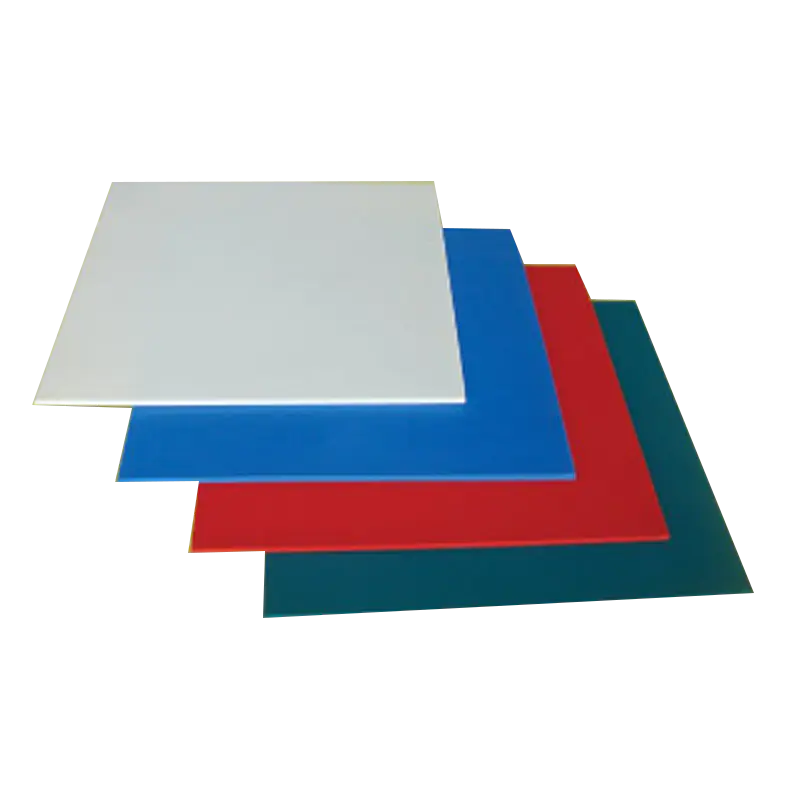
Are mineral fiber rubber gaskets compatible with steam and water systems? For procurement teams, the answer matters most at the point where a low-cost sheet gasket becomes a maintenance backlog. Picture a plant engineer reviewing a Monday morning leak report: a saturated-steam line has weeping joints, a hot-water skid is losing pressure, and the maintenance crew is replacing gaskets that looked acceptable at goods-in inspection. The issue is rarely one single property. It is the balance of heat resistance, water resistance, compressibility, recovery, and mechanical strength under bolted-flange load. Mineral fiber rubber gaskets are designed for exactly this kind of mixed-service reality. A mineral fiber reinforcement carries dimensional stability and heat resistance; a selected rubber binder adds compressibility and sealing memory; and fillers help control water swell, steam ageing, and creep. In steam service, the gasket must survive heat and pressure without losing bolt load. In water service, it must resist absorption, softening, and washout of binder. Neither duty is solved by looking only at a datasheet headline. Buyers need to match grade, thickness, flange finish, bolt torque, and media concentration. When those parameters are controlled, mineral fiber rubber gaskets can be a practical, cost-effective sealing choice for many steam and water applications, including condensate lines, hot-water circuits, and general utility piping. When they are not controlled, even a premium sheet can fail early. This guide gives procurement teams a clear, field-oriented way to evaluate compatibility, compare parameters, and avoid repeat purchases.
On this page
Pain scenario. A maintenance planner sees a steam trap line with repeated gasket weeping after shutdown and restart. The flange is not badly damaged, the bolts are accessible, and the previous gasket looked dry at installation. Yet the joint loses bolt load as the line heats, the sheet relaxes, and a small leak becomes visible steam. In procurement terms, this is not only a gasket price issue. It is a total cost issue involving downtime, retorque labor, safety, and spare-parts planning.
Solution. Mineral fiber rubber gaskets work best in steam service when the grade is selected for the actual temperature-pressure cycle, the thickness matches flange rigidity, and the gasket is installed with controlled bolt load. A mineral fiber structure helps resist thermal ageing and limits excessive flow under compression. The rubber binder improves conformability to flange surface finish, which matters on used utility flanges that are not perfectly flat. Buyers should request heat-ageing data, compression and recovery values, and recommended torque guidance rather than comparing only a maximum temperature line.
| Steam-Service Parameter | What Buyers Should Confirm | Why It Matters |
|---|---|---|
| Temperature cycle | Continuous and peak steam temperature | Prevents binder degradation and excess relaxation |
| Pressure class | Line pressure and flange rating | Matches gasket thickness and bolt-load strategy |
| Compression and recovery | ASTM F36 or equivalent data | Supports sealing memory during thermal movement |
| Flange finish | Ra range and surface condition | Affects conformability and leak path formation |
| Thickness | 1.5 mm, 2.0 mm, 3.0 mm, or custom | Balances conformability with joint stiffness |

Pain scenario. A hot-water skid shows intermittent drips at a flange that performed well in dry assembly. The gasket has absorbed water, softened at the edge, and lost recovery after repeated heating and cooling. The buyer may be tempted to blame bolt torque alone, but water absorption and binder stability often sit at the center of the problem. Condensate lines are especially demanding because the joint may see wet, low-flow conditions followed by steam carryover.
Solution. Select a Mineral Fiber Rubber Gasket grade with controlled water absorption, good wet recovery, and suitable binder compatibility for the water chemistry. For closed-loop hot water, confirm whether inhibitors or glycols are present. For condensate, check pH and the presence of dissolved oxygen or oil carryover. A slightly thicker gasket can help on pitted flanges, but it is not a substitute for correct flange preparation. Ningbo Kaxite Sealing Materials Co., Ltd. can review service conditions and recommend a sheet grade, thickness, and cutting method that fit the buyer's flange standard and installation practice.
| Water-Service Parameter | Typical Buyer Question | Practical Selection Point |
|---|---|---|
| Water chemistry | Is the loop treated, neutral, or slightly alkaline? | Match binder and filler system to expected pH |
| Condensate cycling | How often does the line switch wet to hot? | Prioritize recovery and heat-ageing resistance |
| Absorption | Is water-swelling data available? | Lower swell supports stable thickness and bolt load |
| Oil carryover | Is compressor oil or lubricant present? | Confirm rubber binder oil resistance for mixed service |
| Flange condition | Is the surface pitted, scored, or warped? | Choose conformable grade and verify flatness |
Pain scenario. A purchasing officer receives three quotations for mineral fiber rubber gaskets. The prices differ, the datasheets use different test methods, and the delivery promises look similar. Without a common RFQ structure, the buyer cannot tell whether the low offer is a genuine material match or a thinner sheet with weaker recovery. This is where procurement can either protect plant reliability or create a hidden maintenance cost.
Solution. Use a parameter-based RFQ that asks for grade name, binder type, reinforcement, density, tensile strength, compression, recovery, water absorption, heat-ageing retention, thickness tolerance, and cut-gasket dimensions. Ask the supplier to state the intended service limit in steam and water, not just a generic temperature range. For repeat orders, require batch traceability and a certificate of conformity. Ningbo Kaxite Sealing Materials Co., Ltd. supports buyers with sample evaluation, grade comparison, and shipment documentation so technical and commercial teams can compare offers on the same basis.
| RFQ Item | Recommended Data to Request | Procurement Benefit |
|---|---|---|
| Material grade | Mineral fiber rubber sheet designation | Creates a like-for-like quotation basis |
| Density | g/cm³ value with tolerance | Indicates consistency and handling strength |
| Tensile strength | ASTM F152 or equivalent result | Supports cut-gasket durability |
| Compression and recovery | Test method and average values | Shows sealing memory under load |
| Water absorption | Method, duration, and result | Guides water and condensate suitability |
| Thickness tolerance | Nominal plus/minus range | Controls bolt-load distribution |
| Traceability | Batch number and certificate | Supports audits and repeat orders |
Pain scenario. A utility line switches between steam and water during weekly cleaning. The flange is tightened once, then heated, cooled, and wetted. A gasket that performs in steady steam may still show edge swelling or relaxation in this mixed cycle. The maintenance team sees a leak and changes the sheet, but the real cause may be installation torque, flange alignment, or a mismatch between gasket thickness and bolt length.
Solution. Treat mixed service as a separate duty. Confirm the dominant phase, the number of cycles, and whether the joint will be retorqued after the first heat-up. Use a mineral fiber rubber gasket with balanced heat and water resistance, clean the flange surfaces, align the joint, and apply lubricant only where approved. Tighten in a controlled cross pattern. For larger flanges, verify that the selected thickness does not exceed the available bolt stretch. A practical supplier review can prevent a material change that solves one symptom but creates another.
| Installation Control Point | Field Check | Effect on Mineral Fiber Rubber Gaskets |
|---|---|---|
| Flange cleanliness | Remove old gasket, scale, and oil | Improves seating and lowers leak paths |
| Alignment | Check parallel faces and bolt fit | Prevents uneven compression |
| Torque pattern | Use cross-pattern tightening | Distributes load across the gasket |
| Retorque | Confirm after first thermal cycle | Recovers bolt load after relaxation |
| Storage | Keep sheets flat, dry, and clean | Protects binder and dimensional stability |
Yes, many mineral fiber rubber gasket grades are compatible with steam systems when the grade is selected for the actual temperature, pressure, and cycle. The key is not just heat resistance. The gasket must retain enough bolt load as the joint heats and cools, resist steam ageing, and conform to the flange surface without excessive creep. For saturated steam and moderate-pressure utility lines, a correctly specified mineral fiber rubber gasket can be a practical sealing solution. For high-pressure or high-temperature steam, buyers should verify test data and consider a grade designed for that duty. Always confirm gasket thickness, flange rating, bolt torque, and installation method before release to the line.
They can be compatible with water systems and steam-condensate mixtures when water absorption, binder stability, and recovery are controlled. Hot water and condensate are not identical duties. Condensate may create wet-dry cycling, while treated hot water may involve inhibitors, glycols, or dissolved oxygen. Buyers should ask for water-absorption data, heat-ageing data, and guidance on pH and oil carryover. A mineral fiber rubber gasket with good wet recovery can support utility piping, hot-water circuits, and condensate service. On pitted or warped flanges, surface preparation is as important as the sheet grade. For mixed service, share the cycle details with the supplier before selecting thickness and torque.
| Buyer Question | Short Answer | Next Step |
|---|---|---|
| Steam service | Compatible when grade and load are matched | Request heat-ageing and recovery data |
| Water service | Compatible when absorption is controlled | Confirm water chemistry and pH |
| Mixed condensate | Possible with wet-recovery grade | Review cycling and retorque plan |
Pain scenario. A buyer has a leaking utility line, a short shutdown window, and no clear way to compare gasket suppliers. The plant needs a material that can be cut quickly, installed correctly, and repeated on future orders without changing performance. The purchasing team also needs documentation for quality audits and a supplier who understands the difference between a steam line and a water line.
Solution. Ningbo Kaxite Sealing Materials Co., Ltd. focuses on sealing materials for industrial maintenance and OEM supply. The team can help buyers review service conditions, select mineral fiber rubber gasket grades, confirm sheet thickness, and supply cut gaskets to drawing. For procurement, this means a clearer path from sample to approval to repeat order. For maintenance, it means a sealing solution built around the flange, media, and installation method rather than a catalogue headline. The company supports buyers who need practical answers on steam and water compatibility, batch consistency, and delivery planning.
| Supplier Review Point | What to Ask | Expected Outcome |
|---|---|---|
| Application review | Steam, water, or mixed service details | Better grade and thickness fit |
| Sample testing | Compression, recovery, and absorption data | Evidence for approval |
| Cut-gasket supply | Drawing, tolerance, and packing | Faster installation and less waste |
| Repeat orders | Batch traceability and certificates | Consistent quality and audit support |
For a fast compatibility review, send your line pressure, steam or water temperature, flange size, flange finish, water chemistry, and target bolt torque. A clear service description helps the supplier recommend a mineral fiber rubber gasket grade that fits the job and the purchasing budget.
Ningbo Kaxite Sealing Materials Co., Ltd. is a sealing materials supplier serving buyers who need reliable mineral fiber rubber gasket sheets and cut gaskets for steam, water, condensate, and general industrial sealing applications. The company helps procurement and maintenance teams compare grades, confirm parameters, and move from sample evaluation to repeat supply with practical technical support. Learn more at https://www.kxtsealing.net or contact [email protected] to discuss your flange and media conditions.
Payne, J. R., & Schneider, R. W. (2016). The role of binder systems in compressed non-asbestos gasket performance. Sealing Technology, 2016(4), 7–12.
Müller, H., & Krause, T. (2014). Steam ageing of fiber-reinforced gasket materials. International Journal of Pressure Vessels and Piping, 123, 45–53.
Wang, L., Chen, Y., & Zhao, M. (2018). Water absorption and recovery behavior of mineral fiber-rubber composites. Polymer Testing, 70, 210–218.
Smith, A. J., & Patel, N. (2019). Bolt load retention in compressed gasket sheets under thermal cycling. Journal of Materials Processing Technology, 264, 88–97.
Kumar, R., & Singh, P. (2017). Leakage modeling of bolted flange joints with non-asbestos gaskets. Journal of Pressure Vessel Technology, 139(5), 051201.
Tanaka, K., & Mori, S. (2015). Influence of rubber binder on the sealing performance of mineral fiber sheets. Tribology International, 88, 122–130.
Brown, D. E., & Wilson, M. (2020). Creep relaxation of fiber-reinforced sealing materials in hot water service. Materials & Design, 190, 108563.
Li, X., & Zhou, Q. (2021). Mixed steam-condensate resistance of non-asbestos gasket composites. Engineering Failure Analysis, 127, 105512.
Andersson, P., & Nilsson, L. (2013). Flange surface finish effects on gasket seating stress. Sealing Technology, 2013(9), 6–10.
Garcia, M., & Lopez, R. (2022). Quality control parameters for compressed mineral fiber gasket sheets. Journal of Testing and Evaluation, 50(3), 1455–1468.
-


