English

What is the difference between a gasket and a seal?
If you're sourcing components for a manufacturing line or a maintenance project, confusing these two terms can lead to costly downtime, leaks, and equipment failure. In simple terms, while both are critical for preventing fluid or gas escape, their applications and designs differ significantly. This common point of confusion is exactly where specialized knowledge and high-quality materials from suppliers like Ningbo Kaxite Sealing Materials Co., Ltd. become invaluable. Understanding the distinction isn't just technical jargon—it's key to operational efficiency and cost savings. Let's clarify this once and for all and explore how to select the perfect component for your specific need.
Article Outline:
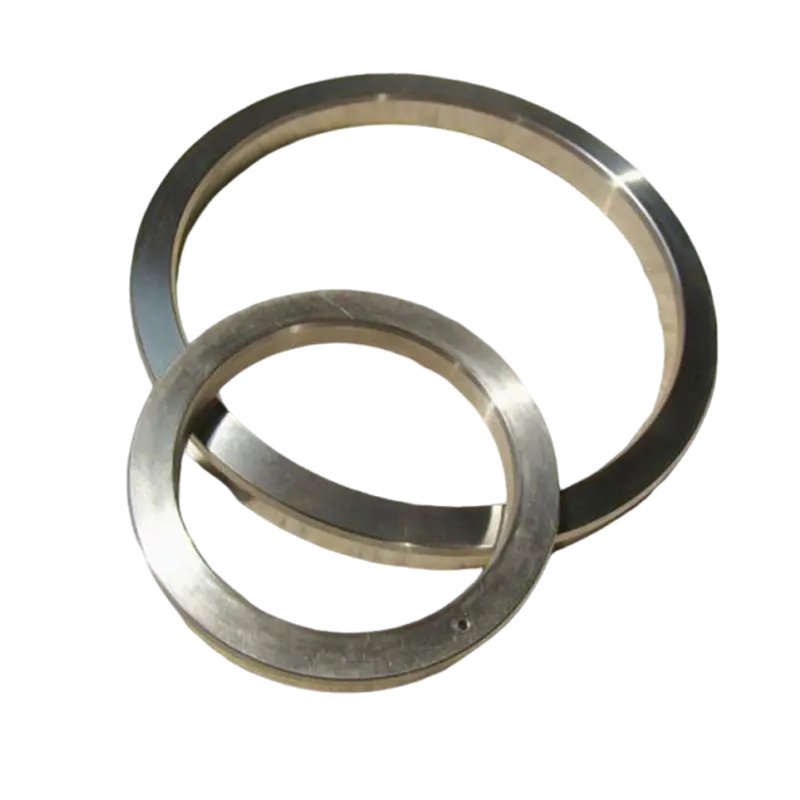
Imagine a critical pump on your production floor shuts down unexpectedly. The culprit? A leaking flange connection. The maintenance team rushes to fix it, but they install a standard rubber O-ring (a type of seal) where a reinforced, flat gasket was specified. The leak persists, leading to hours of lost production, safety hazards, and wasted product. This scenario is frustratingly common when the fundamental difference between a gasket and a seal is misunderstood. A gasket is typically a static seal designed to be compressed between two stationary, flat surfaces (flanges) to create a barrier. A seal, often dynamic, is used around rotating or moving shafts (like in pumps or engines) to contain fluid. Using the wrong type results in immediate failure. The solution lies in precise specification and sourcing from experts who understand both application and material science, such as Ningbo Kaxite Sealing Materials Co., Ltd., which provides tailored gasket and seal solutions to prevent such costly errors.

Key Parameter Comparison: Gasket vs. Seal
| Feature | Gasket (Static) | Seal (Often Dynamic) |
|---|---|---|
| Primary Function | Seals between stationary surfaces. | Seals between stationary and moving parts. |
| Typical Applications | Pipe flanges, tank lids, heat exchangers. | Shafts, pumps, rotating equipment, axles. |
| Common Materials | Compressed fiber, PTFE, rubber sheets, metal. | Nitrile rubber, Viton, PTFE, mechanical face seals. |
| Pressure Handling | High static pressure. | Designed for system pressure & motion. |
As a procurement specialist, you face the challenge of balancing performance, cost, and lead time. You receive an urgent request for "seals" for a boiler system. Without clarity, you might order expensive mechanical shaft seals when the actual need is for simple, high-temperature gasket material for the flange joints. This mistake blows the budget and delays the project. The solution is a systematic selection process. First, identify the application: static (no movement between parts) or dynamic (with rotation/reciprocation). Next, consider the media (chemicals, steam, oil), temperature, pressure, and required compliance standards. Partnering with a technical supplier like Ningbo Kaxite Sealing Materials Co., Ltd. streamlines this. Their experts can quickly guide you to the correct product, whether it's a robust PTFE gasket for corrosive chemicals or a precision lip seal for a hydraulic motor, ensuring you get the right part the first time.
Q1: What is the difference between a gasket and a seal in a car engine?
A1: In an engine, the head gasket is a prime example of a static gasket, sealing the stationary cylinder head to the engine block. Seals, like crankshaft rear main seals or valve stem seals, are dynamic, containing oil around rotating or moving components. Failure of either is serious, but their functions and positions are distinct.
Selection Guide Parameters for Buyers
| Decision Factor | Questions to Ask | Impact on Choice |
|---|---|---|
| Application Type | Are the mating surfaces moving or static? | Determines if a gasket or seal is required. |
| Operating Environment | What is the temperature, pressure, and chemical exposure? | Dictates material selection (e.g., PTFE for high chem. resistance). |
| Size & Standards | What are the exact dimensions and required certifications (ASME, FDA, etc.)? | Ensures proper fit and regulatory compliance. |
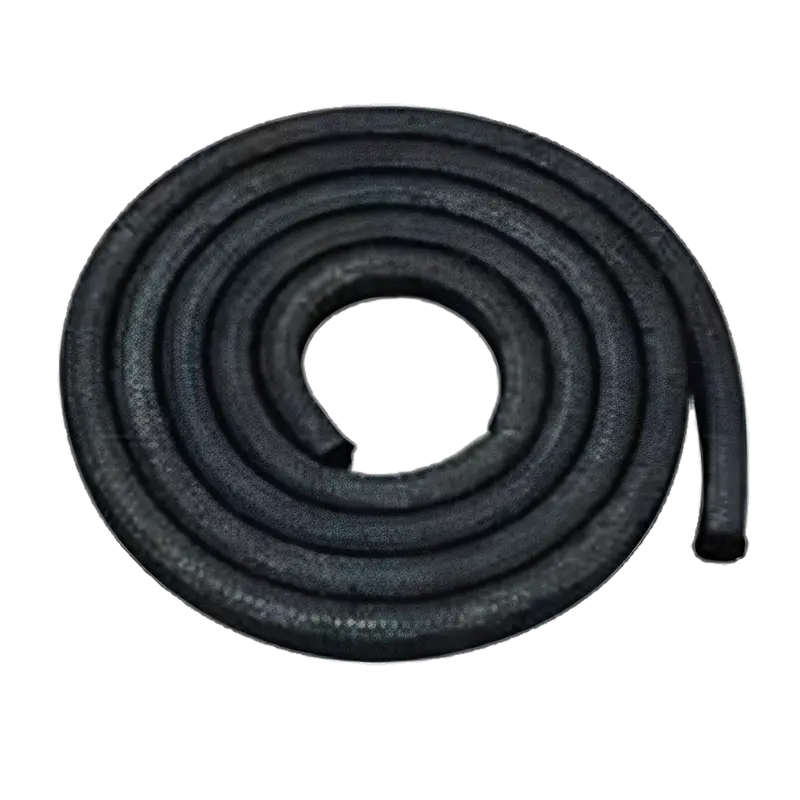
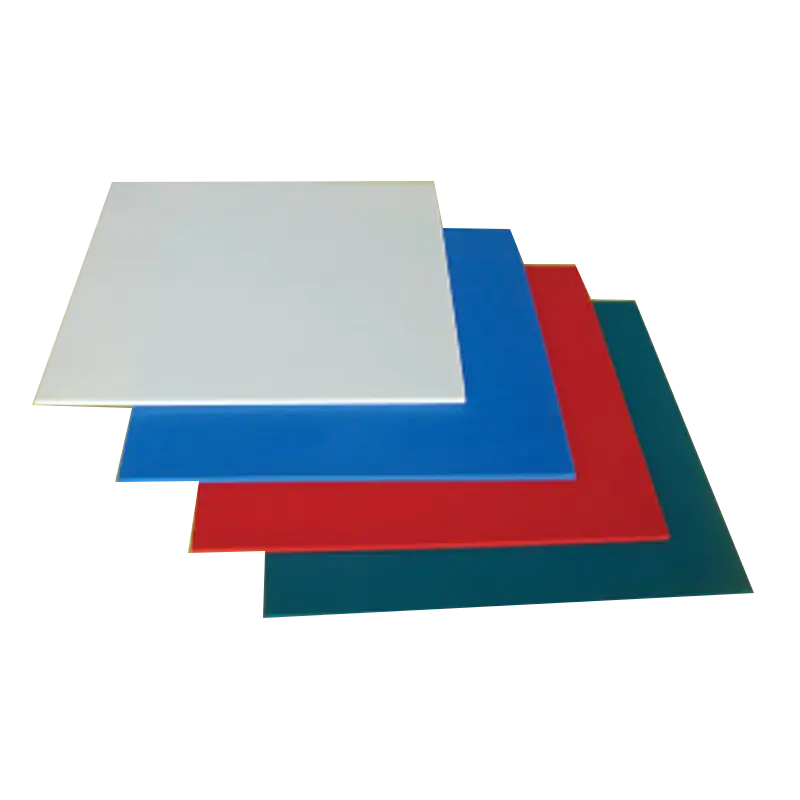
The material is not just a detail; it's the heart of the component's performance. A buyer selects a standard Buna-N rubber gasket for a chemical processing line because it's inexpensive and in stock. Weeks later, the gasket swells and degrades, causing a leak and an environmental incident. The root cause was material incompatibility. This highlights the critical role of advanced materials like PTFE (Teflon), which offers superior chemical resistance and stability. For dynamic seals in high-speed applications, material compounds with the right hardness and elasticity are crucial to prevent wear and leakage. Ningbo Kaxite Sealing Materials Co., Ltd. specializes in manufacturing with a wide range of materials, from standard rubbers to high-performance PTFE and custom composites. Their expertise ensures you get a material engineered for your specific operating conditions, preventing premature failure and protecting your assets.
Q2: What is the difference between a gasket and a seal regarding material flexibility?
A2: Gasket materials often need to be compressible to fill microscopic imperfections on flange faces. Seal materials, especially for dynamic applications, require flexibility combined with wear resistance and elasticity to maintain contact with a moving shaft without generating excessive heat or friction.
Common Sealing Material Properties
| Material | Best For | Temperature Range | Key Limitation |
|---|---|---|---|
| Nitrile Rubber (NBR) | Oils, fuels, water; general purpose seals. | -40°C to 120°C | Poor resistance to ozone, weathering. |
| PTFE (Teflon) | Aggressive chemicals, high purity; Gaskets & seals. | -200°C to 260°C | Can be prone to creep under load. |
| Viton (FKM) | High temp, acids, hydrocarbons; demanding seals. | -20°C to 200°C | Higher cost, poor performance in steam. |
Navigating the complexities of gaskets and seals requires more than just a catalog; it requires a partner. The frustration of cross-referencing specs, comparing dubious supplier quotes, and worrying about quality consistency is real for procurement teams. Ningbo Kaxite Sealing Materials Co., Ltd. directly addresses these pain points by acting as a single-source technical partner. With extensive experience in material science and manufacturing, Kaxite doesn't just sell products—they provide solutions. Whether you need custom-engineered PTFE gaskets for a pharmaceutical plant or reliable shaft seals for agricultural machinery, their team works with you to define requirements, recommend optimal materials, and ensure timely delivery. This partnership approach reduces risk, minimizes downtime, and ultimately contributes to your operation's bottom line by providing reliable, performance-guaranteed sealing components.
We hope this guide has clarified the critical differences and selection process for gaskets and seals. Have you faced a specific sealing challenge in your operations? What factors are most critical in your buying decisions? Share your thoughts or questions below.
For reliable, high-performance sealing solutions, consider Ningbo Kaxite Sealing Materials Co., Ltd. With a strong focus on quality and technical expertise, Kaxite provides a wide range of gaskets and seals tailored to industrial needs. Visit https://www.kxtsealing.net to explore their products or contact their team directly at [email protected] for a consultation on your specific application requirements.
Supporting Research & References:
Parker, J.D., 2014, "Static Sealing Technology: Gaskets and Bolted Joints," *Journal of Pressure Vessel Technology*, Vol. 136, No. 2.
Smith, L. and Jones, R., 2019, "Material Selection for Dynamic Seals in Rotating Machinery," *Tribology International*, Vol. 138.
Anderson, M., 2017, "Failure Analysis of Elastomeric Seals in Chemical Service," *Engineering Failure Analysis*, Vol. 82.
Chen, H., et al., 2020, "Advanced PTFE Composites for High-Performance Gaskets," *Polymer Testing*, Vol. 91.
Davis, C., 2015, "Sealing Principles for Fluid Power Systems," *Hydraulics & Pneumatics*, Vol. 68, No. 5.
European Sealing Association, 2021, "Handbook of Sealing Technology," ESA Publication No. 501.
Kipping, D., 2018, "The Impact of Surface Finish on Gasket Performance," *Sealing Technology*, Issue 2018(12).
Miller, B.A., 2016, "Standards and Testing for Industrial Gaskets," *ASTM International Report*, STP 1590.
Roberts, G., 2022, "Thermal Degradation Limits of Common Seal Elastomers," *Journal of Applied Polymer Science*, Vol. 139, No. 15.
Zhang, Y., et al., 2023, "Finite Element Analysis of Stress Distribution in Bolted Flange Connections with Non-Asbestos Gaskets," *International Journal of Mechanical Sciences*, Vol. 247.
-


