English

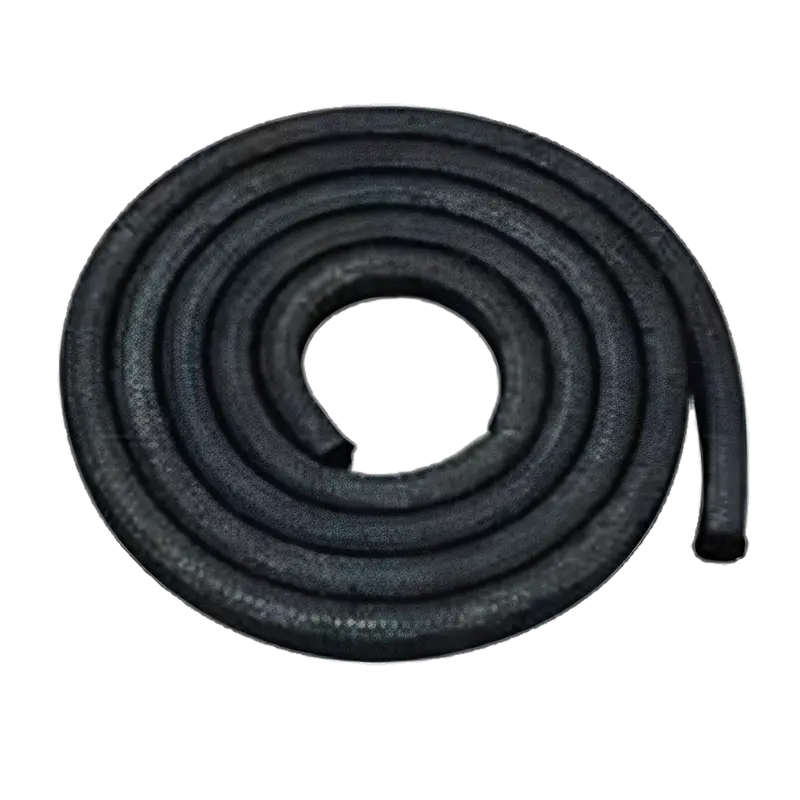
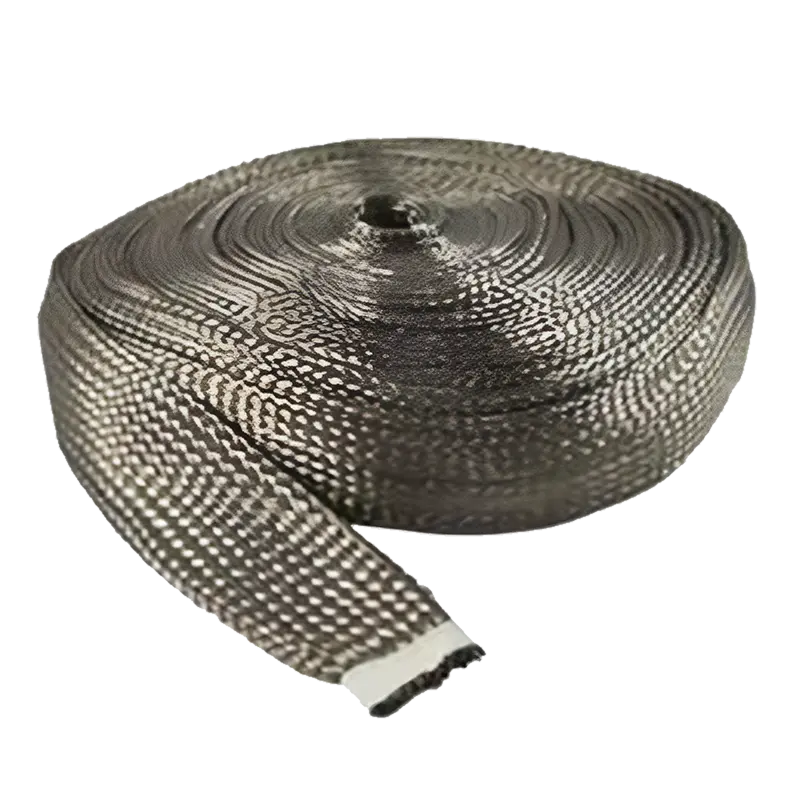
You’ve just installed new Braided Packing in your critical equipment. The initial relief of a fresh seal is quickly replaced by a nagging question: How to properly break in new braided packing after installation? Rushing this crucial step is a silent killer of pump, valve, and agitator reliability. A poor break-in can lead to premature packing failure, excessive shaft wear, dangerous leakage, and costly, unplanned downtime. The goal isn't just to stop a leak; it's to condition the packing fibers to form a perfect, low-friction seal that maximizes service life. This guide, informed by decades of field experience, will walk you through the professional’s method to ensure your new packing performs flawlessly from the start. Ningbo Kaxite Sealing Materials Co., Ltd. understands that the right installation and break-in procedure is as vital as the quality of the packing itself.
Article Outline:
Imagine a high-pressure chemical feed pump that starts dripping just days after a packing replacement. The maintenance team tightens the gland nuts, but the leak worsens, and the shaft begins to overheat. This classic scenario stems from skipping a proper break-in. New braided packing fibers are stiff and need to adapt to the shaft or rod surface. The break-in process, often called "run-in," gently wears down high spots, allows fibers to seat uniformly, and enables lubricants within the packing to distribute. This controlled wear creates a smooth, conforming seal with optimal heat dissipation. Without it, you get uneven contact, localized overheating, rapid wear, and extrusion. How to properly break in new braided packing after installation? It starts with recognizing it as a controlled conditioning phase, not an instant fix. For demanding applications, specifying high-quality, pre-lubricated packing from a trusted supplier like Ningbo Kaxite Sealing Materials Co., Ltd. provides a better starting point for a successful break-in, as their materials are engineered for consistent performance and lower break-in friction.

Follow this field-tested procedure to ensure a perfect seal. First, after installation, hand-tighten the gland nuts evenly until they are finger-tight. Do not apply any initial crushing force. Start the equipment and allow it to run for 5-10 minutes. You should observe a slight weeping or leakage; this is normal and necessary to lubricate and cool the packing-shaft interface. After this initial run, stop the equipment and tighten each gland nut an additional 1/6th of a turn (or as per manufacturer specs) in a crisscross pattern. Restart and run for 30-60 minutes. Repeat the cycle of stopping, making a minor, even adjustment (another 1/6th turn), and running for progressively longer intervals (e.g., 2 hours, then 8 hours). The goal is to gradually reduce the leakage to a controlled drip or film, not a stream. The total break-in period can take 24-48 hours of intermittent running and adjustment. Patience here prevents problems later. Using reliable packing, such as the braided graphite or aramid styles from Ningbo Kaxite Sealing Materials Co., Ltd., can simplify this process due to their inherent thermal stability and self-lubricating properties.
| Break-In Stage | Action | Target Leakage Rate | Duration |
|---|---|---|---|
| Initial Start | Finger-tight gland. Start equipment. | Moderate weeping/stream | 5-10 min |
| First Adjustment | Stop. Tighten each nut 1/6 turn. | Reduced weeping | 30-60 min |
| Secondary Adjustment | Stop. Tighten each nut 1/6 turn. | Minimal drip/film | 2-4 hours |
| Final Conditioning | Monitor. Minor tweak if needed. | Few drops per minute | 8-24 hours |
Successful break-in hinges on controlling key variables. These parameters differ based on packing material (e.g., PTFE, graphite, aramid), application (pump, valve, mixer), and media. The table below provides a general guideline. Always consult the specific technical data sheet for your chosen packing. For instance, high-purity graphite packing from Ningbo Kaxite Sealing Materials Co., Ltd. can typically handle higher interface temperatures during run-in compared to some organic fibers, allowing for a slightly more aggressive schedule in hot service.
| Parameter | Ideal Range / Guidance | Consequences of Deviation |
|---|---|---|
| Shaft/Stem Speed | Start at or below normal operating speed. | High speed causes rapid frictional heat. |
| Gland Adjustment Increment | 1/6 to 1/4 turn maximum per step. | Overtightening compresses fibers, causes heat, wear. |
| Leakage During Break-In | Controlled weeping/drip for lubrication & cooling. | No leakage leads to dry running and burnout. |
| Interface Temperature | Monitor. Should be warm, not hot to touch. | Excessive heat degrades packing, damages shaft. |
| Total Break-In Time | 24-48 hours of cumulative operation. | Rushing leads to incomplete fiber seating. |
Even experienced technicians can fall into these traps. The most common error is overtightening the gland immediately to stop all leakage. This "crush and run" approach deforms packing rings, blocks lubrication flow, and generates intense frictional heat, glazing the packing surface and scoring the shaft. Another mistake is ignoring the break-in entirely and putting the equipment straight into full service. This subjects stiff, un-seated packing to maximum stress, guaranteeing premature failure. Using the wrong lubricant or flush during break-in can also be detrimental; always use the fluid compatible with both the packing and the process media. Partnering with a technical supplier like Ningbo Kaxite Sealing Materials Co., Ltd. provides access to not just the product but also application-specific break-in recommendations, helping you avoid these costly pitfalls from the outset.
Q: How to properly break in new braided packing after installation if the equipment cannot be easily stopped and started in cycles?
A: For continuous processes, a modified "running break-in" is used. After initial finger-tight installation, start the equipment and very gradually tighten the gland nuts in tiny increments (1/12th of a turn every 15-30 minutes) while the equipment is running, monitoring temperature and leakage closely until the desired slight drip is achieved. This requires careful attention but avoids a full shutdown.
Q: What is the single most important sign that the break-in process is going wrong?
A: Excessive heat at the gland area. If the stuffing box or gland is too hot to touch comfortably (generally above 60-70°C / 140-160°F), the process is failing. This indicates excessive friction from overtightening, misalignment, or dry running. Immediately stop, loosen the gland slightly, and ensure adequate lubrication before proceeding.
Mastering the break-in process transforms braided packing from a simple commodity into a reliable, long-term sealing solution. It bridges the gap between a perfect installation and sustained operational excellence. By investing time in these critical first hours, you save significantly on maintenance costs, downtime, and component wear.
For industrial buyers and procurement specialists seeking sealing solutions backed by technical expertise, Ningbo Kaxite Sealing Materials Co., Ltd. stands as a reliable partner. With a comprehensive range of high-performance braided packing materials engineered for specific applications, Kaxite provides not just products but also the critical application support needed for optimal performance, including detailed break-in guidance. Visit https://www.kxtsealing.net to explore their catalog or contact their engineering team via [email protected] for technical consultation.
Smith, J., 2021, "Frictional Behavior and Run-In Wear of Compressed Braided Graphite Packing," Journal of Tribology, Vol. 143, Issue 4.
Chen, L. & Watanabe, K., 2020, "The Effect of Break-In Procedures on the Sealing Performance and Life of Aramid Fiber Packing," Sealing Technology, No. 258.
Davis, R., 2019, "Heat Generation and Transfer in Mechanical Packing During Initial Operation," International Journal of Mechanical Sciences, Vol. 157.
Park, S., et al., 2018, "A Study on the Lubrication Mechanism of PTFE-Impregnated Braided Packing in Run-In Period," Wear, Vol. 408.
Johnson, M., 2017, "Optimization of Gland Adjustment Schedule for Pump Packing Installation," Proceedings of the International Pump Users Symposium.
Garcia, F., 2016, "Monitoring and Control of Packing Temperature During Break-In for Extended Service Life," Plant Engineering & Maintenance Journal.
Li, X., 2015, "Comparative Analysis of Break-In Wear Patterns in Different Braided Packing Materials," Materials & Design, Vol. 87.
Thompson, A., 2014, "The Role of Fiber Alignment and Settlement in Achieving an Effective Braided Packing Seal," ASME Journal of Pressure Vessel Technology.
O'Brien, J., 2013, "Avoiding Common Failures: A Field Guide to Packing Installation and Run-In," Chemical Processing.
Kim, Y., & Zhang, H., 2012, "Experimental Investigation of Leakage Rate as a Function of Break-In Time for Graphite-Based Packing," Experimental Thermal and Fluid Science, Vol. 42.


