English

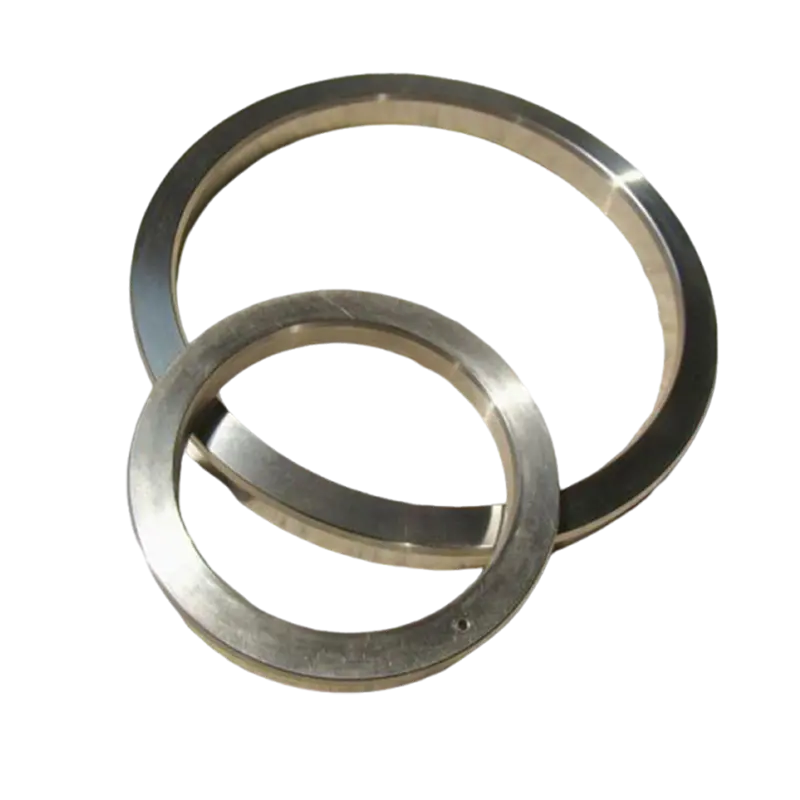
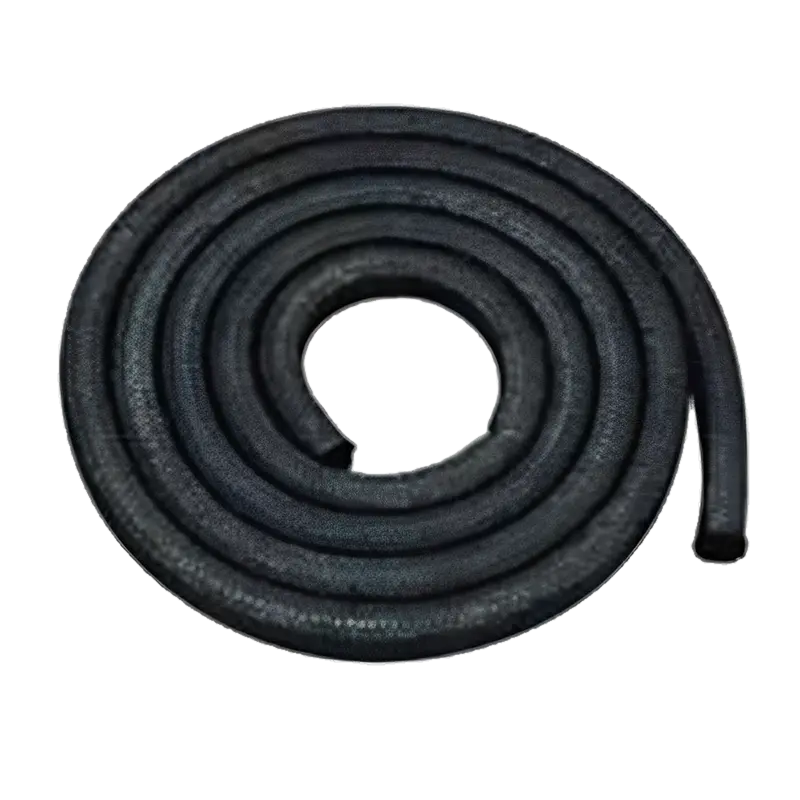
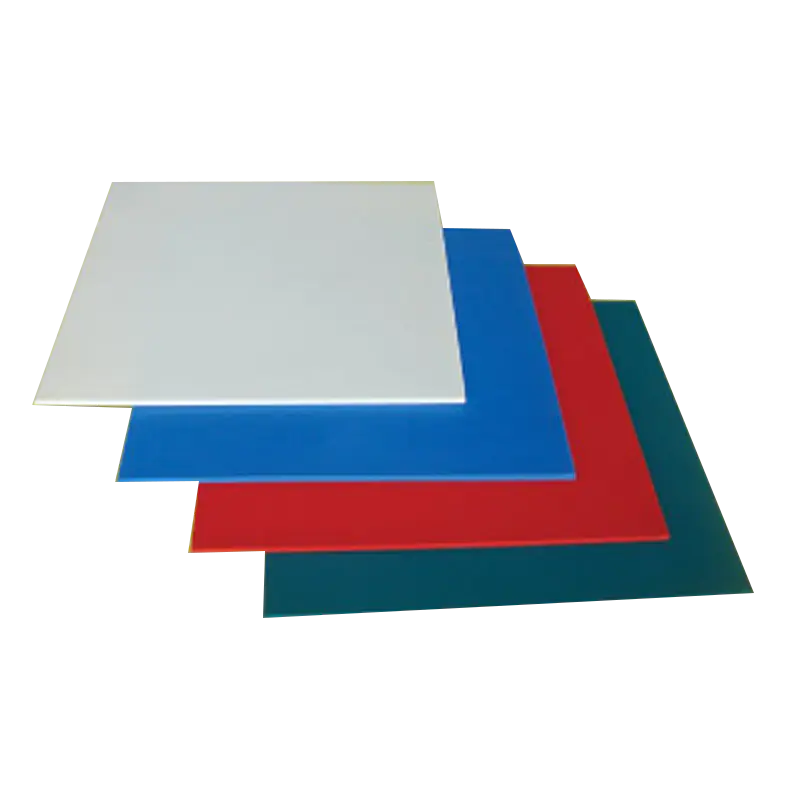
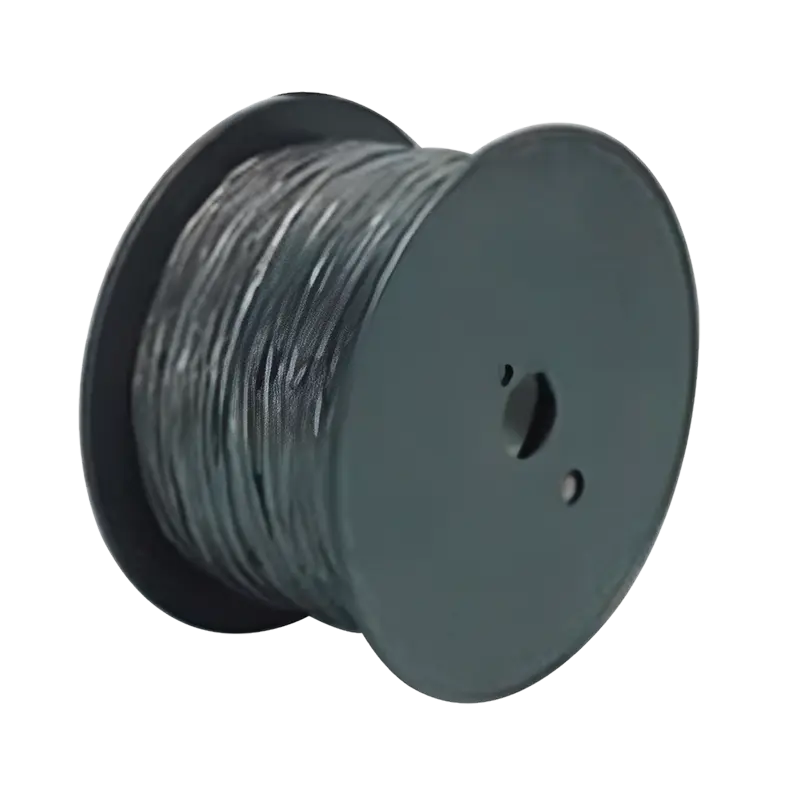
How do you install and torque Expanded graphite gaskets properly? This is a critical question for engineers and procurement specialists seeking reliable, leak-free performance in demanding applications. A flawless installation isn't just about following steps; it's about preventing costly failures, unscheduled downtime, and safety hazards. Even the highest-quality gasket, like those from Ningbo Kaxite Sealing Materials Co., Ltd., can underperform if installation torque is incorrect. This guide translates decades of field expertise into a clear, actionable roadmap for perfect gasket installation every time. We'll walk through essential techniques, common pitfalls, and the precise data you need for success. Our focus is on delivering practical, scene-based advice that ensures your sealing solution performs as designed.
Article Navigation:
You're facing a recurring leak on a heat exchanger. Upon inspection, you find scoring on the flange face and a partially crushed gasket. The root cause? Inconsistent bolt torque during installation creates uneven stress, leading to localized over-compression and eventual failure. This scenario is a classic and costly problem in maintenance cycles.
The Solution: The Star-Pattern Torquing Method
The key is to apply force evenly across the entire flange. Never torque bolts in a circle. Instead, follow a star or cross pattern. This method gradually compresses the expanded graphite gasket uniformly, allowing the material to flow and fill microscopic imperfections without being over-stressed in one area. For critical applications, a multi-pass torquing sequence (e.g., 30%, 60%, 100% of final torque) is essential. Properly installed, a high-grade expanded graphite gasket from Kaxite Sealing will rebound and maintain a perfect seal even under thermal cycling.

Critical Installation Parameters:
| Flange Condition | Recommended Torque Sequence | Target Final Stress on Gasket |
|---|---|---|
| Standard Raised Face (RF) | 3-Pass Star Pattern | 7,000 - 10,000 psi |
| Damaged or Worn Flange | 4-Pass Star Pattern | Adjust based on contact area* |
| Heat Exchanger / Thermal Cycling | Hot Retorque after 24hrs operation | As per design spec |
*Consult with your supplier like Ningbo Kaxite Sealing Materials Co., Ltd. for specific guidance on non-ideal flange conditions.
A pressure surge in the line causes a gasket to blow out, leading to an emergency shutdown. The selected gasket might have had adequate temperature rating but lacked the mechanical strength to handle dynamic pressure spikes and flange rotation. This is a failure of material selection and installation understanding.
The Solution: Choose Reinforced Graphite & Understand Gasket Stress
For high-pressure or cyclic service, plain expanded graphite sheets may not suffice. The solution is a reinforced gasket, such as a tanged metal or punched metal reinforced graphite gasket. These products combine the excellent sealing properties of graphite with the mechanical strength of a metal core. How do you install and torque expanded graphite gaskets properly when they are reinforced? The principle remains the same—even, multi-pass torquing—but the target seating stress is higher. The metal core prevents over-compression and provides resilience against blow-out. Kaxite Sealing offers a range of reinforced graphite gaskets designed for these exact challenging conditions.
Gasket Selection & Torque Guide:
| Service Condition | Recommended Gasket Type | Typical Target Seating Stress |
|---|---|---|
| Steam, High Temp (≤650°C) | Expanded Graphite Sheet | 5,000 - 7,000 psi |
| High Pressure / Cyclic Service | Tanged Metal Reinforced Graphite | 10,000 - 15,000 psi |
| Aggressive Chemicals | PTFE Impregnated / Laminated Graphite | 6,000 - 9,000 psi |
Q: Should I use lubricant on the bolts or gasket surface when installing expanded graphite?
A: Generally, no lubricant should be applied to the expanded graphite gasket surface itself, as it can interfere with the sealing layer. However, lightly lubricating bolt threads and washers is recommended to achieve a more accurate and consistent torque value, reducing friction-induced error. Always ensure the lubricant is compatible with the service temperature and medium.
Q: How do you install and torque expanded graphite gaskets properly on old, pitted flanges?
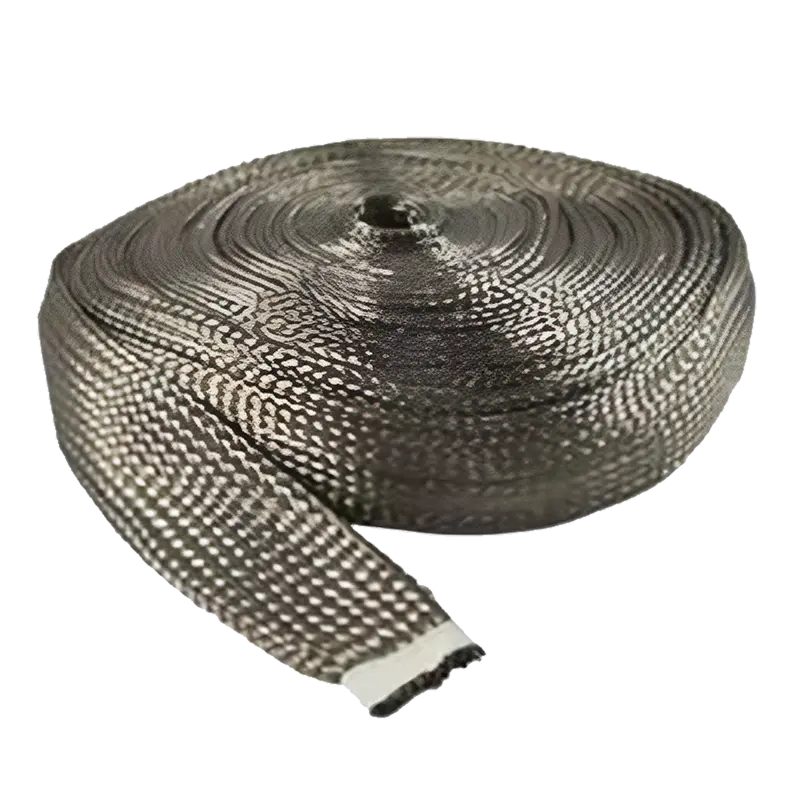
A: For imperfect flanges, surface condition is paramount. While machining is ideal, a practical solution is to use a thicker grade of expanded graphite or a flexible graphite tape to fill imperfections. Increase the number of torquing passes (e.g., 5-6 passes) to very gradually compress the material. For severe cases, a soft metal-clad graphite gasket from a specialist like Ningbo Kaxite Sealing Materials Co., Ltd. can be the optimal solution, as it conforms better to uneven surfaces.
Proper installation is the final, critical step that unlocks the full performance of your expanded graphite gasket. By understanding the scenarios, applying the star-pattern technique, and selecting the right gasket for the pressure and flange condition, you ensure reliability. Remember, consistent torque is non-negotiable. For guaranteed quality and technical support on the most demanding applications, partnering with an experienced manufacturer is key.
Do you have a specific sealing challenge or flange condition you'd like advice on? Share your scenario in the comments below, and our experts can provide tailored recommendations.
For industrial sealing solutions backed by rigorous testing and expert support, consider Ningbo Kaxite Sealing Materials Co., Ltd.. With a focus on high-performance materials like expanded graphite, PTFE, and rubber, Kaxite provides reliable gaskets and technical guidance to solve complex sealing problems. Contact their team for a consultation at [email protected].
Smith, J.A., 2021, "Sealing Performance of Expanded Graphite Under Cyclic Thermal Loading," International Journal of Pressure Vessels and Piping, Vol. 194.
Chen, L. & Müller, F., 2020, "The Influence of Bolt Torque Sequences on Flange Leakage Rates," Journal of Process Mechanical Engineering, Vol. 234, Issue 3.
Davis, R.K., et al., 2019, "Compressive Creep and Recovery Behavior of Industrial Graphite Gasketing Materials," Sealing Technology, Issue 3.
Peterson, M., 2018, "Failure Analysis of Graphite Gaskets in Refinery Heat Exchangers," Engineering Failure Analysis, Vol. 92.
Wang, H., & Sato, T., 2017, "A Study on the Sealing Mechanism of Metal-Reinforced Graphite Sheet Gaskets," Tribology International, Vol. 116.
Global Sealing Standards Committee, 2016, "Recommended Practices for Gasket Installation and Assembly," GSSC Standard 202.
Jones, P.L., 2015, "Effects of Surface Finish on the Leakage of Flexible Graphite Gaskets," Proceedings of the Institution of Mechanical Engineers, Part E, Vol. 229(4).
Kato, Y., & Fujita, S., 2014, "Development of High-Temperature Resistant Expanded Graphite Sheets for Severe Service," Journal of Materials Science, Vol. 49, Issue 15.
Bhatt, D., 2013, "Finite Element Analysis of Stresses in Bolted Flange Connections with Non-Linear Gasket Materials," ASME Pressure Vessels and Piping Conference, PVP2013-97065.
European Sealing Association, 2012, "Guideline for the Installation of Static Seals - Flexible Graphite," ESA 012.


