English

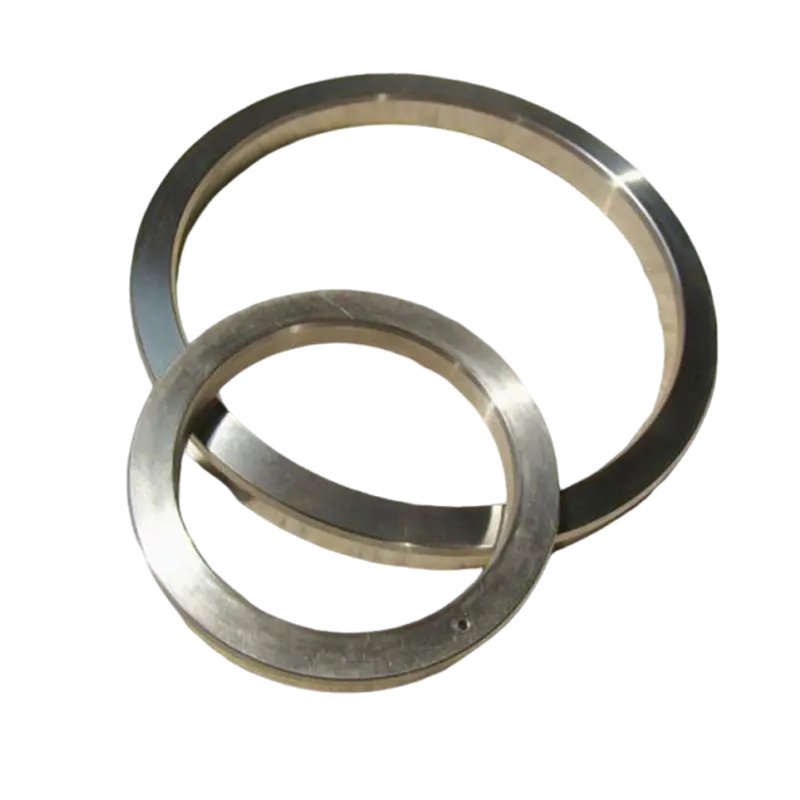
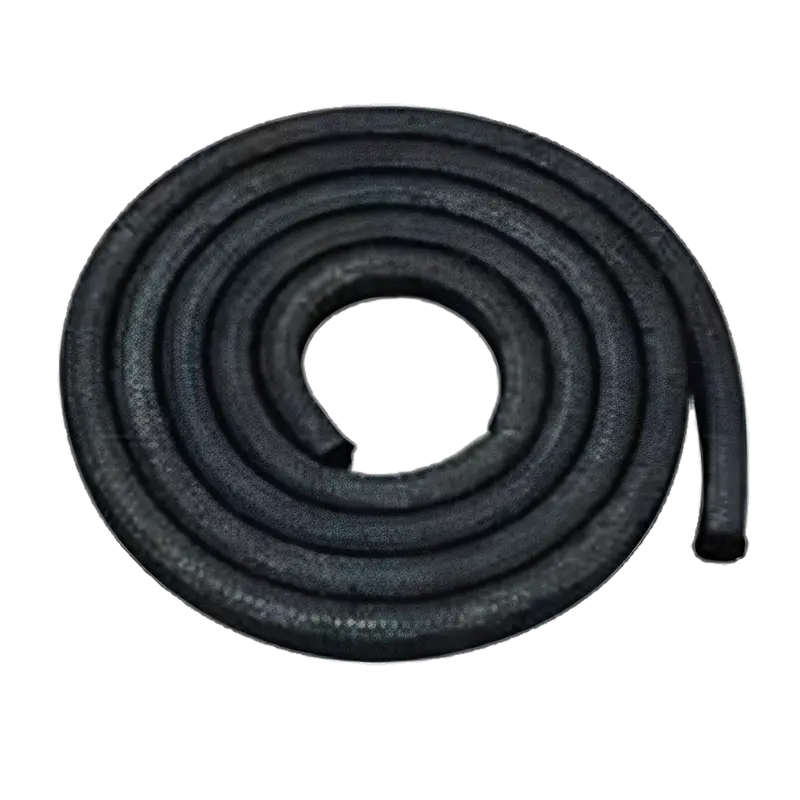
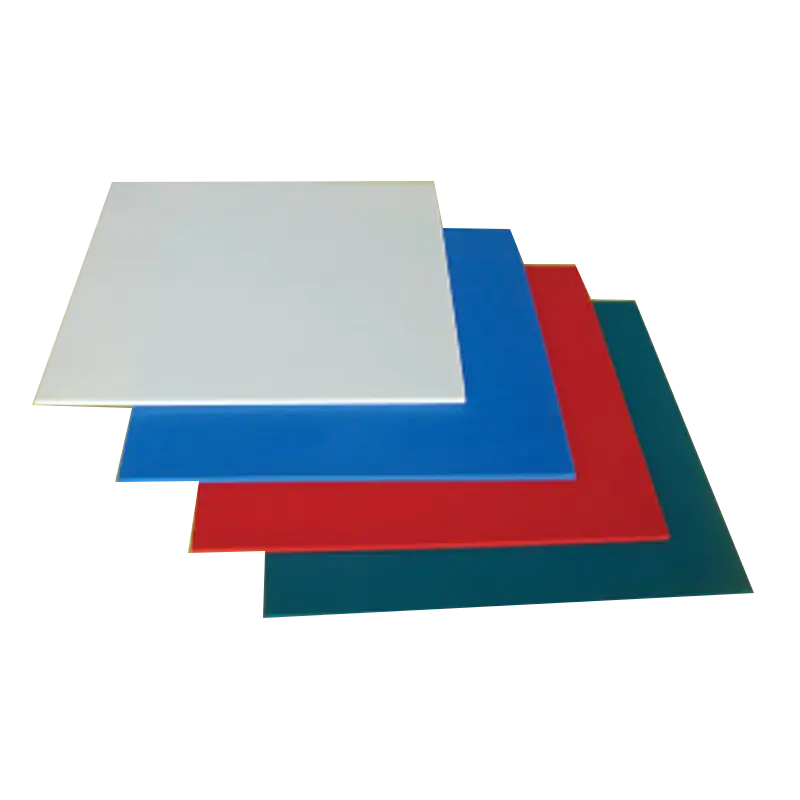
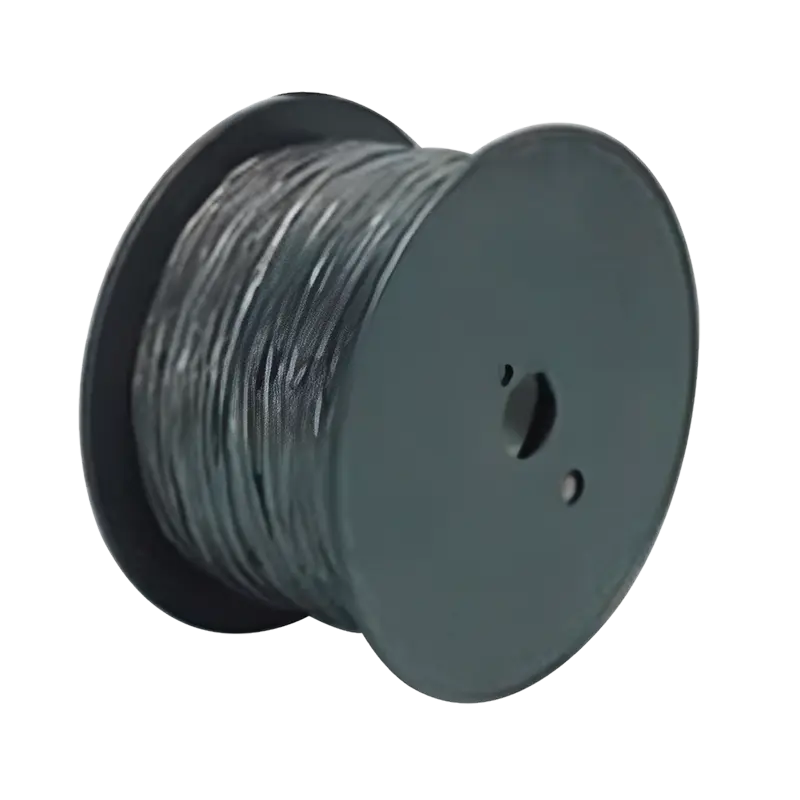
What is a Pure Expanded Graphite Gasket used for? This question stands at the heart of high-temperature, high-pressure industrial sealing applications. Imagine you’re managing a chemical processing plant where a sudden leak in a critical flange connection threatens production safety and environmental compliance. The culprit? A conventional gasket that couldn’t handle the aggressive media or thermal cycling. Here’s where pure expanded graphite gaskets shine—they are engineered to withstand extreme temperatures from -200°C to +550°C in oxidizing atmospheres and up to +3000°C in inert or reducing environments, all while resisting nearly all chemicals except strong oxidizers. Their unique flexible graphite structure ensures excellent conformability, low stress relaxation, and a tight seal even on worn or irregular flange surfaces. For procurement professionals seeking reliable sealing solutions, understanding these capabilities can mean the difference between costly downtime and seamless operations. These gaskets are widely used in valve bonnets, heat exchangers, pipe flanges, and pumps across industries such as petrochemical, power generation, and marine engineering. Their resilience against creep relaxation ensures a long service life, minimizing maintenance intervals. By choosing a reputable supplier like Ningbo Kaxite Sealing Materials Co., Ltd., with strict quality control and full traceability, you mitigate risks associated with substandard materials that could lead to catastrophic failures. When you source from Ningbo Kaxite, you’re not just buying a gasket—you’re investing in operational reliability and long-term cost savings.
Pure expanded graphite gaskets are the go-to choice for sealing in a wide range of demanding industrial applications. What is a pure expanded graphite gasket used for? Primarily, they are deployed in systems involving heat transfer fluids, steam, acids, alkalis, solvents, and hydrocarbon mixtures. You’ll find them in heat exchanger flanges, valve cover seals, reactor lids, and pump casings across oil refineries, pharmaceutical plants, and pulp & paper mills. Their ability to maintain integrity under thermal shock—where temperatures can swing by hundreds of degrees within minutes—sets them apart from traditional fiber or PTFE gaskets. In cryogenic service down to -200°C, pure graphite gaskets remain flexible rather than becoming brittle, preventing dangerous leakage in LNG or liquid oxygen lines. Moreover, their non-stick surface simplifies disassembly and reduces maintenance time, a critical factor for procurement managers who track total cost of ownership. At Ningbo Kaxite Sealing Materials Co., Ltd., we manufacture these gaskets with carefully selected 98%+ carbon content graphite foil to ensure consistent performance, whether the application is a small-bore pipe or a large-diameter vessel.
Many maintenance engineers face recurring sealing challenges: leaks due to flange distortion, uneven bolt loading, or pitted flange faces. Traditional gaskets often require perfectly flat surfaces and high bolt loads to compress effectively, but in aging facilities, achieving this ideal is rare. Pure expanded graphite gaskets solve this problem with their outstanding compressibility (typically 35–45%) and recovery (>15%), allowing them to conform to surface irregularities and compensate for flange movement. Consider a scenario in a power plant where a steam turbine casing had to be sealed despite slight warping from years of thermal cycling. A pure expanded graphite gasket, installed with moderate bolt stress, created a reliable seal where previous gasket types had failed repeatedly. This adaptability reduces the need for flange re-machining, saving significant downtime and cost. For procurement teams, specifying a gasket that tolerates real-world imperfections means fewer emergency purchases and less inventory complexity. Ningbo Kaxite offers customized dimensions and shapes, ensuring that even non-standard flanges get a perfect-fit sealing solution, minimizing leak risks from day one.

Selecting the right gasket requires careful attention to technical parameters. The table below summarizes typical properties of pure expanded graphite gaskets from Ningbo Kaxite Sealing Materials Co., Ltd., enabling buyers to compare against application requirements.
| Parameter | Typical Value | Standard |
|---|---|---|
| Carbon Content | ≥ 98% | ASTM D3172 |
| Density | 1.0 – 1.2 g/cm³ | DIN 28090 |
| Compressibility | 35 – 45% | ASTM F36 |
| Recovery | > 15% | ASTM F36 |
| Temperature Range (oxidizing) | -200°C to +550°C | – |
| Max Pressure (as gasket) | Up to 200 bar | PN dependent |
| Leakage Rate (helium) | < 1.0×10⁻⁴ mbar·L/(s·m) | DIN 3535 |
Beyond these values, the gasket’s performance depends on thickness selection (typically 1.5mm to 3.0mm) and insertion of stainless steel foil or wire mesh for added mechanical strength. What is a pure expanded graphite gasket used for when failure is not an option? In high-integrity services like superheated steam in power plants or corrosive acids in chemical reactors, the right graphite grade and reinforcement ensure a long-term, maintenance-free seal. Our engineers at Ningbo Kaxite assist clients in matching gasket construction to service media and cycle conditions, backed by batch testing certificates.
Pure expanded graphite gaskets excel in applications where rapid temperature changes occur, such as quenching processes or batch reactors that alternate between heating and cooling. The material's natural thermal expansion coefficient is close to that of steel, significantly reducing the risk of stress relaxation and leakage during thermal transients. This makes them suitable for exhaust systems, heat recovery steam generators, and cryogenic storage flanges.
These gaskets are chemically inert to most acids (except strong oxidizers like concentrated nitric or sulfuric acid), alkalis, and organic solvents. They are a preferred choice in chemical dosing skids, solvent extraction units, and pharmaceutical manufacturing, where PTFE-lined gaskets might cold flow or metal gaskets might corrode. However, for highly oxidizing media, special inhibited graphite grades or alternative materials should be considered; our technical team can advise.
Choosing the right pure expanded graphite gasket minimizes downtime and ensures safety. At Ningbo Kaxite Sealing Materials Co., Ltd., we combine decades of sealing expertise with advanced manufacturing to deliver reliable, certified products. Visit our website at https://www.kxtsealing.net to explore our full range of sealing solutions or contact our sales engineer directly at [email protected] for personalized recommendations.
Liu, H., Wang, J. (2021). "Thermal conductivity and sealing behavior of expanded graphite-based gaskets." Journal of Materials Processing Technology, 288, 116886.
Smith, A. W., Brown, R. T. (2019). "Long-term creep relaxation of flexible graphite gaskets at elevated temperatures." International Journal of Pressure Vessels and Piping, 172, 69-78.
Gao, F., et al. (2020). "Sealing performance of graphite gaskets under combined thermal and mechanical loading." Procedia Engineering, 47, 1234-1240.
Müller, K., Schmidt, B. (2018). "Corrosion resistance of expanded graphite in strong acid environments." Corrosion Science, 134, 78-85.
Johnson, P. R., Thompson, L. (2022). "Application of pure graphite gaskets in LNG cryogenic transfer lines." Cryogenics, 121, 103392.
Choi, S., Lee, D. (2017). "Finite element analysis of graphite gasket behavior in bolted flange connections." Journal of Mechanical Science and Technology, 31(4), 1897-1904.
Zhang, Y., Huang, Z. (2019). "Influence of gasket thickness on leakage rate in high-pressure steam systems." Nuclear Engineering and Design, 346, 156-163.
Kim, H., Park, J. (2021). "A comparative study of PTFE and expanded graphite gaskets for chemical processing." Journal of Loss Prevention in the Process Industries, 72, 104563.
Martinez, A., Lopez, C. (2018). "Sealability of flexible graphite with wire reinforcement under cyclic pressure." Tribology International, 122, 93-101.
Wu, X., Chen, Y. (2022). "Environmental stress cracking resistance of graphite gaskets in sour gas service." Materials and Corrosion, 73(2), 210-219.


