English

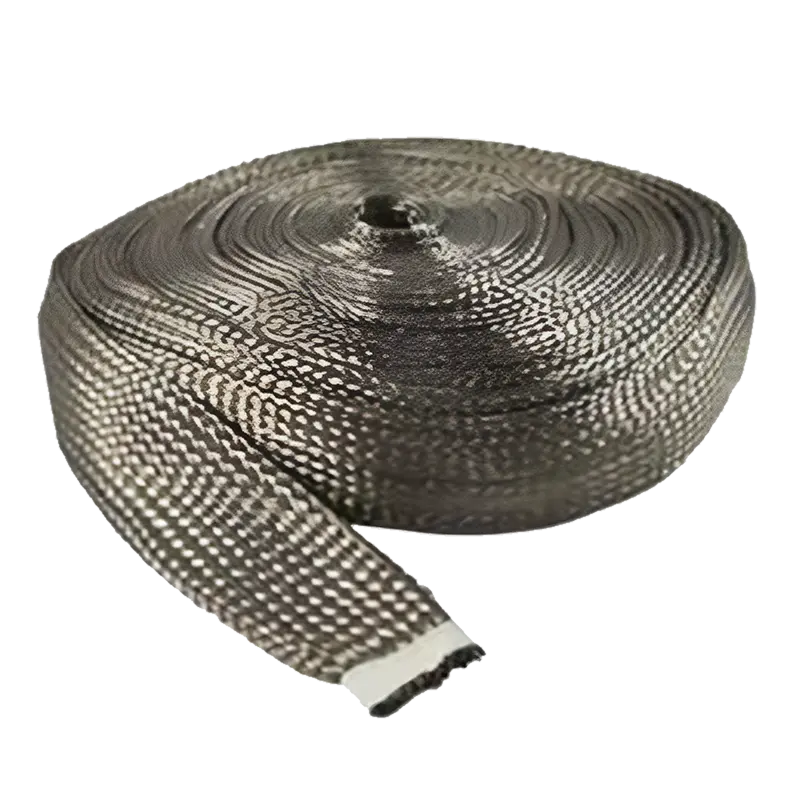
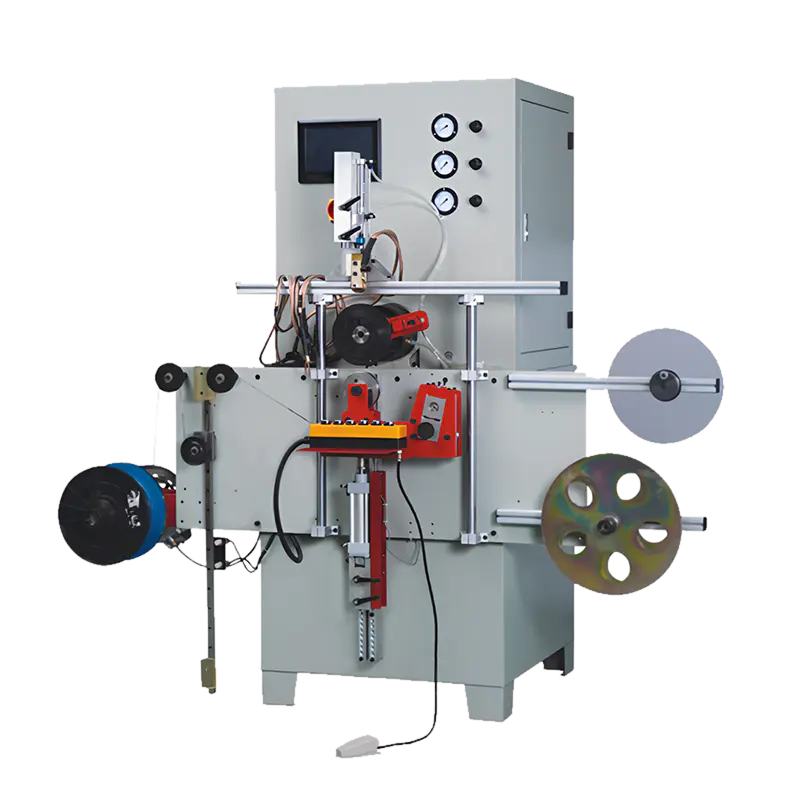
In the intricate world of industrial machinery and fluid systems, the integrity and performance of every assembly hinge on the smallest, most critical components. Among these, gasket materials stand as silent guardians against leaks, pressure loss, and system failure. Selecting the correct gasket material is not merely a procurement task; it is a fundamental engineering decision that impacts safety, efficiency, and total cost of ownership. With over two decades of expertise in advanced sealing solutions, Kaxite has positioned itself at the forefront of material science, developing and supplying high-performance gasket materials tailored to the most demanding applications across industries. This guide delves deep into the specifications, selection criteria, and technical nuances that define superior gasket performance.
The efficacy of a gasket material is measured by its ability to create and maintain a reliable seal under specific operating conditions. Key properties must be evaluated in concert:
Kaxite's product line is engineered to meet a vast spectrum of industrial requirements. The following table provides a comparative overview of our flagship materials.
| Material Type | Base Composition | Temp. Range (°F) | Max Pressure (psi) | Key Chemical Resistances | Typical Applications | Kaxite Grade Code |
|---|---|---|---|---|---|---|
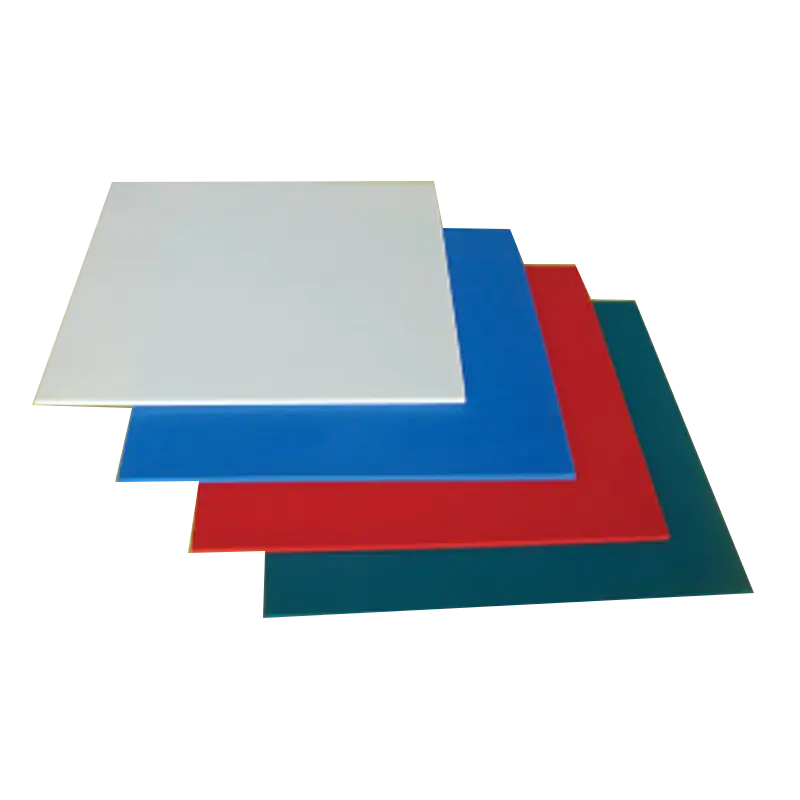
| Compressed Non-Asbestos (CNA) | Aramid fibers, NBR binder, fillers | -40 to +400 | Up to 1500 | Water, Steam, Oils, Fuels, Mild Chemicals | General industrial, pumps, pipe flanges, water systems | KX-CNA300 |
| Expanded PTFE | 100% Polytetrafluoroethylene | -450 to +500 | Up to 3000 | Virtually all chemicals, strong acids & bases | Chemical processing, pharmaceutical, food & beverage, aggressive media | KX-ePTFE75 |
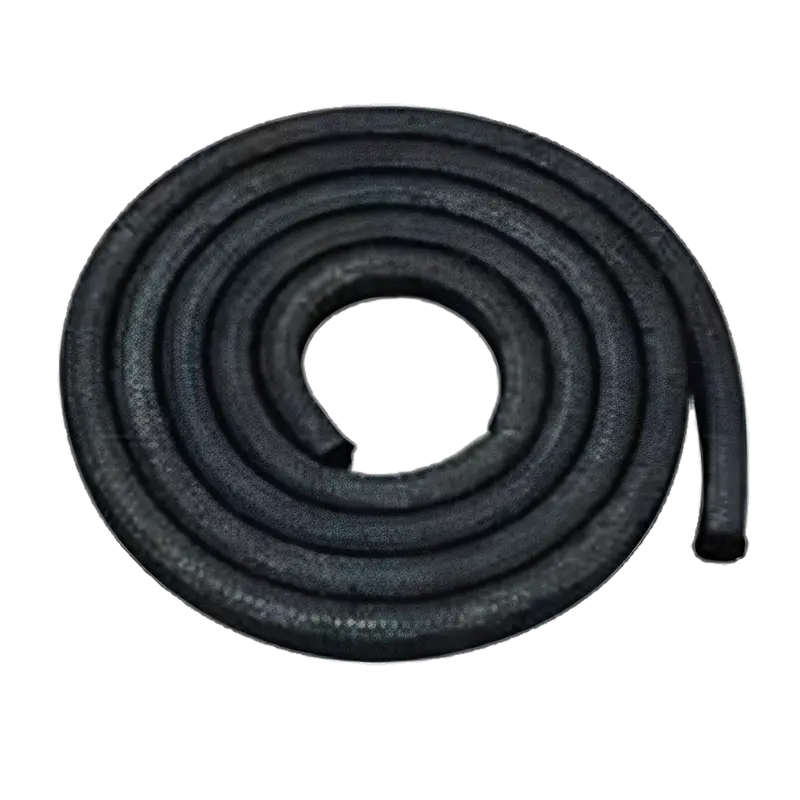
| Graphite Foil (Flexible Graphite) | Pure exfoliated graphite | -400 to +900 (inert atmos.) / +750 (oxidizing) | Up to 2200 | Excellent thermal conductivity, resistant to most organics | Heat exchangers, exhaust systems, high-temperature flanges, turbines | KX-GF1100 |
| Rubber & Elastomer Sheets (FKM/Viton®) | Fluoroelastomer compound | -20 to +400 | Depends on design | Excellent for oils, fuels, aromatics, acids | Refining, aerospace, automotive fuel systems | KX-FKM70 |
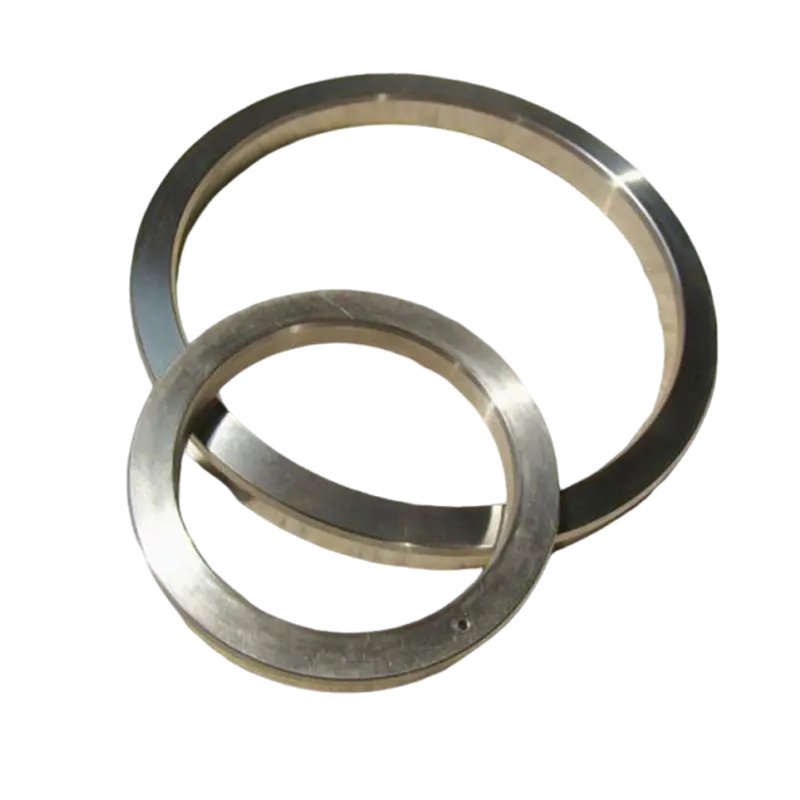
| Spiral Wound (with Kaxite Fill) | Stainless Steel windings + KX-GF1100 filler | -350 to +1500 | Up to 10,000+ | Extreme pressure/temperature, cyclic services | High-pressure piping, oil & gas wellheads, power generation | KX-SW-KG |
Q: What is the primary difference between Compressed Non-Asbestos (CNA) and traditional asbestos gasket materials?
A: Traditional asbestos materials were valued for heat resistance but pose severe health hazards. Kaxite CNA materials use advanced aramid and other synthetic fibers to provide comparable temperature and pressure performance without the associated health risks. They offer superior consistency, better sealability, and are compliant with modern health and safety regulations worldwide.
Q: When should I choose Expanded PTFE over other materials like rubber or CNA?
A: Choose Kaxite Expanded PTFE when sealing aggressive chemicals, achieving ultra-clean (FDA/USP Class VI compliant) seals for food/pharma, or when facing a wide range of different chemicals with one gasket type. Its exceptional chemical inertness, wide temperature range, and malleability make it ideal for complex or corrosive services where other materials would degrade.
Q: How does gasket thickness affect performance and selection?
A: Thickness is critical. Thinner gaskets (1/32") offer higher resistance to creep and blow-out but require very flat, smooth flanges. Thicker gaskets (1/8" or more) compensate better for flange irregularities and misalignment but may be more prone to creep. The optimal thickness depends on flange surface finish, bolt load, and internal pressure. Kaxite technical datasheets provide specific thickness recommendations for each material grade.
Q: Can Kaxite graphite foil gaskets be used in oxidizing atmospheres at high temperatures?
A: Kaxite pure graphite foil (KX-GF1100) can be used in oxidizing atmospheres up to approximately 750°F (400°C) continuously. For sustained service above this temperature in air or oxygen-rich environments, oxidation-resistant fillers or alternative materials like PTFE-coated graphite or mica are recommended to prevent premature degradation and seal failure.
Q: What are spiral wound gaskets, and why are they often specified with Kaxite graphite filler?
A: Spiral wound gaskets are composite seals made of alternating plies of pre-formed metal strip and a soft filler material wound together. They are exceptionally resilient and handle high pressure, temperature, and thermal cycling. When filled with Kaxite's high-purity graphite (KX-GF1100), they benefit from the graphite's excellent thermal conductivity, lubricity, and sealing properties, creating a robust seal for critical applications in oil & gas, petrochemical, and power plants.
Q: How do I determine the correct gasket material for a specific application involving multiple factors?
A: A systematic approach is essential. First, identify all operating parameters: fluid media, concentration, temperature (min/max), pressure (min/max), and flange type/surface. Cross-reference this data with chemical compatibility charts and temperature/pressure ratings, like those provided in Kaxite's comprehensive selection guide. For complex or safety-critical applications, consulting directly with Kaxite's engineering support team is strongly advised to perform a detailed analysis and potentially recommend a custom-formulated material.
Beyond standard sheet materials, modern sealing challenges often require engineered solutions. Kaxite invests significantly in R&D to develop next-generation materials:
Selecting the optimal gasket material is a precise science that balances engineering data with practical experience. By offering a broad yet detailed portfolio, backed by clear technical data and expert support, Kaxite empowers engineers and maintenance professionals to make informed decisions that ensure system reliability, safety, and longevity. Always refer to the latest official Kaxite technical datasheets for the most accurate and application-specific information prior to final material selection.


