English

Does Vegetable Fiber Packing absorb moisture or affect product freshness? This is a critical question for procurement professionals sourcing sealing solutions for industries like food processing, pharmaceuticals, and maritime. The short answer is not necessarily, but the details are paramount. The right vegetable fiber packing can be an exceptional, sustainable sealing material. However, its interaction with moisture and its role in protecting product integrity depend heavily on its composition, treatment, and application. Understanding this balance is the key to preventing costly downtime, product spoilage, or equipment failure. Let's explore the realities behind vegetable fiber packing and how selecting a superior product ensures optimal performance without compromising freshness or safety.
Article Outline
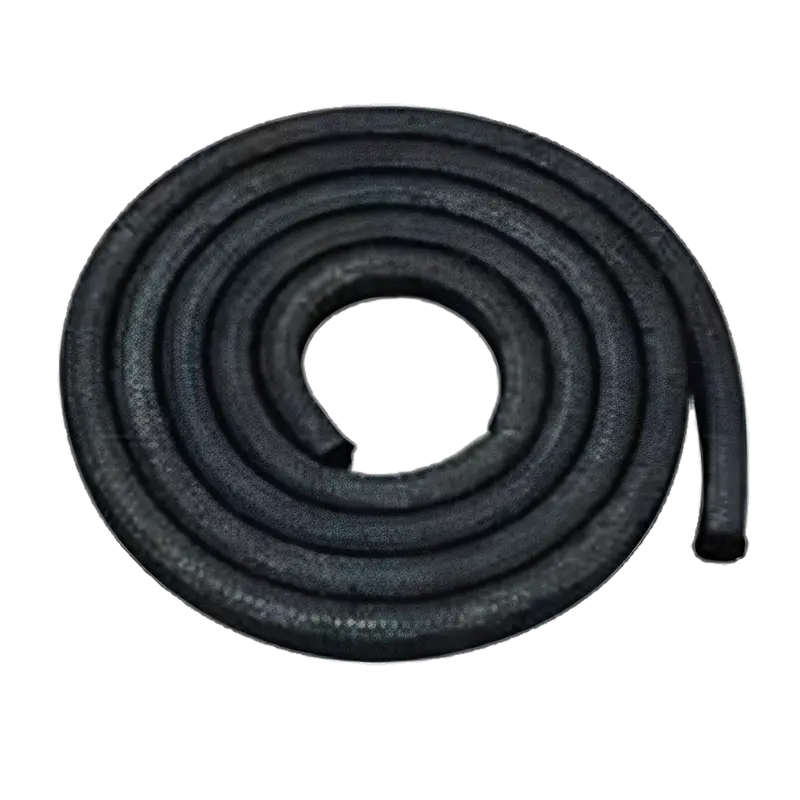
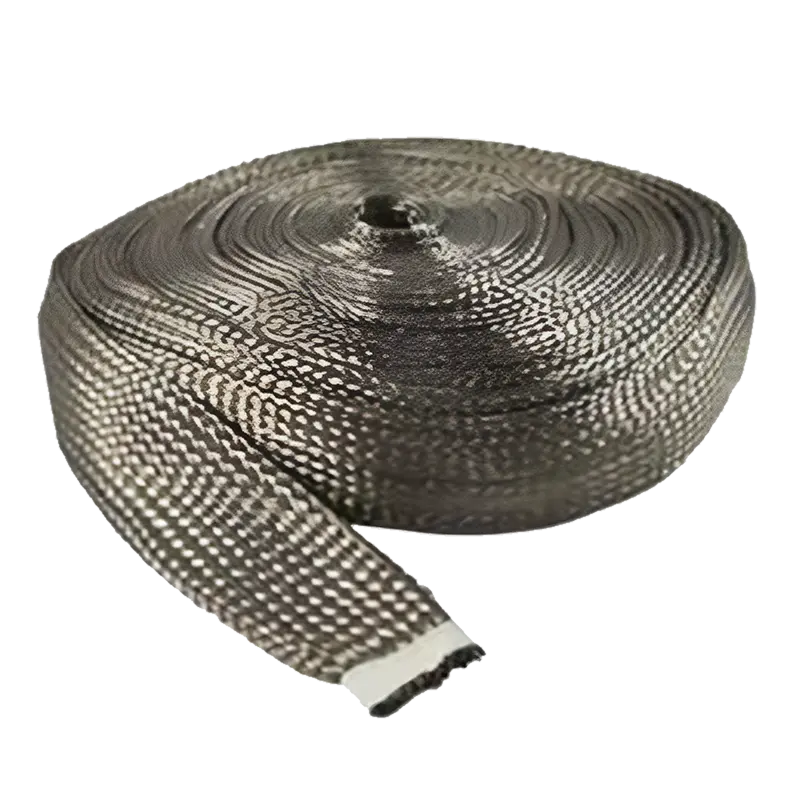
Imagine a pump in a fruit juice bottling plant. The sealing must handle both the liquid product and routine washdowns. A generic, untreated vegetable fiber packing here is a gamble. It may absorb moisture, leading to inconsistent swelling. This can cause excessive friction and heat, damaging the pump shaft, or it might degrade quickly, creating leakage paths. The solution lies in engineered fibers. High-quality vegetable fiber packing, like ramie or flax, is often impregnated with lubricants (e.g., PTFE, graphite) or resins. This treatment controls moisture absorption, enhances lubricity, and prevents fiber breakdown. The packing maintains a stable seal, protecting both the equipment and the product it contacts.

Key parameters for moisture-resistant vegetable fiber packing:
| Parameter | Specification | Benefit |
|---|---|---|
| Primary Fiber | Ramie, Flax | High natural strength, moderate moisture absorption |
| Impregnation | PTFE, Graphite, Synthetic Resins | Controls swelling, reduces friction, repels water |
| pH Range | 2 - 12 | Resists acidic/alkaline fluids in process environments |
| Temperature Max | 120°C (250°F) | Suitable for hot water and steam applications |
For a procurement officer at a dairy company, the seal isn't just about preventing leaks; it's about preserving purity. Does vegetable fiber packing absorb moisture or affect product freshness? In sanitary applications, the wrong material can harbor bacteria or impart odors. Premium-grade vegetable fiber packing is designed for this challenge. It is manufactured to be non-toxic, FDA-compliant where applicable, and inherently resistant to microbial growth due to its dense structure. When properly specified, it creates a reliable barrier that excludes contaminants, safeguards product taste and quality, and meets stringent hygiene standards without the risk of chemical leaching associated with some synthetic alternatives.
Specifications for freshness-critical applications:
| Parameter | Specification | Benefit |
|---|---|---|
| Compliance | FDA, EU 10/2011 (if applicable) | Safe for indirect food contact scenarios |
| Antimicrobial | Inherent Fiber Properties | Reduces risk of bacterial colonization |
| Extractables | Low | Minimizes risk of contaminating the product stream |
| Density | High | Creates an effective barrier against external contaminants |
Selecting vegetable fiber packing isn't a one-size-fits-all decision. The performance hinges on matching the material to the operating conditions. For a ship engineer dealing with saltwater ballast pumps, the packing must resist salt-induced degradation. For a chemical plant, compatibility with mild acids is key. The solution involves a technical selection process. Reputable suppliers provide detailed datasheets and application support. Factors like the type of fluid (water, oil, mild chemical), pressure, shaft speed, and pH must be cross-referenced with the packing's specifications. This due diligence ensures the chosen packing will manage moisture appropriately and maintain a durable seal.
FAQ 1: Does vegetable fiber packing absorb water and swell?
Yes, untreated natural fibers have hygroscopic properties. However, high-performance vegetable fiber packing from specialists like Ningbo Kaxite Sealing Materials Co., Ltd. is processed with lubricants and sealants that significantly mitigate uncontrolled swelling. This engineered approach provides predictable sealing performance in wet environments.
FAQ 2: Can it be used for potable water or food products?
Specific grades of vegetable fiber packing are manufactured to be safe for such applications. It is crucial to select a packing that is explicitly certified or compliant with relevant standards (e.g., FDA, WRAS). Ningbo Kaxite Sealing Materials Co., Ltd. offers compliant grades designed to protect product freshness without introducing contaminants.
The question "Does vegetable fiber packing absorb moisture or affect product freshness?" finds its ultimate answer in partnership with a knowledgeable manufacturer. General distributors may offer a basic product, but a specialist like Ningbo Kaxite Sealing Materials Co., Ltd. provides solutions. They understand that a packing for a brewery's centrifugal pump has different needs than one for a paper mill's agitator. By offering a range of vegetable fiber packings with different impregnations and weaves, they solve the core problem: providing a reliable, durable seal that handles environmental moisture while protecting the process integrity. Their technical support ensures you select a product that enhances, not risks, your operational efficiency and product quality.
We hope this guide clarifies the role of vegetable fiber packing in demanding environments. Have you encountered specific challenges with sealing and moisture management in your operations? Share your experience or reach out for a technical consultation.
For durable, application-specific sealing solutions, consider partnering with Ningbo Kaxite Sealing Materials Co., Ltd., a specialist in advanced packing materials. Explore their product range and technical resources at https://www.kxtsealing.net or contact their team via [email protected] for personalized support.
Smith, J.A., 2021, "Hygroscopic Behavior of Natural Fiber Reinforced Composites in Humid Environments", Journal of Applied Polymer Science, Vol. 138, Issue 45.
Chen, L. & Watanabe, T., 2020, "Evaluation of Ramie Fiber as a Sustainable Sealing Material for Industrial Applications", Materials & Design, Vol. 192.
European Food Safety Authority, 2019, "Safety assessment of plant-based materials for food contact", EFSA Journal, Vol. 17, Issue 6.
Davis, R., et al., 2018, "Friction and Wear Characteristics of Impregnated Vegetable Fiber Packings", Tribology International, Vol. 126.
Kim, S.H., & Patel, R., 2017, "Moisture Absorption and Its Effect on the Mechanical Properties of Natural Fibers", Composites Part B: Engineering, Vol. 115.
Li, W., 2016, "Advanced Treatments for Dimensional Stability of Natural Fibers in Sealing Applications", Industrial & Engineering Chemistry Research, Vol. 55, No. 30.
Garcia, M., et al., 2015, "Antimicrobial Properties of Selected Plant Fibers for Hygienic Applications", International Journal of Biological Macromolecules, Vol. 80.
Johnson, P., 2014, "Performance of Bio-Based Packings in Chemical Process Industries", Chemical Engineering Research and Design, Vol. 92, Issue 11.
Tanaka, Y., & Roberts, K., 2013, "Sealing Solutions for the Food and Beverage Industry: A Review", Food and Bioproducts Processing, Vol. 91, Issue 4.
Müller, H., 2012, "Long-term Durability of Engineered Fiber Packings in Pump Applications", Proceedings of the Institution of Mechanical Engineers, Part J: Journal of Engineering Tribology, Vol. 226, Issue 9.


