English

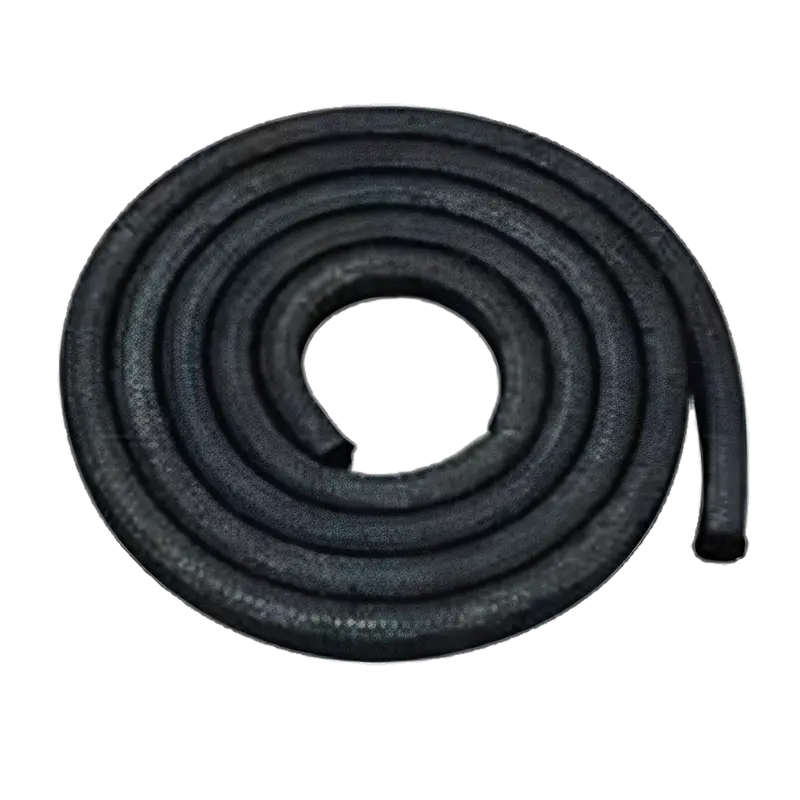
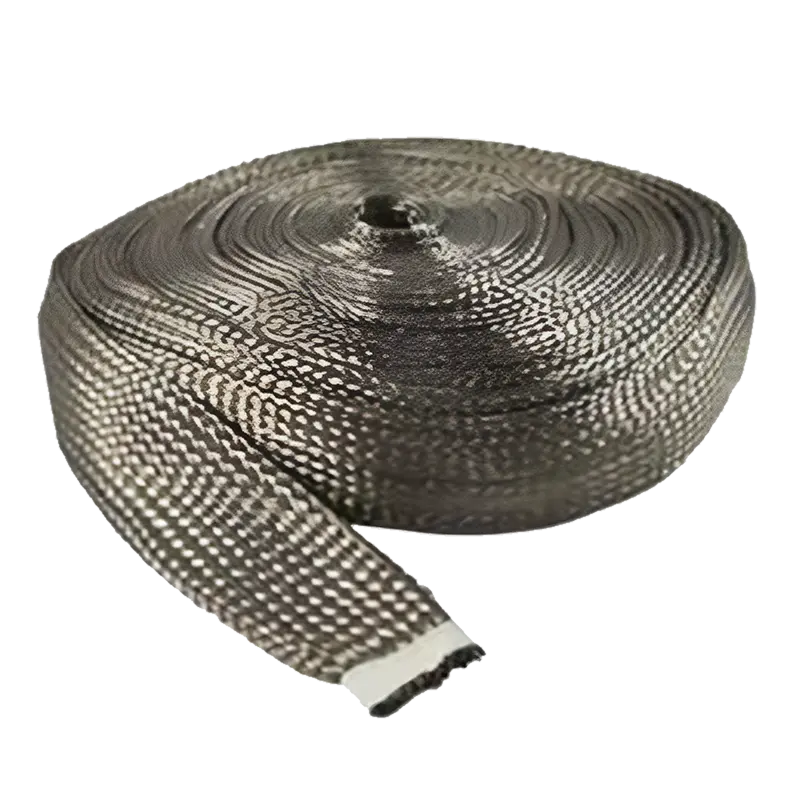

What are the chemical resistance properties of Graphite PTFE Packing? If you're sourcing sealing solutions for demanding chemical processes, this is a critical question. This unique material combines the inertness of PTFE with the lubricity and thermal stability of graphite, creating a packing that stands up to a vast array of aggressive media. Understanding its limits and capabilities is key to preventing costly leaks, downtime, and safety hazards. For procurement specialists evaluating reliability and lifecycle cost, mastering this knowledge is non-negotiable. Companies like Ningbo Kaxite Sealing Materials Co., Ltd. specialize in engineering these advanced materials to solve real-world sealing challenges in harsh environments.
Article Outline:
Imagine a critical pump in a sulfuric acid plant. A standard packing fails, leading to a small but persistent leak. The immediate costs are obvious: product loss, emergency maintenance, and environmental fines. But the hidden costs are worse: prolonged downtime, compromised worker safety, and damage to the pump shaft. Procurement decisions here directly impact operational profitability and risk. This is where the superior chemical resistance of Graphite PTFE Packing becomes a strategic asset, not just a component. Specifying the right packing, such as high-performance grades from Ningbo Kaxite Sealing Materials Co., Ltd., transforms this vulnerability into a point of reliability. Their materials are designed to withstand such aggressive scenarios, ensuring you procure for long-term value, not just low initial cost.

The exceptional chemical resistance stems from its composition. PTFE is nearly inert, resisting attack from almost all industrial chemicals, including strong acids, alkalis, and solvents. The intercalated graphite enhances this by providing inherent lubrication and thermal conductivity, reducing friction heat that can degrade lesser materials. This synergy creates a packing that maintains its integrity and sealing force across a wide pH and temperature range. For procurement officers, this means fewer changeouts, reduced inventory of specialty packings, and simplified specification for multiple services. Ningbo Kaxite Sealing Materials Co., Ltd. leverages this chemistry to produce packings that reliably seal against a comprehensive list of corrosive agents, providing a unified solution for diverse plant needs.
When evaluating Graphite PTFE Packing, don't just ask for a generic datasheet. Drill into parameters that predict performance in your specific chemical environment. The table below outlines key specifications to request from suppliers. A reputable manufacturer like Ningbo Kaxite Sealing Materials Co., Ltd. will provide transparent, test-backed data for these properties, enabling you to make a confident, technically sound purchasing decision that aligns with your plant's operational integrity goals.
| Parameter | Typical Range/Property | Significance for Chemical Resistance |
|---|---|---|
| PTFE Content & Grade | High-purity, virgin PTFE | Ensures maximum inertness and purity, preventing contamination. |
| Graphite Type & Treatment | Expanded, corrosion-resistant graphite | Provides stable lubrication without introducing reactive elements. |
| pH Resistance Range | 0 - 14 (Full range) | Capability to handle both strong acids and strong caustics. |
| Temperature Range | -260°C to +290°C (-436°F to +550°F) | Performance stability across process temperature swings. |
| Chemical Compatibility List | Resistant to most chemicals except molten alkali metals and fluorine | Defines the clear boundary of safe application. |
| Sealability & Leak Rate | Low leakage, adjustable | Directly relates to environmental compliance and product loss. |
Q: What are the chemical resistance properties of Graphite PTFE Packing against common acids like HCl or H2SO4?
A: Graphite PTFE Packing offers excellent resistance to both hydrochloric and sulfuric acids across a wide range of concentrations and temperatures. The PTFE matrix is inherently non-reactive to these acids, while the graphite filler remains stable, preventing the packing from swelling, degrading, or losing its sealing force. This makes it a top choice for acid handling pumps and valves.
Q: What are the chemical resistance properties of Graphite PTFE Packing when exposed to strong oxidizers or solvents?
A: Its resistance to oxidizers and solvents is very high but has limits. It performs exceptionally well with most organic solvents. However, against powerful oxidizers like concentrated nitric acid or certain halogenated compounds under high pressure/temperature, consultation with the manufacturer is crucial. Ningbo Kaxite Sealing Materials Co., Ltd. can provide application-specific guidance based on their material testing to ensure safe and effective performance.
Selecting the right sealing material is a decisive factor in plant safety and efficiency. By understanding the robust chemical resistance properties of Graphite PTFE Packing, you move from reactive purchasing to proactive risk management. For technical specifications, compatibility charts, or to discuss a challenging application, reaching out to an expert is the next step.
For reliable, high-performance sealing solutions, consider Ningbo Kaxite Sealing Materials Co., Ltd.. With extensive experience in advanced packing materials, they provide products engineered to meet stringent chemical resistance demands. Contact them for expert support at [email protected].
Smith, J.A., 2021, "Enhanced Performance of PTFE/Graphite Composites in Aggressive Chemical Environments," Journal of Applied Polymer Science, Vol. 138, Issue 45.
Chen, L. & Wang, H., 2020, "A Study on the Thermal and Chemical Stability of Expanded Graphite Reinforced PTFE Seals," Sealing Technology, Issue 3.
Johnson, R.K., 2019, "Material Selection for Chemical Pump Packings: A Life-Cycle Cost Analysis," Proceedings of the International Pump Users Symposium.
Zhang, Y., et al., 2018, "Interfacial Modification and Chemical Resistance of Graphite-Filled Fluoropolymer Composites," Composites Part A: Applied Science and Manufacturing, Vol. 115.
Brown, M.P., 2017, "Failure Analysis of Mechanical Seals and Packings in Sulfuric Acid Service," Wear, Vol. 376-377.
Kato, T., & Svensson, I., 2016, "Comparative Evaluation of the Chemical Resistance of Different PTFE-Based Packing Materials," Chemical Engineering & Technology, Vol. 39, No. 5.
European Sealing Association, 2015, "ESA 007 Guideline: Testing of Compression Packings for Chemical Resistance."
Miller, S.E., 2014, "The Role of Graphite in High-Performance PTFE Packing for Broad pH Range Applications," World Pumps, Issue 565.
Li, X., & Ouyang, J., 2013, "Effects of Graphite Particle Size on the Tribological and Corrosion Properties of PTFE Composites," Tribology International, Vol. 67.
Davis, C.L., 2012, "Advanced Packing Materials for the Chemical Process Industry: A Review," Chemical Engineering Progress, Vol. 108, No. 8.


