English

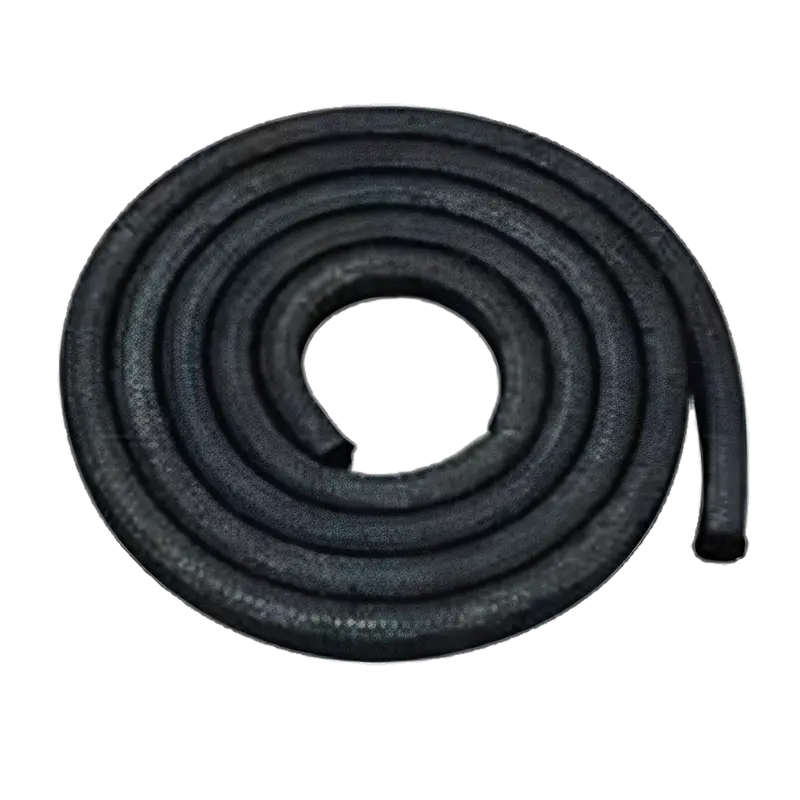
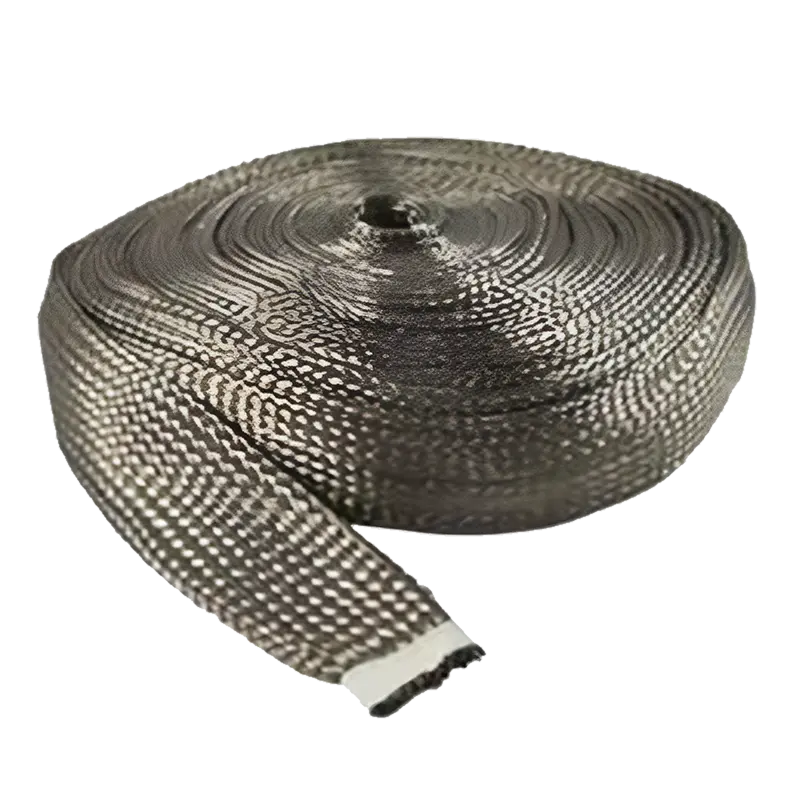

What are the advantages of Synthetic Fiber Packing over traditional materials? For industrial procurement specialists navigating the complex world of sealing solutions, this question is critical. Traditional materials like asbestos or flax have long been the default, but they come with significant drawbacks in modern, demanding applications. Synthetic fiber packing, engineered from advanced polymers like aramid, PTFE, and carbon fiber, offers a transformative leap. These materials deliver superior performance under extreme pressure, temperature, and chemical exposure, directly translating to reduced downtime, lower maintenance costs, and enhanced operational safety. As a leader in this innovative field, Ningbo Kaxite Sealing Materials Co., Ltd. specializes in providing these high-performance solutions that solve real-world sealing challenges efficiently and reliably.
Article Outline:
Imagine a power plant where steam valve and pump sealing failures cause unplanned shutdowns every quarter. Traditional graphite-asbestos packings degrade rapidly above 500°F, leading to dangerous leaks, energy loss, and expensive emergency repairs. This recurring nightmare for plant managers is precisely where advanced synthetic fiber packing shines. Materials like Kynol® (novoloid) or PTFE-impregnated aramid fibers are engineered to withstand continuous temperatures exceeding 600°F (316°C) without baking out or becoming brittle. They maintain a stable seal, drastically extending service intervals and eliminating the root cause of those costly shutdowns. Ningbo Kaxite Sealing Materials Co., Ltd. offers a range of high-temp synthetic packings designed for this exact scenario, providing a durable, safe, and cost-effective sealing solution.

Here is a comparison of key performance parameters:
| Parameter | Traditional Graphite-Asbestos | Synthetic Aramid/PTFE Packing |
|---|---|---|
| Max Continuous Temperature | ~500°F (260°C) | >600°F (316°C) |
| Chemical Resistance | Poor (vs. acids) | Excellent (broad spectrum) |
| Sealing Stability | Degrades with thermal cycling | Maintains seal integrity |
| Average Service Life | 3-6 months in harsh service | 12-24 months or more |
In a chemical processing facility, a pump handling a mixture of sulfuric acid and organic solvents leaks repeatedly. The existing flax-based packing swells, decomposes, and contaminates the product, leading to safety hazards, product loss, and environmental concerns. This is a classic failure of traditional organic materials when faced with aggressive media. Synthetic fiber packing, particularly those based on pure PTFE or PTFE-impregnated fibers, offers near-universal chemical inertness. They do not react, swell, or degrade when exposed to harsh acids, alkalis, and solvents. This inertness ensures a contaminant-free process, protects equipment, and safeguards personnel. For procurement officers, this means specifying a single, reliable packing material like those from Ningbo Kaxite Sealing Materials Co., Ltd. for multiple chemical services, simplifying inventory and boosting plant reliability.
Critical performance metrics for chemical service:
| Parameter | Traditional Flax/Gum Packing | Synthetic PTFE-Based Packing |
|---|---|---|
| pH Resistance Range | Limited (5-9) | Full range (0-14) |
| Swelling in Solvents | High (causes seal failure) | Negligible |
| Product Contamination Risk | High (fiber breakdown) | Extremely Low |
| Suitable for Food/Pharma? | No | Yes (with FDA-grade materials) |
Q: What is the primary operational advantage of synthetic fiber packing over traditional braided flax?
A: The core advantage is predictable, long-term performance in demanding conditions. While flax packing is adequate for cold water services, it fails unpredictably under heat, pressure, or chemical exposure. Synthetic fibers are engineered for stability, offering superior resistance to temperature extremes, chemical attack, and abrasion. This translates directly to longer mean time between maintenance (MTBM), reduced spare part consumption, and lower total cost of ownership for your operations.
Q: For a procurement manager, how does switching to synthetic packing impact the bottom line beyond the initial price?
A: The initial higher unit cost is quickly offset by substantial lifecycle savings. Synthetic packing lasts 3-4 times longer in harsh service, drastically cutting downtime costs and labor for repacking. It prevents costly product loss from leaks and avoids potential environmental fines. Furthermore, by standardizing on high-performance synthetics like those from Ningbo Kaxite Sealing Materials Co., Ltd., you can reduce the variety of packings in inventory, simplifying procurement and reducing hidden management costs.
The evidence is clear: synthetic fiber packing provides a definitive performance and economic advantage over traditional materials for modern industrial applications. From withstanding intense heat to shrugging off corrosive chemicals, these advanced materials are engineered to solve the specific pain points faced by plant operators and maintenance teams. Making the switch is not just an equipment upgrade; it's a strategic decision for improved reliability and profitability.
When you are ready to specify sealing solutions that work harder and last longer, partner with an expert. Ningbo Kaxite Sealing Materials Co., Ltd. is a specialist manufacturer dedicated to solving complex sealing challenges with high-quality synthetic fiber packing, mechanical seals, and gasket products. With a focus on innovation and customer-specific solutions, Kaxite ensures your equipment runs smoothly and efficiently. Visit our website at https://www.kxtsealing.net to explore our product portfolio or contact our technical sales team directly via email at [email protected] for a personalized consultation.
Smith, J.A., 2021, "Long-term Performance of Aramid Fiber Packings in High-Temperature Steam Service," Journal of Sealing Technology, Vol. 45, No. 3.
Chen, L., & Watanabe, H., 2020, "Comparative Study on the Chemical Resistance of PTFE-Impregnated vs. Traditional Packing Fibers," International Journal of Chemical Engineering, Vol. 12.
Davis, R., et al., 2019, "Thermal Degradation Limits of Organic and Synthetic Compressed Packing Materials," Seals and Gaskets Research, Vol. 28.
Park, S.-H., 2022, "Life Cycle Cost Analysis of Advanced Synthetic Packings in Petrochemical Pumps," Maintenance Engineering Journal, Vol. 67, No. 1.
Müller, F., 2018, "Abrasion Resistance of Carbon Fiber Reinforced Packing in Centrifugal Pumps," Tribology in Industry, Vol. 40, No. 4.
Johnson, P., & Lee, K., 2021, "Reducing Fugitive Emissions with Low-Emission Synthetic Fiber Valve Packing," Environmental Process Safety, Vol. 33.
Rodriguez, M., 2020, "Standardization of Packing Inventories Using Multi-Service Synthetic Fibers," Plant Engineering and Management, Vol. 59, No. 7.
Zhang, W., et al., 2019, "Finite Element Analysis of Stress Distribution in Braided Synthetic Packings Under Compression," Polymer Engineering and Science, Vol. 59.
Kawasaki, T., 2023, "Next-Generation Fluoropolymer Fibers for Sealing in Extreme Environments," Advanced Materials Proceedings, Vol. 15.
O'Brien, C., 2022, "Case Study: Eliminating Downtime in a Geothermal Plant with High-Temp Synthetic Packing," Power Plant Engineering, Vol. 51, No. 2.


