English

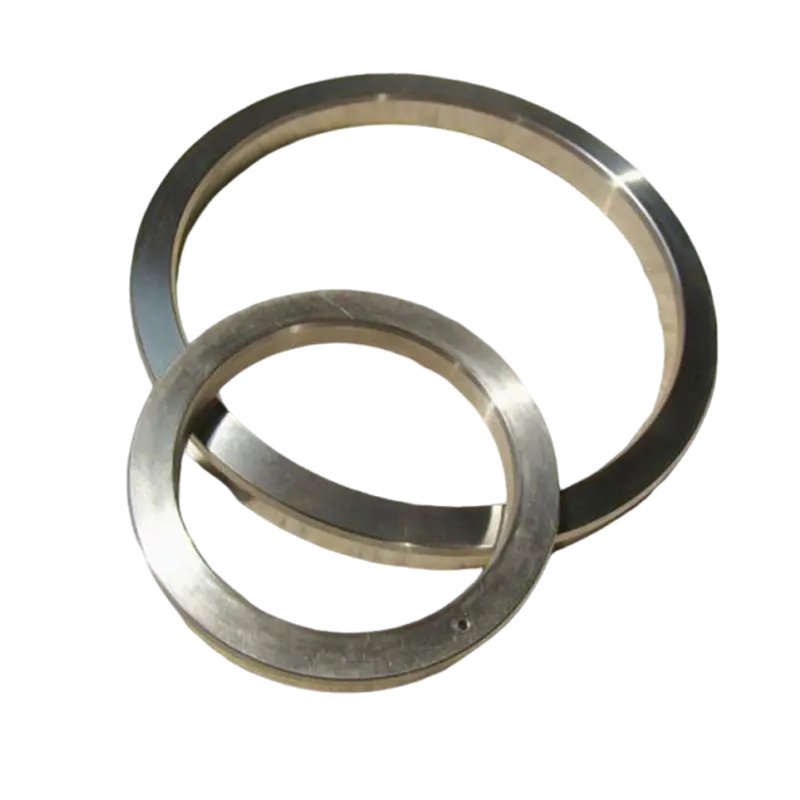
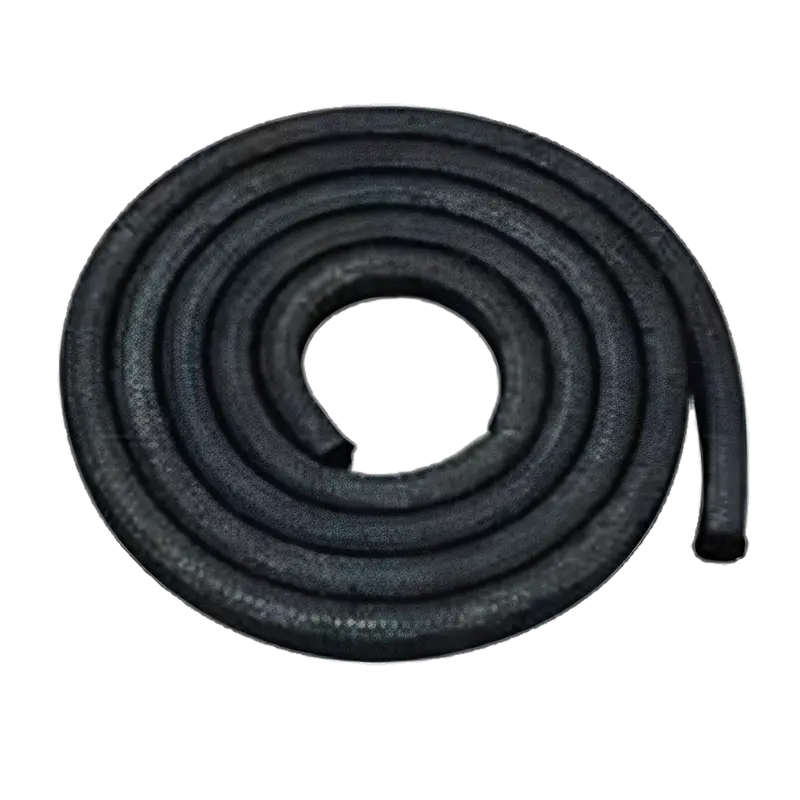
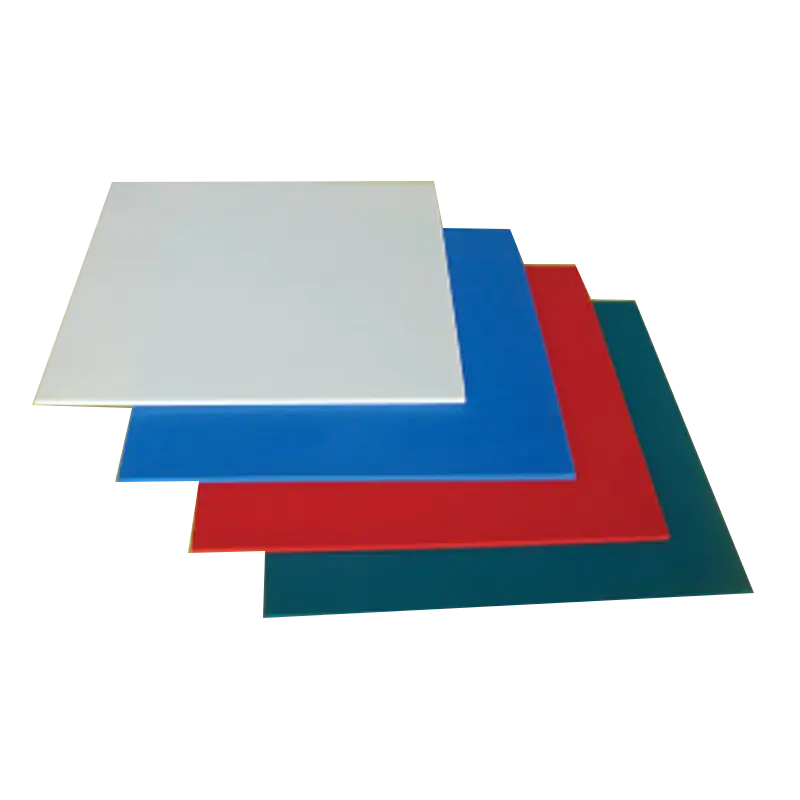
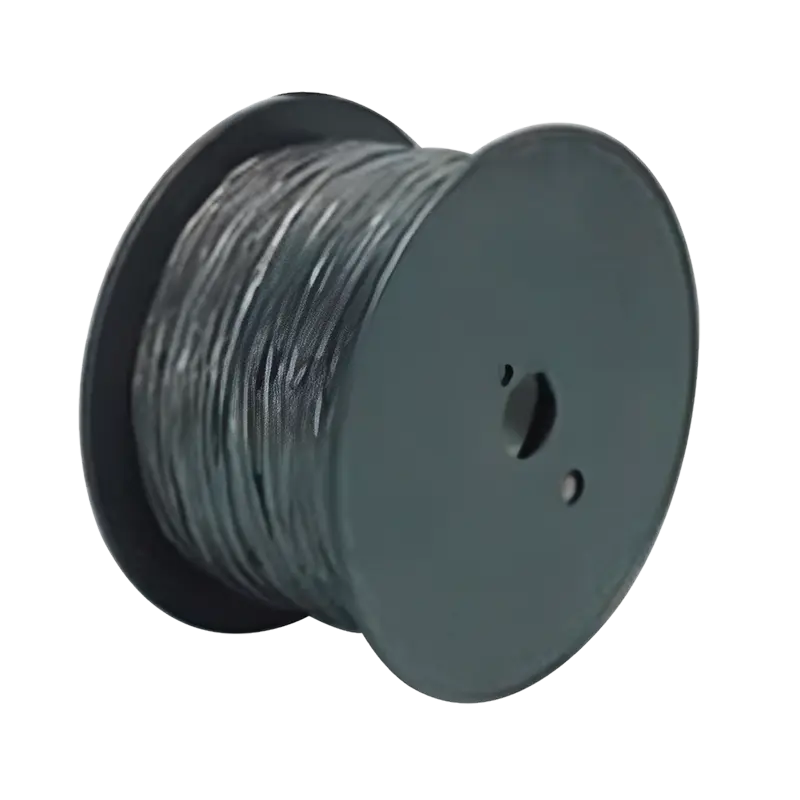
In demanding industrial and high-tech applications, the integrity of a seal is often the defining factor between operational success and catastrophic failure. At Kaxite, we specialize in manufacturing high-performance sealing solutions engineered to withstand the most aggressive environments. Our comprehensive range of PTFE & PEEK Seals represents the pinnacle of material science applied to sealing technology, offering unparalleled chemical resistance, thermal stability, and mechanical strength where conventional elastomers fall short.
PTFE (Polytetrafluoroethylene) and PEEK (Polyetheretherketone) are high-performance polymers chosen for applications involving extreme temperatures, corrosive media, high pressures, and stringent purity requirements. While PTFE is renowned for its exceptional chemical inertness and low friction, PEEK offers superior mechanical strength and thermal resistance. By leveraging the unique properties of these advanced materials, Kaxite provides sealing solutions that ensure reliability, longevity, and safety in critical processes across aerospace, semiconductor manufacturing, chemical processing, oil & gas, and pharmaceutical industries.
Choosing between PTFE and PEEK, or selecting a composite or filled variant, depends on the specific operating conditions. Below is a detailed comparison of their core properties.
| Property | PTFE | PEEK |
|---|---|---|
| Continuous Service Temperature | -200°C to +260°C (-328°F to +500°F) | -60°C to +250°C (-76°F to +482°F) |
| Chemical Resistance | Excellent. Inert to virtually all industrial chemicals and solvents. | Excellent. Resistant to a wide range of chemicals, though attacked by concentrated sulfuric acid and halogens. |
| Tensile Strength | Moderate (20-35 MPa) | High (90-100 MPa) |
| Friction Coefficient | Extremely Low (~0.05-0.10) | Low (~0.35) |
| Wear Resistance (Virgin) | Poor | Good |
| Creep Resistance | Poor (Cold Flow) | Excellent |
| PV Limit (Pressure x Velocity) | Low | High |
| Primary Application Focus | Chemical resistance, non-stick, low friction, high purity. | Mechanical strength, high temperature, wear resistance, high load. |
To enhance performance, both PTFE and PEEK are commonly compounded with fillers. Kaxite offers a wide array of filled compounds tailored for specific challenges.
Our sealing solutions are available in standard and custom-designed profiles. Critical parameters for design and specification include:
| Parameter Category | Specifications & Details |
|---|---|
| Standard Seal Types | O-Rings, V-Rings, U-Cups, Back-up Rings, Gaskets (Sheet & Molded), Lip Seals, Spring-Energized Seals, Custom Molded Shapes. |
| Standard Sizes (O-Rings) | AS568 Standard Dash Numbers, Metric sizes (ISO 3601). Custom sizes available. |
| Temperature Range | PTFE: -200°C to +260°C (-328°F to +500°F). PEEK: -60°C to +250°C (-76°F to +482°F). Specific ranges depend on filler and design. |
| Pressure Rating | Static: Up to 20,000 psi (1380 bar) with proper design and backup. Dynamic: Varies with speed, material, and design; consult Kaxite engineering. |
| Surface Finish Recommendation | Sealing Surface: 8-16 µin Ra (0.2-0.4 µm Ra) for optimal performance and seal life. |
| Tolerance Standards | Manufactured to ISO 3601, ASME, or customer-defined dimensional tolerances. |
| Certifications & Compliance | FDA Compliant, USP Class VI, EU 10/2011, RoHS, REACH. Available with Material Certifications (C of C) and full traceability. |
| Common Colors | PTFE: White (virgin), Brown/Bronze (filled). PEEK: Beige/Tan (virgin), Black (carbon-filled). |
Q: When should I choose a PTFE seal over a PEEK seal?
A: The choice primarily hinges on the application's dominant challenge. Choose PTFE seals when your primary concerns are exposure to extremely aggressive chemicals (acids, bases, solvents), achieving the lowest possible friction, operating in ultra-clean or high-purity environments (semiconductors, food & pharma), or needing non-stick properties. PTFE's weaker mechanical properties and tendency to cold flow mean it is often used in static or low-pressure dynamic applications, or in designs that constrain it (e.g., as a liner or in energized seals).
Q: When is a PEEK seal the better option?
A: Select PEEK seals when the application demands high mechanical strength, excellent resistance to creep (cold flow) under sustained load, superior wear resistance in dynamic situations, and higher PV limits. They are ideal for high-load bearing components, as back-up rings, in rotating or reciprocating equipment experiencing significant side loads, and in high-temperature environments where strength must be maintained. PEEK is less chemically universal than PTFE but still offers broad chemical resistance.
Q: What is "cold flow" or "creep," and how does it affect PTFE seals?
A: Cold flow, specific to PTFE, is the material's tendency to deform plastically under continuous mechanical stress, even at room temperature. In a sealing application, this can cause the seal to lose its designed interference fit over time, leading to leakage. This is PTFE's primary mechanical limitation. Kaxite mitigates this by using filled PTFE compounds (with glass, bronze, carbon, etc.) which significantly improve creep resistance, and by employing proper seal design such as confined gland geometries or using PTFE as a jacket in spring-energized seals where the spring maintains the sealing force.
Q: Can PTFE and PEEK seals be used in food, pharmaceutical, or ultra-pure applications?
A: Yes, both materials are excellent choices for these industries. Virgin PTFE is inherently inert, non-toxic, and meets FDA, USP Class VI, and EU 10/2011 regulations for food contact. Its non-stick, easy-to-clean surface minimizes contamination risk. PEEK is also FDA compliant and widely used in pharmaceutical and food processing equipment. For ultra-pure applications like semiconductor wafer fabrication, high-purity grades of both polymers are available from Kaxite, with controlled extractables and outgassing properties to prevent contamination.
Q: How do I handle the installation of PTFE seals to avoid damage?
A: PTFE, while chemically tough, can be nicked or scratched during installation on sharp edges. Key installation practices include: ensuring all installation paths (shafts, bore edges, grooves) have generously chamfered or radiused lead-ins (typically 15-20° chamfer); using installation tools made from soft materials like brass or plastic; avoiding sharp tools; and lightly lubricating the seal and hardware with a compatible fluid (like the system fluid) to ease assembly. Kaxite can provide specific installation guidelines for our seals.
Q: What are spring-energized seals, and when are they used with PTFE or PEEK?
A: A spring-energized seal consists of a polymer jacket (often PTFE or PEEK) and a metal spring (stainless steel or Inconel) that provides a constant, radially-directed sealing force. They are used when standard elastomeric or plastic seals are insufficient, typically in applications with extreme temperatures (cryogenic to +300°C+), very low or very high pressure, high surface speed, or where low friction and long life are critical. The spring compensates for material wear, cold flow of PTFE, and thermal contraction/expansion, maintaining a reliable seal. Kaxite engineers a wide range of spring-energized seal designs.
Q: How does Kaxite ensure the quality and performance of its PTFE and PEEK seals?
A: Kaxite implements a rigorous quality management system from raw material to finished product. We source premium-grade polymers and fillers, verified by Certificates of Analysis. Our manufacturing processes utilize precision CNC machining and compression molding for dimensional accuracy and material integrity. Every production batch undergoes stringent inspection, including dimensional checks per calibrated gauges, visual inspection for defects, and selective testing for critical properties like hardness and density. We provide full material traceability and can supply compliance certificates for regulated industries. Our engineering team supports performance validation for custom applications.


