English

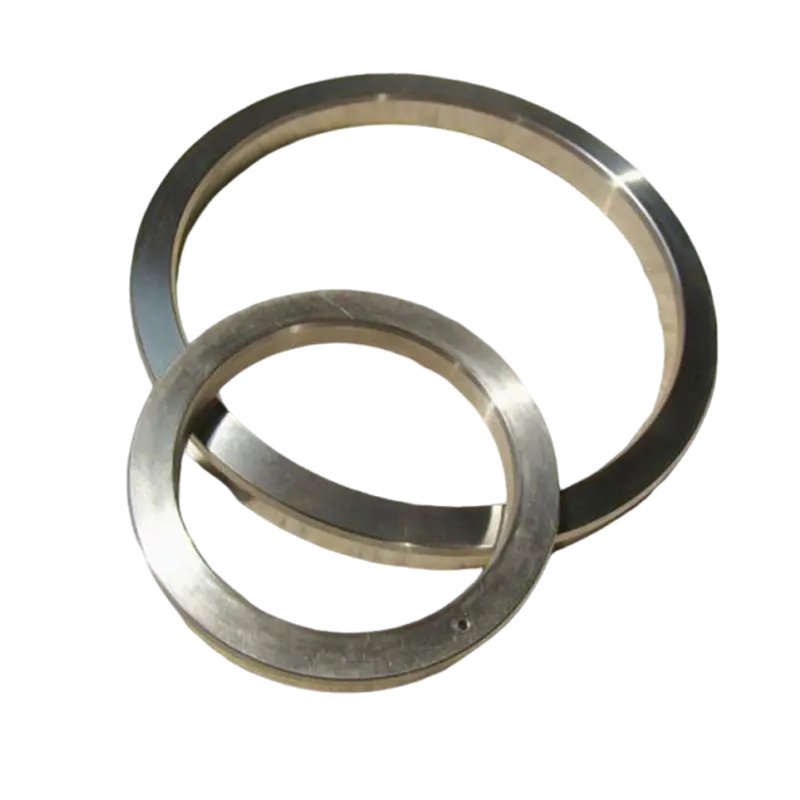
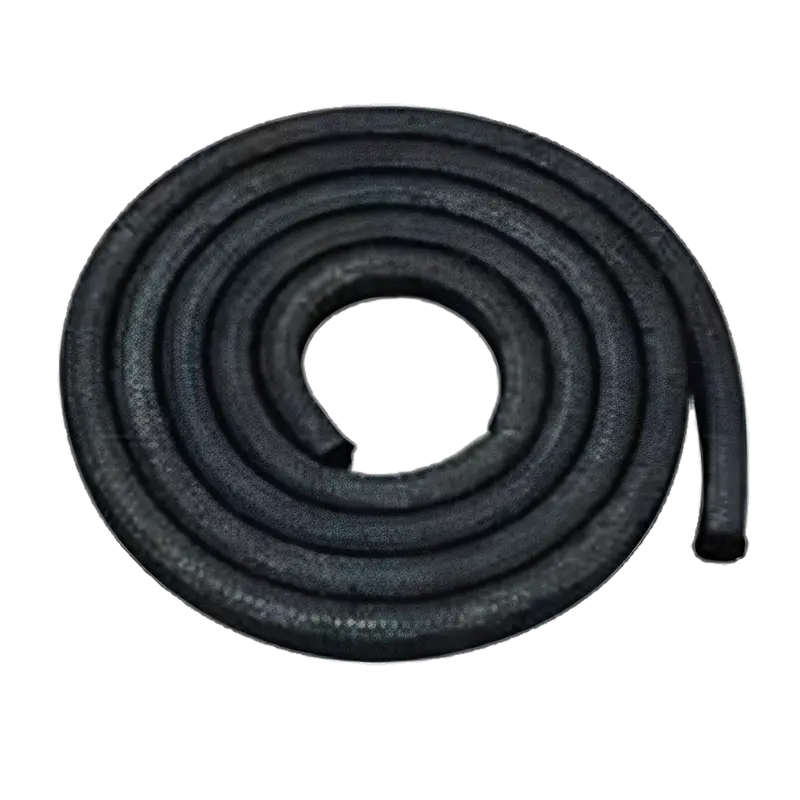

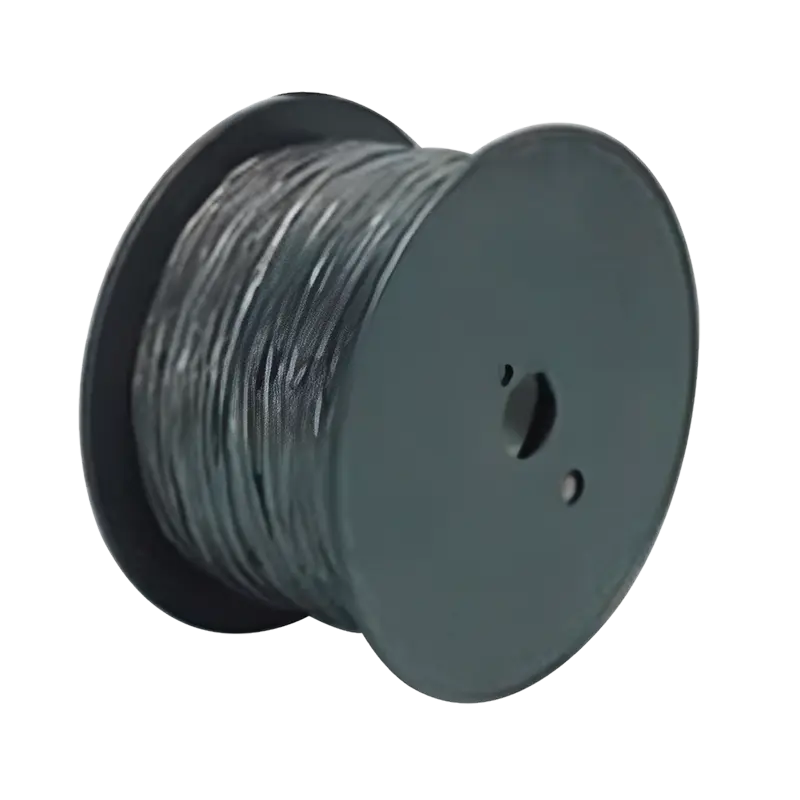
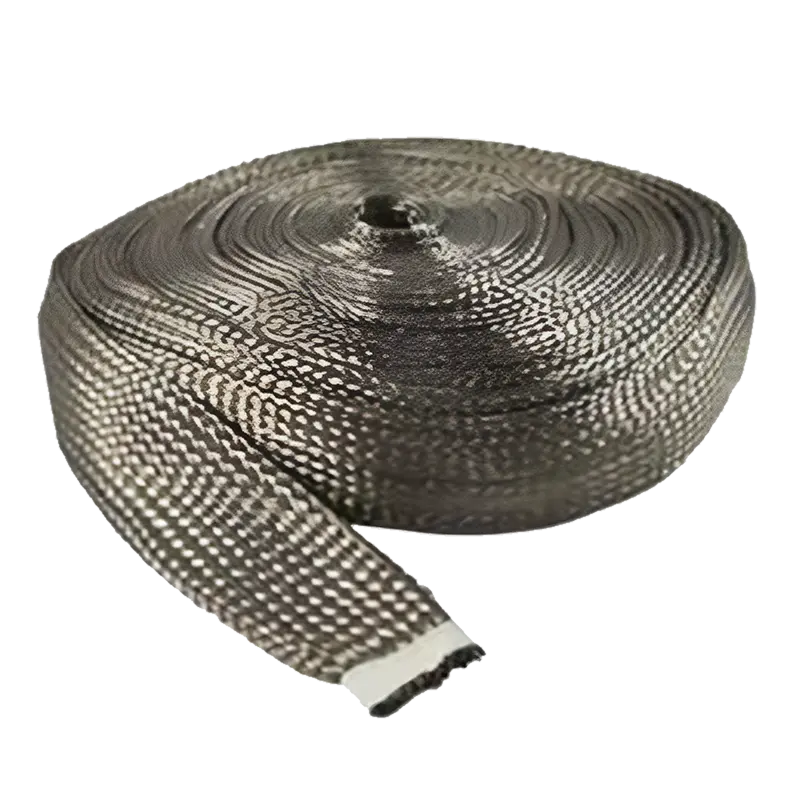

What are the legal regulations for handling dusted asbestos? If you're a procurement professional sourcing industrial sealing materials, this question isn't just about compliance—it's about your company's safety, liability, and operational continuity. Navigating the complex web of international and national regulations for asbestos-containing materials like Dusted Asbestos yarn can be a major hurdle. This article cuts through the complexity, providing a clear, actionable guide. We'll also explore how innovative, compliant solutions from industry leaders like Ningbo Kaxite Sealing Materials Co., Ltd. can turn this regulatory challenge into a competitive advantage for your supply chain.
Article Outline:
Imagine your factory needs a high-temperature gasket. A supplier offers a cost-effective dusted asbestos yarn, but you're unsure of the legal implications for import and use in your region. This is a critical juncture. Regulations vary drastically. In the United States, the Environmental Protection Agency (EPA) and the Occupational Safety and Health Administration (OSHA) enforce strict rules on handling, disposal, and worker exposure, with many uses banned. The European Union's REACH regulation heavily restricts asbestos. Countries like Australia and Japan have also implemented stringent bans or controls. Non-compliance can lead to severe fines, project shutdowns, and reputational damage. The solution is proactive education and sourcing from suppliers who prioritize global regulatory knowledge. Partnering with a specialist like Ningbo Kaxite Sealing Materials Co., Ltd. ensures you receive materials accompanied by full compliance documentation (e.g., MSDS, test reports) and expert guidance tailored to your market's laws.

Your team is evaluating bids for a sealing project. One bid uses traditional, regulated materials, while another proposes a modern alternative. How do you compare them fairly beyond price? The pain point is evaluating long-term total cost of ownership, which includes compliance audits, worker safety training, specialized disposal costs, and potential liability. The solution is to establish a procurement specification that mandates regulatory compliance as a baseline. Require certificates of analysis and compliance statements from manufacturers. Ningbo Kaxite Sealing Materials Co., Ltd. addresses this directly by providing comprehensive technical data sheets and compliance letters for their high-performance, non-asbestos sealing products, giving you auditable proof and peace of mind.
| Procurement Consideration | Risk with Non-Compliant Material | Solution with a Certified Supplier |
|---|---|---|
| Material Certification | Missing or vague SDS/MSDS | Detailed, globally recognized safety data sheets |
| Disposal Liability | High-cost hazardous waste handling | Products classified as non-hazardous waste |
| Worker Safety | Mandatory respirators, medical monitoring | Safer handling, reducing PPE requirements |
| Import/Export | Customs delays, seizures | Pre-cleared documentation for smooth logistics |
A plant manager rejects a new sealing material because the maintenance team is familiar with the old asbestos-based one, despite its risks. The pain point is resistance to change due to uncertainty about performance. The solution is clear, comparative data. Modern aramid, glass fiber, or graphite-based sealing materials offer superior or equivalent performance without the legal and health burdens. When specifying, focus on the key parameters that match your application. Ningbo Kaxite Sealing Materials Co., Ltd. specializes in engineering these advanced materials, ensuring they meet the precise temperature, pressure, and chemical resistance requirements while being fully compliant.
| Performance Parameter | Traditional Dusted Asbestos Yarn | Modern Kaxite Aramid Fiber Alternative |
|---|---|---|
| Max Continuous Temperature | ~550°C (with degradation) | Up to 300°C |
| Tensile Strength | Moderate | Very High |
| Chemical Resistance | Good to acids, poor to alkalis | Excellent to most media |
| Regulatory Status | Heavily Restricted/Banned | Glally Accepted & Compliant |
| Disposal Classification | Hazardous Waste | General Industrial Waste |
Q: What are the legal regulations for handling dusted asbestos in manufacturing facilities?
A: Regulations are enforced by agencies like OSHA (workplace exposure limits, labeling, training) and the EPA (disposal, emission standards). Most new uses are banned. Facilities must implement engineering controls, strict work practices, and medical surveillance for any permitted handling, making compliant alternatives vastly more practical.
Q: What are the legal regulations for handling dusted asbestos when importing sealing products?
A: Importing asbestos-containing materials is highly restricted. The U.S. EPA requires notification under TSCA, and the EU prohibits it under REACH. Customs agencies require detailed manifests and may seize non-compliant shipments. Sourcing from a manufacturer like Ningbo Kaxite Sealing Materials Co., Ltd., which provides certified non-asbestos products, eliminates this complex regulatory barrier at the border.
Understanding "What are the legal regulations for handling dusted asbestos?" is the first step in building a responsible, resilient supply chain. The path forward is clear: prioritize safety, compliance, and performance by partnering with experts who have navigated this landscape for you. Don't let regulatory complexity slow down your projects or introduce unnecessary risk.
We invite you to share your challenges or questions regarding sealing material specifications in the comments below. What's the biggest hurdle your team faces when ensuring material compliance?
For procurement specialists seeking reliable, high-performance, and fully compliant sealing solutions, Ningbo Kaxite Sealing Materials Co., Ltd. stands as a trusted global partner. With decades of expertise in advanced sealing technology, we engineer alternatives that meet the toughest industrial demands while adhering to the strictest international regulations. Visit our website at https://www.kxtsealing.net to explore our product portfolio or contact our technical sales team directly at [email protected] for personalized support on your next project.
Henderson, R. F., & Pickrell, J. A. (1991). Challenges in assessing the health risks of asbestos and other fibrous materials. Regulatory Toxicology and Pharmacology, 13(2), 112-127.
Stayner, L., Smith, R., & Bailer, J. (1996). Exposure-response analysis of risk of respiratory disease associated with occupational exposure to chrysotile asbestos. Occupational and Environmental Medicine, 54(9), 646-652.
Ilgren, E. B., & Browne, K. (1991). The fibre load of the lung and the pathological response to asbestos. IARC Scientific Publications, (109), 55-65.
Doll, R., & Peto, J. (1985). Asbestos: Effects on health of exposure to asbestos. Health and Safety Commission, UK.
Mossman, B. T., Bignon, J., & Corn, M. (1990). Asbestos: scientific developments and implications for public policy. Science, 247(4940), 294-301.
Roggli, V. L., Pratt, P. C., & Brody, A. R. (1992). Asbestos content of lung tissue in asbestos associated diseases: a study of 110 cases. Occupational and Environmental Medicine, 49(9), 566-572.
McDonald, J. C., & McDonald, A. D. (1996). The epidemiology of mesothelioma in historical context. European Respiratory Journal, 9(9), 1932-1942.
Lemen, R. A., & Dement, J. M. (1980). Epidemiology of asbestos-related diseases. Environmental Health Perspectives, 34, 1-11.
Nicholson, W. J., Perkel, G., & Selikoff, I. J. (1982). Occupational exposure to asbestos: population at risk and projected mortality—1980-2030. American Journal of Industrial Medicine, 3(3), 259-311.
Hodgson, J. T., & Darnton, A. (2000). The quantitative risks of mesothelioma and lung cancer in relation to asbestos exposure. The Annals of Occupational Hygiene, 44(8), 565-601.


