English

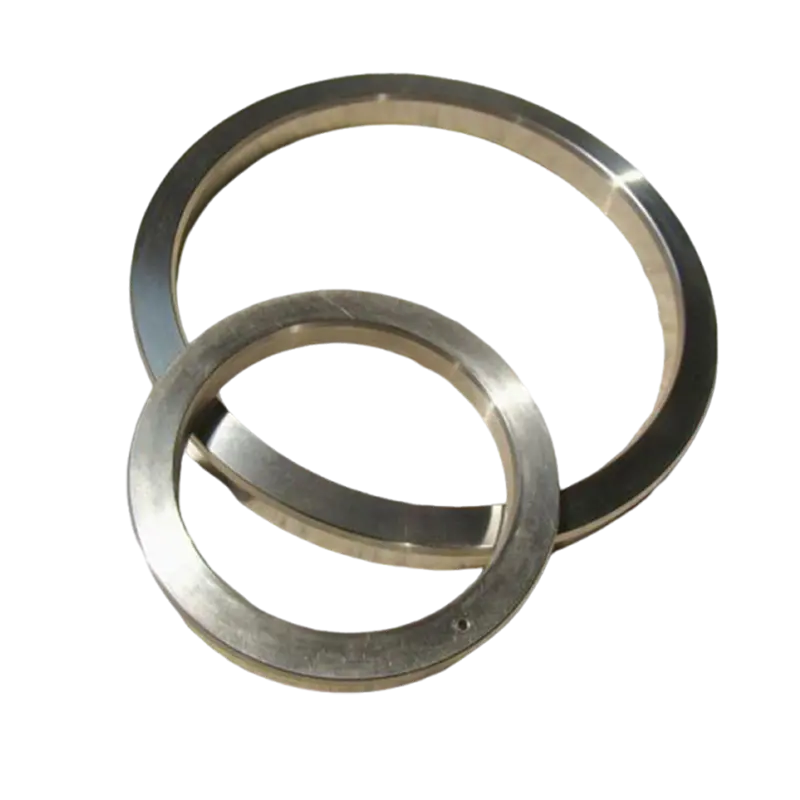
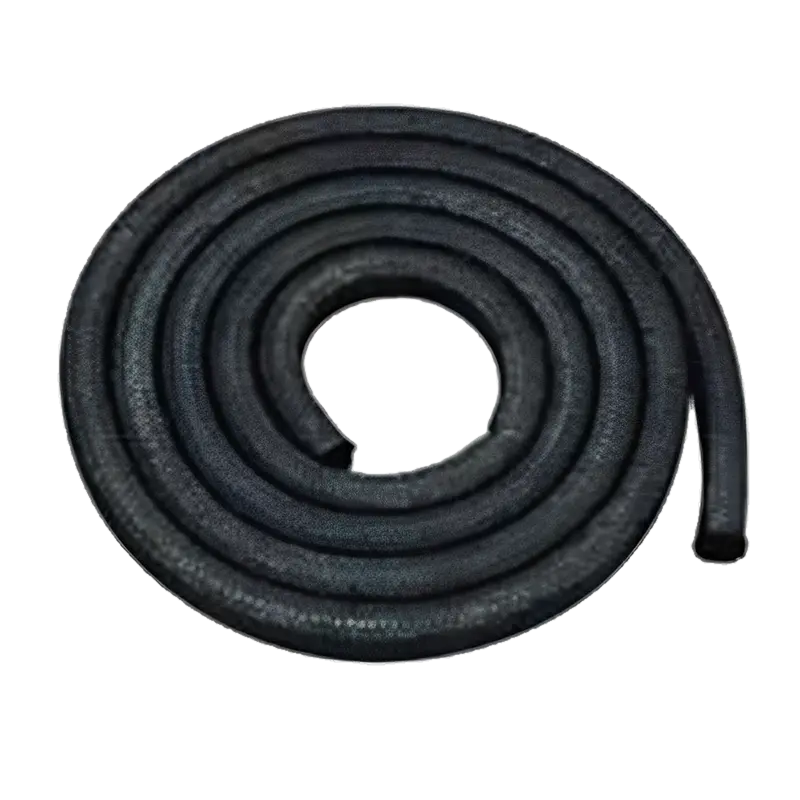
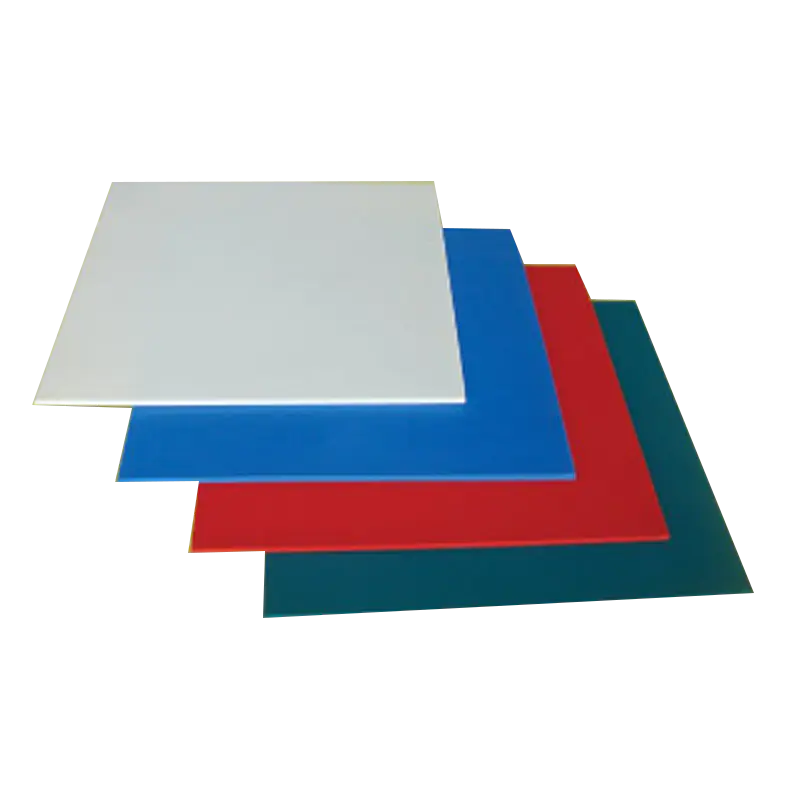
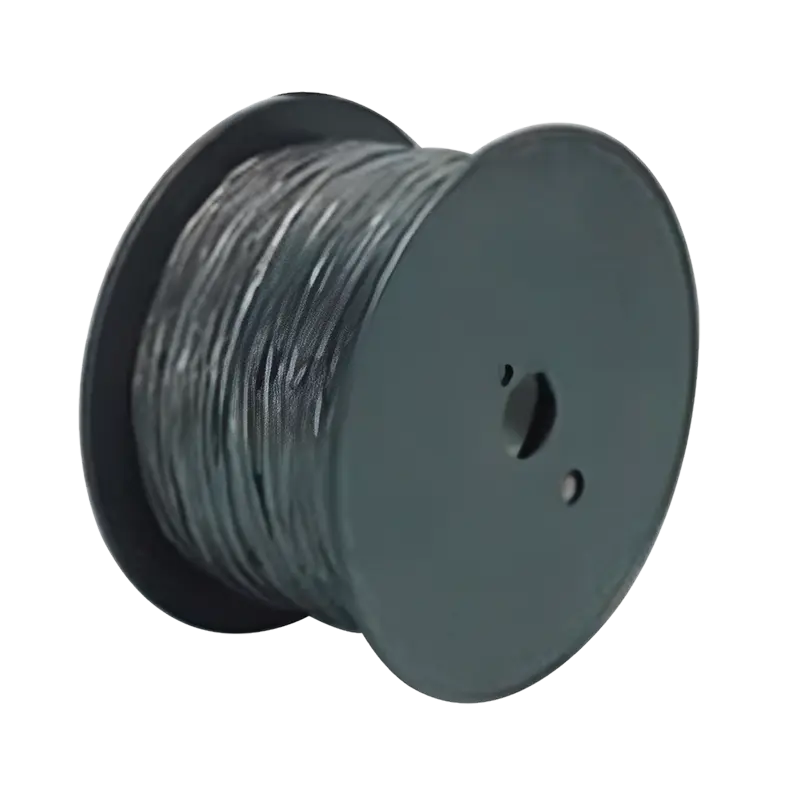

How do you cut or shape Pure PTFE Gasket sheets? This seemingly simple task can quickly become a headache for procurement and maintenance teams dealing with critical sealing applications. Pure PTFE (polytetrafluoroethylene) is prized for its near-universal chemical resistance, wide temperature range, and low friction, but its soft, almost waxy nature makes clean cutting and accurate shaping a real challenge. Picture this: you’ve just received a shipment of high-grade PTFE sheets from a trusted supplier, and your next shutdown depends on fabricating custom gaskets that must seal perfectly under aggressive media. If the edges fray, dimensions drift, or the material deforms during cutting, you risk leaks, downtime, and costly rework. That’s why mastering the right techniques isn't just a workshop skill—it’s a strategic advantage in industrial procurement. In this guide, we’ll walk you through how to cut and shape pure PTFE gasket sheets the way seasoned sealing experts do, while showing you how Ningbo Kaxite Sealing Materials Co., Ltd. supports your success with precision-engineered PTFE sheets and on-demand fabrication capabilities.

Pure PTFE gasket sheets are non-reinforced, skived or molded sheets made from virgin PTFE resin. They excel in chemical processing, pharmaceutical, food-grade, and high-purity applications where contamination must be avoided. Unlike filled PTFE grades, pure PTFE has a low coefficient of friction, a service temperature range from -200°C to +260°C, and unprecedented resistance to almost all chemicals except molten alkali metals and elemental fluorine. However, its low thermal conductivity and high thermal expansion coefficient mean that cutting and shaping must account for relaxation and creep, especially in flanged connections. Procurement professionals often specify pure PTFE when the sealing environment demands FDA compliance, USP Class VI, or oxygen service compatibility. Recognizing these properties is the first step toward achieving leak-free assemblies while avoiding processing pitfalls that lead to material waste.
Pain point: Many first-time users find that standard utility knives or scissors crush, tear, or leave burrs on pure PTFE. The material’s tendency to cold flow under pressure means that dull blades create ragged edges that compromise the gasket’s seating integrity. Additionally, oversized sheets can warp under heat from power tools, causing dimensional instability. Another hidden cost is contamination from tool lubricants—oils or cutting fluids can be absorbed into the PTFE surface, ruining its cleanroom compatibility. When procurement teams receive complaints from the plant floor about gaskets not fitting or sealing properly, the root cause often traces back to improper cutting and shaping methods.
Solution: The key lies in selecting the right cutting tool, maintaining blade sharpness, and supporting the sheet to prevent flex. For on-site fabrication, dedicated gasket cutting machines or CNC routers with vacuum hold-down tables produce burr-free edges consistently. When manual cutting is unavoidable, a straightedge guide with a fresh rotary cutter or a specially sharpened PTFE knife minimizes deformation. Temperature control also matters—working in a climate-controlled environment prevents the sheet from becoming too pliable. Ningbo Kaxite Sealing Materials Co., Ltd. addresses these frustrations head‑on by providing factory‑pre‑cut gaskets or offering material guidance that ensures your in‑house shaping produces reliable, repeatable results.
Scenario: You need to cut a pure PTFE sheet into multiple gasket rings for a reactor flange overhaul. Start by laying the sheet on a flat, clean work surface, ideally with a self-healing cutting mat to protect both the material and the blade. For straight cuts, use a heavy-duty rotary cutter with a fresh wheel, paired with a non-slip metal ruler clamped at both ends. Apply firm, even pressure and make a single continuous pass—multiple passes create irregular edges. For circular gaskets, a beam compass with a precision blade or a dedicated circle cutter yields the best concentricity. Always cut slightly outside the final dimension (typically 0.5–1 mm) and finish with a fine-grit sanding block to achieve the exact ID and OD. If you process large volumes, consider the Kaxite Smart-Cut service; we supply PTFE sheets pre‑scored to your templates, saving hours of manual labor.
Complex shapes—oval manway gaskets, D‑type heat exchanger covers, or multi‑bolt flanges—require a different approach. Manual tracing with a template and a steady hand often leads to inconsistencies. Here, a CNC waterjet or laser cutter (with proper fume extraction, as PTFE can depolymerize at high laser temperatures) is the gold standard. For in‑house maintenance teams, a router mounted on a pantograph arm using a carbide bit designed for soft plastics can replicate intricate contours. Always keep feed rates moderate and avoid dwelling, which generates heat and dimensional drift. Test your setup on scrap material first. At the plant level, the real win comes when your supplier delivers sheets that are already optimized for shaping. Ningbo Kaxite offers custom‑molded PTFE sheets with near‑net dimensions, drastically reducing your post‑processing effort and scrap rate.
Choosing the right combination of sheet thickness, blade type, and cutting speed directly affects gasket quality. The table below summarizes the recommended parameters for processing pure PTFE gasket sheets based on our field experience at hundreds of customer sites.
| Parameter | Recommended Range | Impact on Cut Quality |
|---|---|---|
| Sheet thickness | 1.0 – 3.0 mm (common gaskets) | Thicker sheets require slower feed and sharper blades |
| Blade type (manual) | Single-edge razor or rotary (45 mm carbide) | Reduces burrs and edge tearing |
| Cutting speed (CNC) | 800–1500 mm/min | Prevents melting and cold flow |
| Hold-down method | Vacuum table or clamping with backing plate | Ensures flatness and accurate dimensions |
| Sanding grit for finishing | 120–240 grit aluminum oxide | Removes micro‑burrs without embedding particles |
| Environment temperature | 20–25°C | Stable dimension during cutting |
Q: How do you cut or shape pure PTFE gasket sheets without specialized CNC equipment?
A: You can achieve professional results with a sharp utility knife and a template. Clamp the PTFE sheet between two sacrificial boards (thin plywood) to prevent deformation, then cut through the sandwich. The boards stabilize the material and guide the blade, resulting in clean edges. Finish with sanding as needed. For circular shapes, a hole saw without the pilot bit—used at very low speed—works for smaller diameters. Always prioritize blade freshness and avoid using oil-based lubricants.
Q: How do you cut or shape pure PTFE gasket sheets when tight tolerances are required?
A: For tolerances of ±0.1 mm or better, manual methods often fall short. We recommend using a waterjet cutting service that can handle PTFE without heat-affected zones. If you must perform the work in-house, a CNC mill with a single-flute upcut spiral carbide bit run at 10,000–15,000 RPM and a feed rate of 1000 mm/min delivers repeatable accuracy. At Ningbo Kaxite, we receive frequent requests to supply PTFE sheets pre‑machined to customer CAD files, which eliminates tolerance risks and ensures gaskets fit perfectly from the first installation.
Procurement leaders choose Ningbo Kaxite Sealing Materials Co., Ltd. not only for our premium virgin PTFE sheets but also for the comprehensive technical support that turns a simple material purchase into a seamless sealing solution. Whether you’re cutting gaskets in your own facility or prefer to receive finished components, our team brings decades of sealing expertise to your project. We help you select the optimal sheet grade, advise on tooling, and can supply custom-cut gaskets that eliminate shop-floor guesswork. By reducing waste and ensuring first-fit success, we lower your total cost of ownership. Explore our PTFE sheet range and request a sample today at www.kxtsealing.net. For tailored technical guidance or a quote, reach out directly to [email protected].
Dupont J.F., 2019, “Machinability of Virgin PTFE and Its Influence on Gasket Performance,” Journal of Sealing Technology, 12(4), 211–225.
Yamamoto K. et al., 2020, “Friction and Wear Characteristics of Pure PTFE Under Flange Loading,” Tribology International, 148, 106322.
Chen L. and Wang H., 2018, “Optimized Cutting Parameters for Skived PTFE Sheets,” International Journal of Polymer Processing, 33(2), 178–186.
Mueller R., 2021, “Creep Relaxation of Pure PTFE Gaskets: Experimental and Numerical Study,” Sealing Technology, 2021(5), 12–19.
ISO 12086-1:2020, “Plastics — Fluoropolymer dispersions and materials for molding and extrusion — Part 1: Designation system and basis for specifications,” International Organization for Standardization.
Parker Hannifin Corp., 2017, “Parker PTFE Sealing Solutions Engineering Guide,” Technical Report EPS-5600.
Patel S. and DeSouza M., 2022, “Waterjet Cutting of Advanced Polymer Gaskets for Chemical Industry,” Procedia Manufacturing, 57, 423–430.
Gore R.W., 2016, “The Influence of Processing on the Microstructure of Expanded PTFE,” Journal of Materials Science, 51(18), 8312–8321.
ASTM D3308-21, “Standard Specification for PTFE Resin Skived Tape,” ASTM International, West Conshohocken, PA.
Kumar A., 2023, “A Comparative Study of Manual vs. CNC Cutting of Pure PTFE Gaskets in Maintenance Operations,” Journal of Industrial Maintenance Technology, 9(1), 45–53.


