English

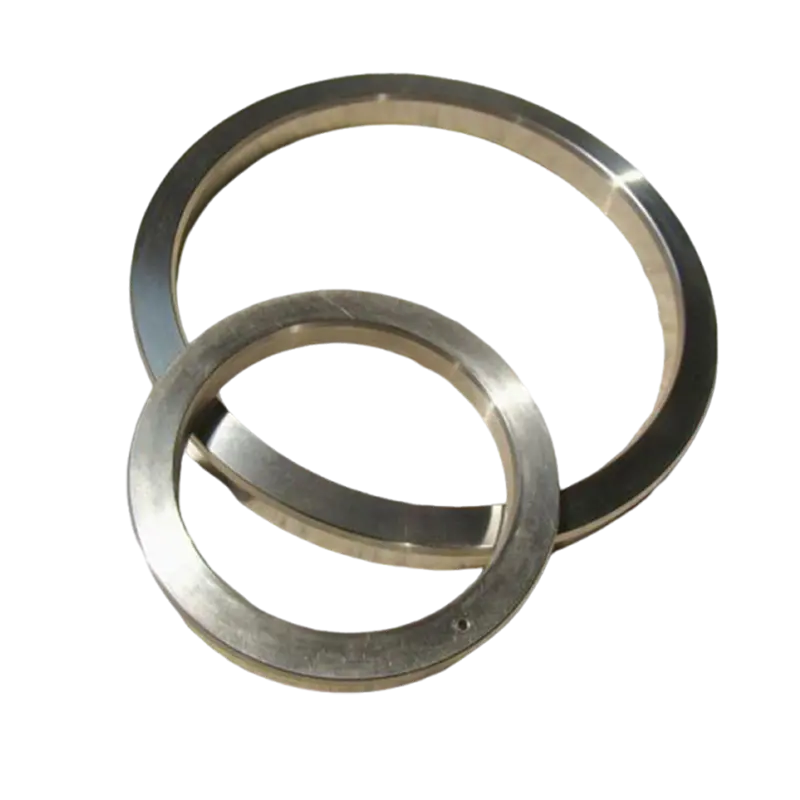
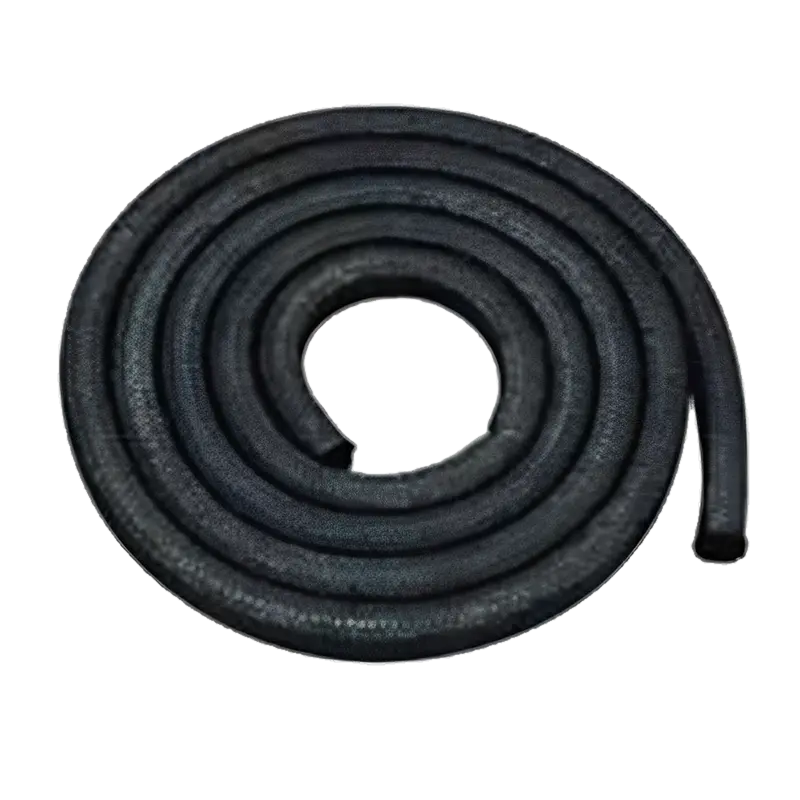
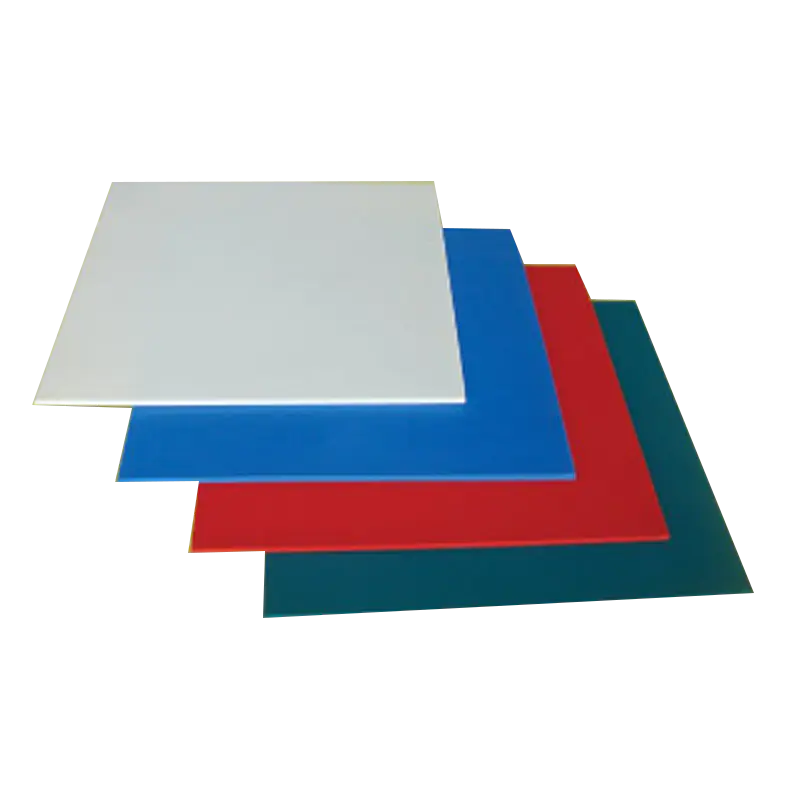
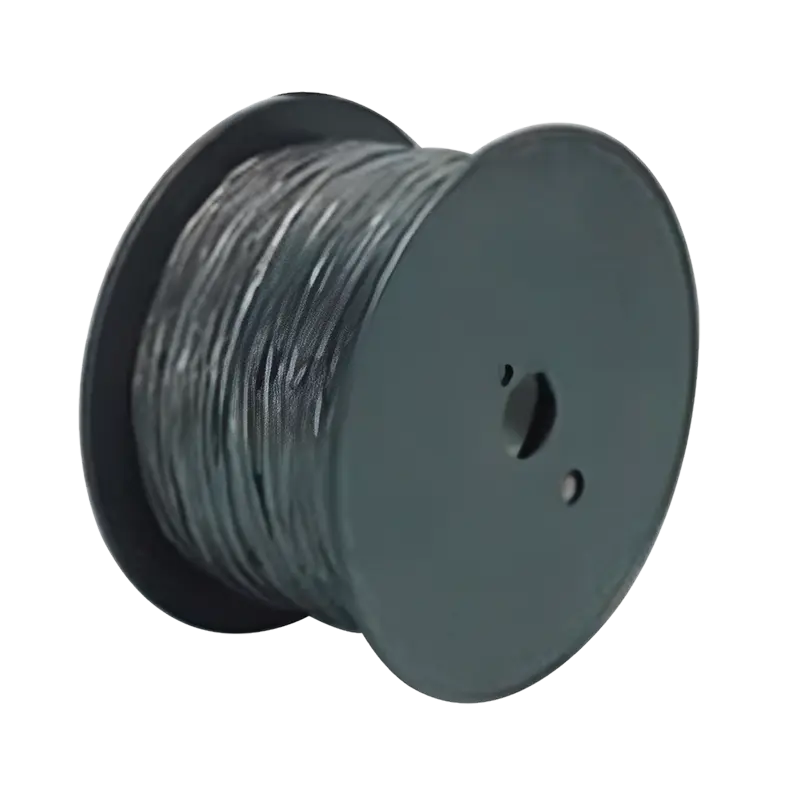

What is a PTFE Sheet and what are its properties? At its core, it's a flat, versatile material crafted from polytetrafluoroethylene (PTFE), a high-performance plastic commonly known by the brand name Teflon®. Think of it as a super-material that brings extraordinary capabilities to demanding industrial environments. Its defining properties are legendary: extreme chemical resistance, handling nearly all aggressive acids and solvents with ease; an incredibly low coefficient of friction, making surfaces slippery and self-lubricating; and outstanding thermal stability, performing consistently from cryogenic temperatures up to 260°C (500°F). It's also an excellent electrical insulator and completely non-stick. This unique combination makes PTFE sheet a go-to solution for critical applications in chemical processing, food and pharmaceutical production, and high-performance sealing. For global procurement specialists, sourcing a reliable and high-quality PTFE sheet is a key decision that impacts production efficiency and safety.
Imagine a critical chemical processing line where seal failure could lead to costly downtime and hazardous leaks. The gasket material in your pump flange is the unsung hero. A PTFE sheet, manufactured through processes like compression molding or skiving from a molded block, provides the perfect balance of resilience and inertness. It's not just a piece of plastic; it's a precision-engineered component. At Ningbo Kaxite Sealing Materials Co., Ltd., we produce these sheets with stringent quality control to ensure consistent thickness, density, and performance, directly addressing the core need for reliability in procurement.

For procurement officers, the material specifications are paramount. Here's a quick reference table for standard PTFE sheet properties:
| Property | Typical Value | Significance for Buyers |
|---|---|---|
| Temperature Range | -200°C to +260°C | Versatility for extreme process conditions |
| Chemical Resistance | Excellent against most chemicals | Reduces inventory by using one material for multiple corrosive services |
| Coefficient of Friction | ~0.05 - 0.10 | Ideal for non-stick, low-wear applications like conveyor liners |
| Tensile Strength | 20-35 MPa | Indicates mechanical durability for gaskets and seals |
The real power of a PTFE sheet lies in how its properties translate into tangible benefits on your factory floor. Consider a food packaging line where product sticking to machinery causes daily cleaning headaches and waste. A PTFE sheet liner, with its supreme non-stick surface, eliminates residue build-up, increases throughput, and simplifies sanitation protocols. This directly impacts operational efficiency and cost savings. Ningbo Kaxite Sealing Materials Co., Ltd. offers tailored PTFE sheets that solve such specific operational pain points, providing not just a product but a performance upgrade.
Understanding the property matrix helps in precise specification. Key benefits include unparalleled release properties, zero moisture absorption, and excellent dielectric strength. This makes PTFE indispensable in electronics and electrical insulation as well. Here’s a breakdown of its core benefits:
| Core Property | Direct Industrial Benefit | Procurement Consideration |
|---|---|---|
| Non-Reactivity | Prevents contamination in pharmaceutical or food processes; ensures product purity. | Critical for industries with strict regulatory compliance (FDA, USP Class VI). |
| Low Friction | Reduces wear on mating parts, lowers energy consumption, and minimizes maintenance. | Leads to lower total cost of ownership despite a potentially higher initial material cost. |
| Wide Temp. Range | One seal or liner works from freezer applications to high-temperature ovens. | Simplifies supply chain and inventory management. |
Not all PTFE sheets are created equal. A common procurement challenge is selecting the right grade—virgin, glass-filled, carbon-filled, or bronze-filled—without over-engineering or under-specifying. The wrong choice can lead to premature failure. For instance, a virgin PTFE sheet is perfect for ultra-pure applications, but a glass-filled grade offers better compression resistance and reduced creep for bolted flange gaskets. Ningbo Kaxite Sealing Materials Co., Ltd. provides expert guidance to help you navigate these choices, ensuring you get a cost-effective solution precisely matched to your application's pressure, temperature, and media.
Use this simple selection matrix to start your evaluation:
| Application Type | Recommended PTFE Type | Key Advantage |
|---|---|---|
| Chemical Gaskets, Lining | Virgin PTFE Sheet | Maximum chemical purity and resistance |
| High-Load Bearings, Bushings | Bronze or Carbon-Filled PTFE Sheet | Greatly improved wear resistance and thermal conductivity |
| General Purpose Seals, Insulators | Glass-Filled PTFE Sheet | Enhanced stiffness, reduced cold flow, good chemical resistance |
From sealing aggressive acids in a chemical plant to providing a non-stick surface in a commercial bakery, the applications are vast. In the semiconductor industry, PTFE sheets are used for wafer carriers due to their cleanliness and static control. In aerospace, they serve as critical seals and insulators. For a procurement manager, understanding these applications validates the material's versatility and justifies its stock in the warehouse. Ningbo Kaxite Sealing Materials Co., Ltd. supports these diverse industries with consistent, high-performance PTFE sheets that meet exacting international standards, providing a single, reliable source for global procurement needs.
Q1: What is a PTFE sheet and what are its most critical properties for a gasket application?
A: A PTFE sheet is a flat stock material made from polytetrafluoroethylene. For gasket applications, the most critical properties are its exceptional chemical inertness (which prevents degradation from process fluids), its wide temperature tolerance (ensuring seal integrity from freeze to high heat), and its low creep resistance (especially in filled grades), which helps maintain bolt load and prevent leak paths over time in flanged connections.
Q2: How does the property of low friction in a PTFE sheet benefit industrial applications beyond non-stick?
A: Beyond non-stick surfaces, the low coefficient of friction reduces mechanical wear and tear on moving parts, such as in bearings, sliding plates, and conveyor components. This directly extends equipment lifespan, lowers maintenance frequency, and reduces energy consumption by minimizing drag, leading to significant operational cost savings.
We hope this guide has clarified the essential role of PTFE sheets in modern industry. Selecting the right supplier is as crucial as selecting the right material. Do you have a specific application challenge involving corrosion, temperature, or wear? We invite you to share your scenario for a tailored material recommendation.
For over a decade, Ningbo Kaxite Sealing Materials Co., Ltd. has been a trusted manufacturer and global supplier of high-performance sealing materials, including premium PTFE sheets. We specialize in providing solutions that enhance operational reliability and efficiency. Visit our website at https://www.kxtsealing.net to explore our full product range or contact our technical sales team directly at [email protected] for expert consultation and quotes.
Bunn, J.R., 1995, "Creep and Relaxation of Filled PTFE Compounds", Journal of Applied Polymer Science, Vol. 58, Issue 7.
Ebnesajjad, S., 2000, "Fluoroplastics, Volume 1: Non-Melt Processible Fluoroplastics", Plastics Design Library, 1st Edition.
Gangal, S.V., 2009, "Polytetrafluoroethylene", Encyclopedia of Polymer Science and Technology, Wiley.
Hornbogen, E., 1985, "The Role of Filters in PTFE Composites", Materials Science and Engineering, Vol. 73.
Jones, D.P., Leach, D.C., & Moore, D.R., 1986, "Mechanical Properties of Glass-Filled PTFE", Plastics and Rubber Processing and Applications, Vol. 6, No. 1.
Kalin, M., & Vizintin, J., 2001, "The Effect of Sliding Speed on the Wear of PTFE Composites", Wear, Vol. 249, Issues 3-4.
McKeen, L.W., 2012, "The Effect of Temperature and Other Factors on Plastics and Elastomers", Plastics Design Library, 3rd Edition.
O'Connor, B.M., 1998, "Electrical Properties of PTFE at High Temperatures", IEEE Transactions on Dielectrics and Electrical Insulation, Vol. 5, Issue 4.
Rhein, R.A., 1997, "Chemical Resistance of PTFE to Rocket Propellants", Journal of Spacecraft and Rockets, Vol. 34, No. 2.
Sperati, C.A., & Starkweather, H.W., 1961, "Fluorine-Containing Polymers. II. Polytetrafluoroethylene", Fortschritte der Hochpolymeren-Forschung, Vol. 2.


