English

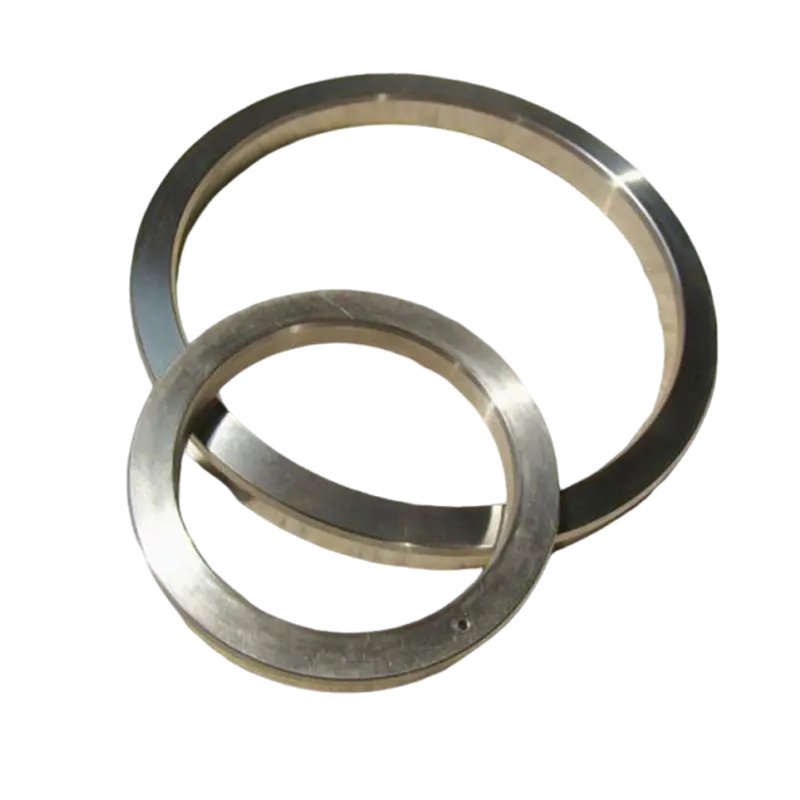
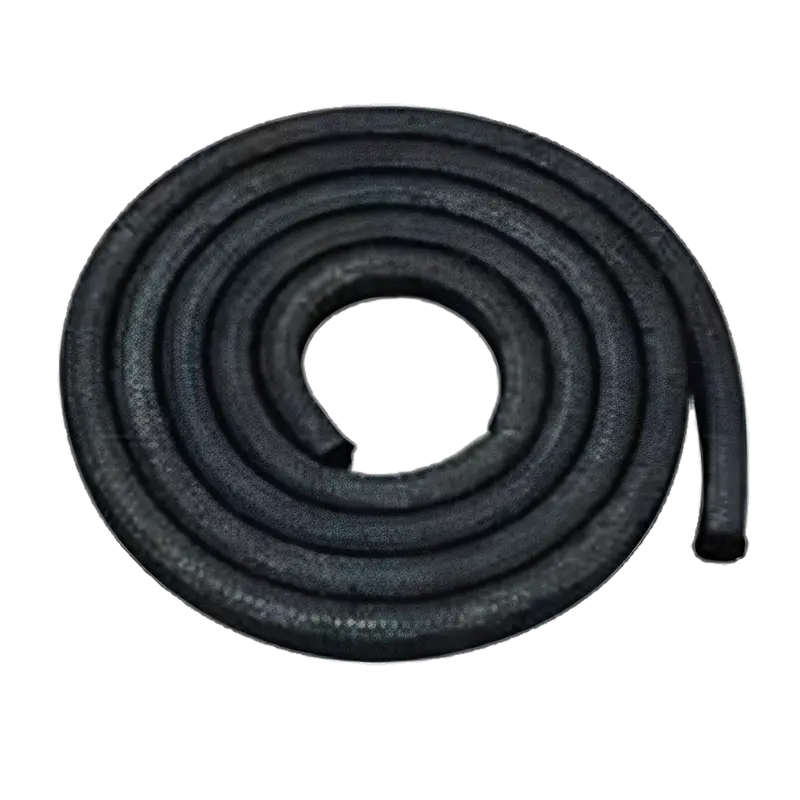
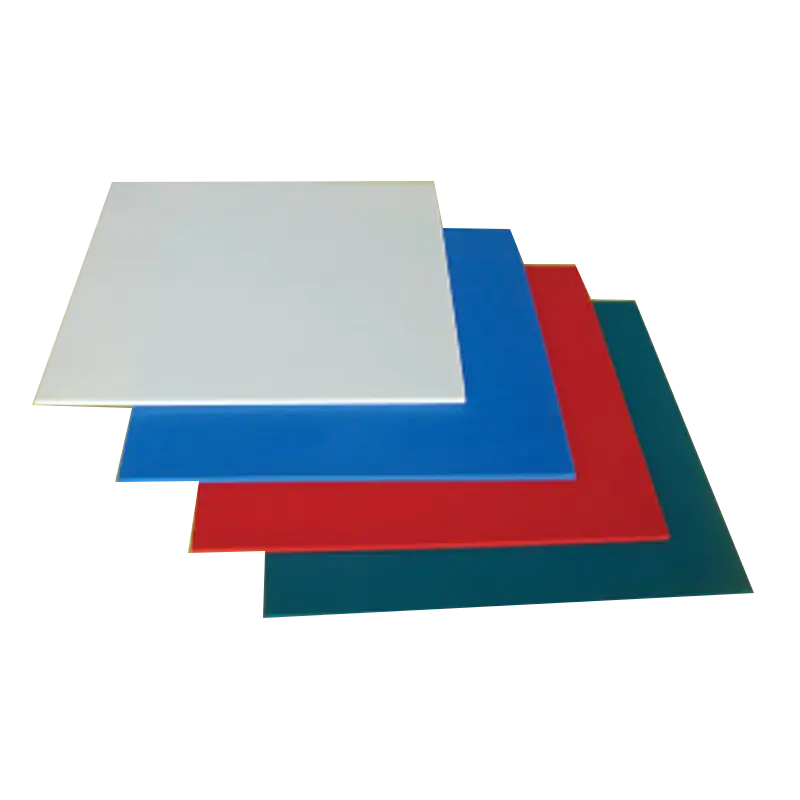
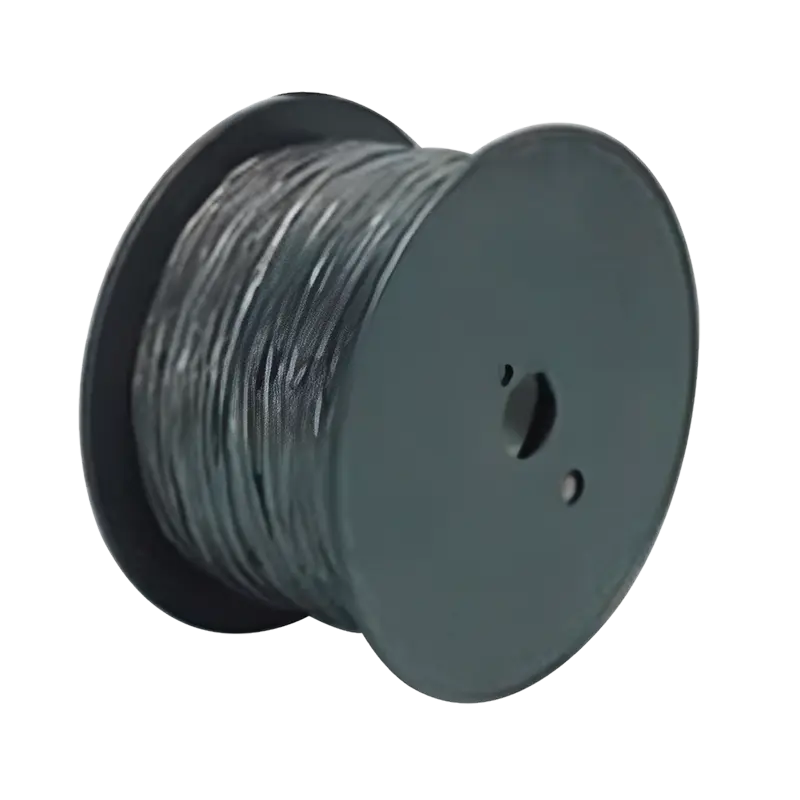
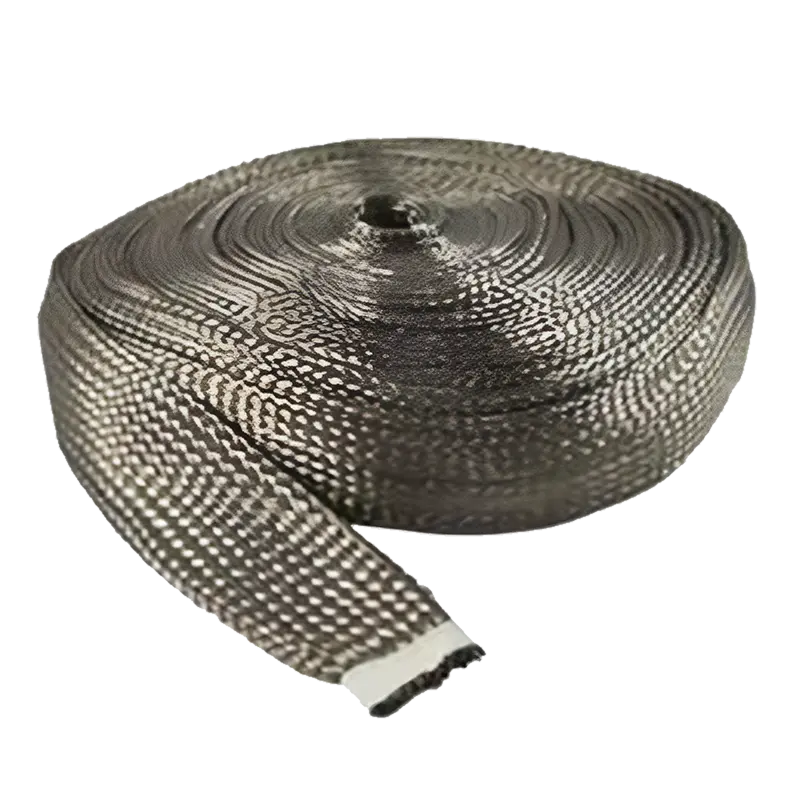
Copper gaskets are precision sealing components crafted from high-purity copper or its alloys. Known for their exceptional thermal conductivity, malleability, and corrosion resistance, they are indispensable in creating reliable, leak-proof seals in high-temperature and high-pressure environments. Unlike softer materials, Copper Gaskets can withstand extreme conditions without degrading, making them a preferred choice in critical applications. At Kaxite, we specialize in manufacturing premium-grade copper gaskets that meet the rigorous demands of modern industry, ensuring safety, efficiency, and longevity in every assembly.
Our gaskets are engineered for superior performance. Here’s what sets them apart:
Kaxite offers a diverse range of copper gaskets to suit specific application needs. Below are detailed specifications for our standard product lines.
| Material Grade | ASTM Standard | Typical Composition | Key Properties | Best For |
|---|---|---|---|---|
| C11000 (ETP Copper) | ASTM B152 | 99.9% Cu, 0.04% O | Excellent conductivity, high ductility | Electrical components, general sealing |
| C12200 (Phosphorus Deoxidized) | ASTM B152 | 99.9% Cu, 0.015% P | Resists hydrogen embrittlement, good brazeability | High-temperature water & steam service |
| C10100 (Oxygen-Free Copper) | ASTM F68 | 99.99% Cu | Highest conductivity, excellent fatigue resistance | Vacuum systems, aerospace, RF applications |
| CDA 194 (Copper Alloy) | ASTM B103 | 97.5% Cu, 2.35% Fe, 0.03% P, 0.12% Zn | High strength, good spring properties | Bolted flange connections requiring high load |
| Gasket Type | Standard Inner Diameter (ID) Range | Standard Outer Diameter (OD) Range | Thickness (Gauge) Range | Standard Face Finish |
|---|---|---|---|---|
| Flat Ring Gasket | 0.25" to 48" (6mm to 1219mm) | 0.75" to 50" (19mm to 1270mm) | 0.016" to 0.125" (0.4mm to 3.2mm) | Ra 32 - 125 µin (0.8 - 3.2 µm) |
| Spiral Wound (with Copper Filler) | 1.5" to 60" (38mm to 1524mm) | 2.5" to 62" (64mm to 1575mm) | 0.175" to 0.375" (4.4mm to 9.5mm) | N/A (Varies with winding) |
| RTJ (Ring Type Joint) | R14 to R104 (Per ASME B16.20) | As per ASME B16.20 | Standard Octagonal/Elliptical Sections | Machined to ASME Spec |
| Custom Shape Gasket | Per Customer Drawing | Per Customer Drawing | 0.010" to 0.250" (0.25mm to 6.35mm) | As Specified |
| Gasket Type | Max Temperature (Continuous) | Min Temperature (Cryogenic) | Max Pressure Rating (PSI) | Applicable Standards |
|---|---|---|---|---|
| Soft Annealed Copper Flat Gasket | 750°F (399°C) | -325°F (-198°C) | Up to 2,500 PSI | ASME B16.21, ASTM F104 |
| Hard/Full-Hard Copper Flat Gasket | 900°F (482°C) | -425°F (-254°C) | Up to 6,000 PSI | ASME B16.20, B16.21 |
| Copper Spiral Wound Gasket | 1000°F (538°C) | -330°F (-201°C) | Up to 10,000 PSI | ASME B16.20, API 6A |
| Copper RTJ Gasket | 1100°F (593°C) | -450°F (-268°C) | Up to 15,000 PSI | ASME B16.20, API 6A |
Q: What is the main advantage of using a copper gasket over a rubber or graphite gasket?
A: The primary advantages are its ability to withstand extreme temperatures and pressures. Rubber degrades at high heat, and graphite can oxidize. Copper maintains its sealing integrity from cryogenic levels up to 900°F+, offers excellent thermal conductivity to prevent localized overheating, and provides superior crush resistance for high bolt-load applications, ensuring a permanent, non-leaking seal.
Q: Are Kaxite copper gaskets reusable?
A: It depends on the application and condition. Hardened copper gaskets used in flat-face, high-pressure flanges are often designed for single use, as the sealing action involves deforming the metal to fill flange imperfections. However, in less critical applications or with specific designs like certain RTJ profiles, if the gasket is carefully removed without damage and the flange faces are impeccable, reuse might be possible. We generally recommend consulting with a Kaxite engineer for specific reuse guidelines to ensure seal integrity.
Q: How do I choose between soft-annealed and hard-temper copper for my gasket?
A: The choice hinges on the flange design and service conditions. Soft-annealed copper is highly malleable and is best for sealing uneven or scratched flange surfaces, as it flows easily to fill gaps. It requires lower bolt torque. Hard-temper copper has higher strength and requires a higher bolt load to seal. It is better for smooth, machined flanges and applications with high internal pressure or thermal cycling, as it resists creep and maintains the seal under stress. Kaxite provides both tempers to match your exact requirements.
Q: Can copper gaskets be used with stainless steel flanges? Will they gall or corrode?
A: Yes, copper gaskets are commonly used with stainless steel flanges. The risk of galvanic corrosion exists but is generally minimal in dry, high-temperature, or oil-based systems. For wet or corrosive chemical service, selecting the appropriate copper alloy (like deoxidized copper) and possibly using an anti-seize lubricant on the bolts can mitigate risks. Galling (cold welding) is less common between dissimilar metals like copper and stainless steel compared to similar metals.
Q: What surface finish is required on the flange face for an optimal seal with a copper gasket?
A: For best results, the flange sealing surface should have a smooth, consistent finish. A finish between 32 to 125 microinches Ra (0.8 to 3.2 µm) is typically recommended. The surface must be free of scratches, pits, and radial tool marks. A serrated concentric or phonographic spiral finish can help the gasket bite slightly and improve sealing, especially with harder temper copper. Kaxite can advise on the ideal flange preparation for your specific gasket type.
Q: Does Kaxite offer custom-shaped copper gaskets, and what information is needed for a quote?
A: Absolutely. Custom copper gaskets are a Kaxite specialty. To provide an accurate quote and design, we typically require:
Q: How should copper gaskets be stored and handled before installation?
A: Store Kaxite copper gaskets in a clean, dry environment away from moisture and corrosive fumes to prevent oxidation. Keep them in their original packaging until ready for use. Handle with clean gloves to prevent contamination from skin oils. Before installation, inspect the gasket for any dents, scratches, or oxidation, and clean both the gasket and flange surfaces meticulously with a solvent to remove any dust, oil, or old gasket material. Proper handling ensures a perfect seal from the first bolt-up.


