English

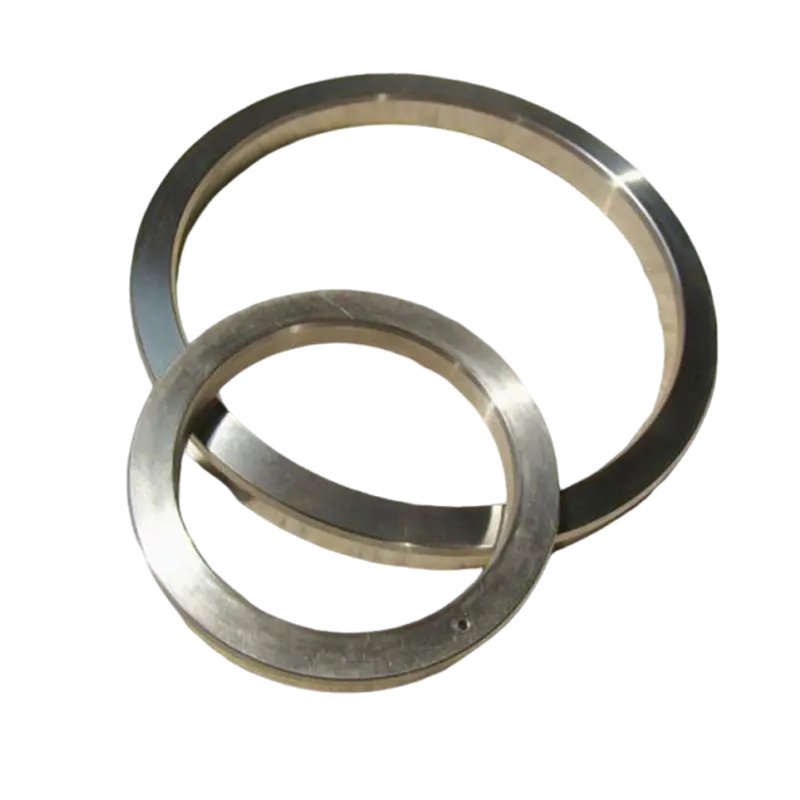
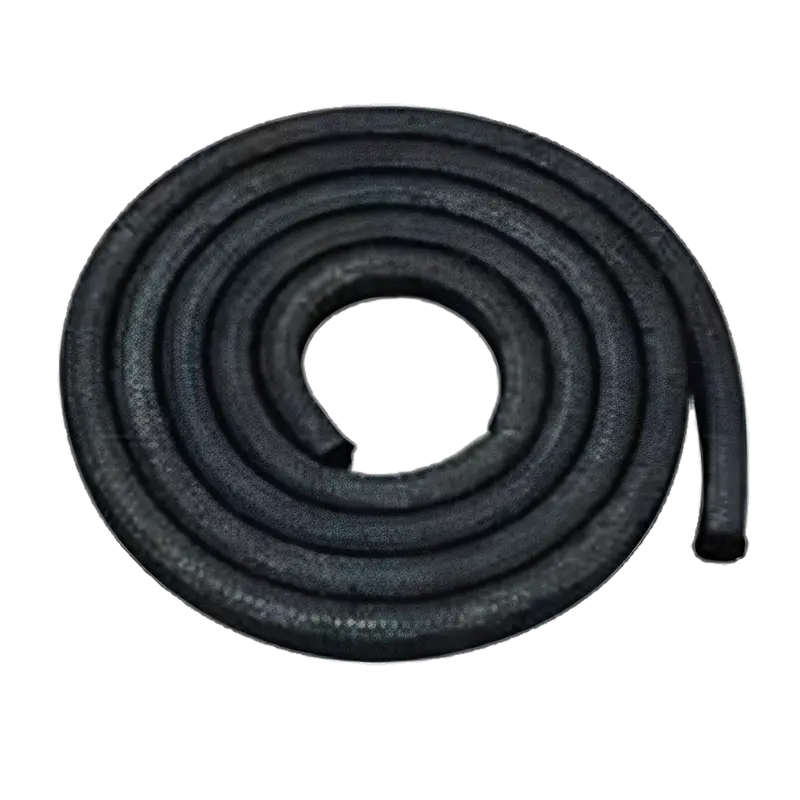
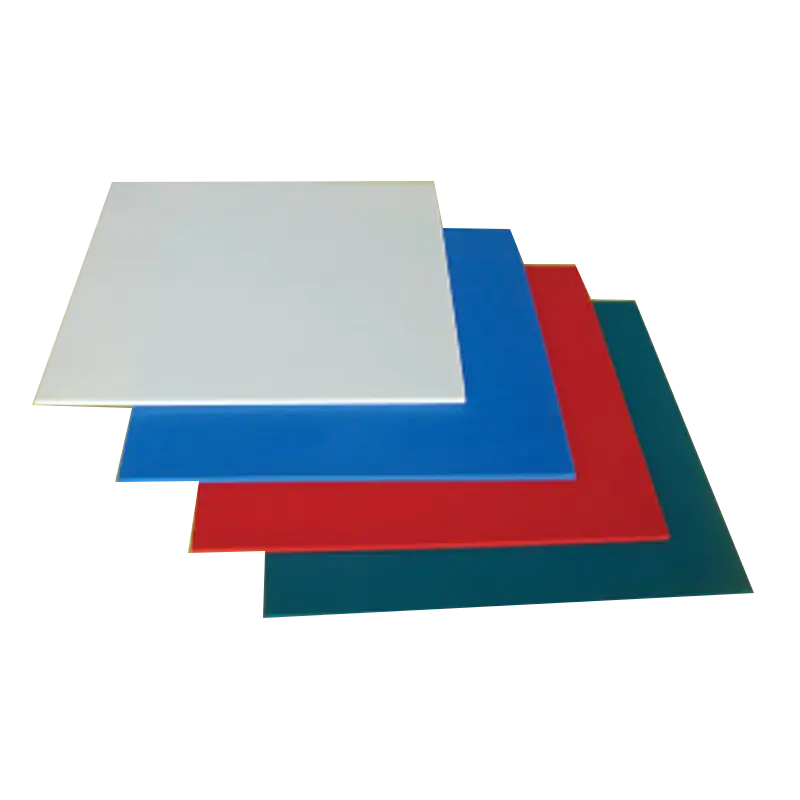
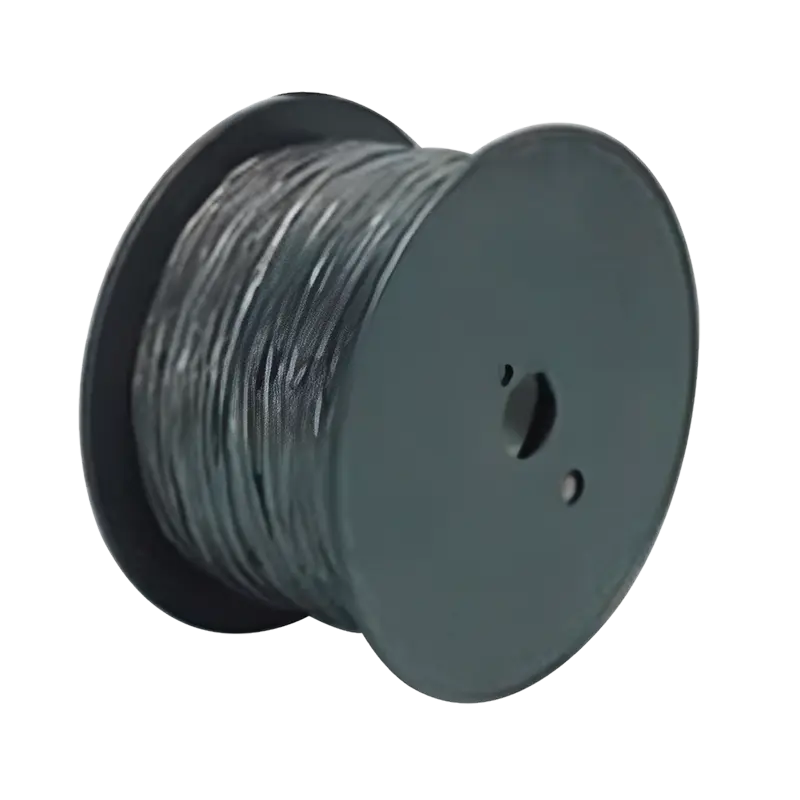

When a flat gasket fails on a heat exchanger after only a few months, the real cost is rarely the gasket itself. It is the unplanned shutdown, the overtime labor, the lost production, and the safety paperwork. Purchasing managers in chemical, oil and gas, and power generation plants often face this exact scenario. They need a sealing solution that lasts longer and performs better under thermal cycling, vibration, and uneven flange surfaces. That is why so many buyers ask a simple but important question: What are the advantages of Corrugated Gaskets over flat gaskets? The answer matters for anyone who wants to reduce total maintenance cost. Corrugated gaskets use formed metal cores with concentric ridges to create higher seating stress on a smaller contact area. This design improves load retention, recovery, and resistance to blowout. Flat gaskets generally spread load over a wider area and can relax more quickly under temperature swings. For procurement teams, choosing the right gasket type directly affects plant reliability and long-term supplier value. A clear comparison helps buyers avoid repeated failures and source products that match real operating conditions.
A corrugated gasket is a sealing component built around a metal core that is formed into concentric or parallel ridges. The core is usually made from stainless steel, carbon steel, or other alloys. A soft sealing material—such as flexible graphite, PTFE, or mica—is laminated or layered onto the core. When the gasket is compressed between flanges, the corrugated ridges act like springs. They create concentrated seating stress at the crests without requiring excessive bolt torque. This concentrated stress helps the sealing material flow into flange imperfections and form a tight barrier. Flat gaskets, by contrast, rely on uniform compression across the entire surface. Any unevenness in the flange or localized load loss can create a leak path. For purchasing teams, corrugated gaskets offer a practical way to achieve a reliable seal even when flanges are slightly worn, pitted, or subject to temperature changes.
The main structural difference lies in the metal core. Corrugated gaskets use a formed metal core with ridges that concentrate load along specific lines, while flat gaskets use a uniform sheet that spreads load across the full face. This affects performance in several ways. First, corrugated gaskets require lower bolt load to reach the same sealing stress. Second, they recover better after thermal expansion and contraction because the metal ridges act as a spring component. Third, they are more resistant to blowout under sudden pressure spikes. Flat gaskets can offer lower upfront cost and are widely available, but they often demand flatter flange surfaces and more frequent retorquing. Purchasing teams that compare these factors find that corrugated gaskets deliver a better lifecycle cost in many high-temperature or high-pressure services.
When evaluating what are the advantages of corrugated gaskets over flat gaskets? procurement professionals often focus on five practical benefits.
These advantages make corrugated gaskets especially useful in heat exchangers, piping flanges, and vessels where flat gaskets frequently fail.

Consider a chemical plant buyer who manages steam piping. The maintenance team replaces flat gaskets every few weeks because temperature swings cause the gasket material to relax and leak. Each replacement requires draining the line, cleaning the flange, and losing production time. After switching to corrugated gaskets with graphite facing, the plant extends replacement intervals from one month to six months. The same scenario happens in refineries, power stations, and food processing plants. The formed metal core maintains seating stress even when the flange expands and contracts. This directly reduces emergency orders, overtime labor, and the risk of fugitive emissions. For buyers, working with a supplier like Ningbo Kaxite Sealing Materials Co., Ltd. means getting a sealing product that solves the root cause instead of just replacing the failed part.
| Parameter | Corrugated Gasket | Flat Gasket |
|---|---|---|
| Seating stress | High, concentrated on ridges | Moderate, spread over full face |
| Recovery under cycling | Good to excellent | Fair to poor |
| Blowout resistance | High | Moderate |
| Crush resistance | High due to metal core | Lower, especially with soft sheets |
| Flange surface tolerance | Good, fills minor defects | Limited, requires smoother surface |
| Typical temperature range | Up to 450°C or higher with metal core | Usually below 250°C for non-metallic sheets |
| Initial cost | Moderate | Low to moderate |
| Lifecycle cost | Often lower due to longer service | Often higher due to frequent replacement |
Start with the operating conditions. If the system experiences thermal cycling, pressure surges, or vibration, a corrugated gasket will usually outperform a flat gasket. Check the flange condition. Corrugated gaskets are more forgiving on flanges with minor scoring or surface unevenness. Review the media type. Graphite, PTFE, or mica facing layers can be selected for chemical compatibility with acids, solvents, steam, or heat transfer oils. Flat gaskets may still be suitable for low-pressure, low-temperature, and smooth-flange services where cost is the main driver. However, when total cost of ownership includes downtime and labor, the balance often shifts toward corrugated gaskets. Buyers should request material certifications, pressure-temperature ratings, and test data from suppliers before placing bulk orders.
Q: What are the advantages of corrugated gaskets over flat gaskets?
A: Corrugated gaskets provide better recovery under thermal cycling, lower required bolt load, higher blowout resistance, and improved sealing on imperfect flange surfaces. They reduce the frequency of gasket replacement and help avoid unplanned shutdowns in demanding industrial systems.
Q: In practical terms, how do those advantages show up in a plant environment?
A: In a plant environment, corrugated gaskets maintain a reliable seal longer than flat gaskets when temperatures fluctuate or pressure spikes occur. Maintenance teams spend less time retorquing and replacing gaskets, which lowers labor cost and keeps production lines running. The concentrated ridge design also reduces the chance of blowout, making it a safer choice for high-energy piping and equipment.
Ningbo Kaxite Sealing Materials Co., Ltd. is a specialized sealing manufacturer that supplies corrugated gaskets, spiral wound gaskets, and sheet gaskets for demanding industrial applications. We help purchasing teams solve leakage under thermal cycling, reduce replacement frequency, and match the right material to the operating media. If you need help selecting the right corrugated gasket material or want a sample for testing, contact [email protected] or visit https://www.kxtsealing.net. Our team can recommend the right metal core, sealing layer, and dimensions to solve your specific sealing problems and lower your total maintenance cost.
Bazergui, A., & Payne, J. R. (1984). Progress in gasket testing—milestone results. Pressure Vessel Technology, 102(3), 45-53.
Bickford, J. H. (1998). Gaskets and gasketed joints: Design and selection. Mechanical Engineering, 120(5), 72-78.
Derenne, M., Marchand, L., & Payne, J. R. (1997). Elevated temperature characterization of flexible graphite sheet gaskets. Journal of Testing and Evaluation, 25(4), 390-396.
Kobayashi, T., & Hamano, K. (2004). The effects of gasket contact stress distribution on sealing performance. Journal of Pressure Vessel Technology, 126(1), 103-108.
Mueller, R. T. (1999). Recent advances in gasket testing for bolted flange joints. Journal of Pressure Vessel Technology, 121(2), 184-189.
Nagata, S., & Shoji, Y. (2010). An experimental study on the sealing behavior of corrugated metal gaskets. Journal of Environment and Engineering, 5(2), 306-317.
Payne, J. R., & Derenne, M. (1987). Development of a new gasket test procedure for bolted flanged connections. Experimental Mechanics, 27(4), 381-387.
Sawa, T., & Higurashi, N. (2005). A study on the characteristics of bolted joints with gaskets under thermal conditions. Journal of Materials Processing Technology, 169(3), 356-361.
Waterland, A. F., & Fessler, H. (1997). The influence of gasket geometry on leakage performance. International Journal of Pressure Vessels and Piping, 72(2), 139-146.
Winter, J. R., & Leon, G. F. (1985). Gaskets for high-temperature service. Chemical Engineering Progress, 81(4), 35-42.
-


