English

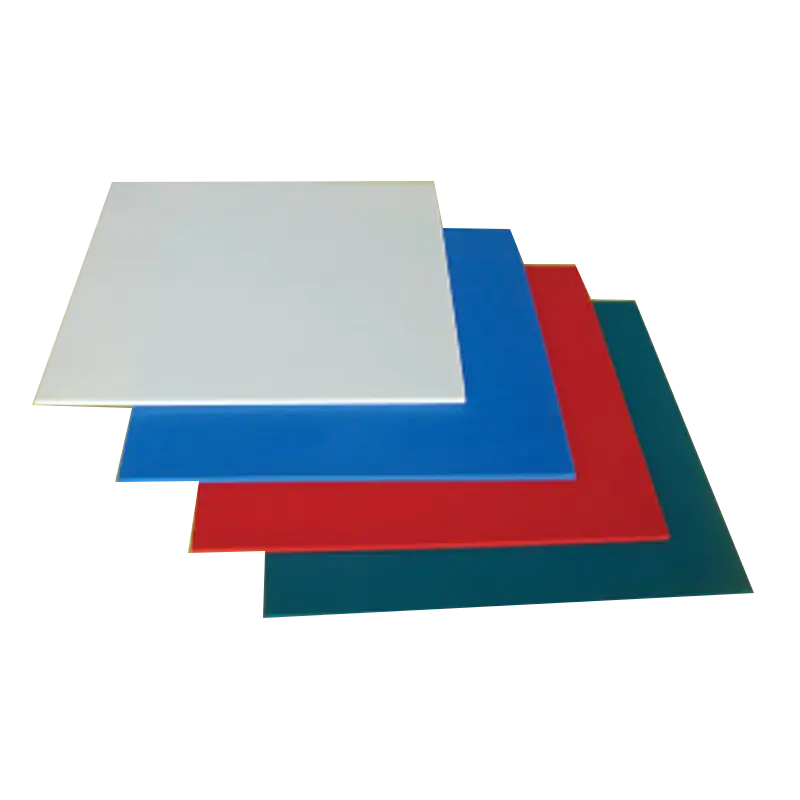
Mica Sheet, also known as mica plate or mica insulation, is a versatile and high-performance industrial material prized for its exceptional electrical, thermal, and mechanical properties. Composed primarily of natural muscovite or phlogopite minerals, or high-quality synthetic mica, these sheets are engineered to provide reliable insulation in demanding environments. At Kaxite, we specialize in manufacturing premium-grade mica sheets that meet the rigorous standards of industries ranging from aerospace and automotive to household appliances and heating elements. Our commitment to quality ensures that every Kaxite mica sheet delivers consistent performance, durability, and safety.
The fundamental value of a mica sheet lies in its unique layered silicate structure. This natural composition grants it a combination of properties rarely found in other materials:
To ensure you select the perfect material for your application, we offer a comprehensive range of mica sheets with precise specifications. Below is a detailed breakdown of our standard product parameters.
| Parameter / Property | Standard Muscovite Sheet | High-Temp Phlogopite Sheet | Synthetic Mica Sheet | Flexible Composite Sheet (Mica Paper) |
|---|---|---|---|---|
| Primary Material | Natural Muscovite Mica | Natural Phlogopite Mica | Fluorophlogopite (Synthetic) | Mica Paper with Silicone/Epoxy Binder |
| Continuous Operating Temperature | Up to 600°C (1112°F) | Up to 900°C (1652°F) | Up to 1100°C (2012°F) | Up to 700°C (1292°F) with Silicone |
| Dielectric Strength (kV/mm) | 15 - 25 | 15 - 22 | 20 - 35 | 15 - 30 |
| Thickness Range | 0.05mm - 3.0mm | 0.1mm - 3.0mm | 0.1mm - 2.0mm | 0.1mm - 5.0mm |
| Density (g/cm³) | 2.6 - 2.8 | 2.7 - 2.9 | 2.8 - 3.0 | 1.8 - 2.4 |
| Key Advantages | Cost-effective, good general insulation | Higher heat resistance, good for furnaces | Highest purity, superior electrical & thermal performance | Excellent flexibility, uniform thickness, no delamination |
| Typical Applications | Household appliances, toasters, hair dryers | Industrial heaters, foundry equipment | Aerospace, semiconductor manufacturing, high-performance heaters | Motor & generator slot insulation, flexible heating pads |
Q: What is the main difference between muscovite and phlogopite mica sheets?
A: The primary difference lies in their thermal stability and composition. Muscovite mica (clear/white) is a potassium-aluminum silicate and is suitable for continuous use up to approximately 600°C. Phlogopite mica (amber/brown) is a potassium-magnesium-aluminum silicate, offering higher heat resistance, typically up to 900°C, and better resistance to thermal shock. Kaxite provides both types, guiding customers to the optimal choice based on their operating temperature.
Q: Can mica sheets be machined or fabricated into specific shapes?
A: Yes, absolutely. Mica sheets are known for their good machinability. They can be accurately punched, stamped, laser-cut, drilled, or CNC machined into intricate shapes, gaskets, washers, and insulators with clean edges and minimal flaking. Kaxite offers pre-cut and fabricated components to customer drawings, ensuring precision and reducing production waste.
Q: How does a synthetic mica sheet differ from a natural one, and when should I choose it?
A: Synthetic mica (fluorophlogopite) is manufactured under controlled conditions, resulting in a product with higher purity, no metallic impurities, and more consistent properties. It offers the highest temperature resistance (up to 1100°C), superior dielectric strength, and excellent resistance to acid and alkali attack. Choose synthetic mica for the most demanding applications in aerospace, high-frequency/high-voltage electronics, semiconductor processing, and premium heating elements where ultimate performance and reliability are non-negotiable.
Q: Are mica sheets safe to use in food-grade or medical equipment?
A: Natural mica itself is an inert, non-toxic mineral. However, safety depends on the complete product construction. Rigid mica sheets bound with inorganic materials are generally considered safe for high-temperature zones. For applications involving direct food contact or specific medical certifications, it is crucial to discuss the exact binder system and application with Kaxite's technical team. We can provide sheets with FDA-compliant binders or recommend appropriate solutions.
Q: What is a mica paper flexible sheet, and what are its benefits?
A: Mica paper sheets are made by reconstituting small mica flakes into a continuous paper-like material, which is then impregnated with a resin binder (silicone, epoxy). The key benefits include exceptional flexibility, uniform electrical and thermal properties in all directions, no natural cleavage or delamination risk, and the ability to be produced in large, consistent rolls or sheets. Kaxite's flexible composites are ideal for wrapping irregular shapes, motor slot insulation, and flexible heating elements.
Q: How should I store and handle mica sheets to prevent damage?
A: Store mica sheets in a cool, dry environment away from direct moisture. While rigid sheets are robust, they can be brittle along the cleavage plane. Handle with care, avoiding sharp bends or impacts on the edges. Use appropriate cutting tools. Flexible composite sheets are more resilient but should be kept flat or on large-diameter cores if rolled. Always wear appropriate PPE like gloves to prevent oils from skin contact affecting performance.
Q: Can Kaxite provide mica sheets with specific custom properties?
A: Customization is a core strength at Kaxite. We routinely engineer mica sheets with specific thickness tolerances, dielectric constants, thermal conductivity profiles, binder systems for enhanced flame retardancy or adhesion, and backing materials like glass cloth or films (e.g., PET, PI). We work directly with engineers to develop application-specific solutions.
Q: What quality control measures does Kaxite implement?
A: Every batch of Kaxite mica sheet undergoes rigorous QC testing. This includes measurement of dielectric strength, thickness uniformity, visual inspection for defects, thermal stability testing, and binder content analysis. We maintain detailed lot traceability and provide material certification sheets with key performance data to ensure full compliance with your specifications.


