English

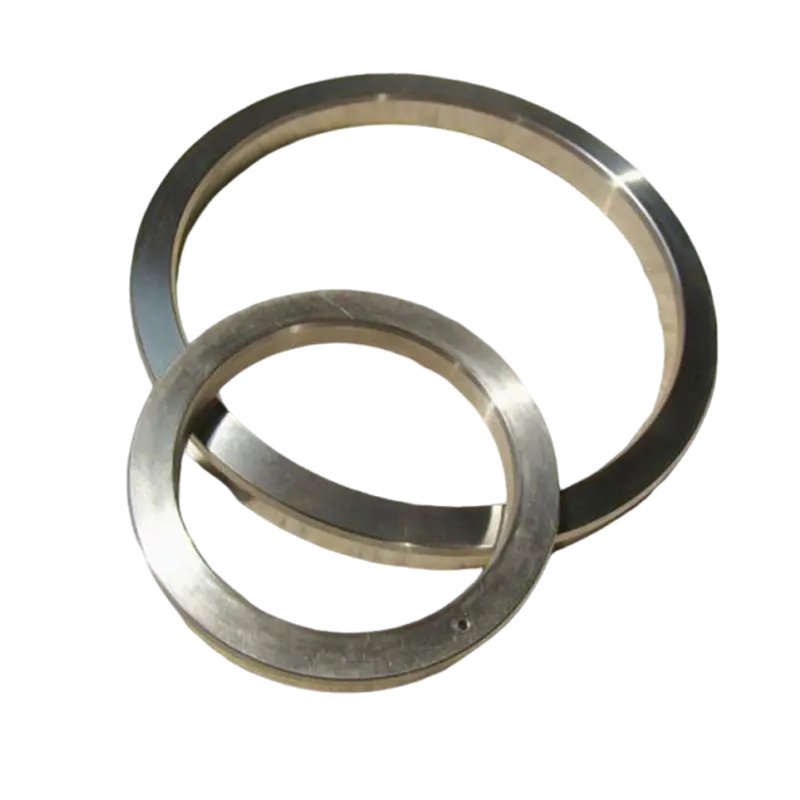
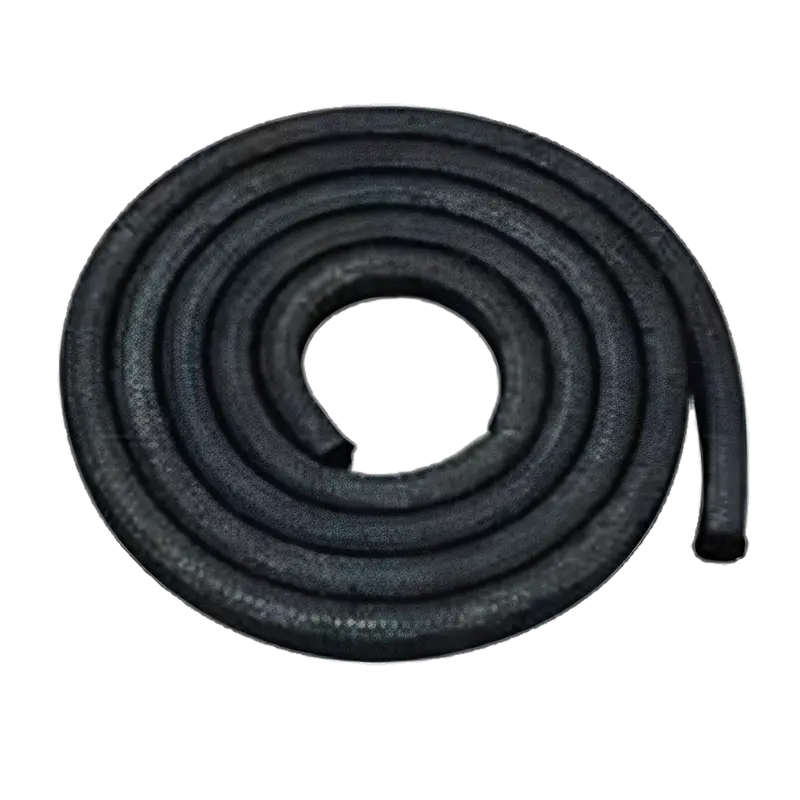
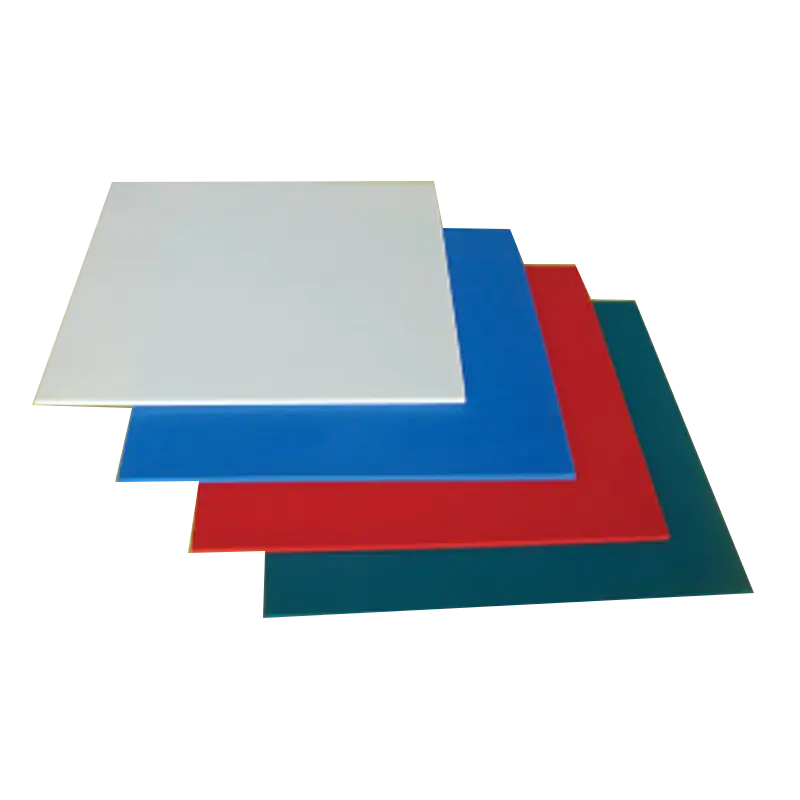
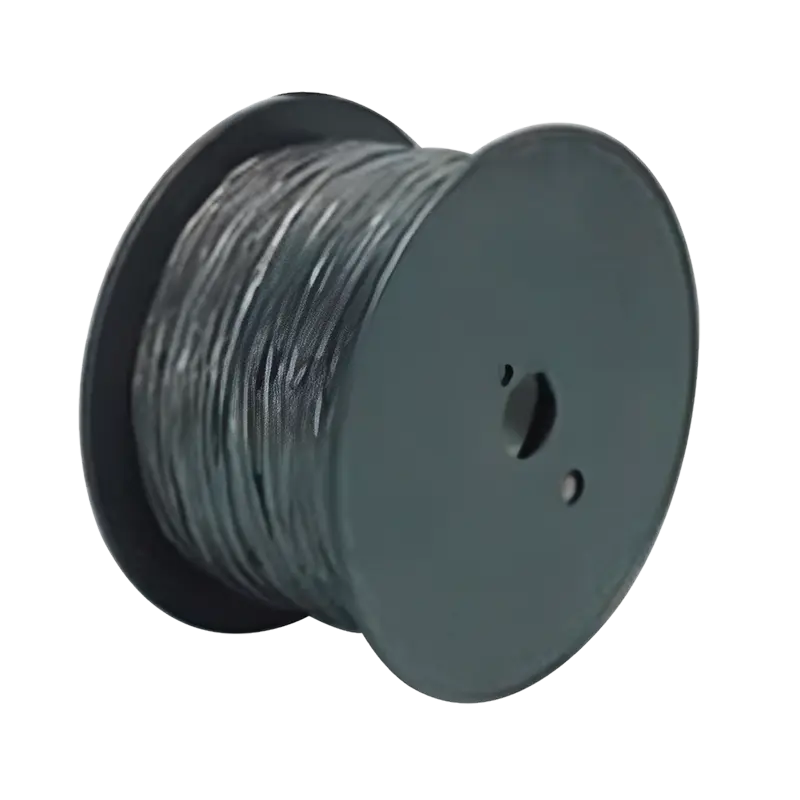
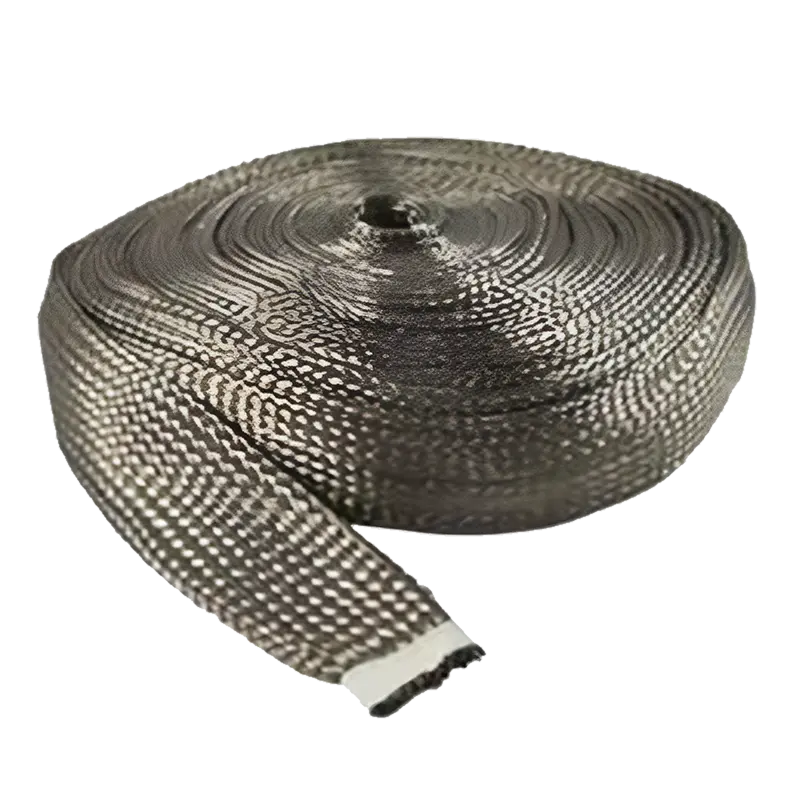

Is PTFE Tube safe for food contact? This is one of the most critical questions every procurement professional must answer before choosing tubing for food processing, beverage dispensing, or pharmaceutical production. When you're sourcing components that will touch what people eat and drink, safety isn't just a specification—it's a non-negotiable commitment. The quick answer is yes: genuine, high-grade PTFE (polytetrafluoroethylene) tube can be absolutely safe for food contact, provided it meets stringent regulatory standards like FDA 21 CFR 177.1550 and EU 10/2011. Imagine running a craft brewery where your tubing carries hot wort from the lauter tun; one wrong material and you compromise the entire batch, risking off-flavors or even health violations. That's the scenario that keeps buyers up at night. The right PTFE tube eliminates those worries because it is chemically inert, withstands up to 260°C, and releases no volatile compounds into your product. However, not all PTFE tubes are created equal. Inferior resins or contaminated manufacturing can introduce risks. At Ningbo Kaxite Sealing Materials Co., Ltd., we understand this deeply and have engineered every meter of our food-grade PTFE tubing to be a pure, traceable, and fully certified solution, giving you confidence from the receiving dock to the final packaged product.
Procurement managers in the food industry face a relentless challenge: verifying that every supplier document truly proves compliance. You’ve likely received datasheets claiming “FDA approved,” but without detailed migration test reports, you’re flying blind. The scenario gets worse when a quality audit reveals missing traceability, putting your entire production line at risk of a non-conformance notice. The solution starts with insisting on PTFE tubing certified under FDA 21 CFR 177.1550, which specifically addresses PTFE resins for repeated food contact. Additionally, compliance with EU 10/2011 ensures the material has passed overall migration and specific migration limits for substances that could transfer into food. At Ningbo Kaxite Sealing Materials Co., Ltd., we provide full documentation packages including raw material statements, third-party test certificates, and batch-level traceability. This transforms a stressful audit into a simple file-sharing exercise, proving due diligence and protecting your brand’s reputation. Our PTFE tubes are produced using 100% virgin PTFE, free from plasticizers, additives, or recycled content—a key differentiator in a market often flooded with ambiguous quality.
| Certification | Key Requirement | Kaxite Compliance |
|---|---|---|
| FDA 21 CFR 177.1550 | Extractable in refluxing water & heptane below limits | Passed – Test reports available |
| EU 10/2011 | Overall migration < 10 mg/dm² | Passed – Regular batch testing |
| EC 1935/2004 | No health-endangering transfer | Full declaration of compliance |
Picture a dairy plant's CIP (clean-in-place) cycle: aggressive caustic soda at 85°C surges through the lines, followed by nitric acid rinse. A lesser tubing material would swell, leach, or crack, ruining both the tube wall and product safety. This is a genuine pain point for maintenance engineers and buyers who need components that survive thousands of harsh cycles without degradation. PTFE tube is uniquely equipped to handle this. Its chemical inertness means it resists virtually all food processing chemicals, from acids to alkalis, and its continuous service temperature spans -80°C to 260°C. In our testing at Ningbo Kaxite, samples maintained burst pressure integrity and inner surface smoothness after 5,000 simulated CIP cycles—no corrosion, no pitting, and no particulate shedding. The smooth, non-stick inner wall also prevents biofilm buildup, a critical advantage for ensuring long-term microbiological safety. By choosing Kaxite’s PTFE tube, you’re not just buying a consumable; you’re investing in process reliability that reduces line stoppages and eliminates the hidden cost of frequent tube replacement.

| Property | Value | Relevance to Food Safety |
|---|---|---|
| Max continuous temperature | 260°C (500°F) | Safe for hot filling, steam sterilization |
| Chemical resistance | Universal (except molten alkali metals) | No degradation during aggressive cleaning |
| Surface roughness (Ra) | < 0.2 µm | Inhibits bacterial adhesion and biofilm |
| Water absorption | < 0.01% | No swelling, maintains dimensional stability |
The moment of truth for a buyer often comes when comparing quotes that look similar but hide vast differences. One supplier offers “white tube” without transparency about raw materials; another provides full traceability but at a premium. How do you decide? The wrong choice can result in hidden leaching, dimensional failure at operating temperatures, or supply chain interruptions when documentation is requested. At Ningbo Kaxite Sealing Materials Co., Ltd., we close this gap with a selection framework. First, demand a resin certificate that confirms 100% virgin PTFE under a recognized brand like Chemours® or Daikin®. Second, require batch-specific migration test reports, not generic flyers. Third, verify conformity with the National Sanitation Foundation (NSF) or equivalent for food equipment. Our product line includes sizes from 1mm I.D. to 50mm I.D. in natural, transparent PTFE, and we offer cut-to-length services to reduce waste. Every tube is laser-marked with batch codes for instant traceability. When you partner with us, you exit the guessing game and enter a predictable, transparent supply experience that protects your brand just as thoroughly as it protects the food you produce.
| Selection Factor | What to Look For | Kaxite Standard |
|---|---|---|
| Raw material purity | 100% virgin PTFE, report available | Chemours/Daikin resins, certificate provided |
| Temperature rating | Continuous service at your process temp | Tested to 260°C continuous |
| Certification depth | Not just a statement, actual test PDFs | Third-party FDA, EU, and migration reports |
| Traceability | Batch number on product and documents | Laser coding on every roll |
Q: Does PTFE tube leach chemicals into food, especially at high temperatures?
A: When manufactured from 100% virgin resin and processed correctly, PTFE is essentially non-leaching. The FDA 21 CFR 177.1550 regulation sets measurable extractive limits, and compliant tubing stays well below these thresholds even under prolonged high-temperature exposure. Studies on PTFE migration consistently show total extractables far below 1 mg/dm² after 2 hours in boiling food simulants. The key is avoiding reprocessed or filled PTFE, which may contain unknown contaminants. At Ningbo Kaxite, our strict resin control and post-production annealing ensure the tube releases nothing but peace of mind.
Q: How can I verify that the PTFE tube I purchase is truly food-safe and not just labeled that way?
A: Always request a specific migration test report and a declaration of compliance referencing the exact batch code on the product. A reputable supplier will provide these without hesitation. Additionally, you can perform a simple ignition test: food-grade pure PTFE leaves virtually no residue (<0.01% ash), while lower-grade materials may leave visible contaminants. Third-party lab validation, such as those offered by SGS or TÜV, adds an extra layer of confidence. Ningbo Kaxite Sealing Materials Co., Ltd. ships every order with a link to a digital compliance dossier, so your quality team can access the full certification record instantly.
We hope this article has equipped you with the insights to source PTFE tubing with absolute confidence. Food safety is a shared responsibility, and your choice of component supplier directly affects consumer trust. If you have specific questions about dimensions, custom colors, or want to discuss a demanding application, our engineers are ready to help. Ningbo Kaxite Sealing Materials Co., Ltd. is a premier manufacturer of high-performance sealing materials and PTFE fluid handling products, with a specialization in food-contact and pharmaceutical-grade tubing. Our vertically integrated manufacturing, rigorous in-house testing, and global supply network enable us to deliver certified PTFE tube solutions that resolve even the most stringent compliance challenges. Visit us at https://www.kxtsealing.net or contact our technical sales team directly at [email protected] for personalized assistance.
Begley, T. H., Biles, J. E., Cunningham, C., & Piringer, O. (2004). Migration of a UV stabilizer from polyethylene terephthalate (PET) into food simulants. Food Additives and Contaminants, 21(10), 1007–1014.
Bradley, E. L., Castle, L., & Driffield, M. (2013). Comparison of the overall migration from plastics into food and food simulants as assessed by both official and alternative methods. Food Additives & Contaminants: Part A, 30(9), 1633–1648.
Biedermann-Brem, S., Biedermann, M., & Grob, K. (2017). Required barrier performance of packaging materials against the migration of mineral oil hydrocarbons. Food Additives & Contaminants: Part A, 34(10), 1802–1813.
Stoffers, N. H., Brandsch, R., Bradley, E., & Franz, R. (2005). Compliance testing of plastics for food contact: a comparison of methods for determining overall migration. Food Additives and Contaminants, 22(9), 883–890.
Choi, J. O., Jitsunari, F., Asakawa, F., & Park, H. J. (2005). Migration of surrogate contaminants from paper and board food packaging: correlation between migration and compositional factors. Food Additives and Contaminants, 22(7), 666–675.
Dumichen, E., Eisentraut, P., Bannick, C. G., & Braun, U. (2015). Fast identification of microplastics in complex environmental samples by thermal extraction combined with gas chromatography–mass spectrometry. Analytical and Bioanalytical Chemistry, 407(29), 8683–8692.
Muncke, J. (2011). Endocrine disrupting chemicals and other substances of concern in food contact materials: an updated review of exposure, effect and risk assessment. The Journal of Steroid Biochemistry and Molecular Biology, 127(1–2), 118–127.
Novaes, C. G., Yamaki, M., Bezerra, M. A., de Santana, F. J., & Ferreira, S. L. C. (2021). Migration of chemical compounds from food packaging materials: a critical review. Food Chemistry, 351, 129294.
Piringer, O. G., & Baner, A. L. (Eds.). (2008). Plastic Packaging: Interactions with Food and Pharmaceuticals (2nd ed.). Wiley-VCH. (Research papers cited within: various migration studies).
Skjevrak, I., Due, A., Gjerstad, K. O., & Herikstad, S. (2005). Volatile organic components migrating from plastic pipes (HDPE, PEX and PVC) into drinking water. Water Research, 39(2), 349–358.


