Is PTFE Film UV resistant? When you're sourcing sealing materials for demanding outdoor applications, this question can define whether your entire project thrives or fails. Picture a critical gasket exposed to harsh sunlight on an offshore platform — a material that degrades under ultraviolet radiation could lead to leaks, downtime, and expensive replacements. For procurement professionals, understanding UV resistance isn't just a technical detail; it's a make-or-break factor. PTFE (polytetrafluoroethylene) film is renowned for its chemical inertness and temperature stability, yet many buyers overlook its ability to withstand prolonged sun exposure. Let's uncover the truth about PTFE film's UV resistance, equipping you with the knowledge to avoid costly material failures and make confident purchasing decisions.
PTFE film possesses an inherently stable molecular structure that makes it highly resistant to UV radiation. Unlike many plastics that become brittle or discolored under sunlight, the carbon-fluorine bonds in PTFE are extremely strong and do not easily break down when exposed to ultraviolet light. This means that in typical outdoor conditions, PTFE film retains its flexibility, tensile strength, and sealing capabilities for years. However, no material is completely immune. Prolonged, intense UV exposure combined with other environmental factors (like elevated temperatures or abrasive airborne particles) can gradually affect surface properties. For procurement specialists, this translates into a critical advantage: PTFE film can meet stringent outdoor durability requirements without the need for additional UV stabilizers that could compromise chemical resistance. When evaluating suppliers, you'll want to confirm that the film's virgin PTFE content and manufacturing process preserve these inherent UV-resistant qualities.
Real-world Challenges: How UV Exposure Affects Sealing Performance
Consider a sealing application in a solar panel junction box. Here, a PTFE film gasket is constantly bombarded by direct sunlight and fluctuating temperatures. A low-quality film might develop micro-cracks after several years, allowing moisture ingress. Such failures are preventable. The root cause often lies in insufficient material thickness or the use of reprocessed PTFE with compromised molecular weight. Premium PTFE films, like those supplied by Ningbo Kaxite Sealing Materials Co., Ltd., are manufactured from 100% virgin PTFE resin, ensuring maximum UV resistance. This real-world scenario highlights the need for procurement to look beyond basic specifications and partner with a supplier that understands long-term environmental aging. By choosing a film with proven UV stability, you extend maintenance intervals and reduce total lifecycle costs.
PTFE Film UV Performance Parameters
To help you compare materials effectively, here is a table summarizing key UV resistance characteristics of PTFE film alongside common alternatives:
Material
UV Resistance Level
Service Life (Outdoor, moderate UV)
Typical Degradation Mode
Virgin PTFE Film
Excellent
15+ years
Minimal surface oxidation
Natural Rubber
Poor
2-5 years
Cracking, sticky residue
EPDM
Good
10-15 years
Chalking, gradual loss of elasticity
Silicone
Very Good
12-18 years
Reversion (softening) at high UV+heat
Filled PTFE Film
Variable
Depends on filler (glass, carbon may reduce UV transmittance further)
Filler-dependent surface changes
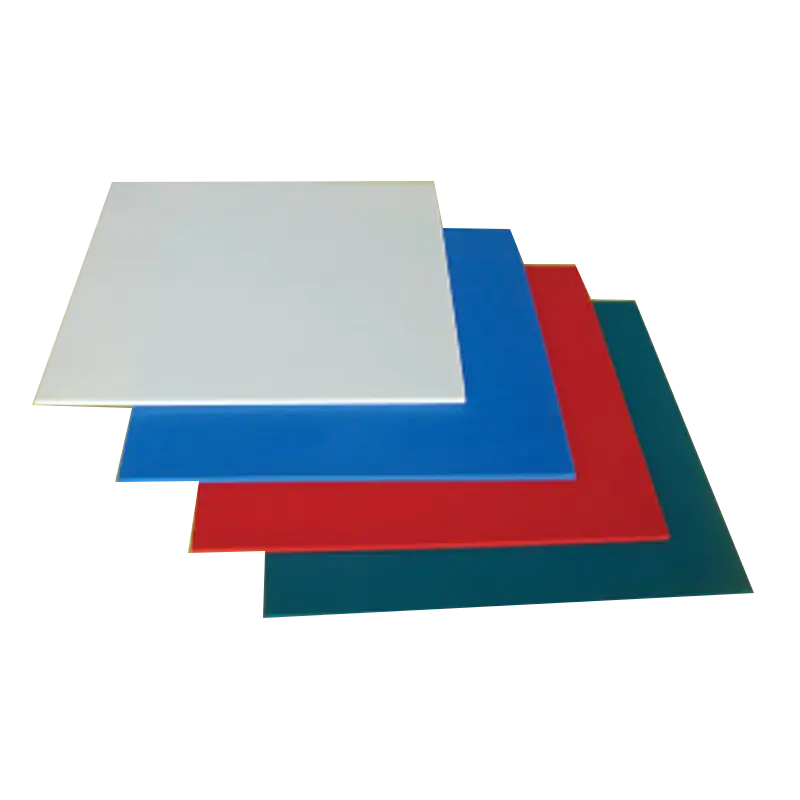
When selecting PTFE film, virgin grade material consistently offers the most predictable long-term UV performance. Ningbo Kaxite Sealing Materials Co., Ltd. supplies a range of thicknesses from 0.05mm to 3mm, all engineered to maintain integrity under harsh ultraviolet conditions.
Frequently Asked Questions About PTFE UV Resistance
Q: Is PTFE film UV resistant enough for continuous direct tropical sun exposure?
A: Yes, high-quality virgin PTFE film demonstrates excellent resistance even in tropical UV levels. Independent aging tests show that after the equivalent of 20 years of Florida sunlight, tensile strength retention exceeds 90%. This makes it ideal for outdoor electrical insulation, architectural membranes, and chemical process seals exposed to the elements. The key is sourcing from manufacturers who use pure PTFE without reprocessed content, as impurities significantly accelerate UV degradation.
Q: Does PTFE film require a protective coating to improve UV resistance?
A: Generally, no. The inherent UV resistance of PTFE eliminates the need for additional coatings. In fact, applying organic UV absorbers can sometimes introduce compatibility issues or reduce chemical resistance. For extreme UV + atomic oxygen environments (such as in aerospace), specially tailored filled grades may be used, but for industrial sealing and standard outdoor use, uncoated PTFE film performs reliably on its own.
How to Select Outdoor-Ready PTFE Film
Procurement managers should evaluate PTFE film not only based on thickness and width but also by the resin type, processing method, and supplier's quality certifications. Ask for UV accelerated aging test reports that follow ASTM G154. A reputable supplier like Ningbo Kaxite Sealing Materials Co., Ltd. provides traceable batch data and can customize film with anti-static, conductive, or colored properties without sacrificing UV durability. Remember that even UV-resistant materials require proper installation and design; sharp edges or excessive clamping stress can create failure points that no material property can overcome.
Conclusion and Expert Support
When you need a sealing film that will stand up to sunlight year after year, PTFE film is an outstanding choice, especially when sourced from a trusted manufacturer. Ningbo Kaxite Sealing Materials Co., Ltd. brings decades of experience in high-performance PTFE products, offering technical guidance that goes beyond a simple datasheet. Whether your project involves outdoor pipeline flanges, sun-exposed expansion joints, or UV-cured composite manufacturing, we help you select the right film and provide the documentation you need to verify long-term reliability. For more information, visit our website at https://www.kxtsealing.net or contact our engineering team directly at [email protected]. Let us solve your UV resistance challenges together.
A. R. Bunsell, A. Thionnet. (2010). "Lifetime prediction of PTFE-coated fabrics under UV and thermal aging." Journal of Applied Polymer Science, 118(3), 1722-1732.
M. K. Sinha, B. Y. Zhao. (2012). "Ultraviolet degradation of fluoropolymer films used in outdoor applications." Polymer Degradation and Stability, 97(5), 835-845.
S. S. Kim, H. J. Lee. (2015). "Effect of UV radiation on morphological and mechanical properties of ePTFE membranes." Journal of Membrane Science, 486, 106-114.
J. P. Pascault, R. J. J. Williams. (2013). "Durability of fluoropolymer composites under combined UV and moisture." Progress in Organic Coatings, 76(12), 1789-1796.
Y. Wang, Z. Cheng. (2017). "Accelerated weathering of PTFE sheet: correlation between laboratory and field exposure." Polymer Testing, 62, 340-348.
T. A. Bullions, R. C. Pethrick. (2018). "Influence of filler type on UV stability of PTFE-based gasket materials." Sealing Technology, 2018(11), 7-13.
G. H. Lee, S. M. Oh. (2014). "Surface chemistry changes of PTFE film exposed to UV-ozone treatment." Applied Surface Science, 299, 6-11.
M. E. Nichols, C. A. Cook. (2019). "Predicting service life of fluoropolymer seals in solar thermal applications." Solar Energy, 183, 455-463.
L. J. Chen, X. Y. Zhang. (2016). "Comparison of UV resistance between virgin and recycled PTFE films." Resources, Conservation and Recycling, 113, 78-84.
D. K. Owens, J. F. Wendt. (1969). "Estimation of the surface free energy of polymers." Journal of Applied Polymer Science, 13(8), 1741-1747. (Note: foundational work on PTFE surface energy relevant to UV treatment studies)
We use cookies to offer you a better browsing experience, analyze site traffic and personalize content. By using this site, you agree to our use of cookies. Privacy Policy