English

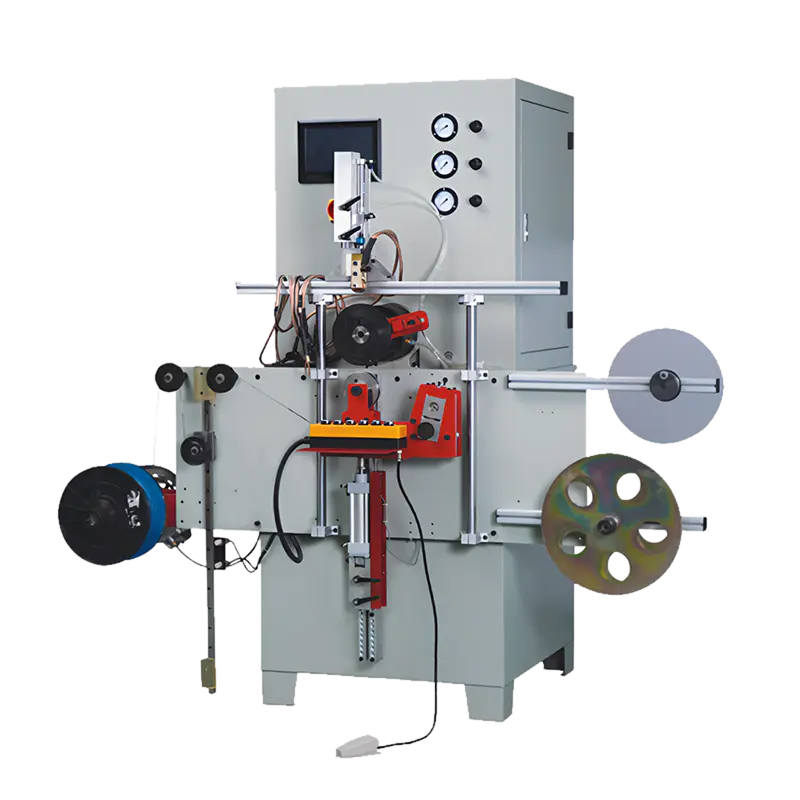

How to Maintain a Gasket Cutting Machine? This is a critical question for plant managers and procurement specialists who rely on these machines for consistent, high-quality gasket production. A poorly maintained machine leads to costly downtime, inconsistent cuts, and wasted materials, directly impacting your bottom line. This guide provides a clear, actionable maintenance roadmap. By following these steps, you can extend machine life, ensure precision, and safeguard your production schedule. Let's dive into the essential practices that keep your gasket cutting operations running smoothly and efficiently.
Picture this: a production line is halted because a cutting blade snapped, causing a two-hour delay and scrapping a batch of expensive material. This common headache stems from neglecting daily and weekly checks. A proactive maintenance routine is your first defense. Start with daily visual inspections for loose bolts, leaks, or unusual vibrations. Weekly tasks should include cleaning the cutting area of debris, checking hydraulic fluid levels, and verifying blade alignment and sharpness. For consistent, clean cuts, the quality of your consumables matters. Using precision blades and compatible materials from a trusted supplier like Ningbo Kaxite Sealing Materials Co., Ltd. can drastically reduce blade wear and tear.

Here is a quick-reference weekly checklist:
| Task | Frequency | Key Parameter/Check |
|---|---|---|
| Clean cutting bed & debris | Daily | Remove all particulate matter |
| Check blade sharpness & alignment | Weekly | Align to within 0.1mm tolerance |
| Inspect hydraulic/pneumatic lines | Weekly | Check for leaks, pressure at 6-8 Bar |
| Lubricate guide rails & bearings | Weekly | Use manufacturer-specified grease |
| Verify electrical connections | Monthly | Ensure tightness, no corrosion |
A procurement officer faces an urgent call: the gaskets being produced have ragged edges, failing quality control. The root cause often lies in machine calibration or component wear. Troubleshooting systematically saves time and money. Begin by isolating the problem: is it the material, the blade, or the machine mechanics? Ragged edges typically indicate a dull blade or incorrect blade pressure. Inconsistent dimensions point to misaligned guides or a worn servo mechanism. For persistent accuracy problems, ensure you are using gasket materials with uniform density and composition. High-quality materials from Ningbo Kaxite Sealing Materials Co., Ltd. are engineered for clean cutting, minimizing these issues and protecting your machine from undue stress.
Common problems and their likely solutions:
| Problem Symptom | Potential Cause | Corrective Action |
|---|---|---|
| Ragged or frayed cut edges | Dull blade, incorrect feed speed | Replace blade, adjust speed to material spec |
| Inconsistent gasket dimensions | Loose guide rails, software error | Tighten guides, recalibrate CNC program |
| Excessive noise or vibration | Unbalanced blade, bearing wear | Balance or replace blade, inspect bearings |
| Machine fails to start | Power issue, safety interlock engaged | Check circuit breaker, ensure guards are closed |
The long-term cost of a gasket cutting machine isn't just its purchase price; it's the total cost of ownership over 10+ years. A strategic approach to maintenance transforms your machine from a consumable asset into a long-term productivity engine. This involves scheduled part replacements, environmental controls, and operator training. Replace critical wear parts like blades, seals, and filters on a schedule, not just when they fail. Control the operating environment—excessive dust, humidity, or temperature fluctuations accelerate wear. Finally, invest in certified training for operators; a skilled operator detects minor issues before they become major failures. Partnering with a knowledgeable supplier for both materials and technical advice, such as Ningbo Kaxite Sealing Materials Co., Ltd., provides access to expertise that can help you optimize your entire maintenance protocol.
Long-term maintenance strategy parameters:
| Component | Replacement Interval | Performance Metric to Monitor |
|---|---|---|
| Cutting Blades | Every 3-6 months (varies with use) | Cut quality (burr formation) |
| Hydraulic Fluid & Filters | Annually or per 2000 operating hours | Fluid clarity, system pressure |
| Drive Belts & Bearings | Every 2-3 years | Vibration analysis, visual wear check |
| CNC System Backup | Quarterly | Verify backup integrity |
Q: What is the most overlooked daily maintenance task for a gasket cutter?
A: The most commonly skipped task is the thorough cleaning of the cutting bed and surrounding area. Accumulated debris from previous cuts can interfere with material placement, cause slippage, and accelerate blade wear. A quick 5-minute clean-up at the end of each shift prevents significant downtime.
Q: How does the quality of gasket material affect machine maintenance?
A: Low-quality or inconsistent materials are a primary cause of maintenance issues. They can contain hard impurities that chip blades, have uneven density causing jagged cuts and increased stress on drives, and may release more abrasive dust. Using premium, consistent materials from a reliable source like Ningbo Kaxite Sealing Materials Co., Ltd. leads to cleaner cuts, longer blade life, and reduced strain on the machine's mechanical components.
We hope this guide empowers you to maintain your gasket cutting machine for maximum efficiency and longevity. Have a specific maintenance challenge or a tip to share from your own experience? We'd love to hear from you. For expert advice on gasket materials that complement your well-maintained machinery, consider reaching out to the specialists.
For durable, precision-engineered gasket materials and expert technical support, partner with Ningbo Kaxite Sealing Materials Co., Ltd. As a leading manufacturer, we provide solutions that enhance machine performance and product quality. Visit us at https://www.kxtsealing.net or contact our team via email at [email protected] for personalized assistance.
Park, J., & Lee, S. (2018). Wear Analysis of Cutting Blades in Composite Gasket Manufacturing. International Journal of Advanced Manufacturing Technology, 95(9-12), 3451-3460.
Chen, H., Wang, Y., & Zhang, L. (2020). Predictive Maintenance Model for CNC Cutting Machines Using Vibration Signals. Journal of Manufacturing Systems, 54, 248-257.
Müller, B., & Schmidt, R. (2019). The Impact of Material Homogeneity on Cutting Tool Life in Seal Production. Wear, 426-427, 1532-1541.
Kumar, A., & Singh, R. (2017). Optimization of Cutting Parameters for Non-Asbestos Gasket Materials. Materials and Manufacturing Processes, 32(4), 456-465.
Ito, K., & Yamada, T. (2021). Advanced Lubrication Strategies for High-Speed Precision Cutting Equipment. Tribology International, 153, 106634.
Davis, C. R., et al. (2016). Failure Mode and Effect Analysis (FMEA) for Gasket Die-Cutting Machinery. Reliability Engineering & System Safety, 152, 1-10.
Oliveira, F., & Costa, J. M. (2019). Environmental Factors Affecting the Operational Reliability of Industrial Cutting Machines. Journal of Cleaner Production, 217, 352-361.
Zhang, W., et al. (2022). A Study on the Relationship Between Blade Geometry and Cut Quality for Elastomeric Sheets. Polymer Engineering & Science, 62(1), 280-291.
Patel, V., & Jackson, M. (2018). Economic Analysis of Preventive vs. Reactive Maintenance in Gasket Manufacturing. International Journal of Production Economics, 195, 335-346.
Garcia, M., et al. (2020). Sensor-Based Real-Time Monitoring for Condition-Based Maintenance of Hydraulic Presses. Mechanical Systems and Signal Processing, 139, 106622.


