English

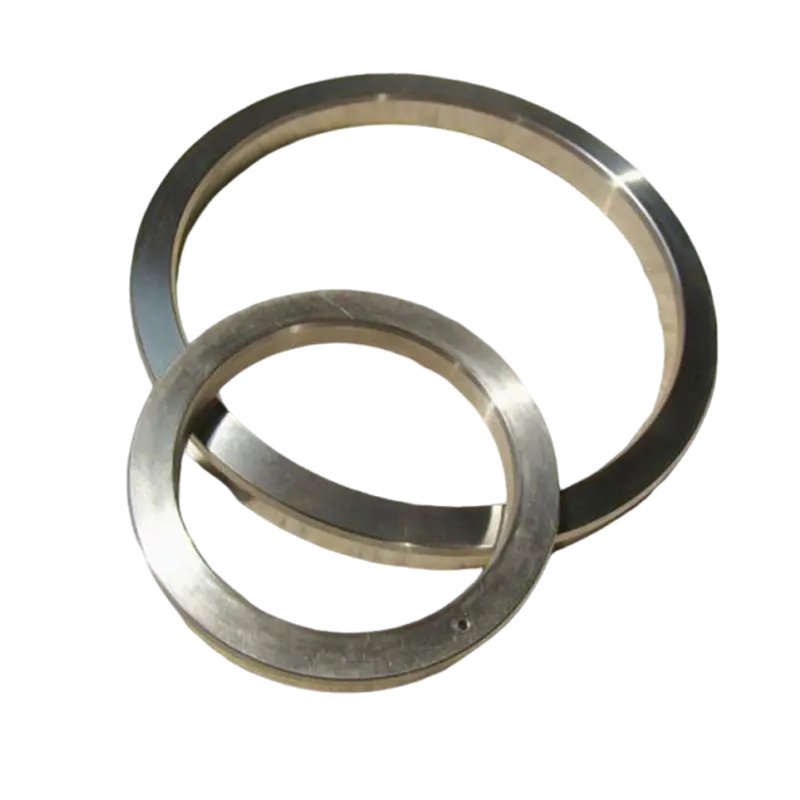
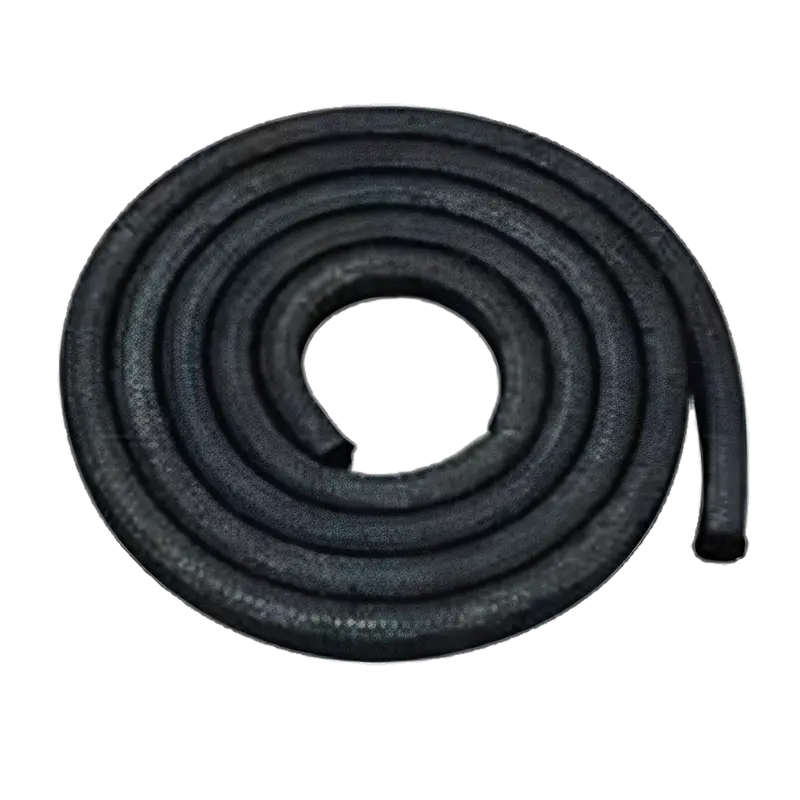
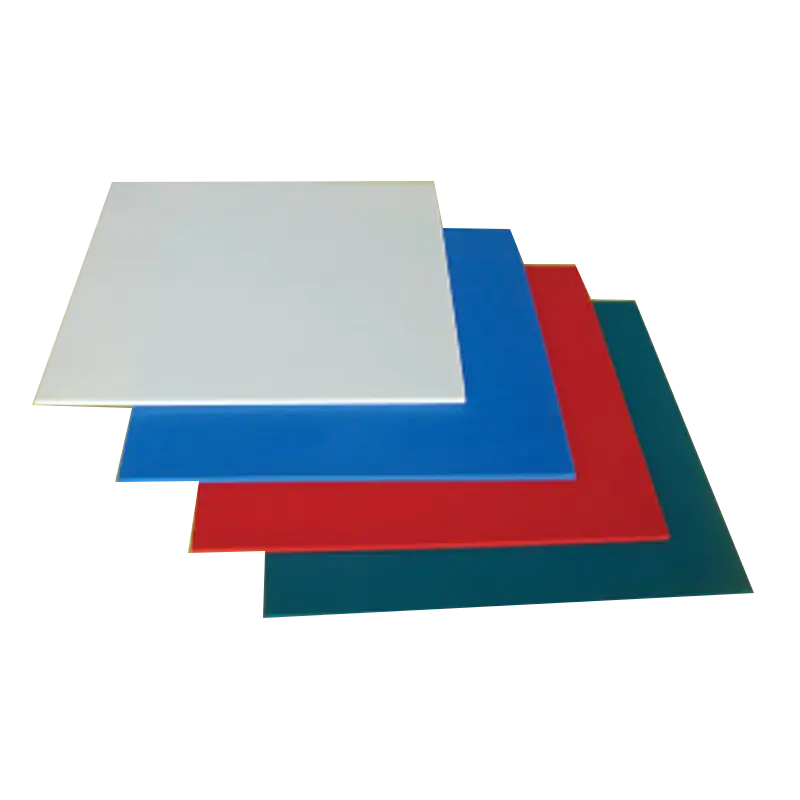
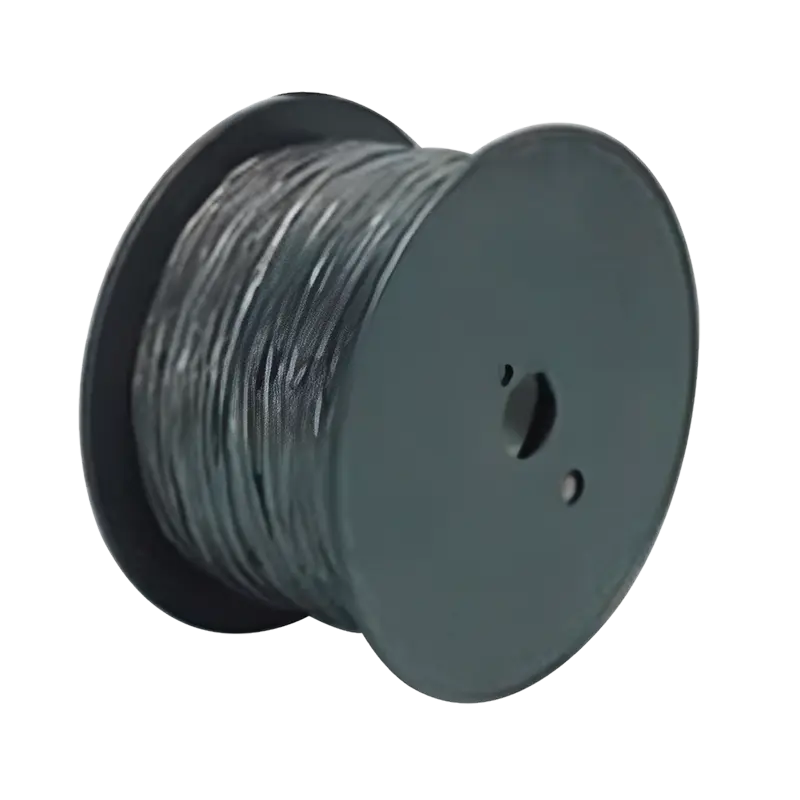
What is the difference between PTFE and Teflon parts? This question surfaces in almost every procurement conversation, yet the answer lies deeper than a simple brand-versus-generic comparison. Polytetrafluoroethylene (PTFE) is the high‑performance fluoropolymer with exceptional chemical resistance and a low coefficient of friction. Teflon™ is merely the Chemours trademark for a family of PTFE‑based products. The real difference in parts sourced by industrial buyers comes down to resin grade, filler composition, processing precision, and quality control. Imagine a seal that fails midway through a chemical batch run because the sintered PTFE contained micro‑voids – the raw material may have been labelled Teflon™, but the manufacturing fell short. That’s where Ningbo Kaxite Sealing Materials Co., Ltd. steps in. We eliminate guesswork by supplying PTFE components engineered from certified resins with rigorous dimensional control, helping you avoid downtime, compliance risks, and reputational damage.
When a specification sheet reads “Teflon parts,” many buyers assume a premium product is guaranteed. In reality, the Teflon™ trademark only indicates the polymer brand, not the final part quality. Unscrupulous suppliers often repackage generic PTFE stock shapes under a well‑known name. The real differentiator is the raw PTFE grade: virgin unfilled, glass‑filled, carbon‑filled, or bronze‑filled. Each behaves differently under load, temperature, and chemical exposure. A glass‑filled PTFE valve seat may handle 260°C continuous service, while a poorly compacted virgin PTFE gasket could cold‑flow under flange pressure. Ningbo Kaxite decouples branding from performance by certifying every batch against ASTM D1710 and D4894, so you receive parts that match your equipment’s exacting needs.

Your operation might have experienced it: a newly installed “Teflon” diaphragm degrades after two weeks in 98% sulfuric acid. Corrosion coupons show no issue with the acid, yet the part was visibly attacked. The culprit was recycled PTFE filler that introduced contaminant particles. Only by tracing the polymer’s origin and processing pedigree can such failures be prevented. We recommend always requesting a mill test report and performing a simple density check (virgin PTFE: ≈2.15 g/cm³, modified grades vary) before bulk acceptance.
Scenario A: Heat Exchanger Flange Leaks
A chemical plant operator signs off on “Teflon” envelope gaskets for a toluene reboiler. Within seven startup cycles, brown seepage appears. The root cause? The envelope filler was sintered at insufficient time, creating porosity that wicked process fluid. The solution is to switch to a fully sintered, stress‑relieved PTFE sheet with proven helium leak‑tightness – exactly the material Ningbo Kaxite supplies under EN 13555 leakage class L0.01.
Scenario B: Dynamic Lip Seal Grooving
Maintenance teams report frequent shaft wear on centrifugal pumps after replacing OEM seals with generic “virgin PTFE” parts. The issue lies not in the polymer but in the absence of wear‑resistant fillers. A 15% graphite‑filled PTFE lip seal reduces friction‑induced heat and extends service life threefold. Our engineering team helps you select the filler type and loading percentage through a simple application questionnaire.
A: Chemically, both share near‑universal resistance except to molten alkali metals and certain fluorinating agents. However, “Teflon” parts might contain fillers that affect chemical resistance. Ningbo Kaxite provides explicit chemical compatibility charts for each compound, allowing you to cross‑check with your process media before placing a purchase order.
| Property | Virgin PTFE | 25% Glass‑Filled PTFE | 25% Carbon‑Filled PTFE |
|---|---|---|---|
| Tensile Strength (MPa) | 20 – 35 | 15 – 25 | 15 – 22 |
| Compressive Strength at 1% Deformation (MPa) | 4 – 8 | 25 – 35 | 30 – 40 |
| Thermal Conductivity (W/m·K) | 0.25 | 0.45 | 0.65 |
| Wear Factor (K, 10⁻¹⁰ in³·min/ft·lb·hr) | 5,000 – 20,000 | 150 – 400 | 80 – 200 |
| Suitable for Aggressive Oxidizers? | Yes, with caution | Not recommended | Not recommended |
Procurement teams often ask us: “What is the difference between PTFE and Teflon parts in price?” The answer lies in this table. A carbon‑filled PTFE bushing from Ningbo Kaxite may cost 20‑30% more than virgin stock but delivers ten times the wear life, dramatically reducing total cost of ownership. Our quoting process always presents total lifecycle economics, not just piece price.
Look beyond the “Teflon” label. A premium PTFE part should arrive with a certificate of conformance stating resin type, filler percentage, and sintering protocol. Additionally, machining marks should be smooth (Ra ≤ 0.8 µm for sealing faces), and no discoloration from overheating should be visible. Ningbo Kaxite uses CNC turning centers with cryogenic cooling to hold tolerance within ±0.03 mm, ensuring interchangeability across international OEM standards.
A: Dimensional interchange alone is risky. Without knowing the original filler and curing history, the replacement might extrude or lose resilience. Our application engineers at Ningbo Kaxite can reverse‑engineer a failed sample, analyze the filler content via TGA, and recommend a drop‑in PTFE part that matches or exceeds the original performance.
From food‑grade PTFE gaskets compliant with FDA 21 CFR 177.1550 to high‑pressure backup rings reinforced with Ekonol, Ningbo Kaxite Sealing Materials Co., Ltd. covers the full spectrum. We help you answer “What is the difference between PTFE and Teflon parts?” not with marketing slogans, but with traceable material data and on‑time deliveries. Our in‑house mold shop accelerates custom designs, and our ISO 9001‑certified QA process inspects every shipment. Experience the peace of mind that comes from a supply partner who speaks your language of reliability and cost control.
Still unsure which PTFE grade fits your application? Describe your operating conditions — temperature, pressure, media — and we’ll return a technical proposal within 24 hours. The right choice between budget‑priced Teflon‑named parts and performance‑verified PTFE components can mean the difference between a six‑month maintenance interval and six years. Let Ningbo Kaxite Sealing Materials Co., Ltd. guide that decision. Reach out via https://www.kxtsealing.net or email [email protected] to schedule a sample evaluation.
Ningbo Kaxite Sealing Materials Co., Ltd. is a specialized manufacturer of advanced PTFE sealing products with over 15 years of export experience. Our factory located in Ningbo, China, serves clients across Europe, North America, and Southeast Asia. We supply custom‑molded PTFE components, machined seals, and engineered plastics tailored to the chemical processing, oil & gas, and food machinery industries. Visit https://www.kxtsealing.net to download our latest catalog or send an inquiry to [email protected].
Li, J., 2020. Tribological properties of PTFE composites under extreme conditions. Wear, 452–453, pp. 203289.
Thomas, P.S., 2019. The effect of sintering cycles on PTFE crystallinity and mechanical properties. Polymer Testing, 78, pp. 105974.
Gao, Y., 2021. Comparative study of virgin and filled PTFE for chemical valve seats. Journal of Fluorine Chemistry, 246, pp. 109805.
Hirai, T., 2018. Friction and wear of graphite‑filled PTFE in reciprocating air compressors. Tribology International, 123, pp. 349–356.
Ebnesajjad, S., 2016. Expanded PTFE Applications Handbook. William Andrew Publishing, pp. 85–112.
Singh, R., 2022. Moisture absorption influence on PTFE gasket relaxation in bolted joints. International Journal of Pressure Vessels and Piping, 197, pp. 104632.
Meng, Q., 2020. Modeling cold flow of PTFE seals under cyclic thermal loading. Engineering Failure Analysis, 115, pp. 104659.
Zhang, X., 2017. Surface integrity of machined PTFE using cryogenic cooling. Procedia CIRP, 58, pp. 539–544.
Rae, P.J., 2019. The mechanical behaviour of PTFE at high strain rates. Polymer, 169, pp. 80–88.
Khedkar, J., 2021. Performance evaluation of PTFE lip seals in subsea applications. Ocean Engineering, 232, pp. 109142.


