English

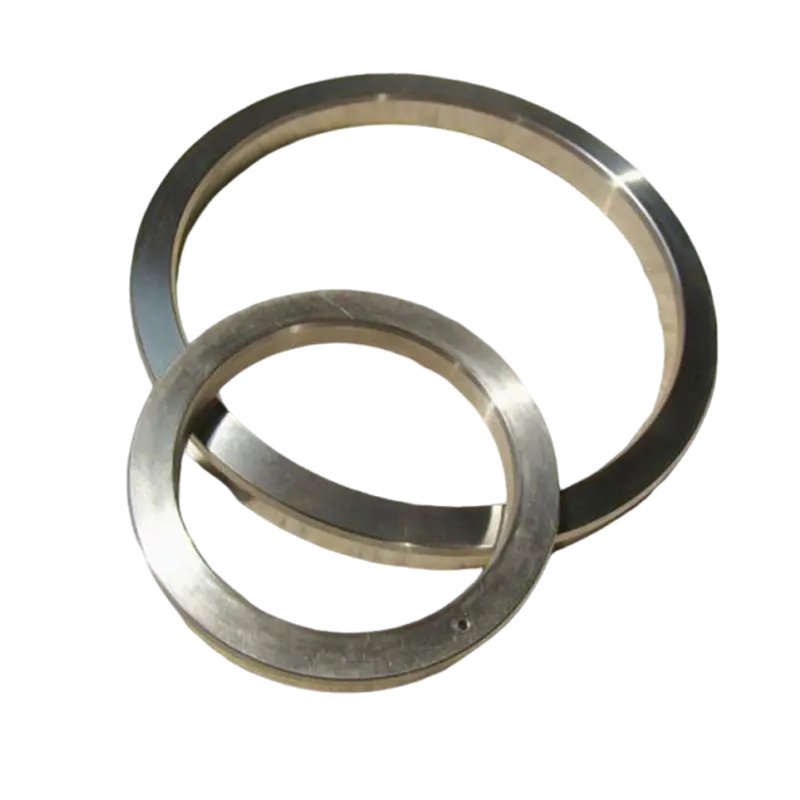
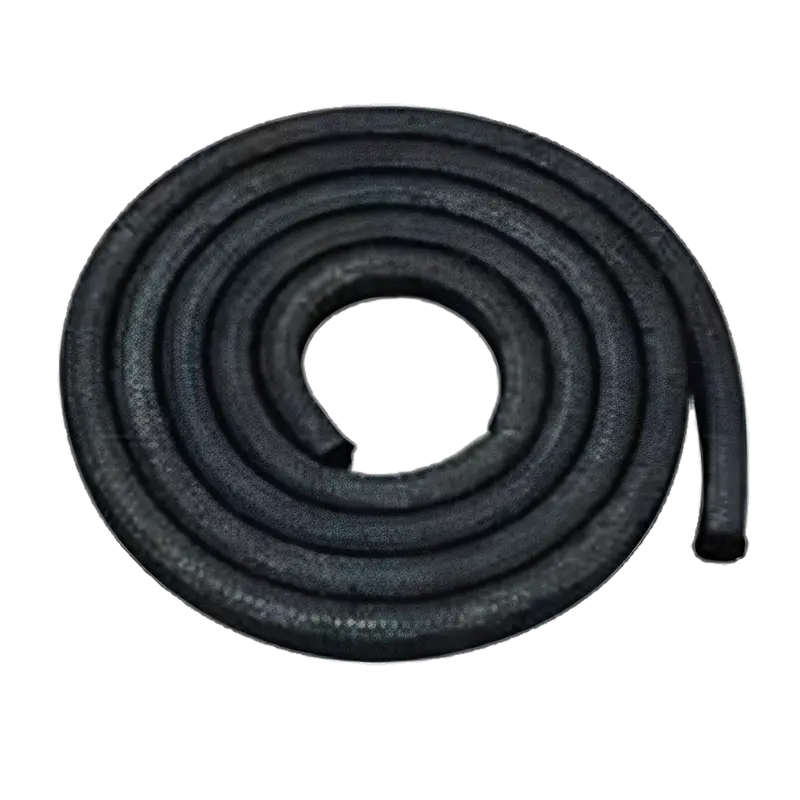
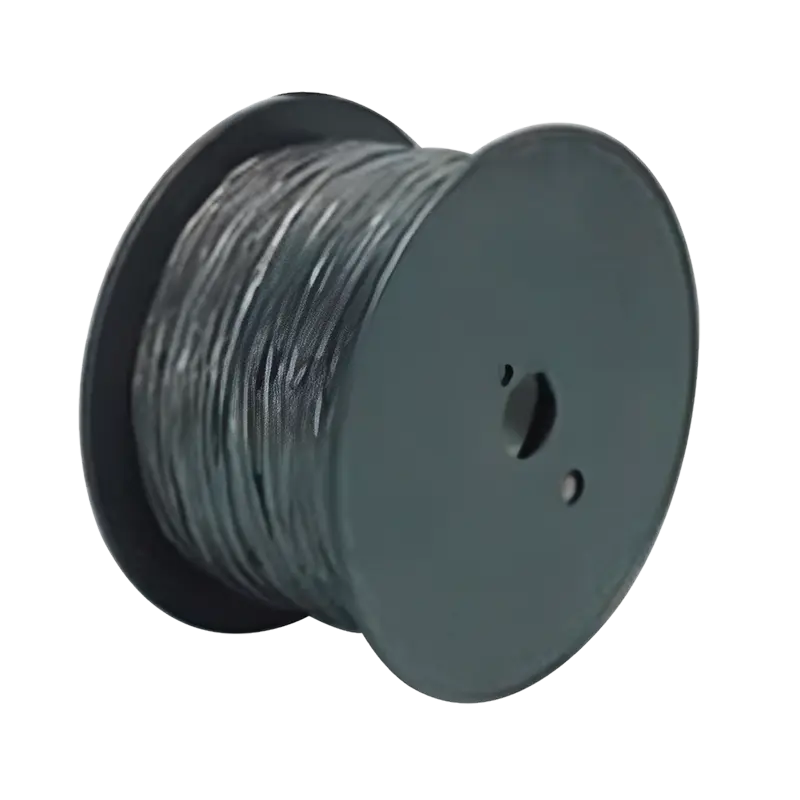
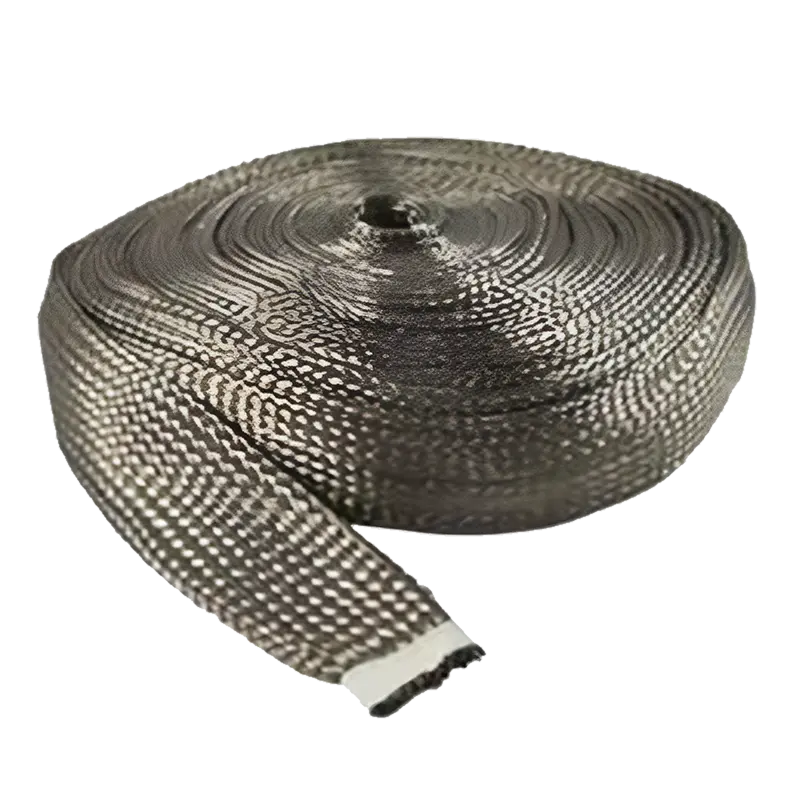
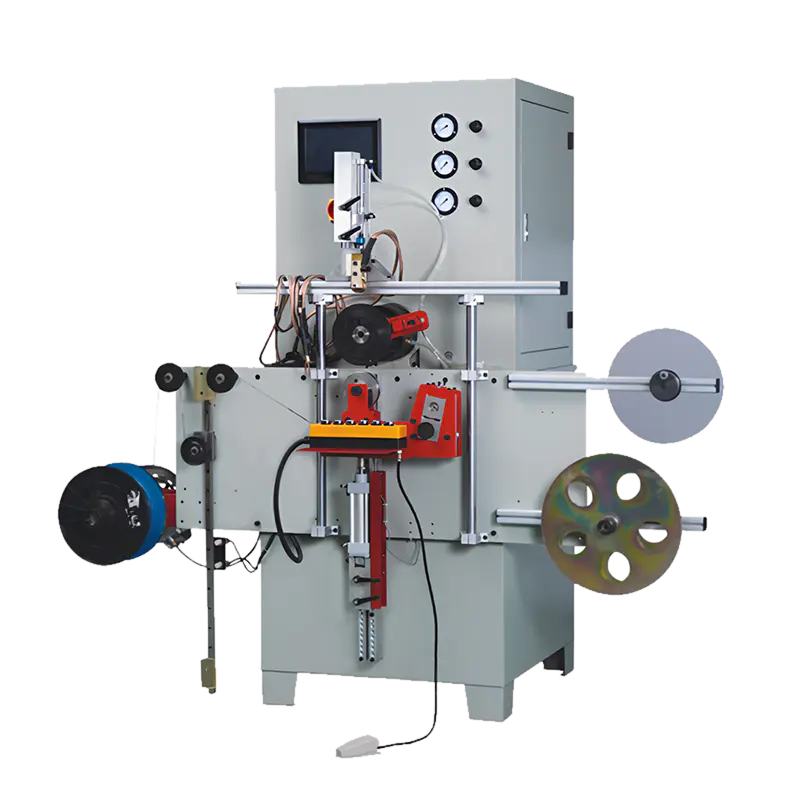

Aramid fiber packing is a high-performance sealing material engineered for demanding industrial applications. It is manufactured from synthetic aramid fibers, known for their exceptional strength, thermal stability, and resistance to abrasion and chemicals. This type of mechanical packing is designed to create a reliable seal in pumps, valves, mixers, and other rotary or reciprocating equipment, preventing leaks of process fluids, gases, and slurries. Unlike traditional packing materials like asbestos or flax, aramid fiber packing offers superior durability and a longer service life in harsh operating conditions, making it a cost-effective and reliable sealing solution for modern industry.
Kaxite aramid fiber packing is formulated to deliver unmatched performance. Our proprietary manufacturing process ensures consistent quality and optimal fiber orientation for maximum sealing efficiency.
To ensure you select the perfect packing for your application, below are the detailed technical parameters for our standard Kaxite Aramid Fiber Packing series. Custom formulations are also available upon request.
| Property / Grade | KAX-ARF Standard | KAX-ARF HT (High-Temp) | KAX-ARF CG (Chemical Grade) | Test Method |
|---|---|---|---|---|
| Fiber Core Material | Para-aramid | Meta/Para-aramid Blend | Para-aramid with Fluoropolymer | - |
| Impregnation / Lubricant | PTFE & Graphite | High-Purity Graphite | PTFE & Specialized Polymer | - |
| Density (g/cm³) | 1.25 - 1.35 | 1.30 - 1.40 | 1.20 - 1.30 | ASTM D3800 |
| Temperature Range (Continuous) | -100°C to +260°C | -70°C to +300°C | -100°C to +230°C | - |
| pH Range | 2 - 12 | 2 - 13 | 1 - 14 | - |
| Maximum Pressure (MPa) | 25 | 20 | 20 | - |
| Shaft Speed (m/s) | Up to 15 | Up to 12 | Up to 10 | - |
| Chemical Resistance | Excellent for hydrocarbons, steam, oils | Excellent for hot oils, solvents, steam | Superior for strong acids, alkalis, oxidizers | - |
| Standard Sizes (mm) | 3x3, 5x5, 6x6, 8x8, 10x10, 12x12, 1/4", 3/8", 1/2", 5/8", 3/4" | 3x3, 5x5, 6x6, 8x8, 10x10, 1/4", 3/8", 1/2" | 3x3, 5x5, 6x6, 8x8, 10x10, 1/4", 3/8", 1/2" | - |
Kaxite aramid packing is versatile and trusted across numerous industries due to its robust properties.
Proper installation is critical to achieving the full potential and service life of your aramid packing. Follow these key steps:
Q: What is the main difference between aramid fiber packing and graphite foil packing?
A: While both are high-performance, the core difference lies in the base material. Aramid fiber packing is braided from synthetic organic fibers, offering极高的 tensile strength, flexibility, and excellent resistance to abrasion and pulsation. Graphite foil packing is made from expanded graphite, offering superior thermal conductivity and conformability but can be more susceptible to abrasion in gritty services. Aramid is often chosen for dynamic applications with abrasive media, while graphite excels in high-temperature, non-abrasive static or slow-rotating seals.
Q: Can Kaxite aramid packing be used in food and pharmaceutical applications?
A: Our standard aramid packing grades are not specifically designed or certified for direct food or pharmaceutical contact. However, Kaxite can provide specialized FDA-compliant versions upon request, which use approved lubricants and processing agents. It is crucial to specify the requirement for food-grade or pharmaceutical-grade sealing when inquiring.
Q: How do I select the right grade of aramid packing for my specific service?
A: Selection depends on the primary service conditions. For general high-speed, high-pressure service with hot water, steam, or oils, the KAX-ARF Standard grade is ideal. For extreme temperatures exceeding 260°C, such as in superheated steam or hot oil transfer, choose the KAX-ARF HT grade. For aggressive chemical services with strong acids, alkalis, or oxidizing agents, the KAX-ARF CG chemical grade is specifically formulated for maximum chemical resistance. Always provide your supplier with full details: fluid media, concentration, temperature, pressure, shaft speed, and equipment type.
Q: What is the expected service life of aramid fiber packing?
A: Service life varies dramatically based on operating conditions, installation quality, and equipment condition. Under optimal conditions with proper installation and maintenance, Kaxite aramid packing can last from several months to over two years in continuous service. Factors that shorten life include excessive gland tension, misalignment, shaft runout, abrasive media, and temperatures beyond the recommended range. Regular monitoring and slight gland adjustments can significantly extend packing life.
Q: Does aramid fiber packing require a break-in period, and how should it be managed?
A: Yes, a proper break-in (run-in) period is essential for all braided packings, including aramid. After initial installation and hand-tightening, start the equipment and gradually tighten the gland in very small increments (about 1/6 of a turn at a time) at 10-15 minute intervals. The goal is to achieve a slight, controlled leakage (a few drops per minute) to lubricate and cool the packing. This process allows the packing to seat properly and form to the shaft. Rushing this process by overtightening will generate excessive heat, leading to premature packing failure and potential shaft damage.
Q: Can I mix aramid packing rings with rings from an old, different type of packing set?
A: It is strongly discouraged. Mixing different packing materials (e.g., aramid with graphite, PTFE, or asbestos) can lead to galvanic corrosion, differential thermal expansion, and uneven wear. This compromises the seal integrity and can cause accelerated failure. Always remove all old packing completely and install a full set of new, homogeneous rings from the same manufacturer and grade.
Q: How should unused Kaxite aramid packing be stored?
A: Store packing in its original packaging in a cool, dry, and dark environment away from direct sunlight, ozone sources (like electric motors), and excessive heat. Ideal storage temperature is between 10°C and 25°C (50°F to 77°F) with moderate humidity. Proper storage prevents the degradation of lubricants and ensures the packing performs as intended when put into service.


