English

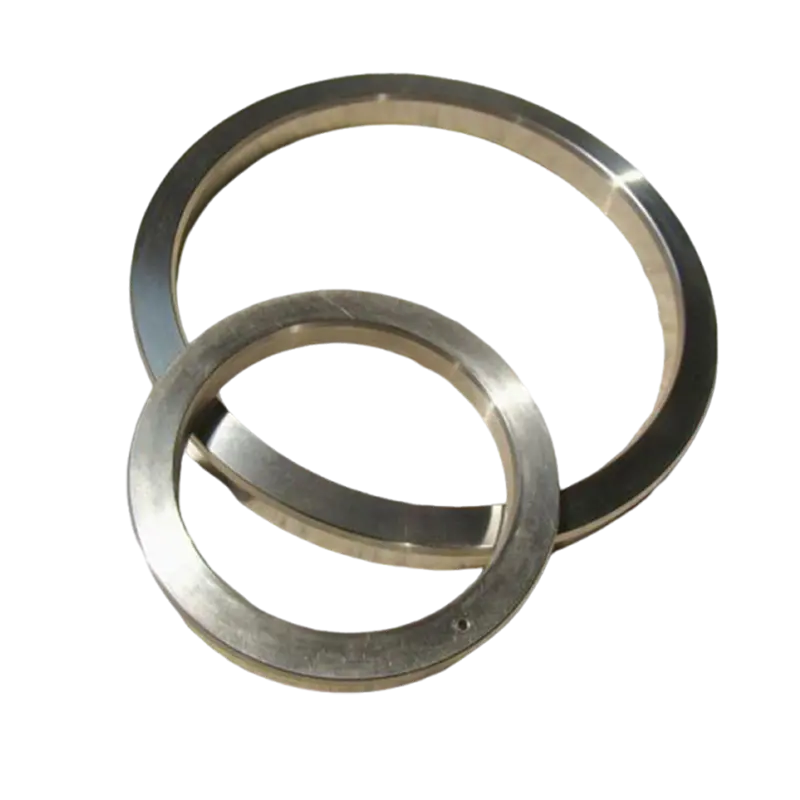
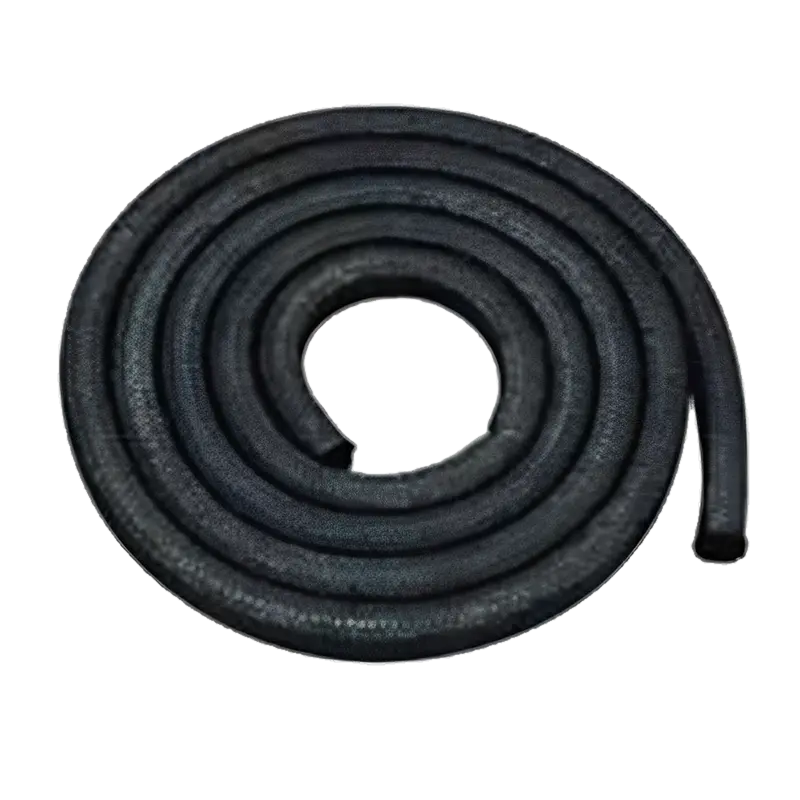
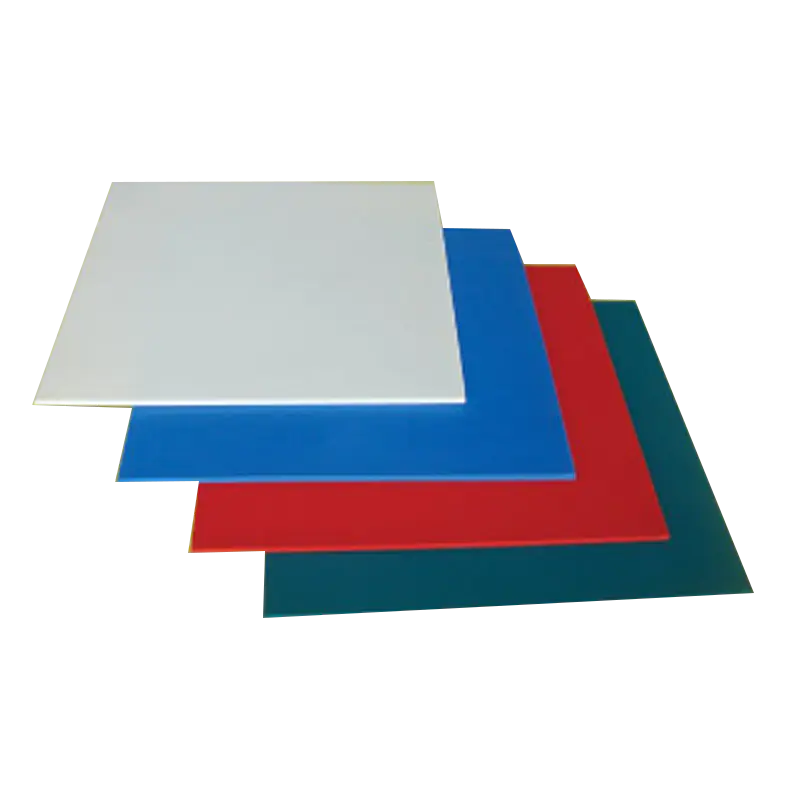
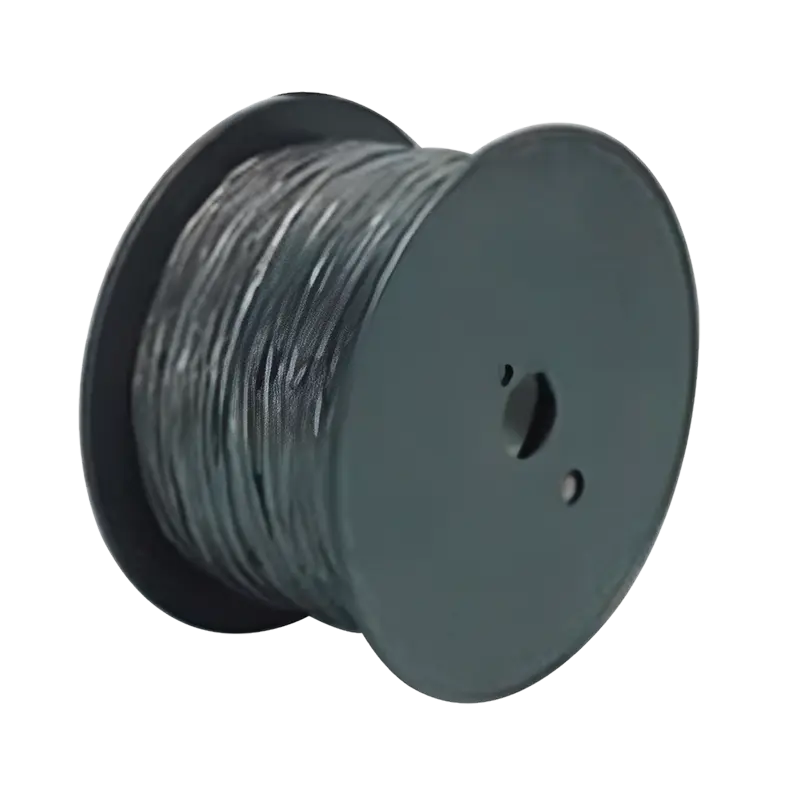
What are the differences between die-formed, molded, and flexible graphite rings? If you're a procurement specialist sourcing sealing solutions, this question isn't just technical—it's critical to project success and cost management. Choosing the wrong type can lead to leakage, downtime, and costly replacements. At Ningbo Kaxite Sealing Materials Co., Ltd., we simplify these complex decisions. This guide breaks down each type with clear, actionable insights to help you specify the perfect seal for your application, ensuring reliability and value.
Table of Contents:
Imagine a chemical processing plant. A pump seal fails unexpectedly, leading to a minor but hazardous leak. Production halts for 8 hours for emergency maintenance. The root cause? A standard molded graphite ring was used in a high-temperature, high-pressure application with thermal cycling, for which a more robust die-formed ring was required. The direct cost of the part is minimal, but the downtime, safety risks, and labor for replacement create losses thousands of times greater. This scenario highlights why understanding the differences between die-formed, molded, and flexible graphite rings is essential for procurement professionals. The right choice is not just a component purchase; it's an investment in operational continuity.
Die-formed rings are manufactured by compressing pure graphite foil between precision dies under extremely high pressure. This process aligns the graphite crystals, creating a seal with superior density, mechanical strength, and consistent dimensional accuracy. They are the go-to solution for demanding static sealing applications where reliability is non-negotiable.

Solution for High-Demand Applications: Ningbo Kaxite's die-formed rings solve problems in extreme environments. They maintain seal integrity under high temperatures, aggressive chemicals, and significant pressure fluctuations, preventing the costly failures described in our opening scenario.
| Key Parameter | Typical Range (Kaxite Spec) | Procurement Insight |
|---|---|---|
| Density | 1.8 - 2.0 g/cm³ | Higher density means better creep resistance and longevity. |
| Temperature Range | -200°C to 600°C (Inert Gas) | Ideal for heat exchangers, reactor flanges. |
| Pressure Rating | Up to 300 Bar | Specify for high-pressure piping and vessel seals. |
| Standard Shapes | V-Rings, Self-energizing, Metallic Jacketed | Ask for CAD drawings to ensure perfect fit. |
Molded rings are created by mixing graphite powder with a binder and forming it in a mold under heat and pressure. This cost-effective process produces seals with good general-purpose performance. However, the presence of binders can limit their temperature and chemical resistance compared to pure graphite products.
Solution for Standard Applications: For non-critical, low-to-medium duty applications where cost is a primary driver, molded rings from a reliable supplier like Ningbo Kaxite offer a balanced performance. They are suitable for water, steam, and mild chemical services in standard flange connections.
| Key Parameter | Typical Range (Kaxite Spec) | Procurement Insight |
|---|---|---|
| Density | 1.5 - 1.7 g/cm³ | Lower density than die-formed; adequate for many static seals. |
| Temperature Range | -50°C to 450°C (In Air) | Mind the binder's oxidation limit in air. |
| Chemical Resistance | Good for most bases, acids, solvents | Verify binder compatibility with specific process media. |
| Cost Factor | Most Economical Option | Ideal for large-volume, standard spec purchases. |
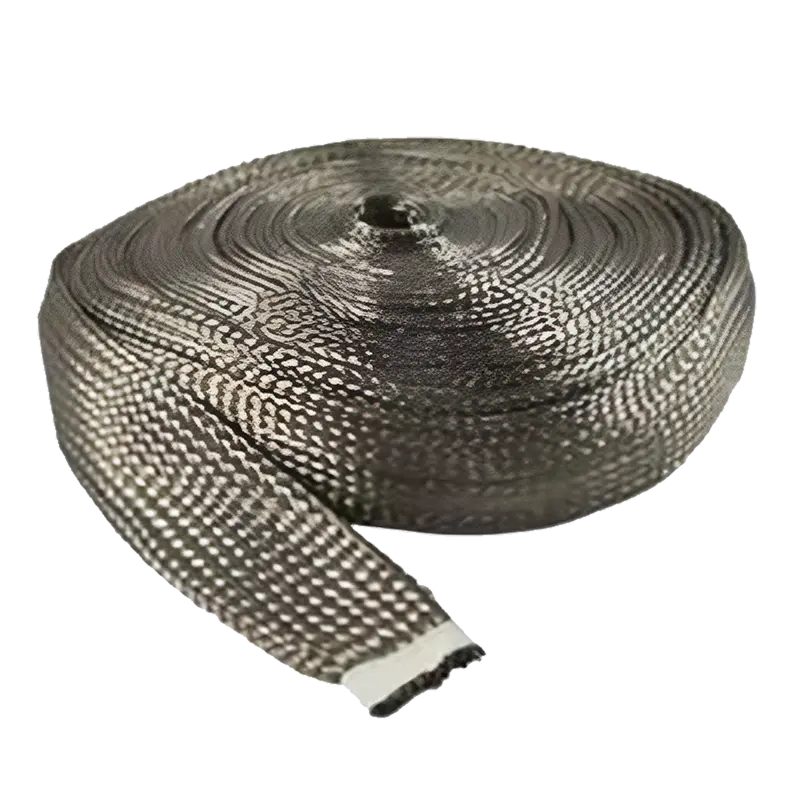
Flexible graphite rings, often called graphite foil rings or spiral-wound gaskets with graphite filler, are made from exfoliated graphite ribbon wound into a ring or from die-cut graphite foil sheets. They offer excellent conformability, sealing irregular surfaces easily, and have superb thermal conductivity.
Solution for Irregular Surfaces & Thermal Management: When dealing with flange faces that have light scratches or imperfections, flexible graphite rings from Ningbo Kaxite provide an effective seal. They are also perfect for heat sinks and other applications requiring both sealing and thermal transfer.
| Key Parameter | Typical Range (Kaxite Spec) | Procurement Insight |
|---|---|---|
| Compressibility | High (40-60%) | Excellent for low bolt load applications or flawed surfaces. |
| Thermal Conductivity | High (W/m·K) | Specify for applications needing heat dissipation. |
| Temperature Range | -200°C to 3000°C (Inert/Reducing) | Unbeatable in inert atmospheres; oxidizes in air above ~450°C. |
| Forms | Die-cut, Spiral Wound, Laminate with Metal | Consider corrugated or metal-inserted for better handling. |
Making the final decision requires a direct comparison. Here’s how the three types stack up across key procurement criteria.
| Feature | Die-formed | Molded | Flexible |
|---|---|---|---|
| Primary Strength | Mechanical Strength & Density | Cost-Effectiveness | Conformability & Thermal Conductivity |
| Best For | High-Pressure/Temp, Critical Seals | General Purpose, Low-Cost Projects | Irregular Surfaces, Thermal Apps, Low Load |
| Temperature Limit (in air) | ~600°C | ~450°C | ~450°C (Higher in inert gas) |
| Creep Resistance | Excellent | Good | Fair to Good (depends on form) |
| Relative Cost | High | Low | Medium |
| Kaxite's Value Add | Precision engineering for zero-failure tolerance. | Reliable, consistent quality for budget-conscious projects. | Superior foil quality ensuring even density and sealing. |
Q: What are the differences between die-formed, molded, and flexible graphite rings in terms of lead time and customization?
A: Lead times and customization capabilities vary significantly. Die-formed rings, due to their precision tooling, may have longer initial lead times but offer excellent consistency and can be custom-engineered for complex geometries. Molded rings typically have the shortest lead time for standard sizes but limited custom shapes. Flexible graphite rings, especially die-cut forms, offer very fast turnaround for custom sizes and shapes, making them ideal for prototyping or non-standard flanges. At Ningbo Kaxite Sealing Materials Co., Ltd., we maintain inventory of common molded and flexible sizes and have efficient processes for custom die-formed parts to minimize your downtime.
Q: What are the differences between die-formed, molded, and flexible graphite rings when it comes to sealing oxidizing atmospheres?
A: This is a crucial differentiator. In air or oxidizing environments, temperature limits are primarily set by the oxidation rate of graphite. Molded rings often have organic binders that degrade first, limiting them to ~450°C. Pure die-formed and flexible rings can withstand short-term exposure up to 500-600°C in air, but long-term use above 450°C requires careful evaluation. For truly high-temperature oxidizing service, all-pure-graphite types benefit from or require special oxidation-inhibitive treatments. Kaxite offers such treated grades to extend service life and reliability in these challenging conditions.
Navigating the differences between die-formed, molded, and flexible graphite rings is simpler with an expert partner. Your choice directly impacts plant safety, efficiency, and total cost of ownership. Did this guide help clarify your sealing specification process? What challenges are you currently facing in your procurement projects? Share your thoughts or questions below.
For over two decades, Ningbo Kaxite Sealing Materials Co., Ltd. has been a global leader in providing high-performance graphite sealing solutions. We empower procurement professionals with the technical expertise and reliable products needed to solve complex sealing challenges, from standard molded rings to custom-engineered die-formed seals. Visit our website at https://www.kxtsealing.net to explore our full product catalog and technical resources. For a direct consultation on your specific application, contact our sealing experts at [email protected].
Bhatia, M.R., & Sharma, S.C. (2018). A Study on the Mechanical and Sealing Performance of Die-Compressed Graphite Gaskets. International Journal of Pressure Vessels and Piping, 168, 258-267.
Chen, L., Wang, F., & Zhang, G. (2020). The Influence of Molding Process Parameters on the Microstructure and Properties of Graphite Sealing Rings. Materials & Design, 195, 108976.
Fleischmann, E., & Bauer, W. (2015). High-Temperature Behavior of Flexible Graphite and Its Suitability as a Sealant. Sealing Technology, 2015(11), 7-12.
Gupta, A., & Patel, R.K. (2019). Comparative Analysis of Creep Relaxation in Molded vs. Die-formed Graphite Gaskets for Flanged Connections. Journal of Materials Engineering and Performance, 28(9), 5420-5430.
Kato, Y., & Sawa, T. (2016). The Effect of Density and Anisotropy on the Thermal Conductivity of Flexible Graphite Sheets. Journal of Materials Science, 51(4), 1993-2000.
Lee, J.H., Kim, D.W., & Park, S.J. (2021). Development of Oxidation-Resistant Graphite Composites for High-Temperature Sealing Applications. Carbon Letters, 31, 115-124.
Müller, H., & Schmidt, P. (2017). Sealability of Corrugated Flexible Graphite Rings under Low Bolt Load Conditions. Proceedings of the Institution of Mechanical Engineers, Part J: Journal of Engineering Tribology, 231(5), 585-594.
Patil, S.S., & Deshmukh, S.P. (2022). A Review on Manufacturing Processes and Performance Characteristics of Industrial Graphite Gaskets. Materials Today: Proceedings, 56, Part 4, 2385-2392.
Singh, V., & Tiwari, A. (2019). Finite Element Analysis of Stress Distribution in Metallic Jacketed Graphite Gaskets under Combined Thermal and Mechanical Loading. Engineering Failure Analysis, 106, 104136.
Zhang, Q., Liu, H., & Zhao, Y. (2020). Experimental Investigation on the Chemical Compatibility of Flexible Graphite with Various Industrial Fluids. Chemical Engineering Research and Design, 160, 89-98.


