English

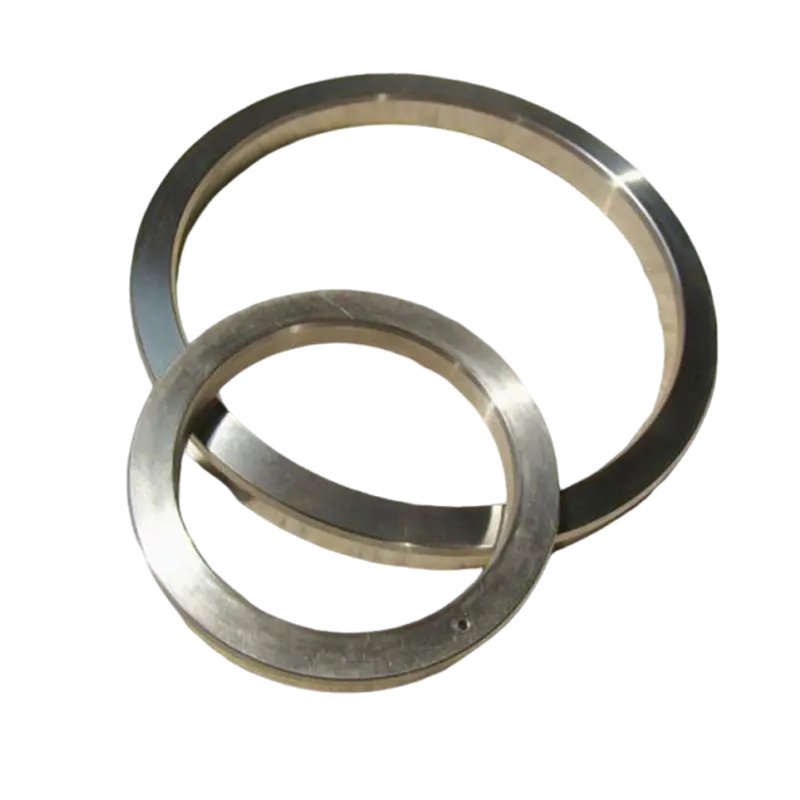
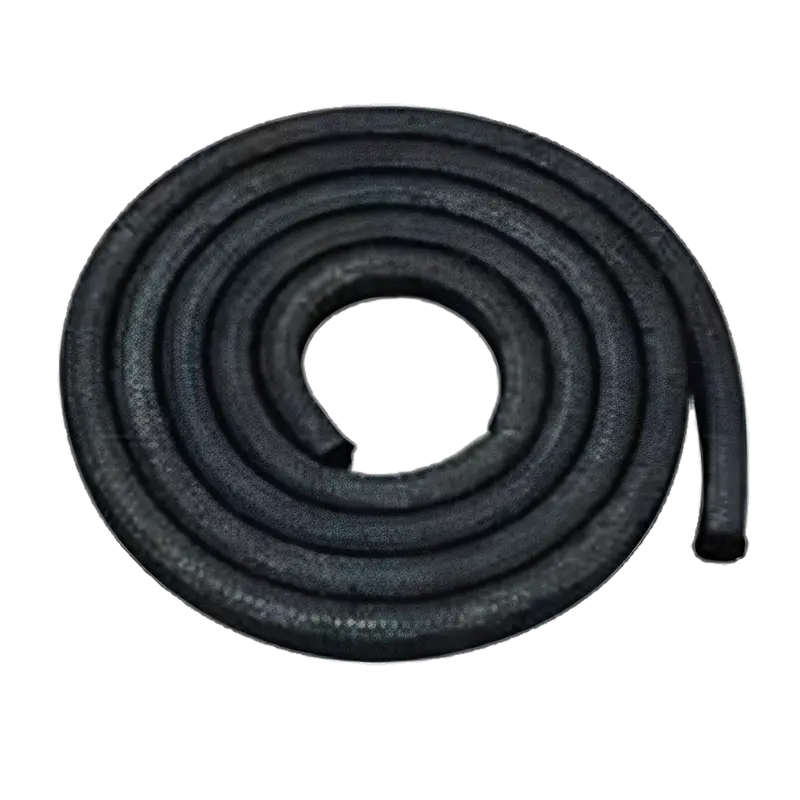
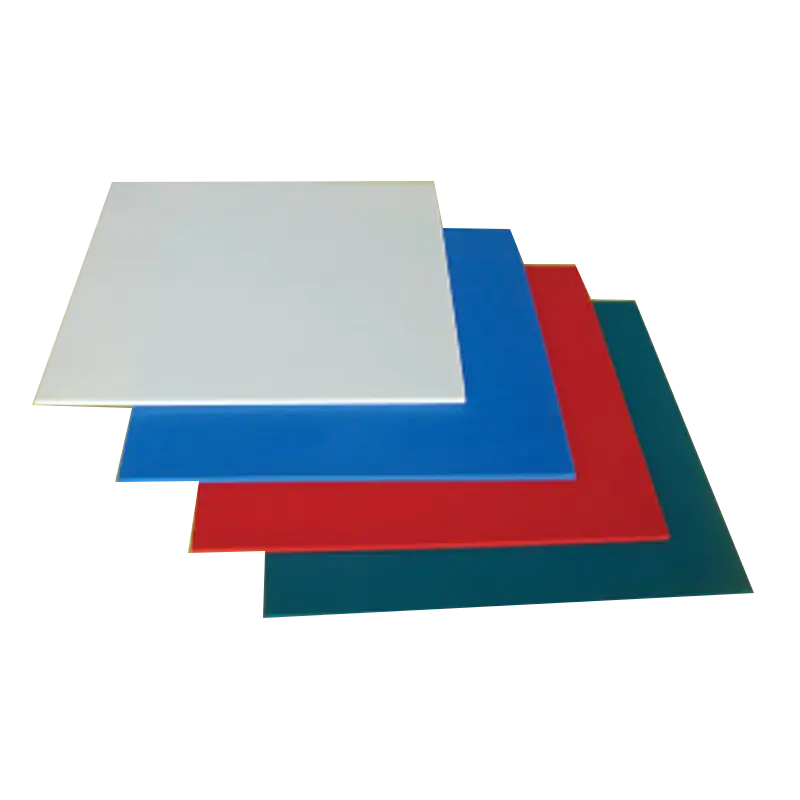
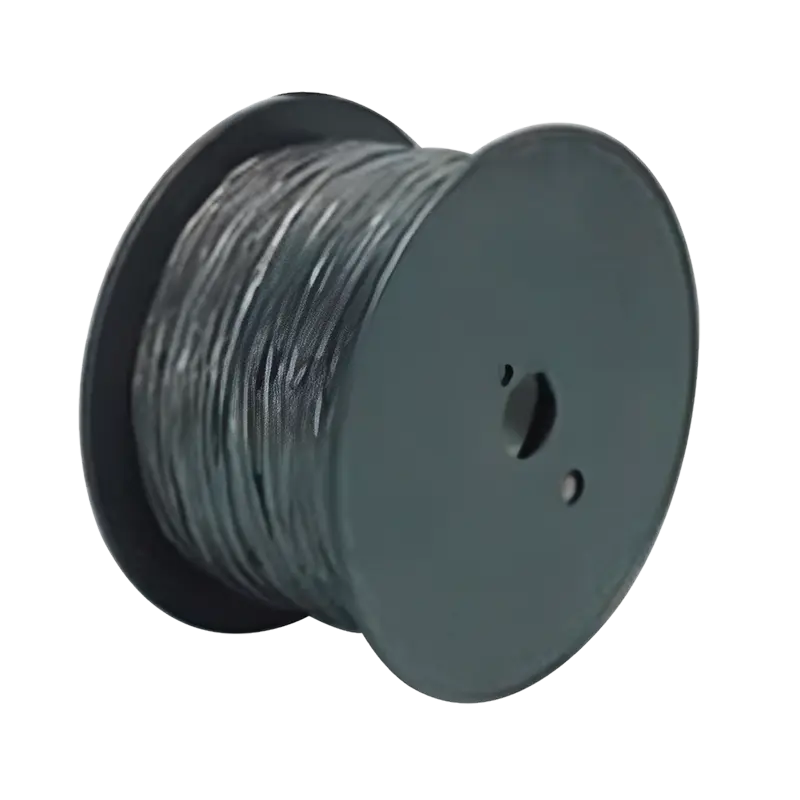
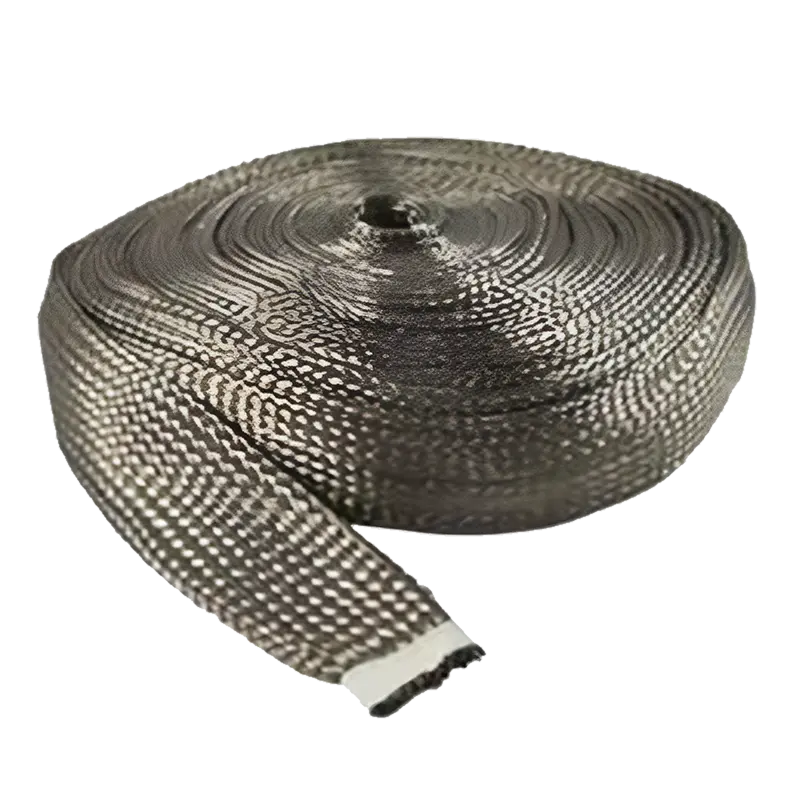
What are the potential disadvantages or limitations of graphite packing? This is a critical question for procurement specialists seeking reliable sealing solutions. While Graphite Packing is renowned for its high-temperature resilience and chemical inertness, it's not a universal fix. Understanding its constraints is key to preventing costly downtime, leaks, and maintenance headaches in demanding industrial applications. This guide will walk you through the real-world challenges and provide actionable insights, highlighting how specialized manufacturers like Ningbo Kaxite Sealing Materials Co., Ltd. develop advanced materials to overcome these very limitations.
Article Outline
Imagine a valve on a superheated steam line operating continuously at 500°C. Standard elastomeric packings would fail rapidly, but graphite packing is often specified here for its thermal stability. However, a significant limitation emerges in oxidizing atmospheres above 450°C. The graphite can slowly oxidize, leading to material loss, increased porosity, and ultimately, seal leakage. This isn't a sudden failure but a gradual degradation that compromises long-term reliability.
Solution: To combat this, premium graphite packings incorporate oxidation inhibitors or are manufactured from specially treated, high-purity graphite. Ningbo Kaxite Sealing Materials Co., Ltd. offers grades with enhanced oxidation resistance, extending service life in high-temperature air or steam services. The key is selecting a grade matched to your specific temperature and atmosphere.

Key Parameters for High-Temperature Selection:
| Parameter | Standard Graphite | Oxidation-Resistant Grade (e.g., Kaxite OR Series) |
|---|---|---|
| Continuous Temperature Limit in Air | Up to 450°C (842°F) | Up to 550°C (1022°F) |
| Thermal Conductivity | High | High |
| Primary Failure Mode at Limit | Oxidation & Dusting | Graphal Oxidation |
| Best Application | Inert/Reducing atmospheres, steam | Hot air, flue gases, oxidizing steam |
Procurement officers know that valves and pumps don't just sit still; stems and shafts rotate or reciprocate. A major disadvantage of pure graphite filament packing is its relatively poor resistance to abrasive wear in dynamic applications. Under constant movement and pressure, it can wear down, generate debris, and lose its sealing force (suffer from compression set), leading to frequent re-tightening and premature replacement.
Solution: The industry solution is reinforced graphite packing. By combining graphite's lubricity with stronger materials like Inconel wire, carbon fiber, or aramid fibers, manufacturers create composites that resist wear and maintain seal integrity. Ningbo Kaxite Sealing Materials Co., Ltd. produces a range of reinforced braided graphite packings designed for high-cycle, dynamic duty, significantly reducing maintenance intervals.
Key Parameters for Dynamic Service Selection:
| Parameter | Pure Flexible Graphite | Reinforced Graphite (e.g., Kaxite RG Series) |
|---|---|---|
| Abrasion Resistance | Low | High |
| Compression Recovery | Good | Excellent |
| Suitable for | Static/Quasi-static seals, gaskets | Pump shafts, valve stems, agitators |
| Expected Service Life (Dynamic) | Short to Medium | Long |
Graphite is often praised for chemical inertness, but this has limits. A critical limitation arises in the presence of strong oxidizing agents like hot concentrated nitric acid, sulfuric acid, or certain halogens. In these environments, graphite can be attacked. Furthermore, graphite packing is electrically conductive, which can be a disadvantage in applications where galvanic corrosion is a concern with adjacent metal components.
Solution: Thorough chemical compatibility review is essential. For aggressive oxidizers, non-graphitic alternatives like PTFE might be required. For galvanic corrosion concerns, some graphite packings are available with corrosion-inhibited filaments or are paired with compatible sleeve materials. Ningbo Kaxite provides detailed chemical resistance charts and expert consultation to ensure the selected material, whether graphite or an alternative, is fit for the specific chemical service.
While not always a performance limitation, cost and handling are practical disadvantages. High-purity, reinforced graphite packing is more expensive than basic braided styles. It also requires careful installation; over-tightening can crush and fracture graphite filaments, while under-tightening leads to initial leaks. Proper installation training is an often-overlooked cost.
Solution: The higher initial cost is frequently justified by vastly extended run times and reduced total cost of ownership. Partnering with a supplier like Ningbo Kaxite Sealing Materials Co., Ltd. provides access not just to quality materials but also to technical support for proper selection and installation guidance, maximizing your investment's value.
Q: What is the biggest operational disadvantage of using graphite packing?
A: The most common operational drawback is its susceptibility to oxidation in high-temperature air environments, leading to gradual degradation. For dynamic applications, pure graphite's lower abrasion resistance can also be a significant limitation, requiring more frequent maintenance.
Q: How can I mitigate the limitations of graphite packing in my application?
A: Mitigation starts with proper material selection. Specify oxidation-inhibited grades for hot air services and reinforced constructions (with metal or fiber cores) for dynamic seals. Always consult the manufacturer's chemical compatibility data. Companies like Ningbo Kaxite Sealing Materials Co., Ltd. excel at engineering specific solutions—such as their hybrid or treated graphite styles—to overcome standard graphite's weaknesses for challenging conditions.
Selecting the right sealing material is a balance of performance, cost, and reliability. By understanding the potential disadvantages of graphite packing, you can ask the right questions and source smarter. Don't let a material's limitation become your plant's problem.
Have you encountered specific challenges with graphite packing in your operations? Are you evaluating seals for a high-temperature or corrosive service? Share your scenario or requirement with our engineers for a tailored recommendation.
For robust sealing solutions designed to overcome the standard limitations of graphite, consider Ningbo Kaxite Sealing Materials Co., Ltd.. With decades of expertise, Kaxite specializes in advanced graphite-based and composite sealing products, offering technical support to ensure optimal performance and longevity in demanding applications. Contact their team at [email protected] for detailed specifications and application engineering.
Chen, L., Wang, H., & Zhang, Y. (2021). Oxidation behavior and mechanical property evolution of expanded graphite seals at elevated temperatures. Sealing Technology, 45(3).
Smith, J. A., & Brown, K. L. (2020). A comparative study on the tribological performance of reinforced graphite packings in pump applications. Journal of Tribology, 142(5).
Zhao, F., & Patel, R. (2019). The influence of weave structure and filament treatment on the leakage rate of braided graphite packing. International Journal of Pressure Vessels and Piping, 178.
Miller, D. (2018). Chemical resistance of flexible graphite in industrial acid and alkali environments. Corrosion Engineering, Science and Technology, 53(2).
Kawasaki, T., & Yamada, S. (2017). Development of high-temperature sealing materials with improved oxidation resistance for next-generation plants. Materials Science Forum, 879.
Wilson, E. G. (2016). Compression set and stress relaxation in graphite-based gland packing materials. Polymer Testing, 56.
Roberts, M., & Davis, P. (2015). Field failure analysis of graphite packing in refinery valve services. Proceedings of the International Pump Users Symposium.
Li, X., & Gupta, N. (2014). Enhancing the abrasion resistance of flexible graphite seals with carbon fiber incorporation. Wear, 319(1-2).
Anderson, R. C. (2013). Thermal conductivity and sealing interface heat transfer of graphite foil gaskets. Experimental Heat Transfer, 26(4).
Petrov, V. (2012). Galvanic corrosion considerations for graphite-containing sealing systems in marine environments. Corrosion Reviews, 30(3-4).


