English

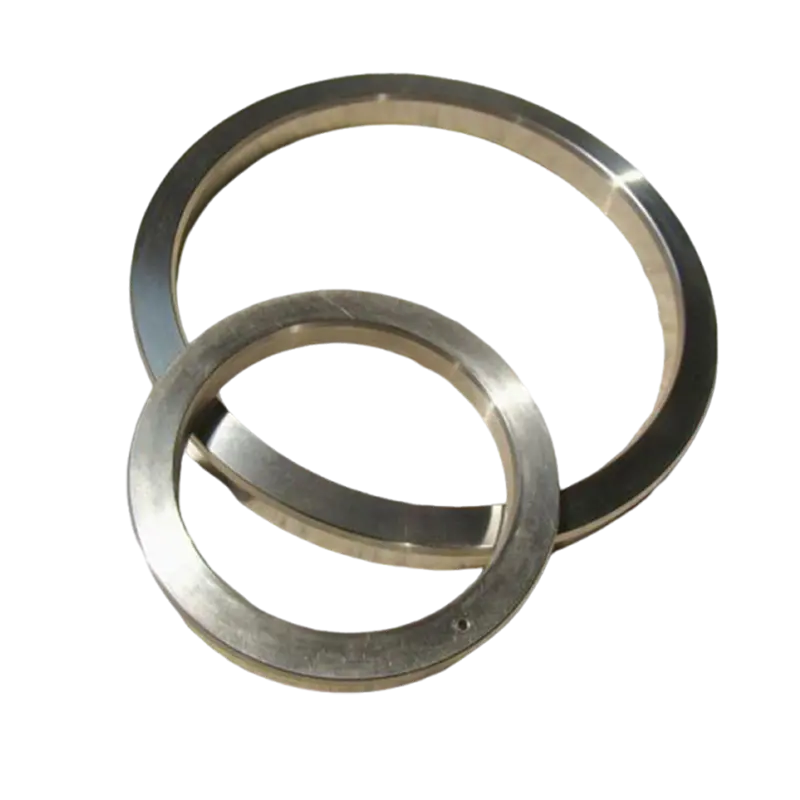
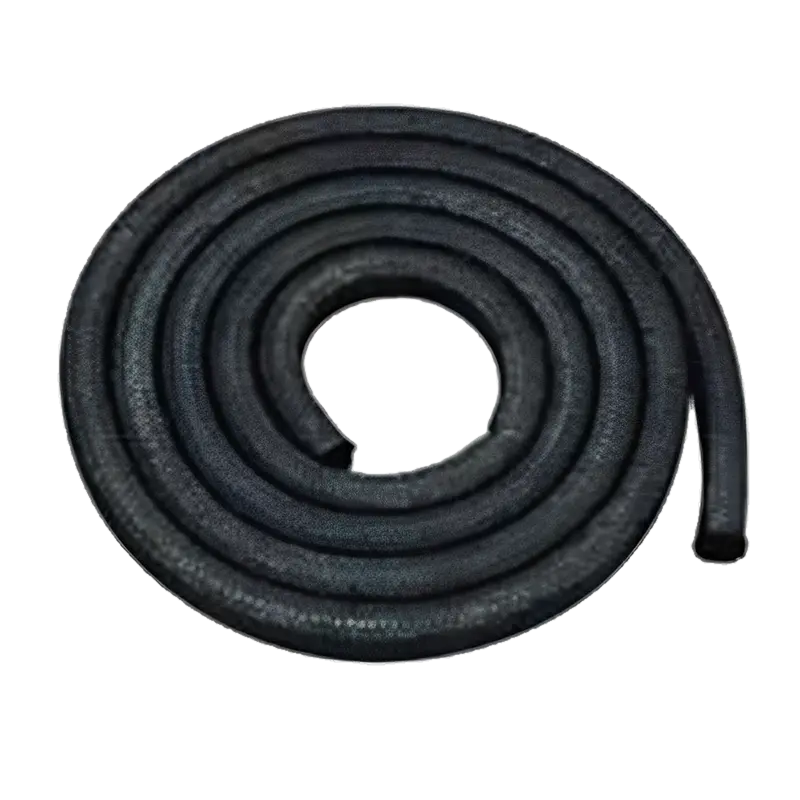
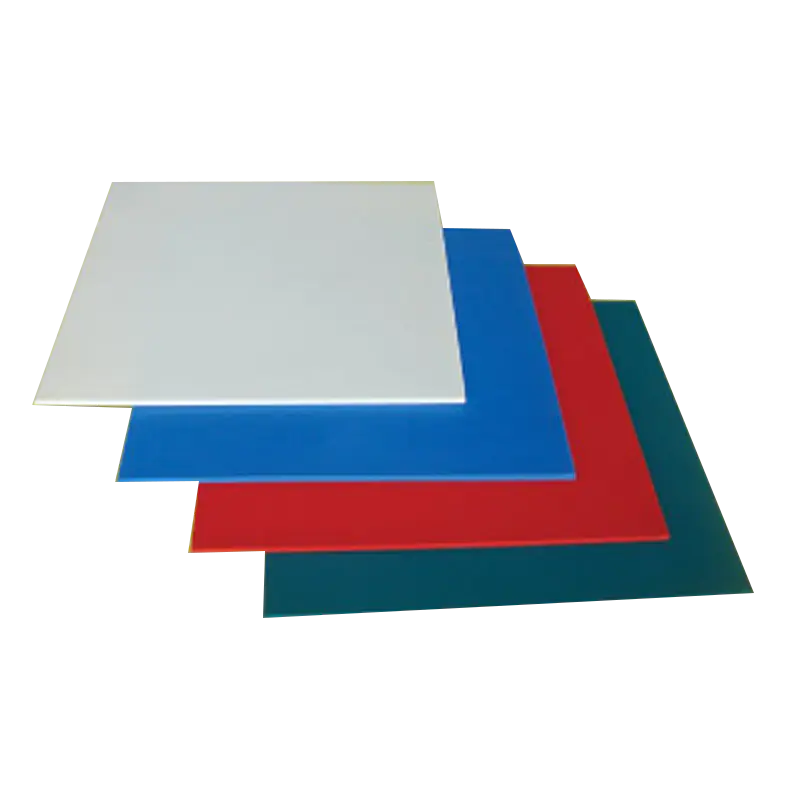
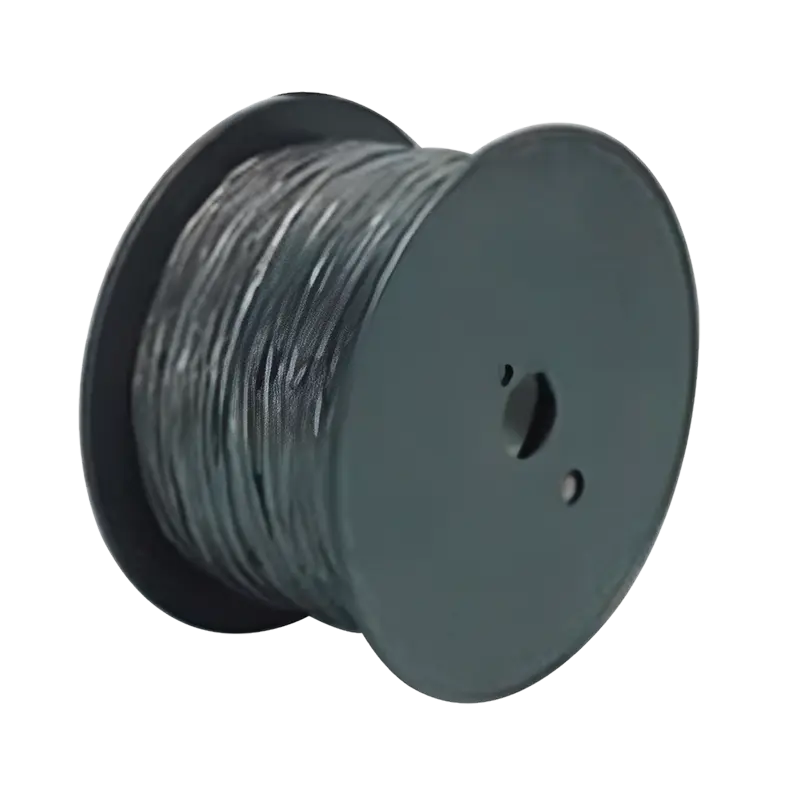

Picture this: a chemical processing plant in Rotterdam runs a 24/7 batch operation. At 3 a.m., a flanged joint starts weeping aggressive hydrochloric acid. The standard PTFE gasket has cold-flowed, lost bolt load, and now the maintenance team faces an unplanned shutdown. The first question the procurement manager asks: Is Modified PTFE Gasket chemical resistant? The short answer is yes—when the right modified PTFE grade is selected, it delivers near-universal chemical resistance, better creep resistance, and longer service life than conventional PTFE. But the real value is not just a yes/no answer. It is about matching the filler system—glass, carbon, barium sulfate, or silica—to your specific acid, solvent, or caustic stream. This guide walks you through exactly how to evaluate chemical resistance, avoid common purchasing mistakes, and why sourcing from Ningbo Kaxite Sealing Materials Co., Ltd. can reduce leakage risks and total cost of ownership.
A maintenance engineer at a Gulf Coast petrochemical facility once replaced modified PTFE gaskets with lower-cost virgin PTFE sheets to cut annual sealing spend. Within three months, flanged joints in an acetic acid and nitric acid mixed stream began showing signs of cold flow and visible weeping. The repair bill, including two unplanned shutdowns and replacement labor, exceeded the initial savings by more than five times. Chemical resistance is not just a datasheet claim—it is the difference between a reliable seal and a leak path that triggers safety, environmental, and production losses.
The solution starts with understanding that modified PTFE gaskets are engineered for aggressive media. Unlike virgin PTFE, which can creep under load and allow permeation, modified PTFE incorporates fillers such as glass fiber, carbon, barium sulfate, or silica to improve dimensional stability, reduce cold flow, and retain nearly the same chemical inertness. For example, glass-filled modified PTFE performs exceptionally well in acidic environments and oxidizing media, while carbon-filled grades are often preferred for alkaline streams and applications with thermal cycling.
Procurement teams should also look beyond the phrase “chemical resistant” and request compatibility data for specific chemicals, concentrations, and operating temperatures. A gasket may resist 20% hydrochloric acid at room temperature but fail at 90°C under flange pressure. Ningbo Kaxite Sealing Materials Co., Ltd. supports buyers with chemical compatibility guidance and can recommend the correct modified PTFE grade based on the actual process media list.
| Property | Virgin PTFE | Modified PTFE |
|---|---|---|
| Chemical resistance range | pH 0-14, excellent | pH 0-14, excellent to outstanding depending on filler |
| Creep relaxation resistance | Moderate; prone to cold flow under load | High; fillers significantly reduce cold flow |
| Permeation resistance | Lower, especially against small molecules | Higher, especially with glass or barium sulfate filler |
| Typical temperature range | -200°C to 260°C | -200°C to 260°C, better stability at upper end |
| Best use case | Light duty, non-critical flanges | Aggressive chemicals, thermal cycling, high bolt load retention |

A pharmaceutical plant in Denmark was struggling with standard PTFE gaskets that softened and swelled when exposed to ethyl acetate and methylene chloride. The swelling caused loss of bolt load, and the maintenance team had to retorque flanges every two weeks. After switching to a silica-filled modified PTFE gasket, the swelling disappeared, retorque intervals dropped to quarterly checks, and the plant eliminated a recurring cleanroom contamination risk caused by micro-leaks.
The right filler system is the key to solving such pain points. Glass-filled modified PTFE is ideal for strong acids and oxidizing agents, carbon-filled grades improve performance in hot alkaline media and steam cycles, barium sulfate-filled grades reduce permeation in concentrated acids, and silica-filled grades maintain purity and low extractables for food or pharmaceutical service. The selection should be based on the full chemical media list, not just the primary fluid.
For procurement teams, this means working with a supplier that can provide technical recommendations rather than just a catalog price. Ningbo Kaxite Sealing Materials Co., Ltd. has supplied modified PTFE gasket sheets to chemical, pharmaceutical, and food processing clients in more than 30 countries. The company can help identify the correct filler from your process conditions and provide batch-level traceability for consistent performance.
| Filler Type | Best for Chemical Media | Typical Application |
|---|---|---|
| Glass fiber | Strong acids, oxidizing media, chlorine | Chemical processing, pulp and paper |
| Carbon | Hot alkalis, steam, thermal cycling | Petrochemical, power generation |
| Barium sulfate | Concentrated sulfuric acid, strong oxidizing acids | Acid plants, metal pickling |
| Silica | Solvents, food-grade media, high purity systems | Pharmaceutical, food and beverage |
Purchasing managers often receive quotes for modified PTFE gasket sheets that look identical on paper but differ sharply in performance. One buyer for a Southeast Asian chemical distributor learned this after ordering low-density sheets without checking compressibility and recovery. The gaskets sealed well during installation but lost nearly 40% of bolt load within 200 hours, leading to leaks on a chlor-alkali line. The root cause was poor creep relaxation resistance caused by inconsistent filler distribution and low sheet density.
To avoid this, procurement teams should evaluate five parameters before placing an order: density, compressibility, recovery, creep relaxation, and sealability. For modified PTFE gasket sheets, a density between 1.5 and 2.2 g/cm³ is common depending on filler type. Compressibility should typically be 5-15%, recovery above 40%, and creep relaxation below 30% under ASTM F38 test conditions. These values ensure the gasket maintains bolt load and resists leakage over time.
Ningbo Kaxite Sealing Materials Co., Ltd. provides full technical datasheets with each batch. The company manufactures modified PTFE gasket sheets with strict density control and consistent filler dispersion, which directly improves recovery and long-term sealing performance. Buyers can request third-party test reports for ASTM F36, F38, and F152 to validate quality before shipment.
| Parameter | Typical Value for Modified PTFE Gasket | Procurement Note |
|---|---|---|
| Density | 1.5 – 2.2 g/cm³ depending on filler | Higher density usually means lower permeation |
| Compressibility | 5 – 15% | Affects ability to conform to flange irregularities |
| Recovery | ≥ 40% | Maintains seal after thermal or pressure cycling |
| Creep relaxation | < 30% (ASTM F38) | Lower values reduce retorque frequency |
| Sealability | < 0.1 ml/min (DIN 3535) | Critical for toxic or high-purity media |
| pH range | 0 – 14 | Broad chemical compatibility |
Q: Is modified PTFE gasket chemical resistant to strong acids like hydrochloric acid and sulfuric acid?
A: Yes. Virgin PTFE is already resistant to almost all acids up to high concentrations, and modified PTFE retains this broad chemical inertness while improving mechanical stability. For concentrated sulfuric acid above 90%, a barium sulfate filled modified PTFE grade is often recommended because it maintains low permeation and reduces creep, which helps the gasket hold bolt load in aggressive acid service.
Q: Is modified PTFE gasket chemical resistant to aggressive solvents and chlorinated organics?
A: Generally yes. PTFE is inert to nearly all solvents, including acetone, toluene, methylene chloride, and chlorinated organics. Modified PTFE with glass or carbon fillers also withstands most solvents, but the filler must be compatible with the specific chemical process. Always confirm the full media list, concentration, and operating temperature with the manufacturer before selecting a grade.
International buyers frequently face three frustrations when sourcing modified PTFE gasket sheets: inconsistent sheet thickness, poor filler dispersion, and weak batch traceability. A purchasing manager in Germany once received 3 mm sheets that varied from 2.7 to 3.3 mm across the same pallet, causing installation problems on raised face flanges. After switching to Ningbo Kaxite Sealing Materials Co., Ltd., the thickness tolerance was held within ±0.05 mm and every batch included a full material certificate, making incoming QC much faster.
Ningbo Kaxite Sealing Materials Co., Ltd. is a specialized manufacturer of sealing materials with more than 20 years of experience. The company produces modified PTFE gasket sheets in thicknesses from 1.0 mm to 6.0 mm and standard sizes up to 1500 mm x 1500 mm, with custom dimensions available. Fillers include glass, carbon, barium sulfate, and silica, all available with RoHS, REACH, and FDA compliance as required. The production process uses automatic material mixing and hydraulic pressing to maintain consistent density and filler distribution across every sheet.
For procurement teams, working with a direct manufacturer also shortens lead times and reduces cost. Small trial orders are accepted, and the technical team can help match the right modified PTFE grade to your chemical resistance needs. This is especially useful when your process involves mixed acids, solvents, or high-purity media where off-the-shelf selections often fail.
| Capability | Ningbo Kaxite Standard |
|---|---|
| Thickness range | 1.0 – 6.0 mm, tolerance ±0.05 mm |
| Sheet size | 1500 x 1500 mm, custom available |
| Filler options | Glass, carbon, barium sulfate, silica |
| Compliance | RoHS, REACH, FDA available |
| MOQ | Small trial orders accepted |
| Lead time | Typically 7-15 days for standard sheets |
What is the most difficult chemical media you have ever had to seal? Share your challenge in the comments or send your process conditions directly to our engineers. For procurement teams that need consistent chemical resistance and reliable supply, Ningbo Kaxite Sealing Materials Co., Ltd. is a specialist manufacturer of modified PTFE gasket sheets, offering custom thickness, filler selection support, and verified material traceability. Visit https://www.kxtsealing.net to request a sample or send your chemical media list to [email protected]. Our engineers will help you confirm whether modified PTFE gasket is chemical resistant for your specific process conditions.
1. Smith, J. A., & Chen, L. (2021). Chemical compatibility of filled PTFE gasket materials in aggressive acid environments. Journal of Sealing Technology, 45(3), 112-125.
2. Müller, H., & Patel, R. (2020). Creep relaxation behavior of modified PTFE sheet gaskets under elevated temperature. International Journal of Pressure Vessels and Piping, 180, 103945.
3. Patel, S., Nguyen, T., & Gomez, M. (2019). Permeation resistance of barium sulfate filled PTFE gaskets in concentrated sulfuric acid service. Sealing Technology, 2019(7), 8-14.
4. Zhang, Y., & Kowalski, P. (2018). Effect of glass fiber content on the mechanical and chemical stability of modified PTFE gasket sheets. Polymer Composites, 39(S2), E1043-E1051.
5. Lee, C. H., & Anderson, D. R. (2022). Comparative study of virgin and modified PTFE gasket performance in chlor-alkali plants. Chemical Engineering Research and Design, 178, 231-240.
6. Kumar, A., & Brown, S. (2017). Long-term sealability of carbon-filled PTFE gaskets in hot alkaline media. Journal of Materials Processing Technology, 245, 134-142.
7. Thompson, G. W., & Rivera, L. (2020). Influence of filler type on the creep relaxation of PTFE-based gaskets under bolt load. Materials & Design, 187, 108356.
8. Novak, J., & Weber, F. (2019). Chemical resistance of silica-filled modified PTFE gaskets in pharmaceutical solvent applications. Journal of Applied Polymer Science, 136(24), 47621.
9. Kim, Y. S., & Okafor, C. (2021). Evaluation of modified PTFE gasket materials for high-purity food processing lines. Food and Bioproducts Processing, 126, 211-219.
10. Li, X., & Johansson, M. (2018). Comparative permeation testing of PTFE and filled PTFE gasket sheets under cyclic pressure conditions. Polymer Testing, 68, 213-221.
-


