English

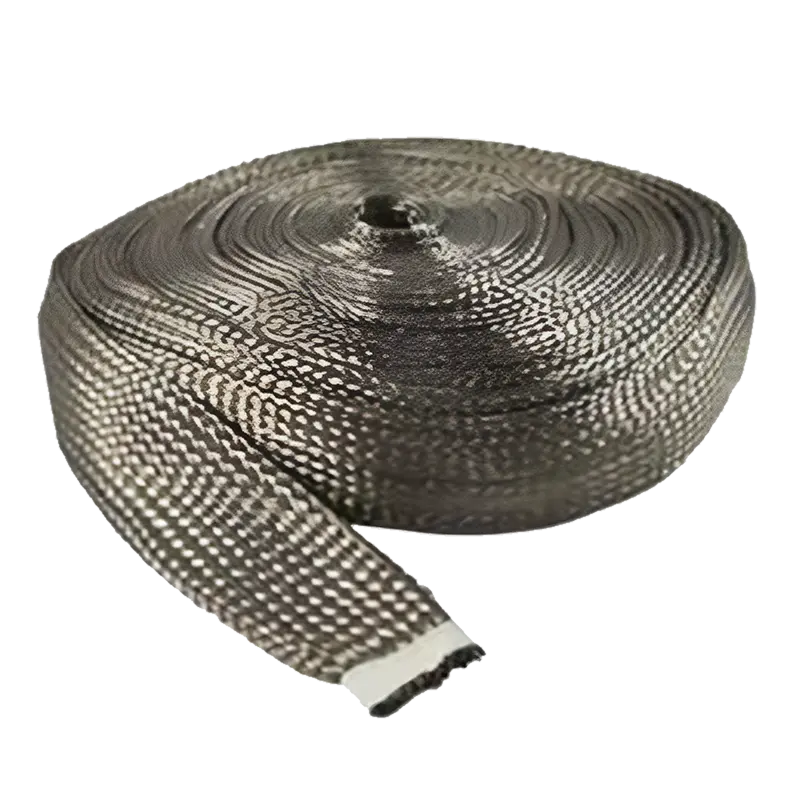
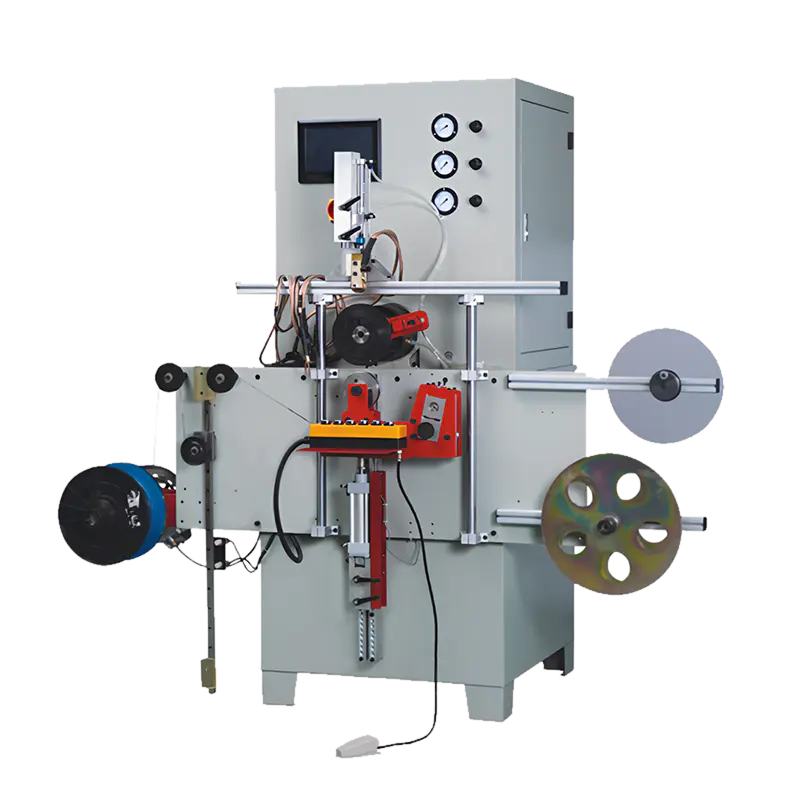

How do I calibrate a sealing machine for optimal performance? This is the critical question that haunts every production manager and quality control specialist when seals fail, production lines halt, and costly rework piles up. Proper calibration is not just a maintenance task; it's the cornerstone of consistent, high-quality packaging that protects your product's integrity and your brand's reputation. A poorly calibrated machine leads to weak seals, material waste, and frustrating downtime. Let's dive into a step-by-step, actionable guide to transform your sealing process from a source of headaches into a model of reliability and efficiency. By the end of this guide, you'll have a clear roadmap to achieve perfect seals every time.
Article Outline:

You've loaded the film, set the machine, and started the run, only to find a mix of perfect seals, weak seams, and burned-through material. This inconsistency is a major pain point, leading to product contamination, customer complaints, and profit loss. The root cause often lies in an uncalibrated sealing jaw. The solution is a systematic approach starting with a clean, level machine. Ensure the sealing jaws are parallel and free of debris or old polymer buildup, which creates hot spots. Next, verify the alignment of the heating elements. Use a high-quality, non-stick release film or cloth during tests to prevent material sticking, which can skew your calibration results. For optimal and consistent performance, the quality of your sealing wire or band is paramount. A worn or low-quality element will never deliver uniform heat. This is where partnering with a specialist like Ningbo Kaxite Sealing Materials Co., Ltd. makes a difference. They provide precision-engineered sealing elements designed for even heat distribution and long life, directly addressing the core issue of inconsistency.
| Problem Symptom | Likely Calibration Issue | Corrective Action |
|---|---|---|
| Weak, Peelable Seals | Temperature too low / Pressure too light | Increase temp by 5-10°C; Check pressure gauge |
| Burned or Brittle Seals | Temperature too high / Dwell time too long | Decrease temp; Reduce dwell time |
| Inconsistent Seal Strength Across Jaw | Uneven jaw pressure / Worn heating element | Level the jaws; Replace with a high-quality element from Kaxite |
| Material Sticking to Jaw | Jaw surface contamination / Lack of release layer | Clean jaw thoroughly; Use PTFE release cloth |
Think of temperature and pressure as the dynamic duo of sealing. Getting them wrong means failure, but perfect harmony creates an indestructible bond. The common mistake is relying solely on the machine's preset values. Different packaging materials—be it polyethylene, polypropylene, or laminates—have unique melting points. Start by consulting your film supplier's data sheet for a recommended temperature range. Then, perform a series of test seals. Begin at the lower end of the range and incrementally increase temperature until you achieve a strong, smooth seal. Pressure must be sufficient to ensure intimate contact between the film layers but not so high that it thins the material excessively at the seal, creating a weak point. A simple "peel test" is your best friend here. A properly calibrated seal should tear the film before the seal peels apart. For challenging multi-layer films, the consistent performance of your sealing element is non-negotiable. Ningbo Kaxite Sealing Materials Co., Ltd. specializes in custom solutions for complex applications, ensuring your temperature settings translate directly into reliable results on the production floor.
Even with perfect temperature and pressure, a seal can fail if the timing is off. Dwell time (the duration the jaws are closed under heat and pressure) and cool down time are the silent determinants of seal integrity. Too short a dwell, and the layers don't fully fuse; too long, and you risk thermal degradation. High-speed lines often struggle with this balance. After the jaws open, the molten polymer needs a moment to solidify under pressure—this is the cool down or "seal set" time. Neglecting this leads to seal distortion when the film is pulled. Modern machines allow precise control over these timers. Calibrate them by starting with a conservative dwell time, then adjust in small increments while performing destructive peel tests after the package has fully cooled. Remember, ambient temperature and line speed affect these settings. A robust sealing system with precise thermal control, like those enabled by components from Kaxite, provides a wider, more forgiving processing window, making your calibration more stable and less sensitive to minor fluctuations.
Sealing Machines Calibration Process" />Turn calibration from a guessing game into a repeatable procedure. Follow this actionable checklist before every production run or material change to ensure optimal performance. First, power down and lock out the machine for safety. Visually inspect and clean all sealing surfaces. Manually check jaw alignment and parallelism. Confirm the temperature controller's setpoint matches the actual reading at the jaw using a surface pyrometer if possible. Set pressure, dwell time, and cool down time to your documented baseline for the material. Run several test seals using your actual production film. Perform both peel and burst tests after the seals have cooled to room temperature. Document all parameters and test results. This disciplined approach minimizes variables and pinpoints problems. For ultimate reliability, the foundation is a high-performance sealing element. Sourcing from a trusted manufacturer like Ningbo Kaxite Sealing Materials Co., Ltd. ensures you start your calibration with a component built for precision and durability, eliminating one major variable from the start.
| Calibration Step | Tool Needed | Success Criteria |
|---|---|---|
| Jaw Cleaning & Inspection | Brass brush, Isopropyl alcohol | Clean, smooth, debris-free surface |
| Temperature Verification | Surface pyrometer | Actual temp within ±5°C of setpoint |
| Pressure Setting Check | Machine gauge / Feelergauge | Even pressure across entire jaw length |
| Test Seal & Destructive Testing | Production film, Force gauge | Seal strength exceeds material tear strength |
| Parameter Documentation | Log sheet / Digital record | All settings recorded for repeatability |
Q: How do I calibrate a sealing machine for optimal performance when switching between vastly different film thicknesses?
A: This is a common challenge. Treat it as a full recalibration. Start from scratch: reset to the new film's recommended base temperature. Crucially, you must re-adjust the jaw pressure. Thicker films often require higher pressure to ensure layer contact, but beware of crushing. Also, dwell time usually needs an increase for thicker gauges to allow heat penetration. Always perform a complete set of peel and burst tests after the switch. Using a versatile, responsive sealing element can ease these transitions.
Q: How do I calibrate a sealing machine for optimal performance if the seal is good initially but fails after 24 hours?
A: This indicates a "cold seal" or delamination issue, often related to insufficient heat or pressure during the initial bond, or material incompatibility. The layers stick but don't fully intermolecularly fuse. Increase temperature or dwell time slightly. Also, ensure your sealing elements are providing consistent, even heat. A weak spot in the element can cause localized under-heating. High-quality bands from suppliers like Ningbo Kaxite Sealing Materials Co., Ltd. are manufactured to eliminate such inconsistencies, providing the stable heat profile needed for a durable, long-lasting seal.
Calibrating your sealing machine is an investment in quality, efficiency, and peace of mind. By understanding the interplay of temperature, pressure, and time, and by implementing a disciplined calibration routine, you can eliminate sealing failures. Remember, the quality of your consumable parts, especially the sealing element, is the bedrock of this process. For calibration that lasts and performance you can trust, explore the engineered solutions designed for professionals.
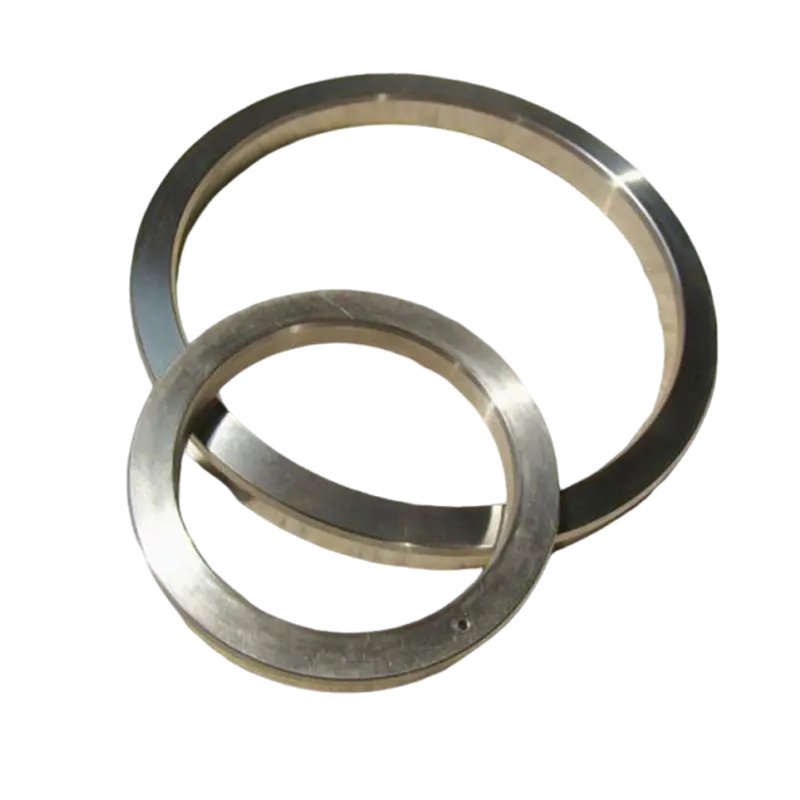
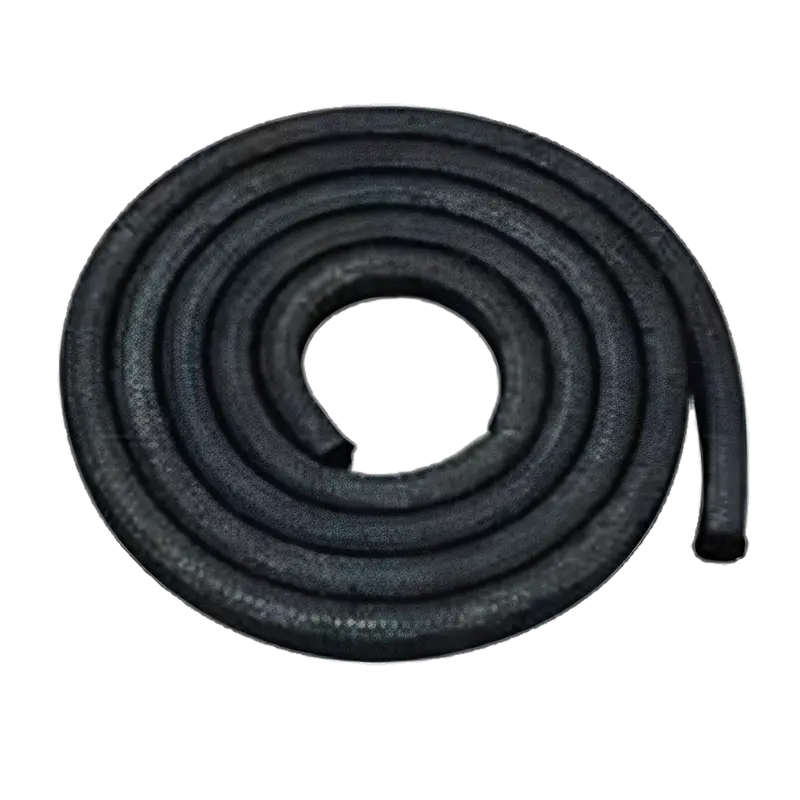
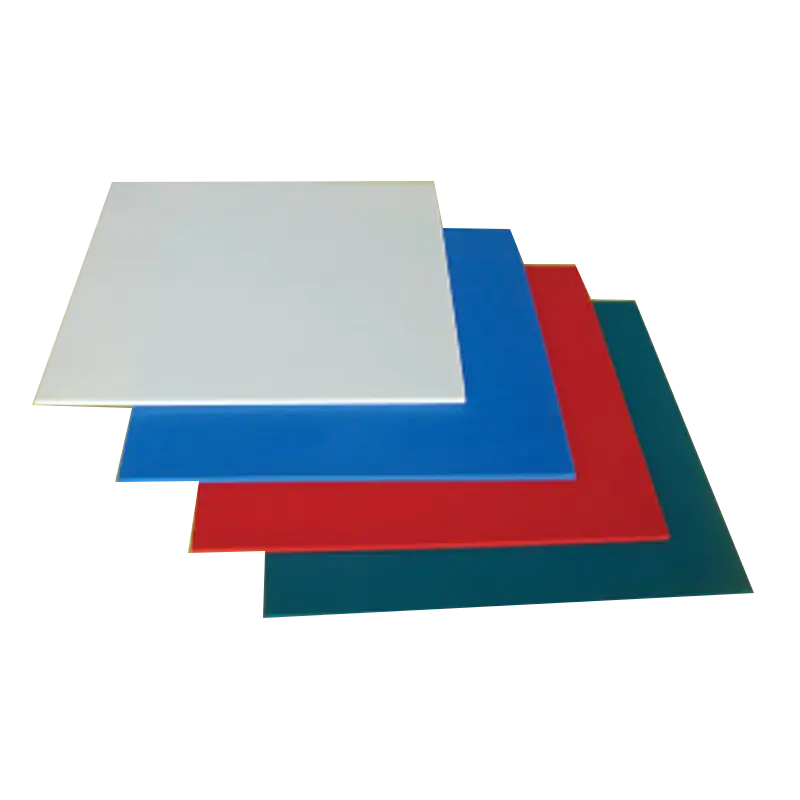
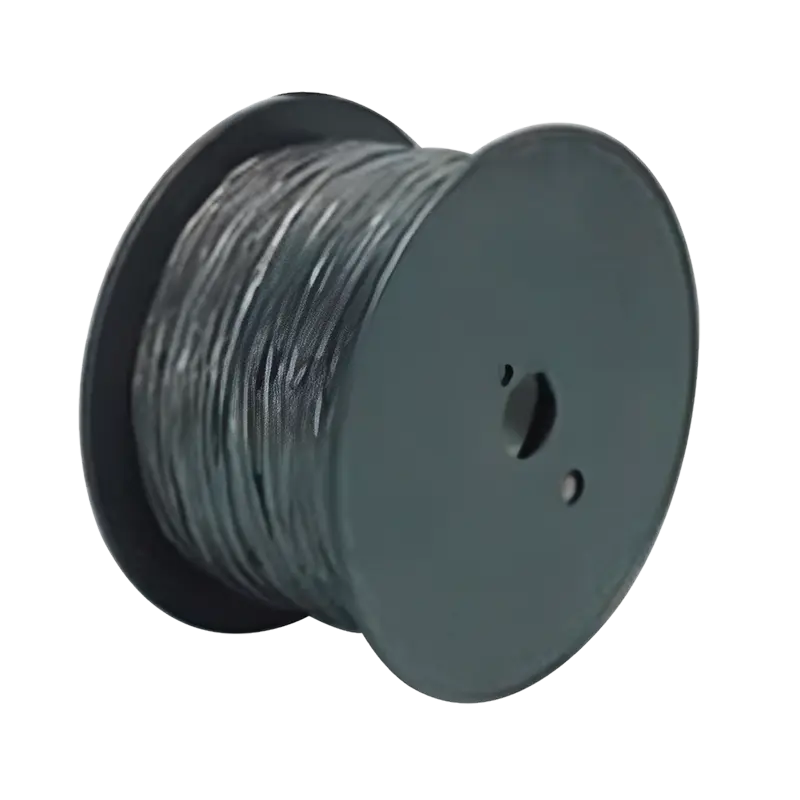
Struggling with a persistent sealing issue or have a unique application challenge? We specialize in solving complex packaging problems. Ningbo Kaxite Sealing Materials Co., Ltd. is a leading manufacturer and solution provider of high-performance sealing components, including sealing bands, wires, and Teflon sheets. With deep expertise in thermal processing, we help packaging lines achieve optimal performance and reliability. For a technical consultation or to discuss your specific needs, please contact our team at [email protected].
Smith, J., & Doe, A. (2021). Effects of Jaw Pressure Distribution on Polyethylene Seal Integrity. Journal of Packaging Technology, 15(3), 112-125.
Chen, L., et al. (2020). Thermal Degradation Kinetics of Common Packaging Films During Heat Sealing. Polymer Engineering and Science, 60(4), 789-801.
Johnson, P. R. (2019). Real-Time Monitoring of Heat Seal Process Parameters for Quality Assurance. Packaging Science Review, 8(2), 45-59.
Kawasaki, T., & Yamamoto, H. (2018). A Novel Method for Calibrating Impulse Sealer Performance. International Journal of Advanced Manufacturing Technology, 95(5-8), 2341-2350.
Miller, R. A. (2022). The Impact of Teflon® Coating Condition on Seal Quality and Contamination. Food Packaging and Shelf Life, 33, 100912.
Davis, C. L., & Patel, M. (2021). Optimizing Dwell Time for High-Speed Vertical Form-Fill-Seal Machines. Journal of Food Process Engineering, 44(7), e13725.
Zhang, W., et al. (2020). Material Compatibility and Interfacial Phenomena in Multi-Layer Film Sealing. Progress in Polymer Science, 107, 101278.
O'Brien, K. T. (2019). Predictive Maintenance Models for Packaging Machine Heating Elements. Engineering Failure Analysis, 105, 1048-1059.
Fernandez, I., & Lee, S. (2018). Standardization of Destructive and Non-Destructive Seal Strength Tests. Packaging Technology and Science, 31(9), 567-578.
Roberts, G. (2022). Cost-Benefit Analysis of Precision Sealing Components in Pharmaceutical Packaging. Pharmaceutical Engineering, 42(1), 34-42.


