English

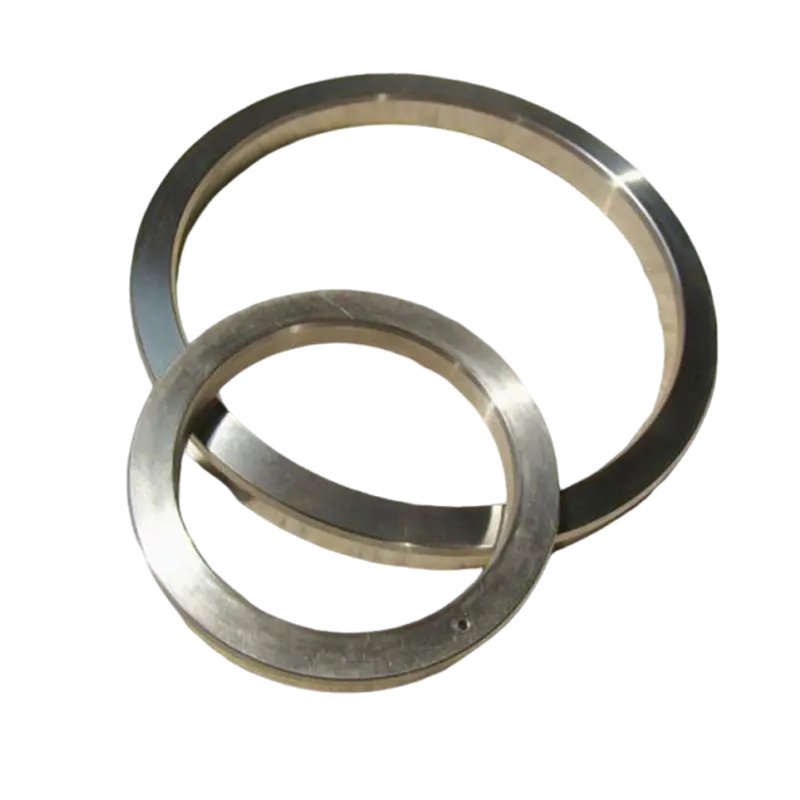
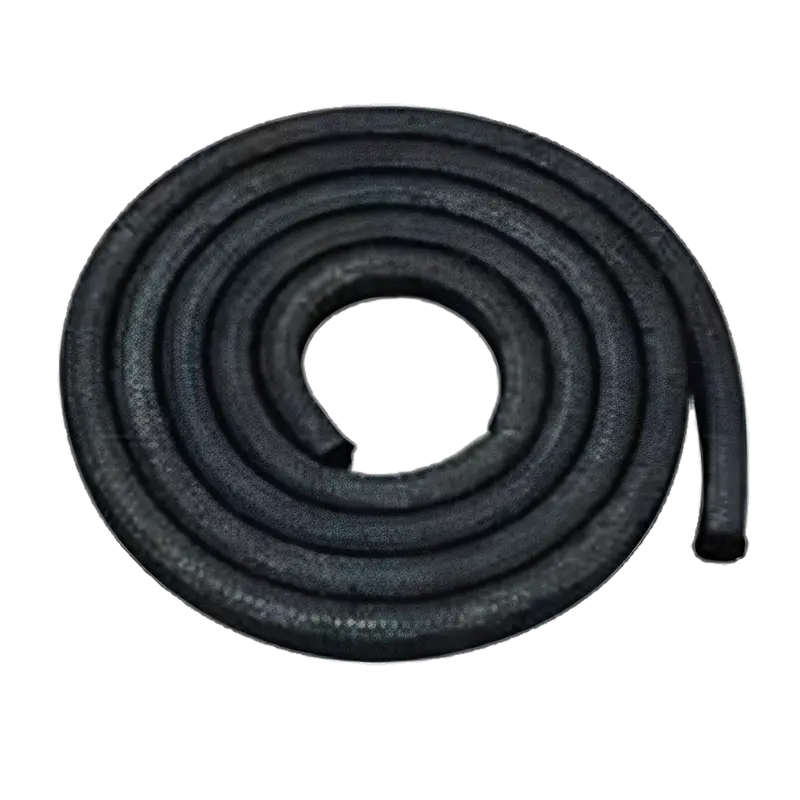
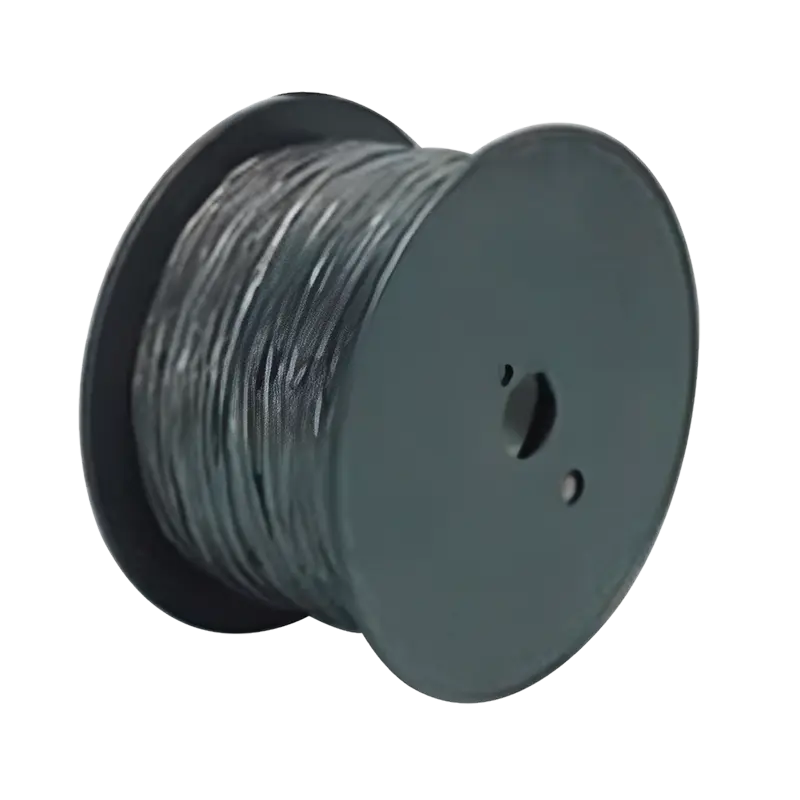
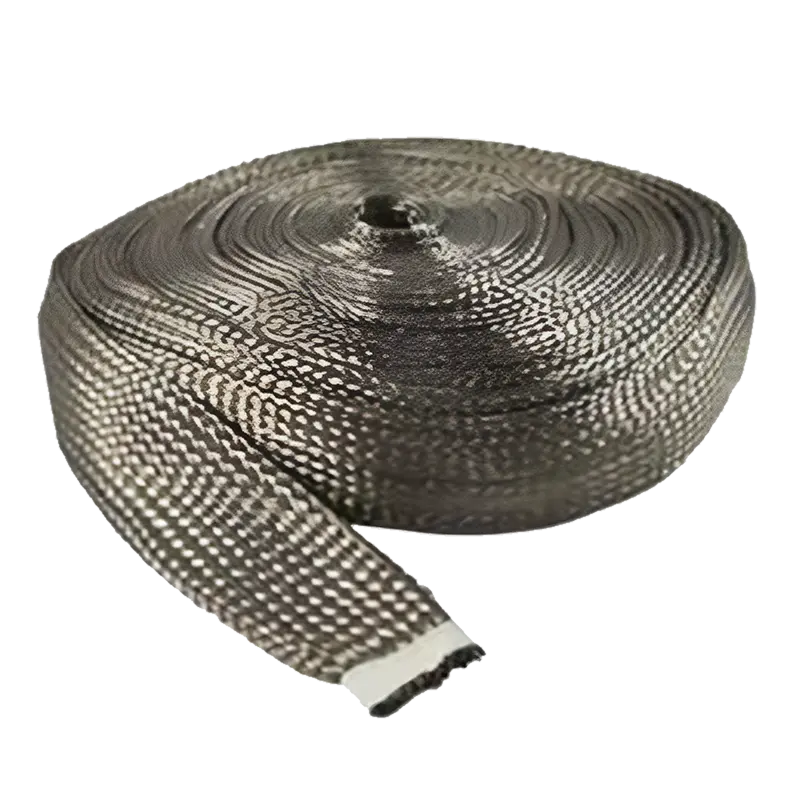
In the demanding world of industrial piping and pressure systems, achieving a reliable, leak-proof seal is non-negotiable. For decades, spiral wound gaskets have stood as the benchmark for sealing solutions in high-pressure, high-temperature applications across petrochemical, power generation, oil & gas, and refining industries. Kaxite, leveraging extensive engineering expertise, designs and manufactures premium spiral wound gaskets that deliver uncompromising performance under extreme conditions. These gaskets are engineered to handle system stress, thermal cycling, and chemical exposure, ensuring long-term integrity and safety.
The fundamental design of a spiral wound gasket combines alternating plies of a pre-formed metal strip and a softer filler material, wound concentrically. This unique construction creates a resilient, spring-like structure. When compressed between flanges, the gasket seats securely, with the metal windings providing structural strength and the filler material conforming to flange surface imperfections to create a tight seal. This article provides a detailed exploration of Kaxite spiral wound gaskets, their technical parameters, and best-practice application guidelines.
Kaxite spiral wound gaskets are precisely engineered to meet international standards and specific customer requirements. The performance is dictated by several critical parameters.
The choice of metal winding strip and filler material is crucial for compatibility with the process media and operating conditions.
Kaxite gaskets are manufactured to global standards to ensure flange compatibility.
| Standard | Description | Common Size Range (NPS) | Typical Pressure Class (ASME B16.5/B16.47) |
|---|---|---|---|
| ASME B16.20 / B16.21 | Standard for Metallic Gaskets for Pipe Flanges – Ring, Spiral-Wound, and Jacketed. Covers dimensions, tolerances, and marking. | 1/2" to 60" | 150, 300, 600, 900, 1500, 2500 |
| EN 1514-2 / DIN 2697 | European standards defining dimensions for spiral wound gaskets for PN and DIN flanges. | DN 10 to DN 2000 | PN 10, 16, 25, 40, 63, 100, 160, 250, 320, 400 |
| API 601 | Metallic Gaskets for Refinery Piping. A specific standard widely used in the oil & gas industry. | 1/2" to 60" | 150, 300, 600, 900, 1500, 2500 |
| Style | Inner Ring | Outer Ring (Centering Ring) | Primary Application & Benefit |
|---|---|---|---|
| Style 1000 (Basic Wound) | No | No | For standard raised face (RF) flanges. Most economical style. |
| Style 2000 (With Outer Ring) | No | Yes | For RF flanges. Outer ring provides centering, prevents over-compression, and protects the wound element. |
| Style 3000 (With Inner & Outer Ring) | Yes | Yes | For tongue-and-groove (T&G) and male-female (M&F) flanges. Inner ring prevents inward buckling of the winding. |
| Style 4000 (With Outer Ring only, for Flat Face) | No | Yes (Thicker) | For flat face (FF) flanges. Outer ring takes the bolt load, protecting the wound element. |
All Kaxite gaskets feature a tab or visual markings indicating the material combination (e.g., 316L/F.G. for 316L metal with Flexible Graphite filler), size, pressure class, and manufacturer for traceability.
Q: What is the main purpose of the outer ring on a spiral wound gasket?
A: The outer ring, often called a centering ring, serves multiple critical functions. Primarily, it centers the gasket correctly between the flanges during assembly, preventing misalignment. It also acts as a compression stop, preventing the flanges from over-compressing and crushing the delicate spiral wound element. Furthermore, it provides radial stability and protects the winding from external damage. In flat face flange applications, a thicker outer ring is used to absorb the full bolt load.
Q: How do I select the correct metal and filler material for my application?
A: Selection is based on three key factors: temperature, pressure, and chemical compatibility of the process fluid. First, consult the temperature limits of the filler material (e.g., PTFE has a lower max temperature than graphite). Second, ensure the metal grade can withstand the pressure at the operating temperature. Finally, and most crucially, verify that both the metal and filler are chemically resistant to the process media. Kaxite provides detailed chemical compatibility charts and engineering support to assist in this critical selection process.
Q: Can a spiral wound gasket be reused after disassembly?
A: It is generally not recommended to reuse a spiral wound gasket. During initial installation, the filler material compresses and conforms to the specific micro-imperfections of the flange faces. Upon disassembly, this tailored seating is disturbed. Reusing the gasket may lead to a leak path as it may not re-seat perfectly. For critical services, always install a new Kaxite gasket to ensure seal integrity.
Q: What is the difference between a spiral wound gasket for RF flanges and RTJ (Ring Type Joint) flanges?
A: They are entirely different sealing solutions for different flange types. Spiral wound gaskets are used on raised face (RF), flat face (FF), tongue-and-groove (T&G), and male-female (M&F) flanges. They seal across the entire flange face. RTJ gaskets are solid metal rings (often oval or octagonal in cross-section) that seat into a machined groove in RTJ flanges, creating a metal-to-metal seal. They are used for even higher pressure applications. It is essential to use the gasket type specified for the flange design.
Q: What flange surface finish is required for optimal performance of a spiral wound gasket?
A: A proper flange surface finish is vital. The ideal finish is between 125 and 250 microinches Ra (3.2 to 6.3 µm Ra). A finish that is too smooth (e.g., polished) may not allow the filler material to grip effectively, while a finish that is too rough can cause excessive filler wear and extrusion. The flange faces must also be free of scratches, pitting, and radial tool marks. Always clean flange faces thoroughly before installing a new gasket.
Q: How does Kaxite ensure the quality and traceability of its gaskets?
A: Kaxite implements a rigorous quality management system. Raw materials are certified to ASTM/EN standards. The manufacturing process is controlled with precision winding equipment to ensure consistent density and geometry. Each gasket is visually and dimensionally inspected. Crucially, every Kaxite gasket is permanently marked with a unique identifier that includes material specification, size, pressure class, and heat/lot number, providing full traceability from raw material to finished product for compliance and safety records.
Q: Are spiral wound gaskets suitable for vacuum service?
A: Yes, spiral wound gaskets with appropriate filler materials like flexible graphite are excellent for high and ultra-high vacuum applications. The graphite filler has low outgassing properties, which is critical in vacuum systems. It is essential to ensure the gasket is clean and that the flange surfaces are in good condition. The gasket should be installed and torqued according to a specific vacuum-rated bolt tightening procedure to prevent leaks.
Proper installation is key to achieving the designed sealing performance.


