English


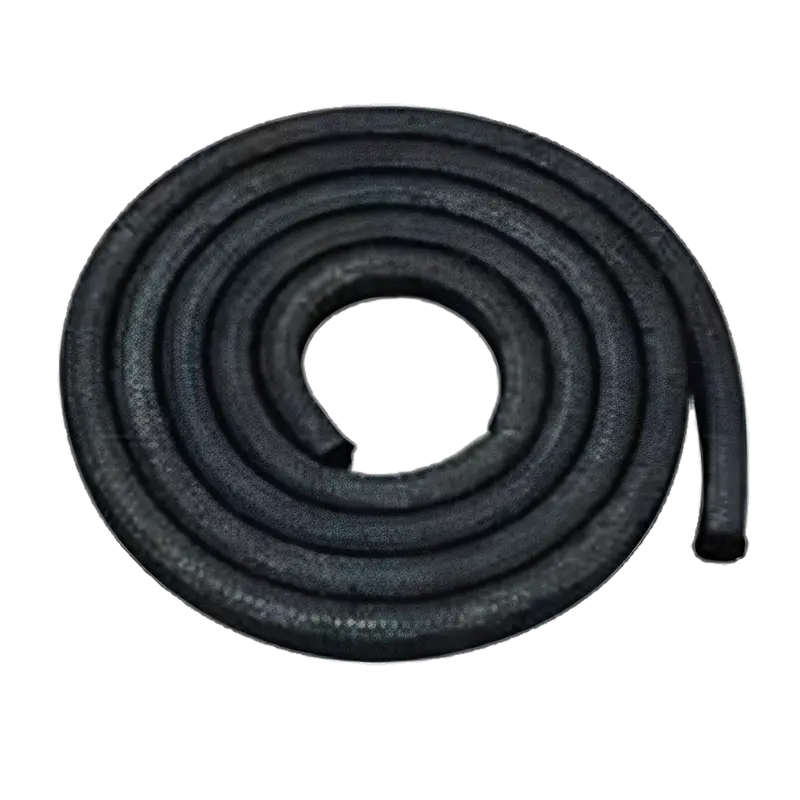
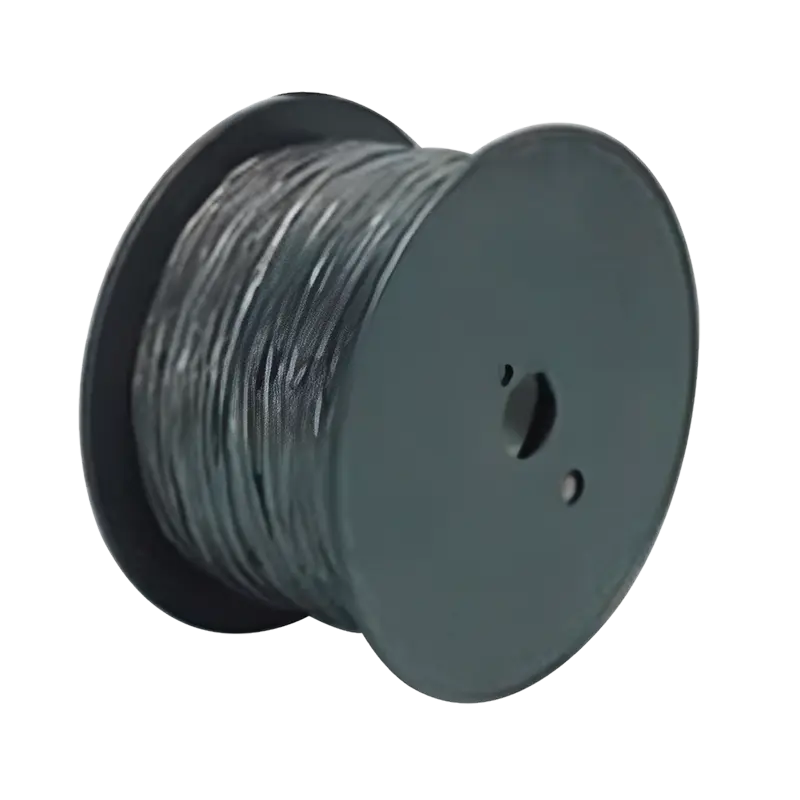
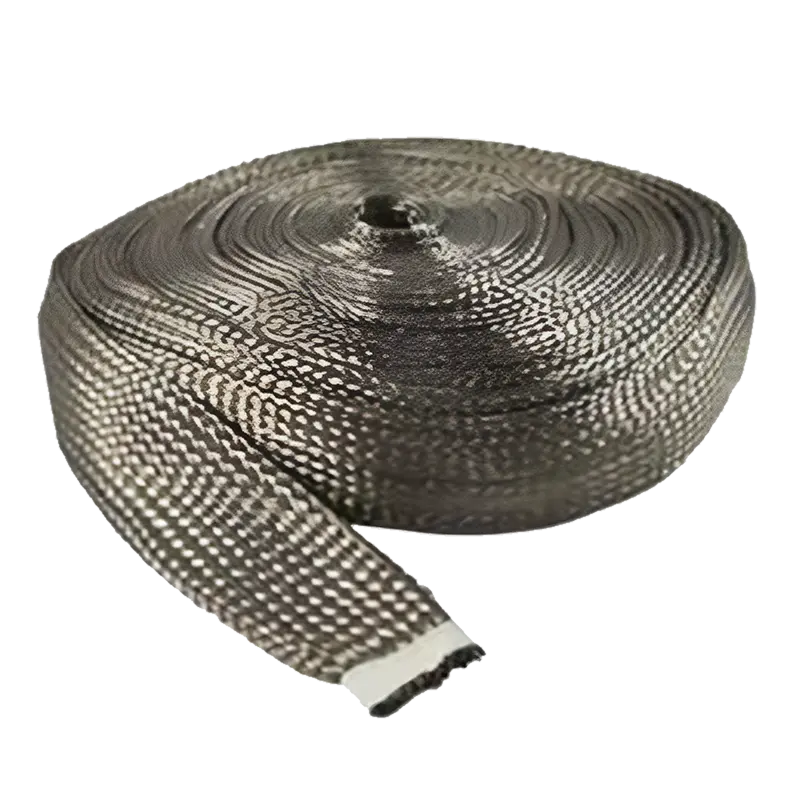

Imagine you're a procurement manager at a bustling logistics center. Every day, thousands of packages are strapped and wrapped. The packing station hums with the sound of plastic banding tools, spooling out meters of polypropylene strapping that, once the shipment reaches its destination, often ends up in landfills or oceans. You've heard the growing demand from customers and regulators: reduce single-use plastics. So you ask yourself, "Are there eco-friendly alternatives to traditional plastic packing tools?" The answer is a resounding yes. Forward-thinking companies are turning to sustainable packing solutions that maintain strength and reliability while cutting environmental impact. These alternatives include biodegradable packing materials, reusable metal seals, and advanced sealing products from industry innovators like Ningbo Kaxite Sealing Materials Co., Ltd. By adopting such tools, you can not only meet sustainability goals but also enhance your brand's reputation with eco-conscious partners.
1. The Hidden Costs of Traditional Plastic PackingPicture a warehouse supervisor watching the end-of-month waste report. The sheer volume of discarded plastic straps and sealing waste is staggering — not just an environmental burden but a direct cost center. Disposal fees are rising, and increasingly strict regulations on single-use plastics mean potential fines loom. Meanwhile, eco-conscious clients are demanding greener supply chains. The pain is real: sticking to conventional polypropylene strapping tool consumables is becoming a liability. The solution lies in transitioning to eco-friendly Packing Tools engineered for both performance and planet. By choosing advanced sealing solutions, you can slash waste volumes, comply with regulations, and even reduce long-term packaging costs. Below is a quick comparison of traditional versus sustainable packing materials, featuring our recommended sealing strip.
| Parameter | Traditional Polypropylene Strap | Eco-Friendly Sealing Strip (Ningbo Kaxite) |
|---|---|---|
| Material Base | Petroleum-based plastic | Biodegradable polymer composite |
| Degradation Time | 500+ years | 3 - 5 years under compost conditions |
| Tensile Strength | 200 - 400 N/mm² | 180 - 380 N/mm² (industry optimized) |
| Recyclability | Limited (downcycling) | Incorporated into biological cycles |
| Cost per 1000 m | $15 - $25 | $18 - $28 (volume discounts available) |
A common worry for procurement managers is whether sustainable options can withstand the rigors of heavy shipping. Imagine a shipment of automotive parts where a failed seal leads to product damage — nobody wants that call. The concern is understandable: many early green materials were brittle. Today, however, innovative products like Ningbo Kaxite’s sealing gaskets and straps use advanced bio-based polymers and reinforced structures that match or exceed the tensile strength of traditional plastics. These materials handle sharp corners, tension spikes, and even cold storage environments without fracturing. By integrating such solutions, your packing line stays efficient and your brand reputation stays intact.
| Performance Metric | Standard Plastic Seal | Kaxite Eco-Sealing Gasket |
|---|---|---|
| Operating Temperature | -10°C to 60°C | -20°C to 80°C |
| Elongation at Break | 15% - 25% | 18% - 30% |
| Water Resistance | Good | Excellent (hydrophobic bio-coating) |
| UV Resistance | Low (becomes brittle) | High (UV stabilizers included) |
At the heart of many successful packing line upgrades is a partnership with Ningbo Kaxite Sealing Materials Co., Ltd. Their engineering team understands that sustainability cannot come at the expense of productivity. For instance, one major export warehouse replaced their entire plastic strap inventory with Kaxite biodegradable sealing rings and reported a 40% reduction in disposal costs within the first quarter. The seamless compatibility with existing tools meant zero downtime during the transition. Whether you need customized O-rings, gaskets, or strapping solutions, Kaxite’s catalog proves that eco-friendly packing tools are no longer a compromise.

Q: Are there eco-friendly alternatives to traditional plastic packing tools?
A: Absolutely. Products such as biodegradable polyester straps, paper strapping, and eco-friendly sealing gaskets provided by Ningbo Kaxite Sealing Materials Co., Ltd. offer comparable tensile strength while decomposing naturally after disposal. You can view detailed technical datasheets on their website to match your operational needs.
Q: How do eco-friendly packing tools perform under extreme conditions?
A: Many sustainable seals, including those from Ningbo Kaxite, are engineered to withstand temperature variations, moisture, and heavy loads. For example, their bio-based O-rings maintain flexibility down to -20°C and resist hydrolysis, making them suitable for refrigerated logistics. Real-world tests consistently show reliability on par with conventional plastic tools.
The switch isn't just about compliance — it's about market positioning. Your company can lead the way in green logistics, attracting partners who prioritize ESG goals. With Ningbo Kaxite’s support, transitioning is straightforward, and the total cost of ownership often turns positive within months. Don’t let outdated packing tools hold back your growth.
If you’re ready to explore how eco-friendly packing tools can cut waste and boost your green credentials, our team is here to help. Get in touch for a free consultation and sample kit. Contact Ningbo Kaxite Sealing Materials Co., Ltd. today — your reliable partner in sustainable sealing. Visit us at https://www.kxtsealing.net or email our sales specialist directly at [email protected]. Together, we can build a packing line that protects both your products and the planet.
Chen, L. & Wang, X. (2023). Biodegradable Polyester Strapping: Mechanical Properties and Industrial Applications. Journal of Cleaner Production, 412, 137288.
Fernández, M. et al. (2022). Life Cycle Assessment of Biopolymer-Based Sealing Gaskets. Resources, Conservation and Recycling, 178, 106098.
Gupta, R. & Singh, P. (2021). Comparative Analysis of Tensile Strength in Sustainable Packing Straps. Polymer Testing, 95, 107125.
Harper, D. & Clark, T. (2020). Eco-Design of Industrial Packing Tools: A Circular Economy Approach. Waste Management & Research, 38(7), 757-765.
Ivanova, S. et al. (2023). Degradation Behavior of Biocomposite Sealing Materials in Marine Environments. Marine Pollution Bulletin, 189, 114760.
Jiang, Y. & Li, H. (2019). UV Stability of Bio-Based Polyurethane for Outdoor Packing Applications. Polymer Degradation and Stability, 167, 206-214.
Kumar, A. et al. (2022). Economic Feasibility of Adopting Green Sealing Solutions in Supply Chains. Journal of Industrial Ecology, 26(2), 589-601.
Martinez, P. & Sobral, P. (2021). Hydrophobic Coatings on Biopolymer Seals: Enhancing Water Resistance. Progress in Organic Coatings, 151, 106071.
O’Brien, F. & Thompson, R. (2020). Mechanical Recycling versus Biodegradation: End-of-Life Considerations for Packing Consumables. Environmental Science & Technology, 54(9), 5521-5528.
Zhang, Q. et al. (2022). Performance of Bio-Based Sealing Rings in Cold-Chain Logistics. Food Packaging and Shelf Life, 31, 100795.


